

We may earn a commission when you buy through links on this page, at no extra cost to you. Learn more.
Sancerre alcohol content typically ranges from 12% to 13.5% ABV, with many white Sancerre wines falling around 12.5% to 13%. This French Loire Valley wine is primarily made from Sauvignon Blanc, although the appellation also produces red and rosé wines from Pinot Noir. The exact alcohol percentage depends on grape ripeness, growing-season conditions, and the winemaker’s decisions.
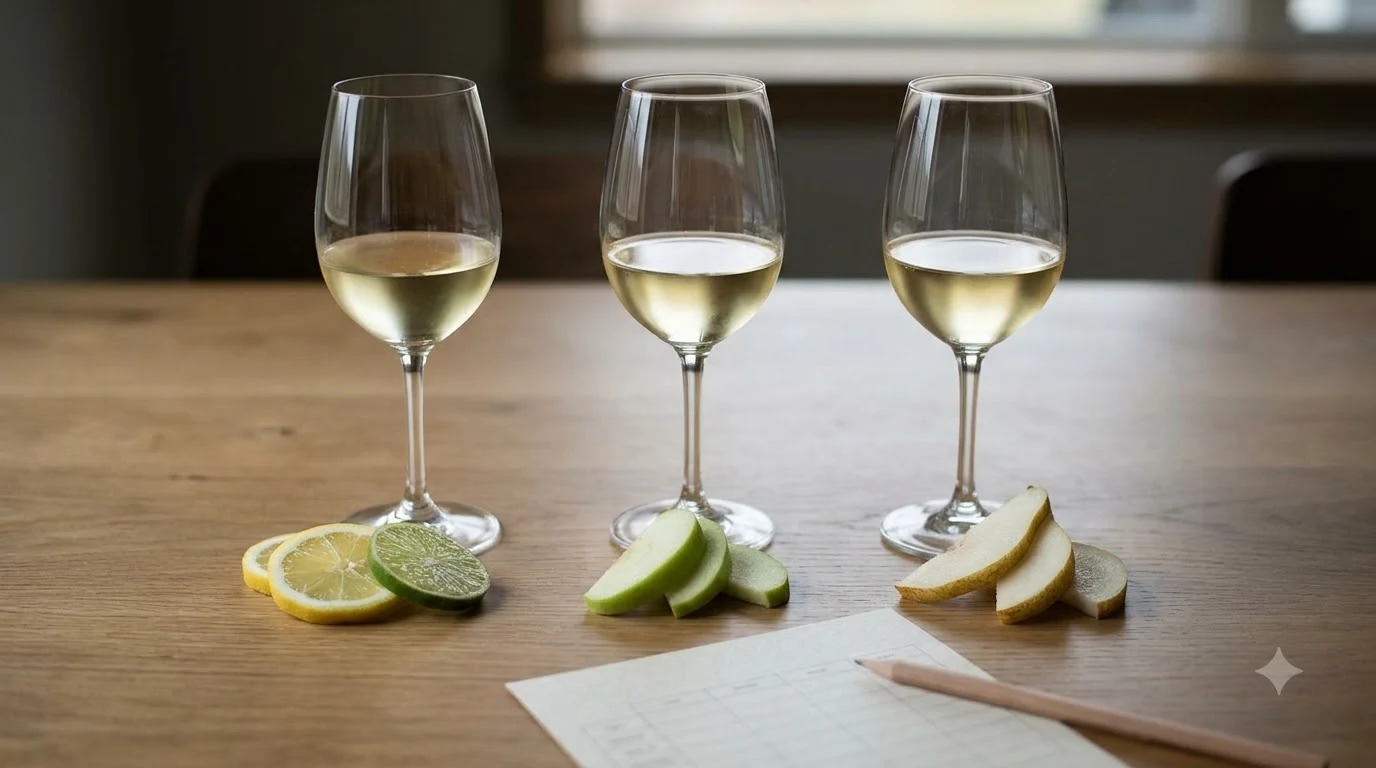
Sancerre is known for its refreshing acidity, dry finish, citrus aromas, and mineral character. Although it often tastes crisp and light, its alcohol content is comparable to many other still white wines. Understanding the percentage on the bottle helps you compare different Sancerre styles, estimate the alcohol in a serving, and choose a wine that suits your preferences.
Typical Alcohol Percentage in Sancerre
Most Sancerre wines contain approximately 12% to 13.5% alcohol by volume, with 12.5% to 13% being a useful expectation for many white bottles. The percentage is not identical across every producer or vintage, so two bottles carrying the same appellation can have noticeably different alcohol levels.
Wine Folly’s Sancerre overview gives the appellation a broader typical range of 11.5% to 13.5% ABV. Famille Bourgeois provides a more specific breakdown of its Sancerre white wines: 12% to 12.5% for fresher, lighter expressions and 13% to 13.5% for wines made from more advanced grape ripeness. These figures provide a practical starting point when comparing bottles.
A bottle marked 12.5% ABV contains 12.5% pure alcohol by volume. This means a 750 ml bottle contains approximately 93.75 ml of pure alcohol. A bottle marked 13.5% ABV contains approximately 101.25 ml of pure alcohol. The difference is 7.5 ml of alcohol across the entire bottle, which can become noticeable when comparing several glasses.
Here is a practical comparison of common Sancerre alcohol levels and their associated styles:
| Alcohol by volume | Typical style | General impression |
|---|---|---|
| 11.5%–12% | Lower-alcohol expression | Fresh, relatively light |
| 12%–12.5% | Moderate alcohol | Crisp, delicate, refreshing |
| 12.5%–13% | Common Sancerre range | Balanced fruit and acidity |
| 13%–13.5% | Higher-alcohol expression | Riper, fuller, more generous |
| 14% or above | Unusually high for the typical style | Potentially richer and more concentrated |
These categories are descriptive rather than strict quality grades. A 12% Sancerre can be beautifully balanced, while a 13.5% example can offer greater fruit concentration without losing its characteristic freshness. The best choice depends on whether you prefer a leaner, more delicate white wine or one with a fuller impression.
For a familiar example, Franck Millet lists its Sancerre White AOP at 12.5% ABV. This wine is made from 100% Sauvignon Blanc and has less than 2.5 grams per liter of residual sugar. Its technical details illustrate how a typical Sancerre combines moderate alcohol with a dry profile and refreshing acidity.
How Sauvignon Blanc and Pinot Noir Affect Alcohol Levels
White, red, and rosé Sancerre come from different grape varieties, but their alcohol content can overlap. White Sancerre is exclusively Sauvignon Blanc, while red and rosé Sancerre use Pinot Noir under the appellation’s production rules.
The Centre-Loire wine appellation organization confirms that white Sancerre is associated with Sauvignon Blanc and red and rosé Sancerre with Pinot Noir. Its regional information also identifies Sancerre as a Loire appellation east of Bourges, on the river’s left bank.
Sauvignon Blanc is responsible for the familiar crisp white Sancerre style. Its naturally refreshing acidity and aromatic profile often include grapefruit, lemon, gooseberry, green apple, and herbal notes. Alcohol generally falls around 12% to 13.5%, although some examples can fall outside that range.
Pinot Noir produces the red and rosé versions of Sancerre. Red Sancerre usually offers lighter body, red cherry, raspberry, and earthy characteristics. Rosé tends to emphasize fresh red berries and a bright finish. Neither color automatically has more alcohol than white Sancerre. The producer, vintage, grape maturity, and winemaking approach determine the actual percentage.
It is useful to distinguish between grape variety and wine color when comparing alcohol levels. Sauvignon Blanc does not automatically produce lower-alcohol wine than Pinot Noir. A ripe Sauvignon Blanc can reach a higher ABV than a Pinot Noir made in a cooler growing season.
For example, Franck Millet lists its Sancerre Red AOP at 12.5% ABV, matching the alcohol percentage of its Sancerre White. The red version uses 100% Pinot Noir, demonstrating that the appellation’s different colors can have identical alcohol levels.
Color also influences the drinking experience independently of alcohol. Red Sancerre can have more noticeable tannin than its white counterpart because of grape skins and extraction during red winemaking. White Sancerre generally emphasizes acidity and citrus freshness instead. These differences matter when selecting a bottle for food, even when both wines have identical ABV.
If you are exploring other wine categories, the broader Wine by Type guide provides a useful way to compare grape varieties, wine colors, and production styles.
Why Sancerre Alcohol Content Changes Between Vintages
The alcohol percentage of Sancerre changes primarily because grapes accumulate sugar as they ripen. During fermentation, yeast converts much of that sugar into alcohol, so grapes harvested at higher ripeness generally produce wines with higher potential alcohol.
Weather plays an important role in this process. A cooler growing season can slow grape development and preserve freshness, potentially resulting in a wine with lower alcohol. A warmer season can encourage faster ripening and greater sugar accumulation, which may produce a fuller wine with a higher ABV.
Famille Bourgeois describes three useful alcohol ranges for understanding this relationship. Its guidance associates 12% to 12.5% with fresher, lighter wines, 13% to 13.5% with more generous wines, and 14% or higher with warmer conditions and greater ripeness.
These ranges are not automatic rules for every vineyard. Soil, vineyard exposure, harvest timing, grape selection, and fermentation decisions all influence the finished wine. Even two neighboring vineyards in Sancerre can produce different results during the same growing season.
Harvest timing and grape ripeness
Harvest timing is one of the winemaker’s most important decisions. Picking earlier can help retain acidity and limit sugar accumulation, while allowing grapes to remain on the vine longer can develop riper fruit characteristics and increase potential alcohol.
This decision involves balancing several elements rather than simply maximizing sugar. A winemaker seeking a fresh, aromatic Sauvignon Blanc may prioritize acidity and restrained ripeness. Another producer may prefer a more concentrated expression with a broader texture and greater fruit intensity.
Fermentation and cellar decisions
Fermentation converts grape sugar into ethanol and carbon dioxide. The amount of fermentable sugar available at the beginning of fermentation is a major factor in the eventual alcohol percentage.
Franck Millet provides a practical example of a controlled white-wine production approach. Its Sancerre White undergoes slow fermentation in temperature-regulated stainless-steel vats over 7 to 10 weeks. The producer also reports no malolactic fermentation and 3 to 5 weeks of lees stirring.
These production choices help explain the wine’s style, but they should not be confused with the alcohol percentage itself. Stainless-steel fermentation does not automatically create low-alcohol wine, and aging on lees does not independently determine ABV.
How to Read the Alcohol Percentage on a Sancerre Label
The alcohol percentage is normally printed on the front or back label as ABV or % vol. Reading this number is the simplest way to establish how strong a particular bottle is, especially because Sancerre alcohol levels vary between producers and vintages.
French wine labels do not always display the grape variety prominently. The appellation itself identifies which grapes are authorized, so a bottle labeled Sancerre Blanc is made from Sauvignon Blanc, while Sancerre Rouge identifies a Pinot Noir-based red wine.
According to Famille Bourgeois, a French wine label typically includes the appellation, vintage, producer, bottle volume, alcohol content, bottler information, and country of origin. The alcohol declaration uses percentage by volume, allowing consumers to compare bottles regardless of their marketing descriptions.
Understanding ABV and bottle volume
ABV measures the volume of pure ethanol relative to the total volume of the wine. A 750 ml bottle at 12.5% ABV contains approximately 93.75 ml of pure alcohol. A 750 ml bottle at 13.5% ABV contains approximately 101.25 ml.
The following examples show how the same wine strength changes when bottle size changes:
- 375 ml half-bottle at 12.5% ABV: Approximately 46.9 ml of pure alcohol.
- 750 ml standard bottle at 12.5% ABV: Approximately 93.8 ml of pure alcohol.
- 1,500 ml magnum at 12.5% ABV: Approximately 187.5 ml of pure alcohol.
The percentage stays the same regardless of bottle size. Only the total amount of wine and alcohol changes. This distinction is particularly useful when comparing half-bottles, standard bottles, and larger formats.
What a higher percentage tells you
A higher ABV can suggest riper fruit and a fuller impression, but it does not guarantee better quality or a sweeter wine. Sancerre can remain completely dry at 13.5% ABV because dryness depends on residual sugar rather than alcohol percentage alone.
For a broader comparison, readers interested in fortified wines can also explore Marsala alcohol content and Tawny Port alcohol content. These wines generally have different production methods and substantially different alcohol ranges from still Sancerre.
Does Higher Alcohol Make Sancerre Taste Different?
Alcohol influences the perceived body, warmth, and texture of wine, but it works alongside acidity, fruit concentration, and residual sugar. A Sancerre at 13.5% ABV can feel rounder and fuller than one at 12%, even when both wines are dry.
Lower-alcohol Sancerre often emphasizes crisp citrus, green apple, gooseberry, and herbal freshness. These wines can feel particularly lively because their acidity is prominent relative to their body. They are useful choices for people who prefer lighter white wines.
Higher-alcohol examples can show more generous fruit flavors, including ripe citrus, peach, melon, and tropical fruit. Their texture may feel broader, and the finish can carry a more noticeable sensation of warmth. However, alcohol should remain balanced rather than dominate the wine.
Acidity is especially important in Sancerre. Sauvignon Blanc naturally retains substantial acidity, which contributes to the wine’s refreshing character. This helps explain why a Sancerre at 13% ABV can still feel bright rather than heavy.
Alcohol also should not be confused with sweetness. A wine can contain 13.5% alcohol and remain bone dry, while a lower-alcohol wine can taste sweet if it retains more residual sugar. For instance, Franck Millet reports less than 2.5 g/L residual sugar in its 12.5% ABV Sancerre White.
Tip: If you prefer a lighter drinking style, begin by comparing bottles around 12% to 12.5% ABV. If you enjoy more concentrated fruit and a fuller texture, consider examples around 13% to 13.5%. Treat the percentage as a useful style indicator rather than a quality score.
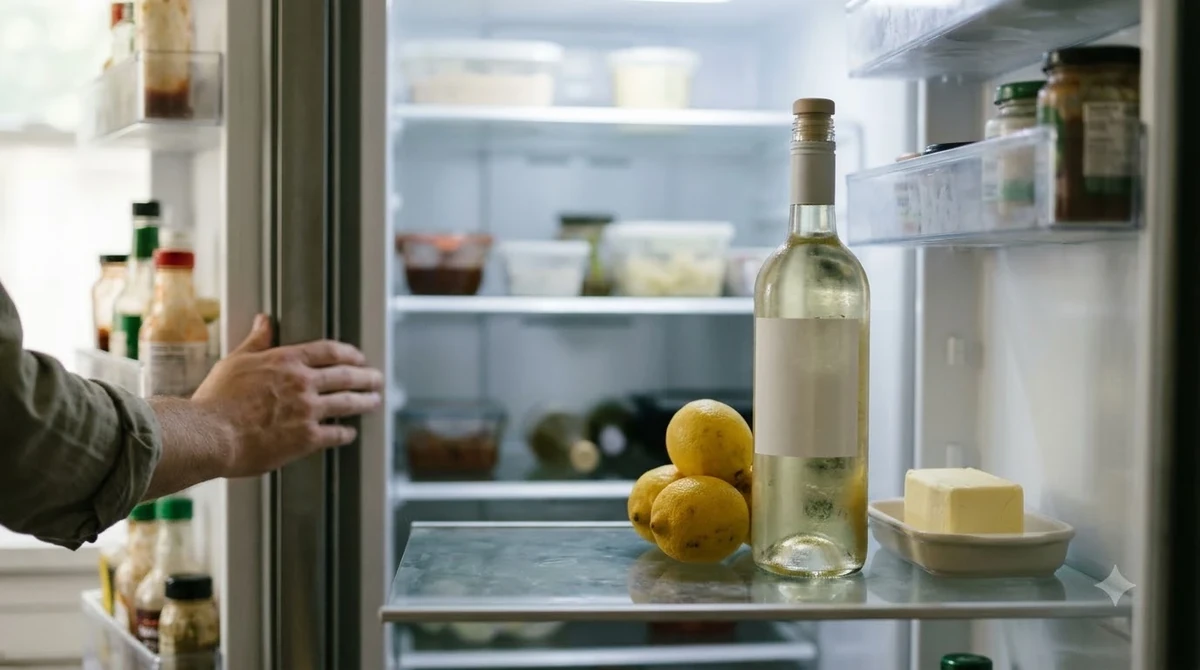
Serving temperature can also influence how the wine feels. A properly chilled Sancerre emphasizes its acidity and aromatic freshness, while a wine served too warm may make its alcohol sensation more noticeable. This is one reason to avoid serving white Sancerre directly from a warm room.
Serving Temperature and Food Pairings for Sancerre
Sancerre is best served chilled, generally between 45°F and 55°F, depending on the wine’s body and style. This temperature range helps preserve the wine’s refreshing acidity and aromatic character without suppressing its flavors.
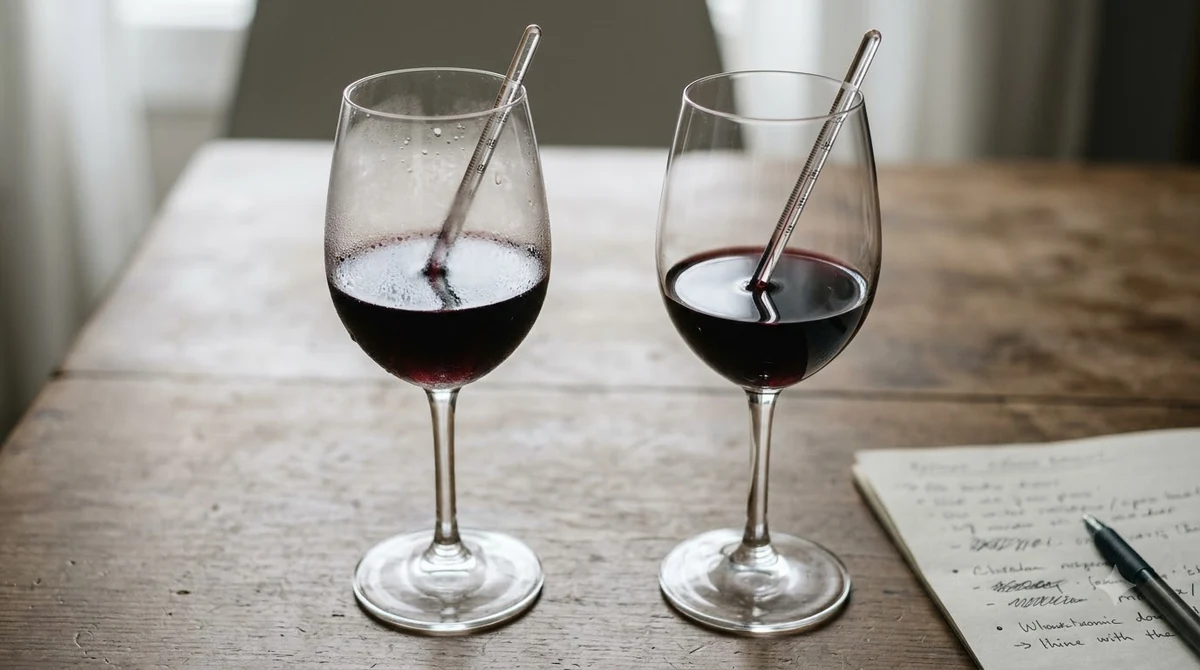
Franck Millet recommends serving its Sancerre White at 54°F, or 12°C. Wine Folly provides a broader recommended range of 45°F to 55°F. A practical starting point for most white Sancerre is approximately 48°F to 52°F, allowing the wine to warm slightly in the glass.
For a lighter white Sancerre, a temperature closer to 45°F to 50°F works well. A fuller, more concentrated example can benefit from approximately 50°F to 55°F. Red Sancerre generally benefits from a cooler serving temperature than many full-bodied reds, with approximately 55°F to 60°F being a useful starting range.
Food pairings for white Sancerre
Sancerre’s high acidity makes it particularly suitable for dishes with fresh ingredients, delicate textures, and bright flavors. Its citrus character works naturally with seafood, while its acidity can balance creamy textures and tangy cheeses.
Some useful combinations include:
- Oysters: Their fresh, briny character complements the wine’s citrus and mineral notes.
- Grilled white fish: Delicate fish benefits from the refreshing acidity without being overwhelmed by heavy flavors.
- Goat cheese: Crottin de Chavignol is a traditional local pairing that works particularly well with Sauvignon Blanc’s acidity.
- Crustaceans: Shrimp, crab, and lobster pair well with the wine’s clean fruit character.
- Green salads: Fresh herbs, leafy greens, and citrus-based dressings complement its aromatic profile.
- Pan-fried goat cheese: The crisp exterior and creamy center create an appealing contrast with Sancerre’s refreshing acidity.
Franck Millet specifically recommends its Sancerre White with fish, crustaceans, and Crottin de Chavignol. Wine Folly also highlights oysters, salads, citrus sauces, and pan-fried goat cheese as suitable combinations.
Pairing higher-alcohol Sancerre
A Sancerre at 13.5% ABV may work particularly well with slightly richer seafood dishes than a very lean, lower-alcohol example. Consider grilled fish with a light butter sauce, roasted shellfish, or poultry with fresh herbs.
However, higher alcohol does not mean the wine should automatically be paired with heavy or spicy food. Chili heat can feel stronger alongside alcohol, so intensely spicy dishes may make Sancerre less refreshing. Similarly, the wine’s acidity is better suited to oily seafood than tannic red wines would be.
Red Sancerre made from Pinot Noir can accompany roast chicken, mushrooms, and lightly seasoned poultry. Its generally moderate tannin and fresh red-fruit character make it a useful alternative to fuller-bodied red wines.
How Much Alcohol Is in a Glass or Bottle of Sancerre?
A standard 5-ounce serving of Sancerre at 12.5% ABV contains approximately 0.625 ounces of pure alcohol. At 13.5% ABV, the same serving contains approximately 0.675 ounces. The difference may appear small, but it becomes more noticeable when calculating the alcohol across multiple servings.
A standard 750 ml bottle provides approximately five 5-ounce glasses. The total amount of alcohol depends on the percentage printed on the label, not simply the number of glasses poured.
Comparing common serving sizes
The following examples use the same 12.5% ABV Sancerre to demonstrate how serving size affects the amount of alcohol in each pour:
| Serving size | Wine volume | Pure alcohol |
|---|---|---|
| Small pour | 3 oz | 0.375 oz |
| Standard pour | 5 oz | 0.625 oz |
| Large pour | 6 oz | 0.75 oz |
| Half bottle | 375 ml | 46.9 ml |
| Full bottle | 750 ml | 93.8 ml |
These figures are mathematical estimates based on the stated ABV. Actual pours can differ, particularly at restaurants where serving sizes may not be measured precisely.
For comparison, a 5-ounce glass of 13.5% Sancerre contains approximately 0.675 ounces of pure alcohol, compared with 0.625 ounces for a 12.5% example. This is a difference of 8% in alcohol per equal-sized pour.
Comparing Sancerre with other wine styles
Sancerre occupies a moderate range compared with many still wines. Its alcohol content is generally higher than that of some lighter, lower-alcohol wines but below that of many fortified wines.
For example, Moscato can have a substantially lower alcohol percentage, depending on its style and production method. Ice wine also frequently has a lower ABV because fermentation can be limited by the high concentration of natural grape sugars. Readers comparing sweeter wines can explore ice wine alcohol content for additional context.
Fortified wines such as Marsala and Tawny Port usually contain considerably more alcohol because spirits are added during production. This makes them quite different from Sancerre, which is a still wine rather than a fortified wine.
The important comparison is the actual ABV and serving size. A 5-ounce glass of Sancerre at 13% ABV contains more alcohol than an equal-sized glass of a 10% wine, even if both wines have similar freshness and lightness on the palate.
Frequently Asked Questions
Is Sancerre stronger than Sauvignon Blanc from New Zealand?
Not necessarily. Both regions produce Sauvignon Blanc with overlapping alcohol percentages, and individual producers can make wines with different strengths. New Zealand examples can be just as alcoholic as Sancerre, depending on grape ripeness and harvest conditions.
Does Sancerre contain more alcohol than Pouilly-Fumé?
There is no fixed alcohol difference between the two appellations. Both are Loire Valley wines primarily made from Sauvignon Blanc, and their finished ABV depends on vintage, vineyard conditions, and production decisions. Comparing the printed percentages is more reliable than assuming one appellation is stronger.
Can Sancerre be made without alcohol?
Traditional Sancerre is an alcoholic wine made through grape fermentation. Alcohol-free Sauvignon Blanc alternatives may be produced through dealcoholization, but they should not automatically be considered wines carrying the Sancerre appellation. Their production and labeling requirements are different.
Does Sancerre have more alcohol than Chablis?
The two wines have overlapping alcohol levels, so neither is consistently stronger. Chablis is made from Chardonnay in Burgundy, while white Sancerre is made from Sauvignon Blanc in the Loire Valley. Their different grape varieties and growing conditions influence their aromas, textures, and potential alcohol.
Does sparkling Sancerre exist?
Sancerre is primarily associated with still white, red, and rosé wines. Sparkling wine is not the traditional expression of the appellation. If you want Loire Valley sparkling wine, Crémant de Loire is a separate appellation and category worth exploring.
Sancerre alcohol content generally falls between 12% and 13.5% ABV, making it a moderately alcoholic still wine with refreshing acidity and a dry finish. Choosing between lower- and higher-alcohol bottles is largely a matter of preferred style, grape ripeness, and vintage character. For the most accurate comparison, look at the ABV printed on each bottle and enjoy Sancerre chilled with seafood, fresh salads, or goat cheese.
More in Wine Types & Grapes
 Zinfandel Sugar Content: Dry Red vs. White Zinfandel GramsUpdated Nov 21, 2026
 Best Zinfandel Substitute Options for Sipping and CookingUpdated Nov 21, 2026
 Zweigelt Food Pairing: Best Dishes, Cheeses, and Serving TipsUpdated Nov 21, 2026
 Zinfandel Tannins Explained: How Structure Shapes Every BottleUpdated Nov 21, 2026
 Zinfandel Sweetness Level: Dry Red vs. Sweet White Zin ExplainedUpdated Nov 21, 2026
 Xinomavro Food Pairing: Best Dishes, Styles, and Serving TipsUpdated Nov 21, 2026