

We may earn a commission when you buy through links on this page, at no extra cost to you. Learn more.
Most rose tasting notes describe red berry, citrus, melon and floral flavors, and the exact balance depends on grape variety, skin contact time and whether the wine is dry or sweet. Pale salmon-colored rosés usually lean toward citrus and green fruit, while deeper pink bottles often show ripe strawberry, cherry and spice. Reading the color, the grape and the style of a bottle gives you a reliable preview of what will be in the glass.
Rosé is one of the most varied wine styles on the shelf. A bottle from Provence can taste nothing like one from Navarra or Tavel, and two pink wines from the same region can differ sharply. Once you know what common descriptors mean and what causes them, you can predict much of what you will taste before you pour. This guide covers where rosé gets its color, the flavors you can expect, how winemaking changes the result, and how to serve and pair each style well.
Where Rosé Color Comes From and Why It Matters
Rosé gets its pink hue from brief contact between red grape skins and the juice, and that contact time is the first clue to what the wine will taste like.
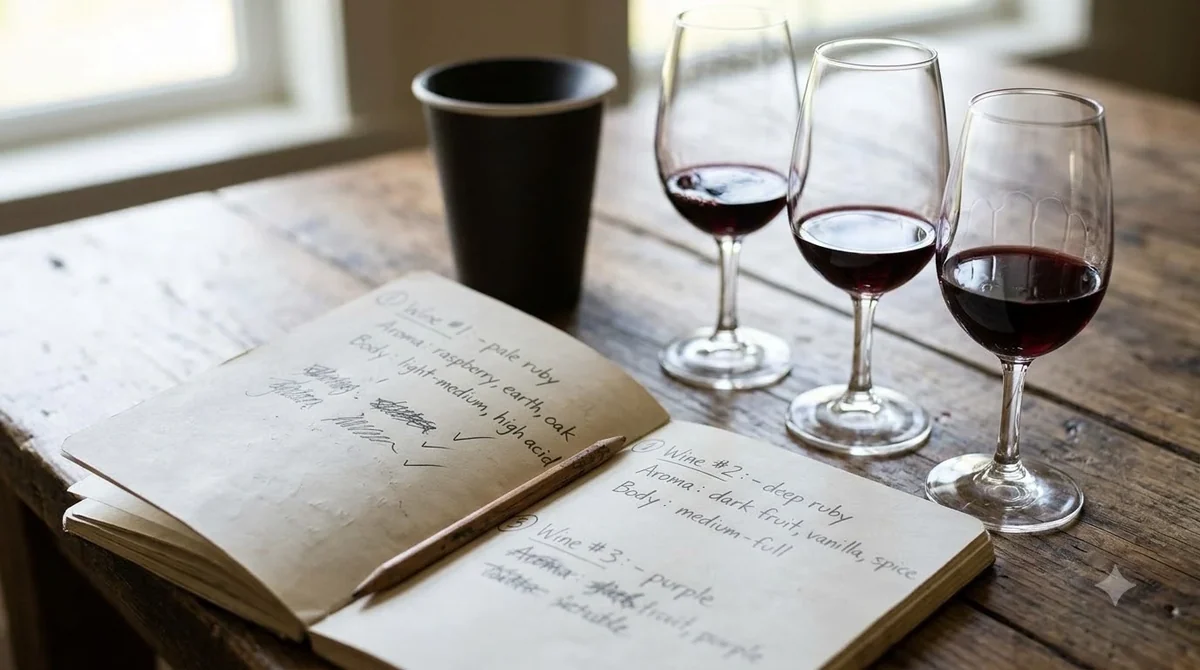
According to Wine Enthusiast’s rosé guide, maceration for rosé typically ranges from a few hours to a week, and the shorter the period, the lighter the color. That single decision shapes the wine more than most drinkers realize. A pale, salmon-toned rosé usually reflects a short soak, while a deeper ruby-pink rosé has spent longer on the skins and tends to show more red fruit and a firmer structure.
Color is a poor guide to sweetness, even though many drinkers use it that way. A deeper color generally means more skin contact or a thick-skinned grape, and the wine can still finish completely dry. The Decanter panel that judged Provence rosés reached a similar conclusion, finding that the palest wines were not automatically the most elegant or the highest in quality. Use color to predict intensity and body, and use the producer’s description to predict sweetness.
Common Rose Tasting Notes and What They Mean
Most rosé descriptors fall into four families: red fruit, citrus and green notes, melon and stone fruit, and floral or herbal accents. Each family tells you something about ripeness, acidity and the grape behind the wine.
Strawberry, raspberry and red cherry are the most common red fruit notes. Wine Folly’s rosé guide describes rosé as typically offering red fruit, flowers, citrus and melon, often with a refreshing, slightly green finish that brings to mind celery or rhubarb. Those green notes usually signal freshness rather than a flaw. Wine Enthusiast points out that harvesting early can give a rosé higher acidity and crispness, which helps explain why citrus and herbal notes appear so often in pale styles.
Warm and cool climates push the profile in different directions. Wine Enthusiast’s masterclass describes warm-climate rosés as lush, with ripe watermelon, strawberry, peach and even banana. Cool-climate examples show higher acidity, lower alcohol and a notable sense of minerality, along with tart red currant and underripe strawberry. If a bottle seems rich and tropical, warmth is likely a big part of the story.
Grape variety adds its own signature. A deeply colored Aglianico rosato from southern Italy often shows sour cherry, blood orange and dried herb notes, while a pale Grenache-based rosé from Provence may show watermelon, citrus peel, white flowers and subtle herbs. Learning which grape is in the bottle is often the fastest way to predict its flavor. For a closer look at one of the most common rosé grapes, read the grenache tasting notes guide.
How Winemaking Method Changes the Flavor
Three production methods account for most rosé, and each leaves a different signature in the glass. Knowing which one a winemaker used helps explain why two rosés made from the same grape can taste so different.
Direct press is the approach behind most pale rosé. The grapes are pressed slowly, and the juice is drawn off the skins almost immediately. Wine Enthusiast describes the result as a delicate, lighter-hued wine that favors citrus over heavy red fruit. Direct-press rosés are often picked slightly underripe, and they generally carry lower alcohol than saignée wines, which keeps them light and crisp.
Maceration sits between the two extremes. Crushed red grapes rest with their juice for a set period, and Wine Folly reports that most rosés spend between 2 and 24 hours on their skins. Longer contact deepens the color, adds structure and pushes the fruit toward strawberry and cherry rather than pure citrus. Provence and Languedoc-Roussillon rely heavily on this method, which is why their rosés range from very pale to surprisingly deep.
Saignée, from the French word for bleeding, works differently. Winemakers draw off part of the juice from a tank of crushed red grapes, and the remaining juice becomes a more concentrated red wine. The rosé made from the bled-off juice tends to come from ripe grapes, with fuller flavor, more red fruit character and sometimes slightly higher alcohol than direct-press bottlings. Because saignée is largely a byproduct of red winemaking, Wine Folly notes it is most common in regions known for premium reds, such as Napa and Sonoma.
Dry, Sweet, and Sparkling Styles to Recognize
Most quality rosé is dry, but sweet and sparkling versions are common enough that you should know what to look for. The style tells you more than the shade of pink does.
The idea that rosé is sweet traces back to the white Zinfandel era, when many drinkers assumed all pink wine was sugary. Wine Enthusiast notes that most quality European rosés are dry, and an increasing number of New World producers now make dry examples as well. A dry rosé typically tastes fresh and zesty, while a sweet rosé shows riper, candied red fruit with a lush texture.
| Style | Typical grapes | Production clue | Serving temperature |
|---|---|---|---|
| Pale Provence rosé | Grenache, Cinsault, Mourvèdre, Syrah | Direct press or short maceration | 45–50°F |
| Tavel rosé | Mainly Grenache | Longer skin contact, deeper color and tannin | 45–50°F |
| Navarra rosado | Old-vine Grenache, Tempranillo | Often saignée | 45–50°F |
| Rosé Champagne | Chardonnay with Pinot Noir or Pinot Meunier | Maceration, saignée or blended red and white wine | 40–50°F |
| Cerasuolo d’Abruzzo | Montepulciano | Direct pressing | 45–50°F |
Champagne is the main case where red and white wine are blended. Wine Enthusiast explains that producers may use maceration or saignée, or make a rosé d’assemblage, in which still red and white wines are blended before secondary fermentation. Sparkling rosé has its own vocabulary and serving needs, and it is usually served cooler than still styles. For a broader view of how still and sparkling categories fit together, the guide to Wine by Type lays out the main groupings.
Tip: Treat color as a guide to intensity, not sweetness. A deep pink bottle can be completely dry, and a pale one can be sweet, so the producer’s description of style tells you far more than the shade of the wine.
How Grape Variety and Region Shape Each Style
Grape and region together explain most of the difference between two rosés that look alike in the glass. Provence sets the pale, dry benchmark, while Tavel, Bandol and producers in Italy and Spain offer very different expressions.
Provence is the reference point for light, dry rosé. Wine Enthusiast reports that about 90 percent of Provence’s wine exports are rosés, and the classic blends lean on Grenache, Cinsault, Mourvèdre and Syrah, sometimes accented with white Vermentino, known locally as Rolle. The typical profile is crisp and versatile, with citrus, tart red fruit and an herbal lift that suits vegetables, seafood and lighter meats.
Tavel is the exception to the pale style. Wine Enthusiast notes it is the only French appellation dedicated solely to dry rosé, with Grenache as the primary grape. Longer skin contact gives Tavel higher tannins, richer color and deeper red fruit. Bandol rosés, by contrast, are built mostly on direct-pressed Mourvèdre and show a savory, mineral-driven and structured profile rather than simple fruit.
Outside France, the grape and the local rules set the tone. Italy’s Cerasuolo d’Abruzzo is made from direct pressings of Montepulciano and is vinified as a light red wine, which gives it a cherry color and a fruit-and-acid profile. In Spain, Navarra’s rosado made from old-vine Grenache is considered the region’s highest expression, while Rioja rosado follows an aging ladder of joven, crianza and reserva. Crianza requires 12 months of aging with six months in barrel, so it can taste rounder than an unaged bottle. For a closer look at Loire styles, see the sancerre tasting notes guide.
Serving Temperature and Storage Shape the Aromas
Serving temperature changes how loudly the fruit and acidity speak, so a few degrees make a noticeable difference. Most still rosé is best around 45 to 50°F, and sparkling rosé sits slightly cooler, at 40 to 50°F.
A bottle pulled straight from a very cold fridge can taste muted, with its fruit and floral notes hidden. A pour that has warmed too far can seem heavier and less lively than the grape and region would suggest. If the bottle was very cold, let the glass sit for a few minutes before you taste, so the aromas have room to open.
A standard 750 ml bottle holds about five glasses at a 5-ounce pour, a useful number when you are planning for a group. Once opened, still rosé keeps for about 3 to 5 days in the refrigerator, while sparkling rosé is best within 1 to 3 days because its bubbles fade. Store unopened bottles on their side in a cool place near 55°F, which keeps the cork moist and the wine stable until you are ready to serve it.
Pairing Rosé by Its Notes
Match rosé’s acidity and fruit to the food, and the wine works with a wide range of dishes. The best pairings usually come from comparing the wine’s main notes with the dish’s main flavors.
Acidity is the most useful pairing tool. Acidic food needs a wine with equal or higher acidity, so a crisp, citrus-driven Provence-style rosé suits a lemony salad, grilled shrimp or goat cheese. A richer, fruit-forward rosado works better with roasted chicken or tomato-based dishes, where its red fruit echoes the sauce.
Sweetness and spice matter too. The wine should be at least as sweet as the dessert, so pair berry desserts with a sweet or sparkling rosé rather than a bone-dry bottle. Salt and fat soften the impression of tannin, and chili heat is amplified by alcohol, so a higher-alcohol rosé can make spicy dishes feel sharper. Provence’s herbal, garlic-friendly character is one reason the wines developed alongside hearty, garlic-laden food, according to the Decanter panel, which makes them a practical match for Mediterranean dishes built on herbs.
Frequently Asked Questions
Is rosé a blend of red and white wine?
Most bottles are not blends. Wine Folly notes that adding red wine to white usually takes no more than 5 percent to create a pink hue, and the method is mostly used for sparkling wine such as Champagne. Still rosé is almost always made by maceration or saignée, which keeps the wine tied to red grape juice.
Which grapes can be used to make rosé?
Nearly any red-skinned grape can make rosé, according to Wine Folly. Cabernet Sauvignon, Syrah, Grenache, Mourvèdre, Pinot Noir and Sangiovese all appear in rosé production. Because the grape variety strongly shapes flavor, the same method can produce very different wines depending on what was harvested.
Can rosé age well?
Most unoaked rosés are not designed to age more than a year or two, and their bright fruit fades over time while some acidity and minerality remain. Some premium bottles last much longer. Wine Enthusiast notes that Bandol rosés age beautifully, and Tavel bottlings from top producers can be age-worthy. Those are the exceptions to plan around, not the everyday rule.
Does oak appear in rosé?
Oak is uncommon in rosé, but it does appear. Wine Enthusiast notes that premium Provence and Bandol rosés can be oak-aged, which adds warm spice, vanilla or toasted nuts along with a richer texture. Oak aging can also deepen the fruit toward the character of a light red wine.
Why do rosé colors vary so much?
Color depends mostly on how long the juice stays in contact with the skins. Decanter reports that Provence rosés range from bluish-pink to orange and almost white. Older descriptors such as onion skin and salmon are now considered unhelpful, so a research center in Vidauban promotes fruit names like peach, mango, redcurrant and melon instead.
Rosé tasting notes work best as a set of clues rather than a checklist. Start with color for intensity, grape and region for flavor, and the style on the bottle for sweetness, then adjust serving temperature and food pairing to bring out the best in each glass.
More in Wine Types & Grapes
 Zinfandel Sugar Content: Dry Red vs. White Zinfandel GramsUpdated Nov 21, 2026
 Best Zinfandel Substitute Options for Sipping and CookingUpdated Nov 21, 2026
 Zweigelt Food Pairing: Best Dishes, Cheeses, and Serving TipsUpdated Nov 21, 2026
 Zinfandel Tannins Explained: How Structure Shapes Every BottleUpdated Nov 21, 2026
 Zinfandel Sweetness Level: Dry Red vs. Sweet White Zin ExplainedUpdated Nov 21, 2026
 Xinomavro Food Pairing: Best Dishes, Styles, and Serving TipsUpdated Nov 21, 2026