

We may earn a commission when you buy through links on this page, at no extra cost to you. Learn more.
The riedel wine tumbler is a premium stemless crystal glass designed for wine drinkers who want varietal-specific bowl shapes without traditional stems. RIEDEL’s O collection combines machine-made crystal construction with grape-focused designs inspired by its Vinum glassware. Its main advantages are convenient storage, dishwasher compatibility, and a more casual presentation, although the relatively delicate crystal construction deserves careful handling.
Traditional wine glasses have long been associated with long stems, elegant silhouettes, and formal table settings. RIEDEL takes a different approach with its O collection, replacing the stem with a compact, rounded design while retaining individual bowl shapes for different wine styles. The result is glassware intended to fit everyday dining, smaller storage spaces, and informal entertaining. This review examines the collection’s construction, available designs, customer feedback, practical limitations, and the types of wine drinkers most likely to appreciate it.
Specs and Key Features
The RIEDEL O Wine Tumbler is a machine-made crystal glass collection with varietal-specific designs and a stemless silhouette. Its central appeal is the combination of recognizable RIEDEL bowl geometry and a compact format that is easier to store than many traditional stemmed glasses.
RIEDEL introduced the O Wine Tumbler in 2004 through Maximilian J. Riedel. The collection was inspired by the company’s Vinum series, translating its grape-specific approach to glass design into a more casual drinking vessel. Rather than simply removing the stem from one universal wine glass, RIEDEL developed different bowl shapes for different grape varieties. The manufacturer’s official overview of the O Wine Tumbler collection explains the design philosophy and varietal-specific options.
That distinction matters when comparing the collection with inexpensive generic stemless glasses. A basic tumbler may accommodate several beverages, but its shape is not necessarily designed around the characteristics of particular wines. RIEDEL’s approach gives buyers the option of choosing a bowl intended for Cabernet Sauvignon, Pinot Noir, Chardonnay, or another grape rather than relying on one shape for everything.
| Specification | RIEDEL O collection |
|---|---|
| Collection introduction | 2004 |
| Designer associated with introduction | Maximilian J. Riedel |
| Construction | Machine-made |
| Material | Crystal glass |
| General design | Stemless |
| Collection inspiration | Vinum series |
| Dishwasher compatibility | Yes, according to RIEDEL |
| Standard product packaging | Varies by glass and product configuration |
| Typical intended use | Everyday wine enjoyment |
Individual models have different dimensions, so there is no single capacity or height that describes every O tumbler. For example, AllModern lists its Cabernet version at 21.16 ounces, with dimensions of 3.74 inches wide and 4.88 inches high. RIEDEL’s separate Whisky tumbler has a listed height of 3.937 inches and a maximum diameter of 3.15 inches. Those specifications demonstrate why buyers should distinguish between the wine-specific glasses and other drinking vessels in the broader collection.
The material is another important consideration. Crystal glass provides the clarity and refined appearance associated with premium wine service, but it is still glass and can break if dropped or knocked against hard surfaces. Machine-made construction offers consistent production, but it should not be confused with an unbreakable or heavy-duty drinking tumbler.
For anyone comparing the collection with other premium options, the wine glasses overview provides useful context about different glass formats, materials, and designs.
What Owners Like About the Design
The strongest appeal of RIEDEL O is its combination of a familiar wine-focused design philosophy and a practical stemless format. Customer feedback highlights the appearance, comfortable feel, and everyday convenience, while the individual bowl designs give the collection more purpose than a standard drinking glass.
One frequently mentioned advantage is the appearance. AllModern customer feedback describes the glasses as attractive and elegant, with a shape that feels pleasant to hold. The clear crystal construction gives the wine visibility, while the absence of a stem produces a more relaxed presentation suitable for everyday meals and informal gatherings.
The physical design also addresses a familiar problem with traditional wine glasses. Stems can catch on cabinet shelves, collide with neighboring glasses, or break when someone handles a glass carelessly. Removing the stem eliminates that particular weak point. It does not make the entire tumbler unbreakable, but it changes how the glass is handled and stored.
Storage convenience is especially useful in kitchens where cabinet height and shelf space are limited. Stemless glasses can stand upright without requiring additional clearance for long stems. They are also easier to arrange in some cupboards, although their rounded bowls still need enough space to avoid touching one another.
Varietal-specific shapes add value
RIEDEL’s approach to glass shape is another reason the O collection attracts wine enthusiasts. The manufacturer explains that bowl geometry can influence how aromas develop and how wine reaches the palate. Different grapes have different structural characteristics, so using an appropriate glass can make the drinking experience more focused.
For example, Cabernet Sauvignon is generally associated with relatively high tannin. A larger bowl designed for Cabernet and Merlot provides space for the wine to interact with air and allows aromas to develop. Pinot Noir, by contrast, is generally lower in tannin and higher in acidity, making its aromatic presentation a different consideration.
These differences explain why the O collection is more interesting than a generic stemless set. Someone who regularly drinks several grape varieties can select individual glasses according to their preferred wines. Someone who mostly drinks one familiar style can concentrate on a single suitable shape instead of buying an extensive collection.
Customers also appreciate the collection’s flexibility. Although the varietal-specific models are designed around wine, RIEDEL states that its O tumblers can serve water, cocktails, and soft drinks as well. This makes the collection useful beyond dedicated wine occasions.
Convenience for everyday entertaining
The dishwasher compatibility advertised by RIEDEL is another significant advantage. Premium crystal glassware can seem intimidating if every washing session requires extensive hand-cleaning. Having a collection designed for dishwasher use makes it more practical for households that want attractive glassware without a complicated cleaning routine.
AllModern customer feedback also mentions the convenience of dishwasher cleaning. However, careful loading remains important. Crystal glasses should not knock against plates, cookware, or neighboring glasses during a wash cycle. The manufacturer specifically recommends appropriate placement to reduce contact with other items.
Overall, the owner feedback suggests that appearance, handling comfort, and everyday convenience are the collection’s most appreciated characteristics. The main reservation concerns the thinness of the glass, which is a practical consideration rather than an indication that every glass will fail under normal use.
Common Complaints and Practical Limitations
The biggest potential drawback of RIEDEL O is that its refined crystal construction requires more care than thick everyday drinking glasses. Customer feedback includes concerns about thin glass, while the stemless shape also introduces practical differences that may not suit every wine drinker.
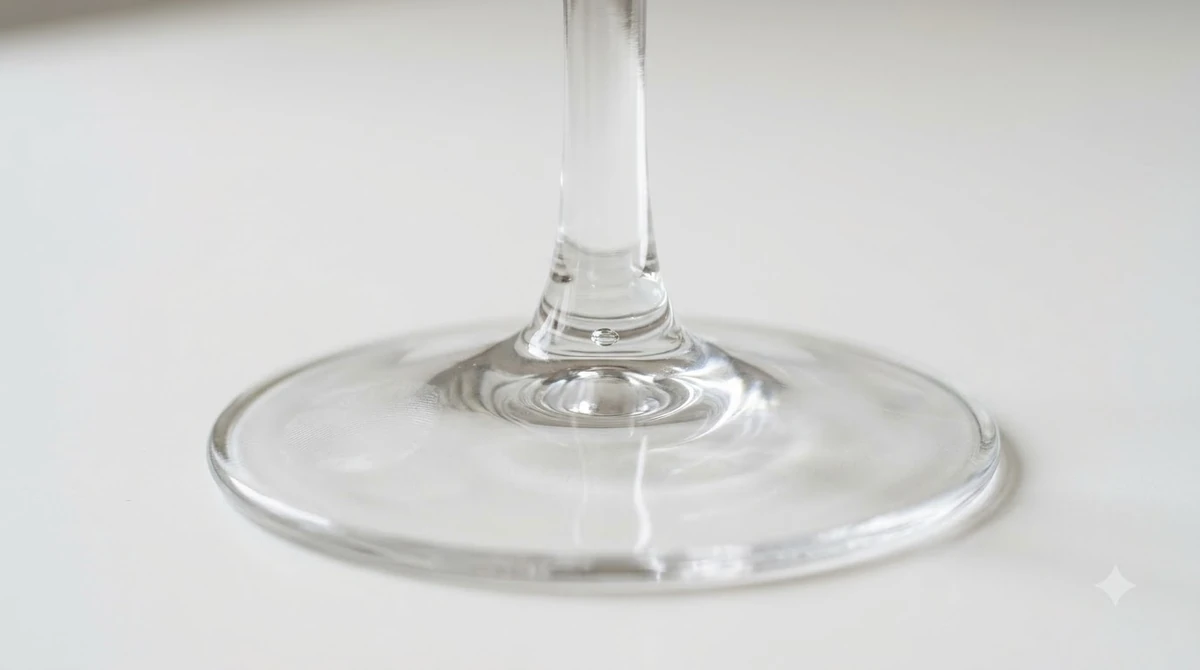
Some AllModern customers describe the glasses as thin and recommend careful handling. This is worth considering before choosing a complete set for a busy household. A crystal tumbler may feel elegant and comfortable, but it should not be treated like a thick-sided water glass that can withstand frequent knocks against a sink or countertop.
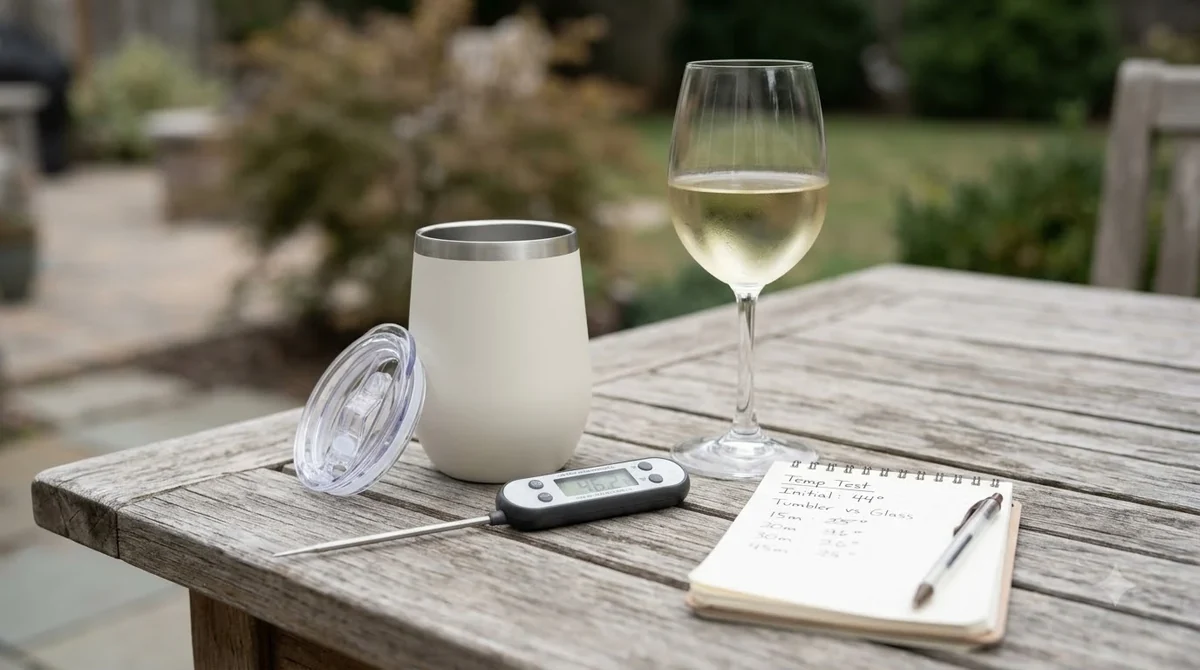
The absence of a stem also changes how a glass is held. With traditional stemware, the hand stays relatively far from the wine bowl. A stemless glass is normally held around its lower body, which means the hand can transfer more warmth to the wine. This may be less noticeable during casual drinking, but it matters to people who pay close attention to serving temperatures.
Temperature management takes more attention
Wine temperature affects how aromas, acidity, alcohol, and texture are perceived. Light whites and rosé generally benefit from serving temperatures around 45 to 50 degrees Fahrenheit, while fuller-bodied whites are commonly served around 50 to 55 degrees. Light reds are often more enjoyable around 55 to 60 degrees.
Because the hand comes into direct contact with a stemless bowl, wine may warm more quickly during a long meal. This does not make the glass unsuitable for serious wine drinking, but it does make temperature management more important when serving delicate or temperature-sensitive wines.
For a casual glass of Sauvignon Blanc with dinner, the difference may be minor. For a longer tasting of several wines, a traditional stemmed glass can provide better separation between the hand and the wine.
Not every model is equally versatile
The varietal-specific design is a strength, but it also means that buyers should avoid assuming every O glass is interchangeable. A Cabernet tumbler has a different intended role from a Riesling or Champagne model. Buying the wrong version can create disappointment even when the overall construction and appearance are attractive.
There is also a distinction between a wine-specific glass and the collection’s other tumblers. The O Water tumbler, for example, has a listed capacity of 8.454 ounces, while the Whisky version has different dimensions and a separate intended use. The shared stemless appearance does not mean their shapes serve exactly the same purpose.
Another consideration is cabinet organization. The compact height helps with storage, but broad bowls can still occupy significant shelf width. Buyers with narrow cabinets should consider both the height and widest diameter rather than focusing exclusively on the absence of stems.
Finally, dishwasher compatibility should not be mistaken for resistance to all types of damage. A glass can be dishwasher safe and still break through impact, sudden handling accidents, or contact with other items. Careful loading and removal remain sensible precautions.
Who Should Buy and Who Should Skip RIEDEL O
RIEDEL O is best suited to wine drinkers who appreciate attractive crystal glassware but prefer a relaxed, stemless format. Its varietal-specific designs make it especially appealing to people who want wine-focused bowl shapes without committing to a full cabinet of traditional stemware.
For everyday wine drinkers, the collection offers a useful balance between presentation and practicality. A Cabernet Sauvignon drinker can choose the Cabernet/Merlot tumbler, while someone who prefers lighter, aromatic wines can consider the Riesling/Sauvignon Blanc option. The collection gives buyers a way to match their most frequently served wines with appropriate glass shapes.
It also makes sense for people who entertain regularly but do not always want formal table settings. Stemless glasses look appropriate at casual dinners, outdoor meals, and relaxed celebrations. Their lack of stems reduces one common source of breakage and makes them convenient to arrange in many kitchen cabinets.
Buyers who are likely to appreciate it
- Stemless glass enthusiasts: People who prefer compact, modern glassware over traditional stemmed wine glasses.
- Regular wine drinkers: Buyers who appreciate the option of selecting different shapes for Cabernet Sauvignon, Pinot Noir, Chardonnay, and Riesling.
- Small-space households: People who want glassware that can be stored without accommodating long stems.
- Casual entertainers: Hosts who serve wine at informal dinners, family gatherings, and relaxed celebrations.
- Design-conscious buyers: People who value clear crystal, elegant proportions, and coordinated glassware.
- Dishwasher users: Households that prefer manufacturer-designated dishwasher-safe glassware over collections requiring exclusively manual washing.
Buyers who may prefer something else
People who prioritize traditional wine service may be happier with stemmed glassware. The stem separates the hand from the bowl and provides a familiar way to hold the glass without warming the wine as quickly.
Professional tasters and enthusiasts who regularly conduct structured tastings may also prefer dedicated stemmed glasses. The traditional format makes it easier to hold the glass by its stem while swirling the wine, observing its appearance, and evaluating its aromas.
Households with young children, crowded dining tables, or a history of frequent glass breakage should also think carefully about the crystal construction. Removing the stem addresses one vulnerable component, but the bowl remains breakable.
Finally, buyers who want inexpensive, heavy-duty tumblers for everyday water service may not need the specialized construction or varietal-specific design. A conventional thick-walled glass may be a more practical choice for that particular purpose.
Tip: Start with the varietal-specific O glass that matches the wine you drink most often. A Cabernet Sauvignon enthusiast does not need to purchase a complete collection of Pinot Noir, Riesling, Chardonnay, and Champagne glasses immediately.
How It Compares to Alternatives
RIEDEL O occupies a middle ground between generic stemless drinking glasses and traditional wine-focused stemware. Its distinguishing feature is the varietal-specific bowl design, while its main compromise is the difference in handling and temperature control associated with a stemless format.
Compared with a basic all-purpose tumbler, O offers more deliberate glass shapes. A generic tumbler can serve many drinks, but it may not provide the same grape-focused approach. Someone who enjoys exploring different wine styles may appreciate the distinction, particularly when moving between structured reds and aromatic whites.
Compared with traditional stemmed RIEDEL glassware, the O collection is more casual. The lack of a stem simplifies storage and changes the way the glass sits on a table. However, stemmed glassware remains a better fit for people who prefer a conventional tasting format or want to minimize direct hand contact with the bowl.
Stemless versus stemmed wine glasses
The main difference is not simply appearance. Stemmed glasses allow the drinker to hold the vessel without gripping the bowl, while stemless glasses offer a compact, straightforward design. Both can accommodate high-quality wine, but they emphasize different priorities.
Stemless glassware is particularly practical for informal dining. It can feel less formal, takes a different amount of cabinet space, and avoids breakage of a long stem. Traditional stemware offers more separation between the hand and wine and can be easier to swirl without directly gripping the bowl.
Neither design automatically makes wine taste better in every situation. The shape, size, opening, and intended grape variety are more important considerations than the presence of a stem alone.
Varietal-specific versus universal designs
RIEDEL’s varietal-specific approach is useful for people who drink several different types of wine. A large Cabernet/Merlot bowl is intended for fuller reds, while the Riesling/Sauvignon Blanc design serves a different aromatic and structural profile.
A universal glass is more convenient for households that do not want to maintain several different glass types. It reduces the need to choose between glasses before every bottle is opened. The compromise is that one design may not be equally suited to every wine style.
For buyers who want to compare different formats before purchasing, the wine tumbler roundup provides a broader look at stemless options. Those interested in glasses designed to retain beverage temperature should also consider the differences between ordinary crystal and an insulated wine tumbler.
Which option makes the most sense?
Choose RIEDEL O if the priority is a wine-focused stemless design with a premium crystal appearance. Choose traditional stemware if holding wine by its stem and limiting hand contact with the bowl are more important. Choose a universal drinking glass if the main requirement is general-purpose durability rather than wine-specific presentation.
For many households, the most sensible solution is to combine formats. A small set of O tumblers can handle casual meals, while a few traditional wine glasses can be reserved for longer tastings and formal occasions. That approach avoids forcing one glass design to serve every possible purpose.
Frequently Asked Questions
Does RIEDEL O use lead-free crystal?
AllModern identifies the Cabernet O tumbler in its listing as lead-free. Crystal terminology can cover different glass compositions, so buyers comparing individual products should distinguish between the general material description and specific chemical composition information. The manufacturer’s individual product specifications are the appropriate place to verify details for a particular glass.
Can RIEDEL O tumblers be used for wine tasting events?
Yes, they can be used for informal wine tasting events, particularly when the glasses are selected to match the grapes being served. A tasting flight could include Cabernet Sauvignon, Pinot Noir, and Sauvignon Blanc in their respective glass shapes. For formal comparative tastings, however, traditional stemmed glasses may be more convenient for repeated swirling and aroma evaluation.
Are RIEDEL O glasses suitable for serving dessert wine?
They can be used for dessert wine, although a smaller serving vessel is often more practical for concentrated sweet wines. A 5-ounce standard wine pour is not necessary for every wine style, and dessert wines are commonly served in smaller quantities. A glass with an appropriately sized bowl helps keep the serving manageable.
Can RIEDEL O glasses be used for wine decanting?
No, the tumblers are drinking glasses rather than decanters. Decanting is a separate process that uses a larger vessel to expose wine to air or separate older wine from sediment. Young, full-bodied red wines such as Cabernet Sauvignon may benefit from approximately 30 to 60 minutes of decanting before being poured into the glass.
How many glasses should a household purchase?
A household that regularly entertains six people may find a six-glass starting set practical, with additional glasses useful for larger gatherings. A household that usually serves wine to two people can begin with four matching glasses. The number should reflect the number of guests, storage capacity, and whether different varietal-specific designs are needed.
RIEDEL O is a compelling choice for wine drinkers who want crystal glassware with varietal-specific designs in a convenient stemless format. Its attractive appearance, dishwasher compatibility, and compact profile make it particularly suitable for everyday entertaining, although careful handling remains important. For buyers who prefer modern glassware without abandoning wine-focused bowl shapes, the collection deserves serious consideration.
More in Wine Glasses
 Zwiesel Glas Champagne Flutes for Durable Everyday Sparkling WineUpdated Nov 20, 2026
 Vera Wang Crystal Wine Glasses: Design, Quality and Buying AdviceUpdated Nov 20, 2026
 West Elm White Wine Glasses: Compare Designs for Better Everyday Wine ServiceUpdated Nov 20, 2026
 Zalto Stemless Wine Glasses: Discover Their Distinctive DesignsUpdated Nov 20, 2026
 Viski Champagne Glasses That Match Your Style and Sparkling WineUpdated Nov 20, 2026
 Vista Alegre Decanter Review: Crystal Style and Wine ServiceUpdated Nov 20, 2026