

We may earn a commission when you buy through links on this page, at no extra cost to you. Learn more.
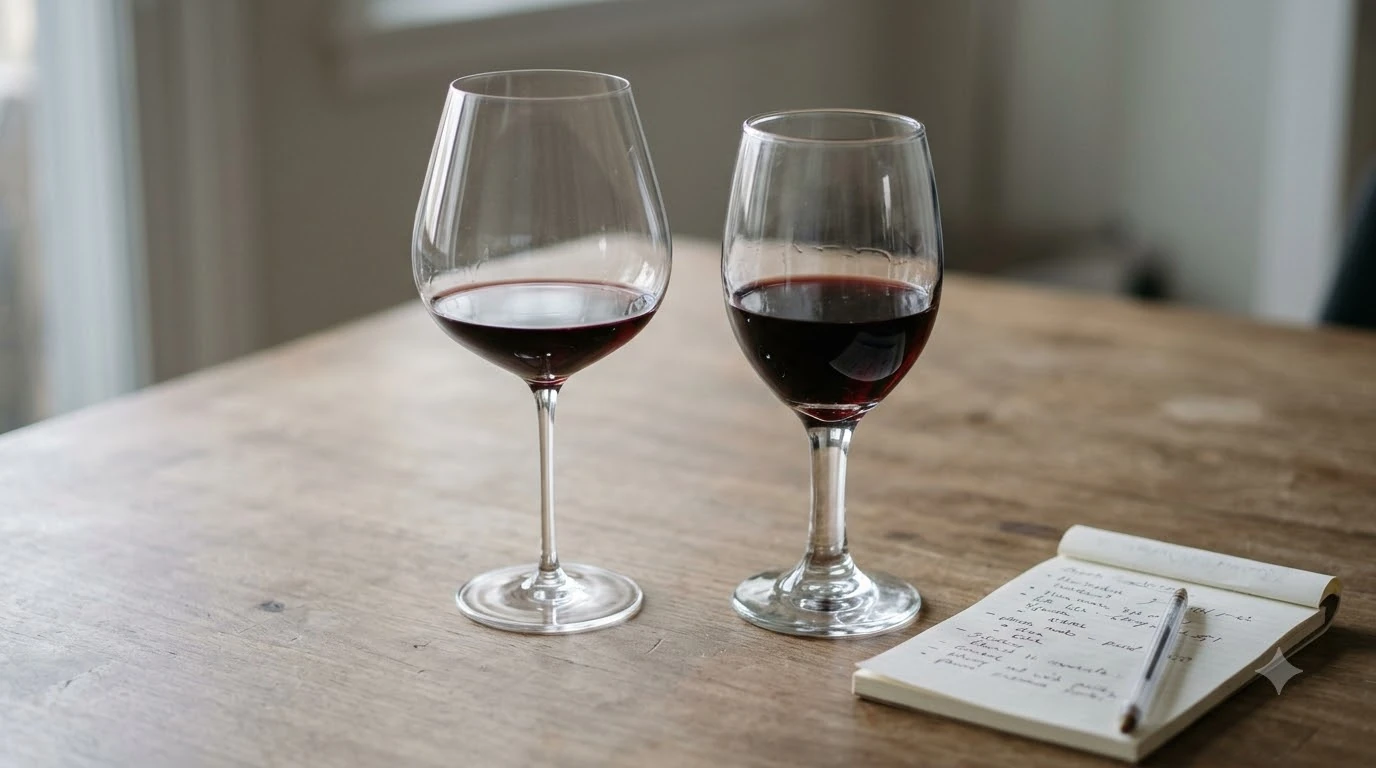
Riedel red wine glasses are a strong choice for drinkers who want a finely finished rim and a bowl shaped around particular red-wine styles. The range includes distinct Cabernet, Pinot Noir, Syrah, and other varietal-focused shapes rather than one universal red glass. The trade-off is that thin crystal needs sensible handling, and a large bowl can take up more cabinet and dishwasher space than a practical everyday glass.
Riedel is best understood as a family of glass shapes, not a single model. Its Vinum, Veritas, Veloce, Performance, and Extreme collections overlap in purpose but differ in profile, construction, and the wines they are intended to serve. This review looks at the useful distinctions, what buyers tend to appreciate, and the compromises to consider before choosing a pair.
Specs and Key Features
Riedel’s red-wine selection is built around varietal-specific bowls: a broad, rounded shape for aromatic Pinot Noir and a more upright profile for Cabernet and Merlot are two common examples. The details below use published specifications for individual models, because capacity and packaging vary by collection.
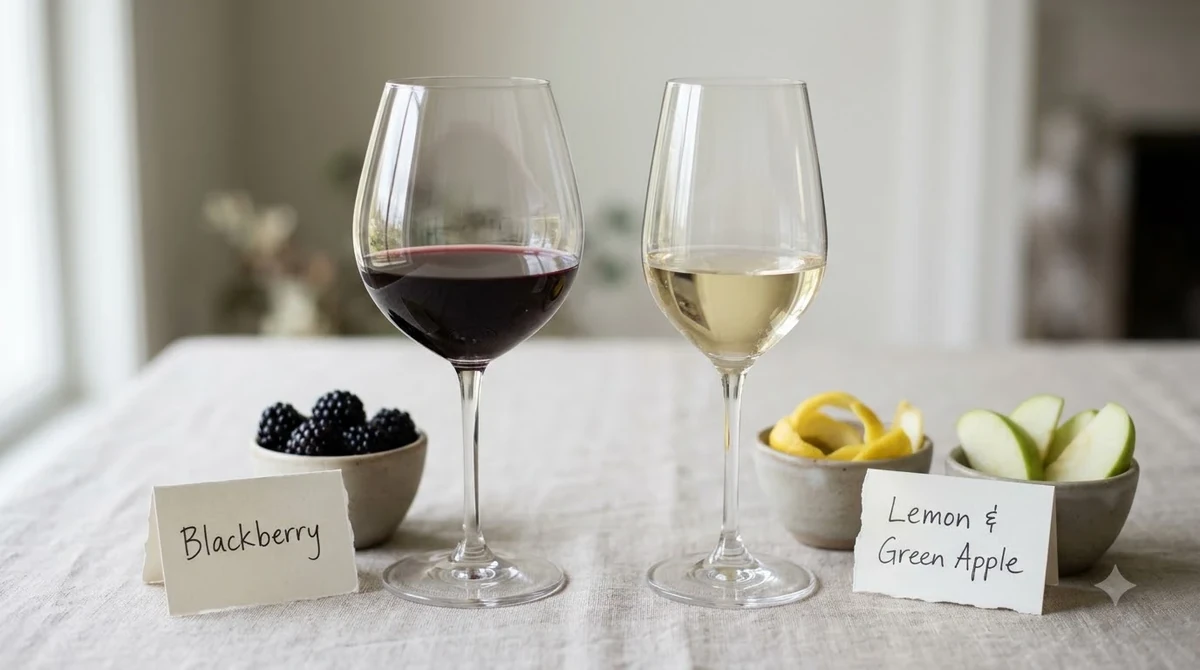
The clearest way to compare the range is to separate the construction from the bowl design. For example, Riedel describes Vinum Pinot Noir as premium machine-made crystal in a stemmed two-glass set, while its Extreme collection uses a diamond-like outline and was introduced in 2018. The table gives concrete examples without implying that every Riedel red glass shares identical measurements.
| Example | Published specifications | What the shape is for |
|---|---|---|
| Vinum Pinot Noir (Burgundy Red) | Crystal glass; premium machine-made; stemmed; set of 2 | Rounded, egg-shaped bowl for Pinot Noir, Burgundy reds, and other aromatic varieties |
| Veritas Old World Pinot Noir | 24.87 fl oz capacity; 4.25 in wide × 9.25 in high, as listed by Liquor.com | Large bowl for aromatic reds, including Pinot Noir and Gamay |
| Extreme collection | Line introduced in 2018; machine-produced crystal; dishwasher-safe | Wide bowl that tapers toward the rim, designed to emphasize fruit and softness in New World wines |
| Extreme Cabernet / Extreme Shiraz | Two named red-wine shapes in the Extreme range; two-piece packaging is listed for the Cabernet and Shiraz models | Separate options for fuller Cabernet-based wines and Syrah/Shiraz |
Capacity is not the amount to pour. A glass with a 24.87-ounce bowl still calls for a measured serving, leaving room above the wine so aromas can collect and the liquid can be swirled without spilling. The familiar 5-ounce pour is a practical starting point; the unused bowl space is part of the design rather than a signal to fill it to the rim.
Riedel’s product descriptions explain why the range has so many shapes: the Vinum Pinot Noir bowl is egg-shaped to give aromas room to develop, and the collection is positioned as premium machine-made crystal. Riedel also says Vinum was the first machine-made glass collection based on grape-variety characteristics. The company’s product page for the Vinum Pinot Noir glass lists its material, fabrication, and two-piece package.
What Owners Like
The strongest positive theme is the combination of a fine drinking edge, clear crystal, and a bowl with enough room for aromas. In retailer feedback covering 112 reviews of the wider Vinum collection, customers praise the design, perceived quality, comfortable feel, and the way the glass can bring out a wine’s aroma and taste; those comments are collection-wide, not a red-glass-only laboratory comparison.

That feedback fits the independent evaluation of the Riedel Veritas Old World Pinot Noir in Liquor.com’s red-wine glass comparison. Its reviewers highlighted the thin lip, clear appearance, circular bowl, and balanced feel in the hand. They also found the shape useful beyond one grape, reporting good results with Brouilly and younger Spätburgunder while discussing its suitability for aromatic reds such as Barolo and Barbaresco. Those are useful examples for buyers who drink more than one bottle style.
The bowl shape can make a practical difference during a tasting flight. Pouring the same Pinot Noir into a Pinot-shaped glass and a tall Cabernet glass can produce a noticeably different impression of aroma and palate. A CNA Luxury comparison of Riedel shapes recorded that a Pinot Noir tasted and smelled markedly different in a Cabernet Sauvignon glass. That does not mean the bowl changes the wine itself; it changes how the wine’s aromas reach the nose and how the liquid is directed as someone drinks.
Owners who enjoy a glass collection also tend to value the consistency of a matching set. Two or four matching glasses look orderly on a table, and a dedicated Pinot Noir or Cabernet shape gives guests an easy visual cue about which glass is intended for which pour. For people who regularly compare Burgundy, Napa Cabernet, and Syrah, keeping separate shapes can make a tasting more deliberate without requiring a full professional set for every grape.
Common Complaints
Fragility is the main compromise to consider, especially with thin-stemmed glasses and wide bowls. Liquor.com’s Veritas Pinot Noir review calls the glass delicate and notes that its 4.25-inch width and 9.25-inch height made it awkward to position in a dishwasher, while Vinum collection feedback also includes customers who describe the glasses as easy to break.
Dishwasher-safe should not be read as break-proof. Riedel says most of its glasses are dishwasher-safe, but it also identifies exceptions that are marked handwash-only or have no care instructions on the packaging. Its care guidance is to leave space between glasses so they do not touch one another or other items; a stemware rack can help keep them supported. A glass may tolerate a normal wash cycle and still crack if its rim or stem knocks against a plate, rack, or another glass.
The second complaint is the size of some red-wine bowls. A glass with more than 24 ounces of total capacity gives aromatic wine plenty of room, but it can feel oversized for a small table, a compact cabinet, or a dishwasher with a low upper rack. People who prefer a compact pour or who serve wine casually may find that the bowl looks dramatic without adding enough day-to-day value to justify the extra storage care.
Tip: For machine washing, place each glass in a stable stemware position with a gap around the bowl and stem. Do not let crystal touch neighboring dishes, and remove it carefully after the cycle rather than twisting a glass by its stem.
There is also a selection problem: a grape-specific glass is not automatically the best match for every red in the cellar. A Pinot Noir bowl can suit aromatic Gamay and some Nebbiolo-based wines, but it is not the shape every drinker will prefer for a concentrated Cabernet Sauvignon or Syrah. Buying a large set before deciding which bowl works for the wines served most often can leave expensive pieces underused.
Who Should Buy and Who Should Skip
Riedel is a good fit for drinkers who regularly serve two or three red-wine styles and care about how aroma and texture present in the glass. A household that often pours Pinot Noir, Cabernet Sauvignon, and Syrah can make sensible use of separate bowls, while someone who hosts guided tastings may appreciate the differences between a Pinot-shaped glass and a Cabernet-shaped glass.
It is also a strong choice for buyers who value thin crystal and a refined rim more than rugged handling. The Vinum line is a reasonable entry point for someone who wants varietal-specific stemware in a premium machine-made format; the Veritas Old World Pinot Noir is worth considering for a drinker whose cellar leans toward Burgundy, Gamay, and other aromatic reds. Extreme gives a buyer another direction, with its wide, tapering bowl and its Cabernet, Shiraz, and Pinot Noir options.
Skip a delicate, oversized model if the glasses will be used mainly at large parties, around young children, or in a busy kitchen where glassware is frequently moved and washed in a crowded sink. A sturdier all-purpose glass is usually the more practical choice for picnics, crowded gatherings, and everyday use where a single vessel must cover red, white, and rosé. There is little benefit in buying a specialist shape if it will spend most of its time stored away because you worry about breaking it.
Before choosing, think about how many pieces you actually need. A two-glass set suits a couple who usually open one bottle at a time; four matching pieces make more sense for a small dinner table. Measure the cupboard and dishwasher rack rather than assuming that a tall, broad-bowled glass will fit. For a wider comparison of bowl shapes and everyday options, the site’s guide to red wine glasses can help put Riedel’s specialist designs in context. Shoppers choosing a mixed set for red, white, and sparkling styles should also compare the broader range of wine glasses before committing to several grape-specific pairs.
How It Compares to Alternatives
Riedel’s main distinction is its extensive range of grape-focused shapes, while an all-purpose glass puts versatility ahead of matching a particular grape. That difference matters more than the logo: a drinker who often switches between Pinot Noir, Cabernet Sauvignon, and Syrah may value dedicated bowls, whereas a household that opens different wines casually may prefer one shape that is easy to store and replace.
Liquor.com’s red-glass comparison names Gabriel-Glas One for All StandArt Edition as its overall pick and Riedel Veritas Old World Pinot Noir as its varietal-specific choice. It also includes the Duralex Picardie Green tumbler as a stemless option and Schott Zwiesel PURE Burgundy among the glasses it considered for swirling. These are not identical products: the Gabriel-Glas is presented as an all-purpose alternative, the Duralex as a practical stemless format, and the Schott Zwiesel as another bowl-focused stemmed option.
For an all-purpose glass, the practical appeal is clear: fewer shapes to store, a simpler place setting, and less pressure to match a specific varietal. CNA Luxury’s comparison likewise argues against buying every Riedel shape; the writer describes using Cabernet, Syrah, and Pinot Noir glasses for those grapes, then reaching for an all-purpose glass when a Chianti is poured or a preferred glass is already in use. That is a useful way to build a collection in stages rather than purchasing every style at once.
Within Riedel, the choice is more about collection and profile than a simple good-better-best ladder. Vinum is positioned as premium machine-made crystal and includes a stemmed Pinot Noir two-pack; Veritas includes the Old World Pinot Noir shape that Liquor.com singled out for aromatic reds; Extreme has the angular, diamond-like bowl designed for fruit-forward New World wines. Riedel’s current red-wine selection also lists Performance Cabernet / Merlot, Vinum Cabernet Sauvignon / Merlot, Veloce Syrah / Shiraz, and Veloce Cabernet / Merlot. For those who prefer no stem, Riedel’s wider catalog includes a stemless red-wine option; it can be convenient for casual settings, but a stemless bowl warms more readily in the hand and gives less separation between fingers and wine. Readers weighing that trade-off can compare the site’s overview of stemless wine glasses before choosing between a tumbler and a traditional stem.
Frequently Asked Questions
These answers address details that are easy to overlook when comparing collections. Vinum Pinot Noir and Extreme Shiraz illustrate how Riedel differentiates grape-focused designs, and the details below help clarify care, compatibility, and range choices.
Was the Vinum collection developed through wine tastings?
Riedel says Georg J. Riedel developed Vinum through sensory workshops rather than by relying only on drawings. The idea was to let the bowl’s form follow how different grape varieties present their aromas and flavors.
Can a Pinot Noir glass also work for Nebbiolo?
Riedel’s Vinum Pinot Noir (Burgundy Red) product page includes Nebbiolo among its recommended grape varieties. That extends the manufacturer’s recommended use beyond the grape in the model’s name.
Does Riedel make a red-wine glass without a stem?
Riedel’s catalog includes The O Wine Tumbler Cabernet / Merlot, a stemless option for those who prefer a shorter glass. A tumbler can be easier to fit in some cupboards, but it does not keep a hand as far from the wine as a stemmed glass does.
Are Extreme glasses sold only in pairs?
No. In addition to two-glass consumer sets, Riedel’s Extreme collection page lists restaurant versions in 12-piece packs, including Pinot Noir and Cabernet models. Those larger formats are intended for higher-volume service rather than a small home tasting set.
Are all Riedel glasses safe for the dishwasher?
No. Riedel’s FAQ says most glasses are dishwasher-safe, but pieces labeled handwash-only or supplied without care instructions should be handwashed. The company says its dishwasher guidance was tested against EN 12875-1:2005 and EN 12875-2:2001.
Riedel red wine glasses make the most sense when the bowl is matched to the reds you actually pour and the crystal can be handled with care. Start with one or two shapes for favorite grapes, check the storage dimensions, and add more only when the difference earns its place at the table.
More in Wine Glasses
 Zwiesel Glas Champagne Flutes for Durable Everyday Sparkling WineUpdated Nov 20, 2026
 Vera Wang Crystal Wine Glasses: Design, Quality and Buying AdviceUpdated Nov 20, 2026
 West Elm White Wine Glasses: Compare Designs for Better Everyday Wine ServiceUpdated Nov 20, 2026
 Zalto Stemless Wine Glasses: Discover Their Distinctive DesignsUpdated Nov 20, 2026
 Viski Champagne Glasses That Match Your Style and Sparkling WineUpdated Nov 20, 2026
 Vista Alegre Decanter Review: Crystal Style and Wine ServiceUpdated Nov 20, 2026