

We may earn a commission when you buy through links on this page, at no extra cost to you. Learn more.
The red wine price range spans eight distinct retail tiers, moving from everyday value bottles produced at massive scale to rare, collectible icon bottlings from historic estates. Across the United States retail market, most casual weeknight drinking happens in the value and popular premium tiers, while cellar-worthy wines with distinct regional character occupy the super-premium and ultra-premium categories. Understanding how winemaking choices, vineyard land costs, and production volume shape these tiers helps shoppers identify where quality jumps significantly versus where prestige and scarcity drive the final tag.
Walking down a wine aisle can feel overwhelming when bottles of Cabernet Sauvignon or Pinot Noir sit side by side with wildly different tags. Because there is no universal legal definition for terms like “reserve” on many labels, knowing how the industry categorizes the Wine by Type landscape makes shopping far easier and ensures you get the exact style of wine you want for your table.
How the Industry Breaks Down the Red Wine Price Range
Wine educators and retail analysts divide the market into eight recognizable tiers based on production scale, grape sourcing, and aging methods. Each tier reflects a noticeable shift in how the fruit is farmed and how the wine is finished in the cellar.
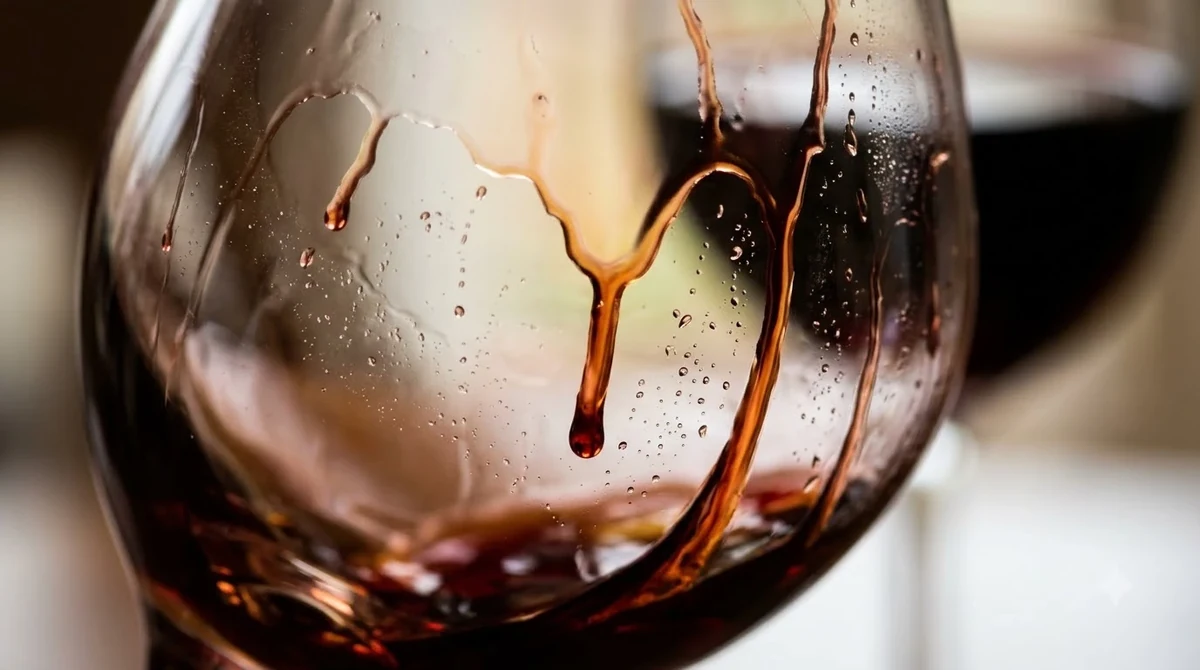
At the bottom of the spectrum sit the Extreme Value and Value tiers, which encompass bulk-produced wines designed for immediate consumption and consistent flavor from year to year. Producers at this level rely on high-yielding vineyards, mechanical harvesting, and stainless steel tanks rather than expensive oak barrels. To keep flavors approachable, winemakers often use oak chips or staves and leave a touch of residual sugar to mask green or unripe tannins.
Moving into the Popular Premium and Premium tiers marks the transition toward cleaner fermentation and recognizable varietal character. Here, grapes typically come from broader regional appellations—such as California’s Central Valley or basic regional designations in Spain and France—and begin to show true fruit profiles without heavy manipulation. Super-Premium and Ultra-Premium bottles represent the sweet spot for wine enthusiasts, offering hand-harvested fruit, smaller production runs, and authentic expressions of local soil and climate.
At the very top sit Luxury, Super-Luxury, and Icon wines, where production is strictly limited and vineyards are often farmed organically or biodynamically by hand. According to Wine Folly’s breakdown of wine pricing tiers, the Ultra-Premium category serves as the threshold for cellar-worthy bottles from producers of all sizes, while tiers beyond that point increasingly reflect diminishing returns driven by winery reputation and global demand.
| Market Tier | Typical Production Scale | Oak & Aging Approach | Primary Drinking Window |
|---|---|---|---|
| Extreme Value & Value | Massive, multi-region bulk blending | Stainless steel; oak chips or staves | Drink immediately upon release |
| Popular Premium | Large commercial wineries | Neutral oak or brief barrel contact | Within one to two years |
| Premium | Medium to large regional producers | Combination of used and new oak barrels | Within two to four years |
| Super-Premium | Medium to small estate-focused wineries | French or American oak barrels (12 to 18 months) | Three to eight years |
| Ultra-Premium | Small-lot, single-vineyard or top appellation | High proportion of new oak barrels | Five to fifteen years |
| Luxury, Super-Luxury & Icon | Micro-production, historic or cult estates | Extended barrel and bottle aging prior to release | Ten to thirty-plus years |
Key Factors That Drive Red Wine Costs
A bottle’s position within the red wine price range is dictated by tangible agricultural and logistical expenses long before it reaches a store shelf. Land valuation, oak barrel investments, and distribution taxes account for the vast majority of the gap between an everyday table red and a collector’s bottle.
The single largest variable is the cost of vineyard land and farming labor. As tastings director Keith Beavers explains in VinePair’s guide to wine pricing, premier agricultural land in celebrated regions like Burgundy or Napa Valley commands millions per hectare, whereas broader regional land costs a tiny fraction of that amount. Steep hillsides and older, low-yielding vines require manual pruning and hand-picking, multiplying labor hours compared to flat, machine-harvested valley floors.
Cellar materials and time add another major layer of expense. New French oak barrels are costly investments that can only impart strong vanilla, cedar, and baking spice flavors for two or three vintages before becoming neutral. Furthermore, holding red wine in a temperature-controlled cellar for two to three years before release ties up a winery’s capital and storage space, whereas value-tier reds are bottled and sold within months of the autumn harvest.
Finally, packaging and the American three-tier distribution system compound the base production cost. Heavy glass bottles, natural corks, shipping containers, import tariffs, and markups from both wholesale distributors and retail shops all multiply the winery’s original release price before a consumer ever picks up the bottle.
How Grape Varieties and Regions Shift the Scale
Different red grape varieties naturally cluster in distinct segments of the market due to how finicky they are to grow in the vineyard. Additionally, famous appellations carry built-in premiums compared to emerging regions producing similar styles.
Thin-skinned, temperamental grapes like Pinot Noir require cool climates, careful canopy management, and gentle handling in the winery to avoid harsh bitterness. Consequently, even entry-level Pinot Noir from Oregon’s Willamette Valley or California’s Sonoma Coast sits higher on the scale than hardy, high-yielding varieties like Merlot, Zinfandel, or Syrah grown in warm, sunny climates. Similarly, examining the cabernet sauvignon price range reveals a sharp divide between approachable, warm-climate bottles and structured, mountain-grown versions from Napa Valley.
Geography plays an equally decisive role in determining value. In historic European regions like Bordeaux, classic classifications divide estates into tiers that dictate global demand, though lesser-known satellite appellations surrounding famous villages offer remarkably similar flavor profiles at far gentler tiers. Regions in Spain, Portugal, Argentina, and southern Italy consistently deliver rich, complex reds in the Premium and Super-Premium brackets because land and labor costs remain lower than in coastal California or northern France.
Tip: Look for bottles from satellite appellations right next door to famous regions—such as Côtes de Bordeaux instead of Pauillac, or Sonoma County instead of Napa Valley—to get similar climate and winemaking styles at a much lower tier.
What Actually Changes in the Glass as You Move Up
Stepping up from an everyday bottle to a Super-Premium or Ultra-Premium red alters the wine’s texture, aromatic complexity, and finish rather than simply making it taste stronger. Recognizing these sensory differences helps you decide when spending more aligns with your personal palate.
In the Value and Popular Premium brackets, red wines emphasize primary fruit flavors—bright cherry, plum, or blackberry—with soft acidity and smooth, simple textures. They are engineered to taste consistent and pleasant immediately upon opening, without needing decanting or food to tame rough edges. However, the flavors often fade quickly on the palate, leaving a short finish.
Moving into the Super-Premium and Ultra-Premium tiers introduces structural tension and layered aromas. Because yields are lower, the grapes develop thicker skins and higher concentrations of natural tannins and acidity. Instead of tasting purely like fresh fruit, the wine reveals secondary notes from fermentation and oak aging—such as leather, dried herbs, cocoa, tobacco, and crushed rock—alongside a lingering finish that evolves in the glass over several hours. Much like exploring the champagne price range, jumping to these higher tiers rewards slower sipping and thoughtful food pairings.
Smart Ways to Find Value Across Every Tier
Finding the best bottle for your needs means matching the wine’s structural tier to the occasion rather than assuming a higher tag always guarantees a better experience. A massive, age-worthy Ultra-Premium red can actually taste tight, astringent, and underwhelming if opened too young on a Tuesday night without decanting.
For casual weeknight meals, focus on regions known for high-value farming and indigenous grapes. Spanish Garnacha, Argentine Malbec, Portuguese red blends, and Italian Chianti Classico routinely outperform their tier because local production costs stay low while quality standards remain strict. Just as shoppers explore the cava price range for affordable sparkling quality, looking toward Iberian and South American reds yields vibrant, food-friendly bottles without luxury markups.
When shopping for a special dinner or celebration, look closely at vintage quality and producer reputation rather than relying solely on recognizable brand names. In exceptional harvest years, even mid-tier bottles from respected family estates achieve remarkable balance and depth, while difficult, rainy vintages can challenge even the most famous luxury labels. Reading the back label for specific vineyard names, estate-bottled designations, and natural cork closures provides reliable clues that extra care went into the bottle.
Frequently Asked Questions
Does a higher spot in the red wine price range always mean better quality?
Not necessarily, especially once you move past the Ultra-Premium tier into Luxury and Icon bottles. While stepping up from Value to Super-Premium brings clear improvements in grape quality, lower yields, and real oak aging, the highest tiers are heavily driven by brand prestige, tiny production quantities, and collector demand rather than linear jumps in flavor.
Why is Pinot Noir usually more expensive than other red wines?
Pinot Noir has thin skins and grows in tight clusters, making it highly susceptible to rot, frost, and sunburn in the vineyard. Because it requires cool climates, lower crop yields, and careful hand-harvesting to produce balanced wine, production costs are higher than for hardier grapes like Syrah or Malbec.
What is the biggest difference between a Value red and a Super-Premium red?
Value reds are typically made from high-yield vineyards using mechanical harvesting, stainless steel tanks, and oak alternatives to create a soft, consistent, fruit-forward taste. Super-Premium reds rely on lower-yielding vineyards, genuine oak barrels, and gentler extraction, resulting in greater complexity, firmer tannins, and a much longer finish.
How can you tell if a red wine needs to be aged before drinking?
Wines built for aging usually come from the Ultra-Premium or Luxury tiers and feature high levels of natural tannins, vibrant acidity, and concentrated fruit from structured varieties like Cabernet Sauvignon, Nebbiolo, or Syrah. Most Value, Popular Premium, and Premium bottles are crafted to be fully approachable right upon release and will not improve with years in a cellar.
Understanding the red wine price range becomes straightforward once you recognize how vineyard land, oak aging, and regional reputation shape every tier. Whether you are grabbing a bright, easy-drinking bottle for a casual pasta dinner or investing in a structured, cellar-worthy red for a milestone celebration, matching the tier to the occasion ensures you always get maximum enjoyment in the glass.
More in Wine Types & Grapes
 Zinfandel Sugar Content: Dry Red vs. White Zinfandel GramsUpdated Nov 21, 2026
 Best Zinfandel Substitute Options for Sipping and CookingUpdated Nov 21, 2026
 Zweigelt Food Pairing: Best Dishes, Cheeses, and Serving TipsUpdated Nov 21, 2026
 Zinfandel Tannins Explained: How Structure Shapes Every BottleUpdated Nov 21, 2026
 Zinfandel Sweetness Level: Dry Red vs. Sweet White Zin ExplainedUpdated Nov 21, 2026
 Xinomavro Food Pairing: Best Dishes, Styles, and Serving TipsUpdated Nov 21, 2026