


We may earn a commission when you buy through links on this page, at no extra cost to you. Learn more.
RCR stemless wine glasses are a stylish, practical choice for everyday wine drinking and entertaining, particularly if you prefer Italian-designed glassware without traditional stems. RCR offers several stemless options, including the Timeless Stemless Glass T45 and Aria Stemless Wine/Water glass. Their crystal construction, generous capacities and easy-care features make them appealing for casual dining, although their broad, stem-free designs have some limitations for temperature-sensitive wines and formal tasting.
RCR Cristalleria Italiana is a glassware manufacturer with collections designed for both home entertaining and professional hospitality. Its stemless options combine decorative presentation with practical everyday use. However, the name RCR covers multiple collections, and the differences between models matter when choosing glasses specifically for wine. This review examines the available specifications, construction, practical advantages, potential drawbacks and alternatives to help determine whether RCR stemless glassware belongs in your cabinet.
Specs and Key Features
RCR stemless glassware focuses on combining visual appeal with versatility, although its different models have distinct proportions and capacities. The Timeless T45 is a particularly useful example because RCR publishes its measurements, capacity, intended applications and care information directly.
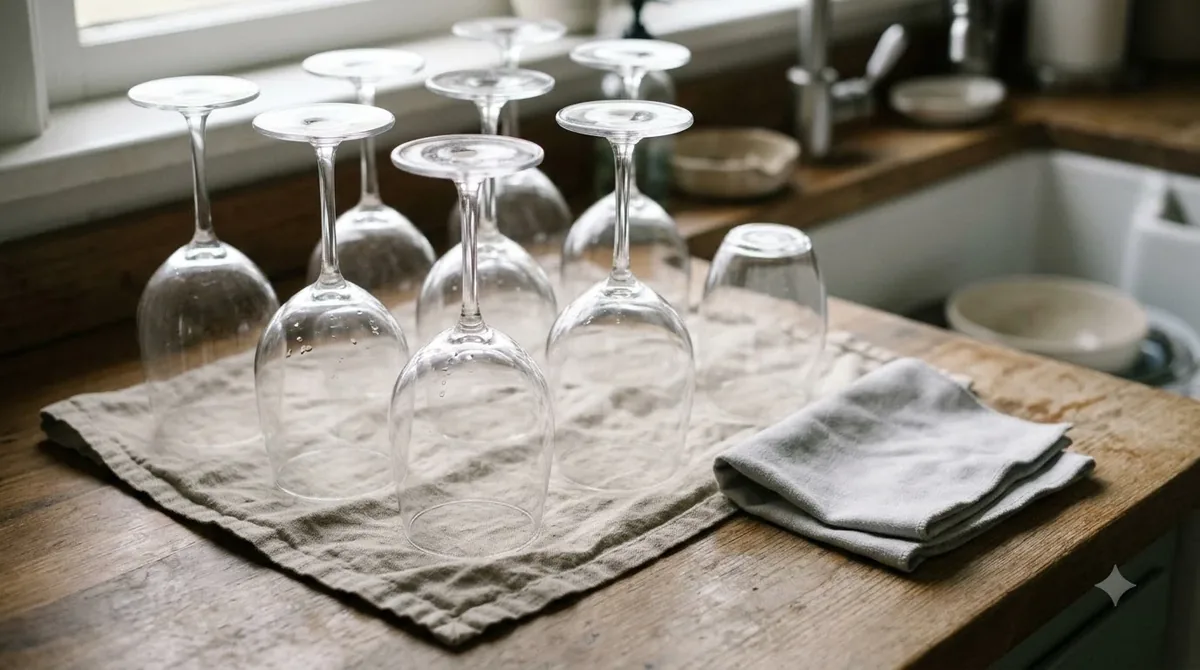
The Timeless Stemless Glass T45 has a listed capacity of 45 cl, or approximately 15.2 fluid ounces. It measures 131 mm tall, and RCR lists its diameter as 197 mm. That diameter is unusually important when evaluating the glass because it affects cabinet storage, grip comfort and the amount of counter space required. The manufacturer also identifies the model as suitable for tableware and mixology, with water, cocktails, cognac and whisky among its intended uses.
Another relevant option is the RCR Aria Stemless Wine/Water glass. Limolin lists this model at 390 ml, approximately 13.2 fluid ounces, with dimensions of 8.9 cm in diameter and 9 cm in height. Its shorter profile gives it a different appearance and handling experience from the taller Timeless T45.
The following table separates manufacturer-listed specifications from retailer-listed information. This distinction matters because measurements and capacities should not automatically be transferred between RCR collections.
| Specification | Timeless Stemless T45 | Aria Stemless Wine/Water |
|---|---|---|
| Listed capacity | 450 ml (15.2 oz) | 390 ml (13.2 oz) |
| Height | 131 mm | 90 mm |
| Diameter | 197 mm listed | 89 mm |
| Material | Not specified on the individual product page | Luxion Eco Crystal |
| Pack quantity | 6 pieces per box | Set of 6 |
| Care | Dishwasher safe | Dishwasher safe |
| Intended applications | Tableware and mixology | Wine and water |
| Country of origin | Italy, according to RCR’s Made in Italy description | Italy, according to retailer listing |
One specification deserves particular attention: the published 197 mm diameter for the Timeless T45 is substantially larger than the 89 mm diameter listed for Aria. Buyers should verify the dimensions with the seller before ordering, especially if cabinet space is limited. A broad glass can be attractive on a dining table but may be less convenient for people with smaller hands.
The material information also requires careful interpretation. RCR identifies the T45 as resistant, brilliant and dishwasher safe, but its individual product page does not explicitly name the material composition. The Aria retailer listing, by contrast, specifically identifies Luxion Eco Crystal. These distinctions prevent assumptions about one collection being applied to every other RCR model.
For a wider look at different shapes and manufacturers, the site’s guide to wine glasses provides useful context for comparing stemmed and stemless designs.
What Owners and Product Descriptions Like
The strongest appeal of RCR stemless glassware is its combination of decorative presentation and everyday versatility. The manufacturer’s descriptions and retailer product information emphasize transparency, durability, dishwasher convenience and applications beyond wine, making these glasses useful for households that prefer multifunctional drinkware.
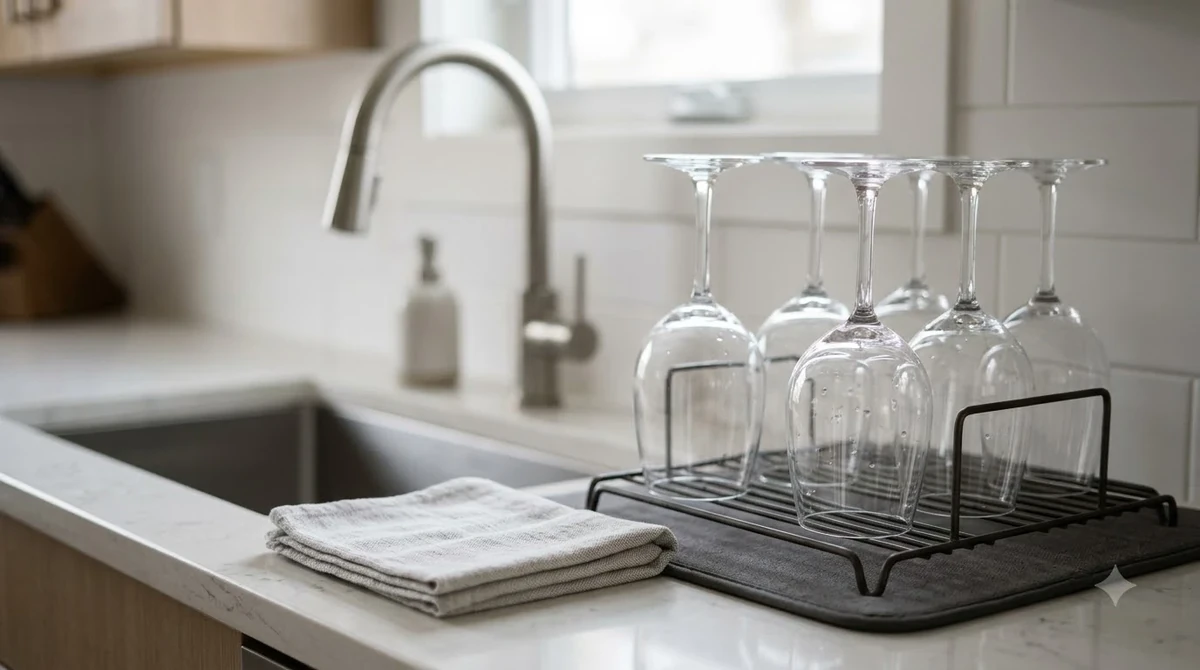
RCR describes the Timeless T45 as transparent, resistant and brilliant. These characteristics are relevant to wine service because clear glass allows the drink’s color to remain visible. A glass that also looks attractive with water, cocktails or spirits can be useful when the dining table serves several purposes throughout the evening.
The Aria model has additional material information. Limolin identifies its construction as Luxion Eco Crystal and describes it as thin, blown glass. Its description also emphasizes the clarity of the material and the conical shape of the bowl. The wider lower section provides a useful viewing area for observing color differences in red, white and rosé wines.
Convenient for regular entertaining
Stemless glasses remove one of the more vulnerable parts of traditional wine glassware: the narrow stem. This changes the way a glass sits on a table and makes it easier to move around during informal gatherings. There is no long stem to catch against a chair, serving tray or another glass when guests are reaching across a crowded dining area.
The Spruce Eats explains that stemless designs have a low center of gravity, making them less likely to tip over than traditional stemmed glasses. That practical characteristic is one reason the format appeals to people who regularly entertain guests or prefer casual dining arrangements.
RCR’s six-piece packaging is also useful for households that want matching glasses rather than purchasing individual replacements. Six glasses provide enough capacity for a small dinner gathering, while the matching appearance creates a consistent presentation across the table.
Dishwasher-friendly convenience
Cleaning requirements can determine whether glassware gets used every day or remains reserved for special occasions. RCR identifies the Timeless T45 as dishwasher safe, while Limolin also lists dishwasher compatibility for Aria.
The Aria description goes further by reporting testing across more than 4,000 professional dishwasher cycles. This is a retailer-reported durability claim, not a guarantee that every glass will survive unlimited washing in every domestic dishwasher. Nevertheless, it provides useful context for buyers who prioritize convenient cleaning.
Dishwasher compatibility is particularly attractive for larger households, where washing multiple glasses by hand after dinner can become inconvenient. It also makes the stemless format practical for people who use matching glasses for several different beverages.
There is an important distinction between dishwasher safety and complete resistance to damage. Glasses can still experience scratches, cloudy surfaces, chips or breakage if they collide with cookware or other dishes. Careful loading remains important even when a manufacturer approves machine washing.
Common Complaints and Limitations
RCR stemless glasses offer several practical benefits, but their design is not ideal for every wine drinker. Temperature management, bowl proportions, grip comfort and model-specific dimensions deserve consideration before purchasing a complete set.
Hands warm the wine
The most significant limitation of any stemless wine glass is the direct contact between the drinker’s hand and the bowl. A traditional stem provides a natural gripping point that keeps fingers away from the wine. A stemless glass removes that separation.
This becomes noticeable with chilled wines. Sauvignon Blanc, Riesling and sparkling wine are generally served cooler than most red wines. Holding a stemless glass continuously can gradually warm the contents, reducing the freshness that makes these styles enjoyable.
For example, light whites and rosé are generally served around 45 to 50 degrees Fahrenheit, while sparkling wines are commonly served around 40 to 50 degrees Fahrenheit. A stemless glass does not prevent proper service, but drinkers should avoid keeping their hands around the bowl for extended periods.
Large dimensions may affect comfort
The published Timeless T45 dimensions deserve a closer look before buying. Its 131 mm height and listed 197 mm diameter create a different handling profile from the compact Aria glass, which is listed at 90 mm high and 89 mm wide.
A broad bowl may provide an attractive presentation, but it can be uncomfortable for people with smaller hands. The glass may also require more space between neighboring pieces in a cupboard. Buyers should not assume that every stemless model from the same manufacturer will have a similar footprint.
Stemless does not mean unbreakable
Glassware without stems can avoid a common source of breakage, but the bowl itself remains vulnerable to impact. A dropped glass, a hard collision against a sink or pressure from tightly packed dishes can still cause damage.
The Aria product description characterizes its Luxion Eco Crystal construction as resistant, but this should not be interpreted as a shatterproof guarantee. Buyers seeking genuinely impact-resistant outdoor drinkware should consider specialized plastic alternatives rather than assuming crystal glassware can withstand rough handling.
Not every model is optimized for wine tasting
RCR’s Timeless T45 is officially described for water, cocktails, cognac and whisky as well as general tableware. That broad positioning makes it versatile, but it does not establish that the glass has a specialized wine-tasting shape.
Dedicated red wine glasses often have broader bowls that provide room for swirling and allow aromas to develop. White wine glasses generally use more restrained proportions to help preserve freshness. A multipurpose stemless tumbler can serve both categories, but it may not provide the same specialized experience as dedicated glassware.
For shoppers who mainly drink Cabernet Sauvignon, Merlot or Pinot Noir, comparing dedicated red wine glasses can help determine whether a multipurpose RCR model provides enough room for the wine styles they enjoy.
Who Should Buy and Who Should Skip
RCR stemless glasses make the most sense for people who want attractive, versatile drinkware for everyday use and informal entertaining. They are less compelling for buyers who prioritize precise temperature control, specialized wine tasting or particularly delicate stemware proportions.
Who should consider buying
Casual wine drinkers: People who enjoy a glass of wine with dinner without following formal tasting routines may appreciate the straightforward handling of a stemless design. The absence of a stem makes the glass easy to move between the kitchen, dining table and living room.
Frequent entertainers: A six-piece set creates a consistent table setting for small gatherings. Stemless glassware also removes the fragile stem that can catch on table edges or collide with other glasses during busy dinner service.
Multifunctional drinkware buyers: RCR explicitly identifies the Timeless T45 for several beverage categories. Buyers who want one design for water, cocktails, whisky and occasional wine service may find that versatility particularly useful.
People who prefer contemporary table settings: The shorter silhouette can create a relaxed appearance compared with traditional stemmed glassware. This works especially well with casual dinnerware, modern table settings and informal gatherings.
Who should consider another style
Serious wine tasters: People who regularly compare wine aromas, acidity and structure may prefer dedicated stemmed glasses. A specialized bowl shape can make swirling easier and help separate the hand from the wine.
People who mainly serve chilled wine: If sparkling wine, Albariño, Sauvignon Blanc and other chilled styles dominate the menu, traditional stemmed glassware offers a practical temperature advantage.
Buyers with limited storage: The listed Timeless T45 diameter makes checking cabinet measurements especially important. A compact design may be more convenient if glasses must fit into narrow shelves or crowded cupboards.
People seeking unbreakable glassware: RCR crystal should not be confused with flexible, shatter-resistant plastic drinkware. For picnics, camping or areas where broken glass is a particular concern, a suitable non-glass alternative may be more appropriate.
Tip: If chilled white wine is your main choice, chill the bottle before serving and avoid holding a stemless glass continuously. Setting it down between sips helps limit the effect of hand warmth.
How It Compares to Alternatives
RCR stemless glassware occupies a useful middle ground between decorative everyday tumblers and specialized wine glasses. Its main appeal is versatility, while competing designs may offer more targeted proportions for particular wine styles or different levels of durability.
RCR versus Riedel O Wine Tumblers
The Spruce Eats identifies the Riedel O Wine Tumbler Cabernet/Merlot as its best overall stemless wine glass. The publication lists a capacity of 21.2 ounces and describes the shape as versatile enough for several wine styles. Its stemless wine glass comparison and buying guide also discusses the handling advantages and temperature-related drawbacks of stemless designs.
Compared with the 15.2-ounce Timeless T45, that capacity provides additional space. It can be useful for drinkers who prefer swirling fuller-bodied reds, although the larger dimensions may be less convenient for people with smaller hands.
RCR’s strongest distinction is its broader tableware and mixology positioning. Its Timeless T45 is not marketed exclusively as a wine glass, which may appeal to buyers who want one consistent design for several beverages.
RCR versus Govino Go-Anywhere
Govino represents a different approach to stemless drinkware. The Spruce Eats describes its Go-Anywhere glasses as flexible, lightweight and virtually shatterproof, making them useful for outdoor situations where conventional glassware is less appropriate.
RCR and Govino therefore serve different priorities. RCR emphasizes clear glass presentation and a more traditional dining-table appearance, whereas Govino prioritizes portability and resistance to accidental breakage.
Dishwasher care also differs. The Spruce Eats notes that Govino glasses can warp in dishwashers, while RCR identifies its Timeless T45 as dishwasher safe. This is an important distinction for households that prefer machine cleaning.
RCR versus traditional stemmed wine glasses
Stemmed glasses remain a strong choice for people who want more control over wine temperature. Holding the stem rather than the bowl limits direct heat transfer from the hand and allows the drinker to swirl the wine without gripping the drinking surface.
Stemless glasses, by contrast, are easier to incorporate into casual dining and multifunctional table settings. They also eliminate the fragile stem, although the glass bowl can still break if dropped or struck against a hard surface.
The right choice depends on the intended use. A household that serves different drinks throughout the week may appreciate RCR’s multipurpose designs, while a dedicated wine enthusiast may prefer separate glasses for different grapes and wine styles.
For a broader comparison of manufacturers and glassware designs, the Glassware Brands section offers another starting point for evaluating available options.
Frequently Asked Questions
Are RCR stemless wine glasses made from lead-free crystal?
RCR’s Aria listing identifies its material as Luxion Eco Crystal, but the individual Timeless T45 page does not provide a detailed chemical composition. The product-specific material description should therefore be distinguished from assumptions about the entire brand’s range. Buyers who require a particular material certification should request confirmation for their exact model.
Can RCR stemless glasses be used for sparkling wine?
They can hold sparkling wine, but a broad tumbler is not the most effective shape for preserving visible bubbles. A traditional flute or a narrower sparkling wine glass generally keeps the drink’s presentation more focused. RCR also offers dedicated flute designs within its wider glassware range.
How much wine should be poured into an RCR stemless glass?
A standard restaurant wine serving is approximately 5 ounces, even when the glass has a much larger total capacity. Leaving additional room allows the wine to move without spilling and provides space for swirling. A 750 ml bottle contains approximately five standard 5-ounce servings.
Can stemless crystal glasses develop cloudy surfaces?
Yes. Mineral deposits from hard water and repeated contact with detergents can contribute to cloudy glassware. Rinsing glasses promptly, avoiding excessive detergent and following the manufacturer’s cleaning recommendations can help maintain their appearance. Permanent surface damage may not respond to ordinary washing.
Are RCR stemless glasses suitable for professional restaurant service?
RCR’s Timeless collection is presented for restaurant, venue and home table settings, and its product range includes drinkware intended for hospitality applications. However, the T45’s individual product page does not establish a specific commercial-service warranty or replacement policy. Restaurants should confirm supply arrangements and replacement availability before purchasing large quantities.
RCR stemless wine glasses are worth considering if Italian-designed drinkware, dishwasher convenience and multifunctional everyday use matter more than specialized wine-tasting proportions. The Timeless T45 offers a larger-capacity option, while Aria provides a more compact wine-and-water format with explicitly identified Luxion Eco Crystal construction. Compare the exact model dimensions and intended applications before ordering, and choose stemmed glassware instead if maintaining chilled wine temperatures and specialized tasting performance are your main priorities.
More in Wine Glasses
 Spiegelau Crystal Wine Glasses That Bring Clarity to Every PourUpdated Nov 21, 2026
 Zalto Crystal Wine Glasses: Are They Worth the Investment?Updated Nov 21, 2026
 Villeroy And Boch White Wine Glasses for a More Cohesive TableUpdated Nov 21, 2026
 Zalto Wine Glasses On Sale: Find the Right Denk’Art GlassUpdated Nov 21, 2026
 Zwiesel Glas Champagne Glasses: Features, Quality and Buying AdviceUpdated Nov 21, 2026
 Zwiesel Glas Decanter Review: A Durable, Elegant Choice for Wine ServiceUpdated Nov 21, 2026