

We may earn a commission when you buy through links on this page, at no extra cost to you. Learn more.
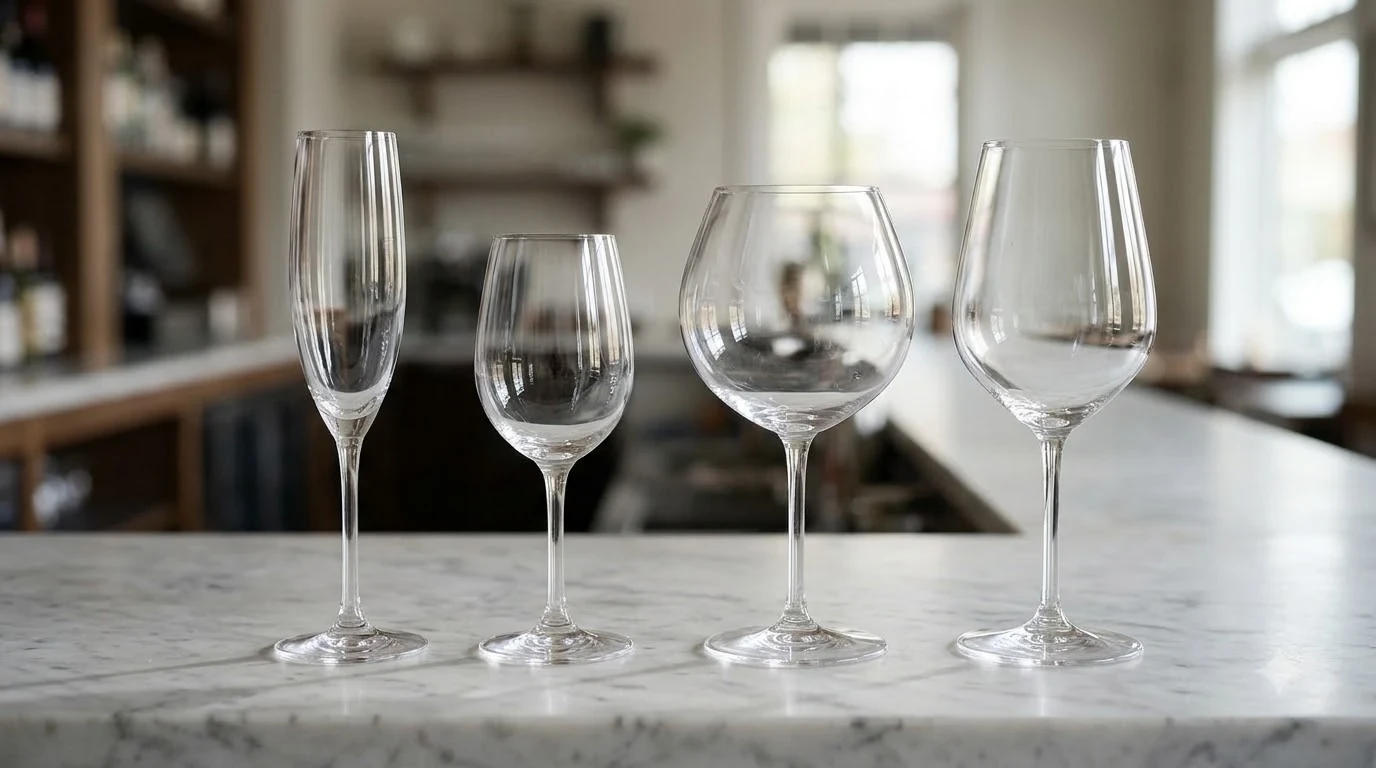
Ravenscroft wine glasses are a worthwhile choice for wine drinkers who want lightweight, lead-free crystal stemware with specialized shapes and traditional craftsmanship. The brand offers several collections, including Vintner’s Choice, Classics, Invisibles and Amplifier, covering everything from everyday red and white wines to more specialized tasting occasions. Their main advantages are the variety of bowl designs, elegant presentation and emphasis on lead-free crystal; the main trade-offs are delicate construction, hand-washing requirements for many models and the need to choose carefully between different glass shapes.
Choosing wine glasses involves more than picking an attractive set for the dining room. Bowl proportions influence how aromas collect, the opening affects how wine reaches the nose and mouth, and the stem changes how easily you can hold the glass without warming the wine. Ravenscroft has developed a broad selection for people who appreciate these details but do not necessarily want to buy several unrelated brands of stemware. Its catalog includes varietal-specific glasses, tasting vessels, stemless options and more elaborate crystal designs. This review examines the company’s construction, product families, practical advantages and limitations to help determine whether Ravenscroft belongs in your glassware collection.
Specs and Key Features
Ravenscroft’s strongest selling points are its lead-free crystal, broad selection of wine-specific designs and combination of handmade and machine-made glassware. The company emphasizes lightweight, transparent stemware, while its catalog gives shoppers several ways to match a glass to the wine they usually serve.
Ravenscroft is an established specialist in crystal wine and spirits glassware. According to the company’s official company history and design information, founder Stephen Falango proposed a dedicated line of wine-specific stemware and decanters in spring 1999. Its design philosophy focuses on making the glass visually unobtrusive while allowing the wine’s aromas and flavors to remain central to the experience.
The material is another important consideration. Ravenscroft states that its products are lead-free crystal. This is useful information for shoppers comparing traditional crystal with contemporary alternatives. Lead-free crystal can provide the clarity and refined appearance associated with crystal glassware without relying on lead oxide in its composition.
The manufacturing approach is not identical across the entire catalog. Ravenscroft says most of its products are handmade, although it also sells machine-made options. Almost all of its products are manufactured at a factory in Poland that the company describes as 125 years old. Buyers should therefore avoid assuming that every Ravenscroft glass has precisely the same production method or care requirements.
| Feature | Ravenscroft offering | What buyers should know |
|---|---|---|
| Material | Lead-free crystal | Designed for clarity and an elegant appearance |
| Manufacturing | Handmade and machine-made options | Construction varies by product |
| Manufacturing location | Almost all products made in Poland | Confirmed by the manufacturer’s FAQ |
| Collection families | At least 5 named families | Includes Vintner’s Choice, Classics, Invisibles, Amplifier and R.Croft |
| Glass formats | Stemmed and stemless | Includes varietal-specific and tasting designs |
| Care | Hand-washing recommended for most fine handmade crystal | Some machine-made models are dishwasher-safe |
| Typical serving size | 5 ounces of wine | A standard 750 ml bottle provides approximately 5 glasses |
The product range is extensive enough that comparing individual designs matters more than relying on the brand name alone. A Bordeaux glass, for example, has a different purpose from a small INAO tasting glass. The former provides room for swirling and aromatic development, while the latter prioritizes a compact, standardized tasting format.
Ravenscroft also offers different levels of visual refinement. Some collections emphasize simple, practical stemware, while others are intended to create a more formal presentation. This makes the catalog useful for households that want to coordinate everyday wine glasses with more specialized pieces for dinner parties.
What Owners and Wine Professionals Like
The most appealing aspects of Ravenscroft glassware are its lightweight feel, selection of wine-specific shapes and restrained crystal appearance. Its specialized tasting glass also has a documented place in restaurant service, showing that the brand’s catalog is not limited to decorative household stemware.
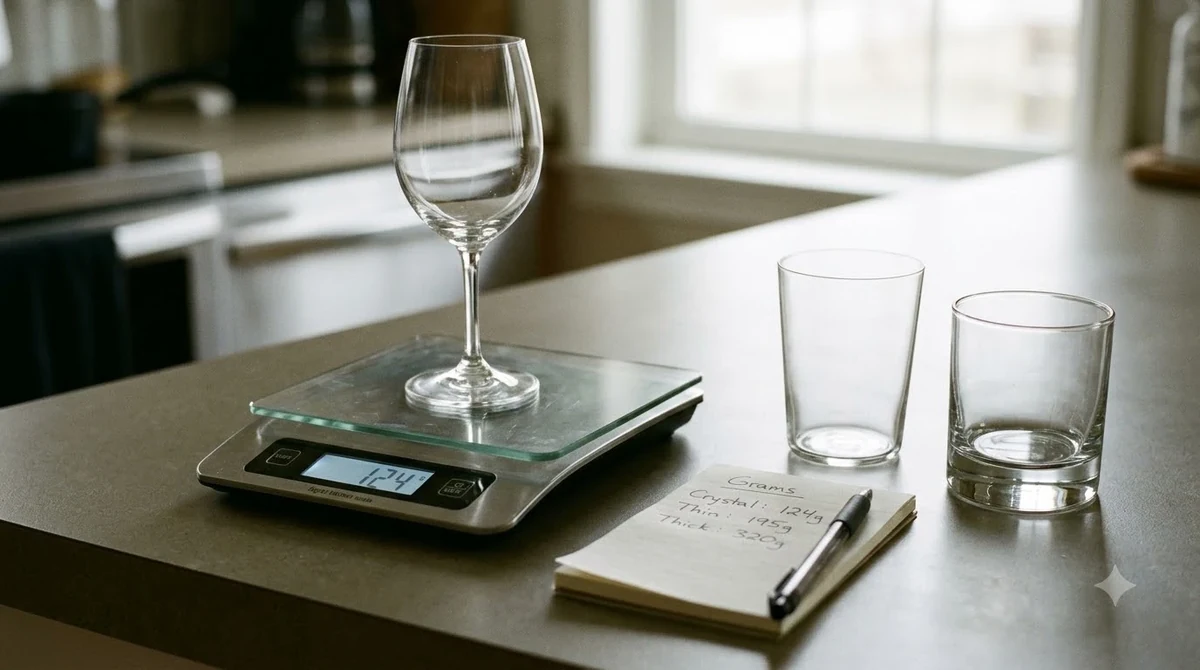
An older review published by Partners In Wine Club specifically praised the lightweight construction and appearance of Ravenscroft Chardonnay and Bordeaux glasses. The reviewers described having enough room to swirl wine and highlighted the relatively light feel compared with some heavier alternatives. That review is limited in scope and dates from 2010, so it should be treated as historical owner-style feedback rather than a current, comprehensive product assessment.
The broader design philosophy makes sense for wine drinkers who appreciate a thin, transparent vessel. A glass should not dominate the visual experience, and a well-proportioned bowl gives wine room to move during swirling. This can help release aromatic compounds and direct them toward the opening of the glass.
Ravenscroft’s variety of shapes is another advantage. Cabernet Sauvignon drinkers can choose a Bordeaux-style design, while Pinot Noir enthusiasts can look for a Burgundy bowl. White wine drinkers have options for Chardonnay, Riesling and Sauvignon Blanc. Instead of purchasing a single generic set and accepting its compromises, shoppers can select glasses around their regular drinking habits.
The INAO tasting glass has a practical purpose
One particularly interesting product is Ravenscroft’s INAO Type Tasting Glass. The design belongs to a recognized tasting-glass tradition rather than a decorative category. Wine Enthusiast explains that the standard INAO/ISO format is approximately seven ounces in total capacity, stands just over six inches tall and has a small tulip-shaped bowl.
In its reporting on modern wine-bar glassware, Wine Enthusiast notes that Cellar Door Provisions in Chicago uses an INAO glass from Ravenscroft for digestivi and smaller servings of wine. This provides a useful example of how the format works in actual restaurant service. The compact shape is convenient for smaller pours, tasting flights and situations where storage space matters.
There are limitations, however. A smaller bowl offers less room for swirling than a larger Burgundy or Bordeaux glass. Wine Enthusiast also reports that some sommeliers prefer larger glasses because they provide a more expressive experience in terms of texture and how wine spreads across the palate. The best format depends on the intended use rather than a universal ranking of glass sizes.
For home buyers, this variety means Ravenscroft can serve both casual and more formal wine-drinking occasions. A set of tasting glasses can complement a larger set of red or white wine glasses without requiring a completely different glassware brand.
Common Complaints and Practical Limitations
Ravenscroft’s refined crystal construction is not automatically the right choice for every household. Fragility, cleaning requirements, collection differences and the possibility of handmade variations deserve attention before buying a complete set.
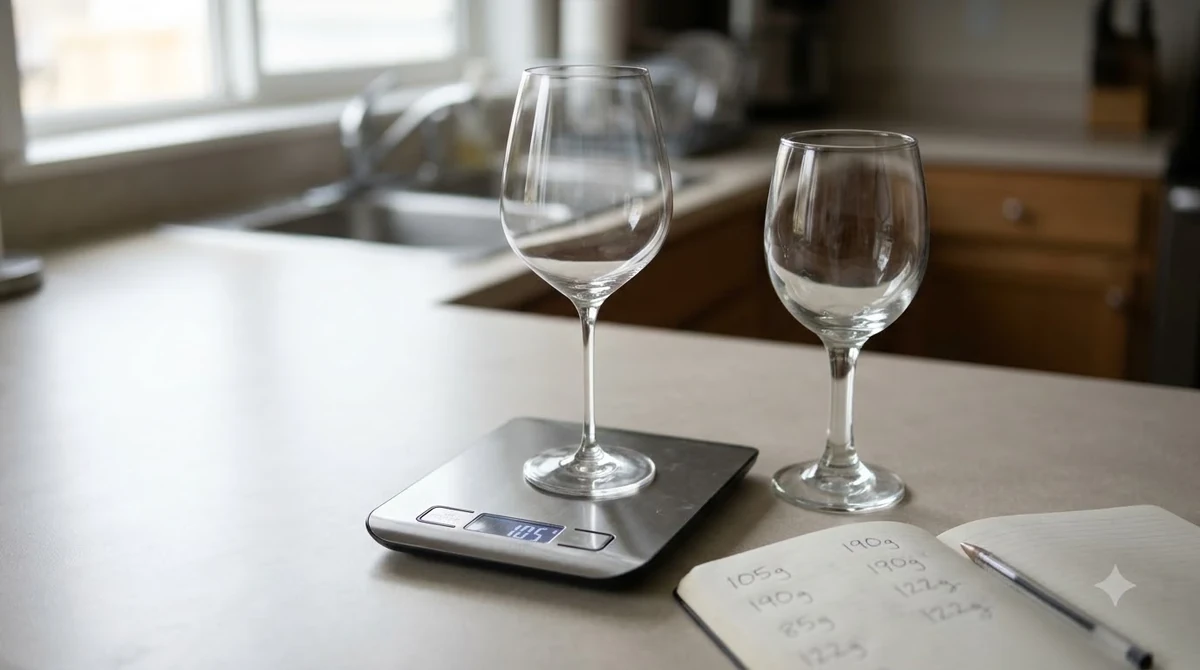
The first limitation is care. Ravenscroft recommends hand-washing most products, particularly its fine handmade crystal. This is a meaningful consideration for people who prefer to put all their glassware in the dishwasher after dinner. Although certain machine-made models are dishwasher-safe, the brand does not describe every glass as suitable for automatic cleaning.
Handmade construction also means that individual pieces may not be perfectly identical. The manufacturer explains that small variations can occur in handmade products. Although its FAQ discusses bubbles in connection with handmade glassware and decanters, the important distinction is that minor variations are not automatically evidence of defective construction. Buyers should distinguish normal handmade characteristics from significant damage or defects.
Fragility is another practical concern. Thin crystal stemware requires more careful handling than thick everyday drinking glasses. A delicate stem can be damaged if glasses knock against each other in a crowded cabinet, and a thin rim needs protection during washing and storage.
This does not mean Ravenscroft glasses are unsuitable for regular use. It means they are better suited to households willing to handle and store their glassware carefully. Families that regularly experience broken glasses, or hosts who need large quantities of inexpensive replacements, may prefer more durable machine-made options.
Collection differences can complicate buying
Another potential drawback is the number of overlapping styles. A shopper looking for a Cabernet glass might encounter several choices across Vintner’s Choice, Classics, Invisibles and Amplifier. Their names do not provide enough information to establish bowl dimensions, weight or exact capacity.
For that reason, product-specific information should take priority over general collection descriptions. Compare the individual glass’s height, bowl width, capacity, manufacturing method and cleaning instructions before ordering. This is especially important when replacing one broken glass or expanding a collection purchased several years earlier.
Availability can also vary across the range. The manufacturer’s catalog includes a mixture of sets, individual pieces and products that may not always be available. If matching replacement glasses are important, purchasing a sufficient quantity initially can be more convenient than relying on future availability.
Finally, premium-looking glassware is not guaranteed to improve every bottle of wine dramatically. Bowl shape and opening dimensions influence the aromatic experience, but wine quality, serving temperature and personal preference remain important. A well-made universal glass can be a perfectly reasonable choice for someone who does not want separate stemware for every grape variety.
Who Should Buy and Who Should Skip Ravenscroft
Ravenscroft makes the most sense for people who value lead-free crystal, refined presentation and the ability to choose a glass for a particular wine style. It is less suitable for buyers who prioritize dishwasher convenience, heavy-duty durability or a single inexpensive set for frequent large gatherings.
Who should buy
Wine enthusiasts building a dedicated collection are natural candidates. Someone who regularly drinks Cabernet Sauvignon, Pinot Noir and Chardonnay can select separate glass shapes rather than relying on one basic all-purpose vessel. This is particularly useful for dinner parties where different wines are served alongside different courses.
People who enjoy lighter crystal stemware may also appreciate the brand. Its stated design philosophy emphasizes transparency and lightweight construction, while historical feedback from Partners In Wine Club specifically mentions the light feel of its Chardonnay and Bordeaux glasses.
Hosts looking for formal table presentation have several options. The Classics range provides traditional wine-specific designs, and the company’s gift-box packaging makes selected products suitable for wedding and housewarming gifts. The availability of matching wine accessories and decanters can also help create a coordinated presentation.
Wine tasters and collectors may find the INAO Type Tasting Glass useful. Its compact format is suitable for tasting flights, comparing different wines and serving smaller samples without requiring large bowls.
Who should skip
Dishwasher-dependent households should be selective. Ravenscroft’s recommendation is to hand-wash most products, particularly handmade crystal. Buyers who want automatic cleaning after every meal should concentrate on models explicitly identified as dishwasher-safe rather than assuming the entire range shares the same care requirements.
Large-event hosts who need dozens of glasses may prefer more durable, inexpensive machine-made stemware. Replacing broken pieces can become expensive when fragile glasses are used in crowded environments, especially if a particular design becomes unavailable.
Minimalist buyers who want just one glass shape may also find the catalog unnecessarily complicated. A well-designed universal wine glass can accommodate most red and white wines reasonably well without requiring a separate collection for every grape variety.
People who prefer thick, heavy glassware should consider their handling preferences. Ravenscroft’s emphasis on lightweight crystal may appeal to one buyer but feel too delicate to another. Weight, balance and stem thickness are subjective preferences that should be considered before purchasing a large set.
How Ravenscroft Compares to Alternative Wine Glass Styles
Ravenscroft’s main distinction is its combination of specialized crystal designs and more practical tasting formats. Its closest alternatives are not necessarily competing brands; they are different glassware approaches that solve different everyday problems.
A universal wine glass prioritizes versatility. It generally has a medium-sized bowl, enough room to swirl and an opening suitable for a broad range of red and white wines. This format makes sense for people who regularly alternate between Sauvignon Blanc, Chardonnay, Merlot and Pinot Noir but do not want several sets.
A varietal-specific glass is more specialized. A large Burgundy bowl, for instance, gives delicate Pinot Noir room to develop its aromas, while a Bordeaux shape is designed around fuller-bodied reds such as Cabernet Sauvignon and Bordeaux blends. Ravenscroft’s collection includes both types.
Stemless glasses take a different approach. They are easier to store in some cabinets and can feel more casual at the table. However, holding the bowl transfers heat from the hand to the wine and leaves fingerprints on the glass. A stemmed glass avoids much of that direct contact and makes it easier to maintain serving temperature.
The wine glasses comparison guide is useful for shoppers deciding whether a specialized crystal set or a more versatile everyday design makes better sense. Those primarily drinking full-bodied reds can also explore the options in our guide to red wine glasses.
Comparing the main formats
| Glass style | Best use | Main advantage | Main limitation |
|---|---|---|---|
| Ravenscroft Bordeaux | Cabernet Sauvignon and Bordeaux blends | Room for fuller-bodied red wines | Less versatile than a universal glass |
| Ravenscroft Burgundy | Pinot Noir and delicate aromatic reds | Broad bowl for swirling | Requires more storage space |
| Ravenscroft Chardonnay | Chardonnay and fuller-bodied whites | Dedicated white-wine format | Less suitable as an all-purpose choice |
| Ravenscroft INAO | Wine tasting and smaller pours | Compact, standardized format | Limited swirling space |
| Universal stemmed glass | Mixed red and white wines | One shape for many occasions | Less specialized bowl design |
| Stemless glass | Casual meals and informal entertaining | Convenient, compact format | Hand warmth affects wine temperature |
There is no need to purchase a separate glass for every grape variety. The practical difference between a Bordeaux and Burgundy glass is more relevant to enthusiasts who pay attention to aromatic presentation. Casual drinkers may be perfectly happy with one well-proportioned glass for most occasions.
Shoppers considering a stemless alternative can consult the stemless wine glasses guide. It is particularly useful for comparing storage convenience and everyday handling against the temperature-control benefits of traditional stemware.
Another consideration is how frequently the glasses will be used. A dedicated Burgundy glass may be a worthwhile addition for someone who regularly opens quality Pinot Noir, while a versatile glass may provide better value for a household that primarily serves different wines at casual meals.
Ravenscroft’s product range is therefore best understood as a collection of choices rather than one universally superior glass. Its specialized shapes are the central attraction, but shoppers should not confuse a larger selection with a requirement to own every design.
Buying Advice, Cleaning and Long-Term Care
The safest approach to buying Ravenscroft is to choose the wine style first, confirm the exact product specifications and establish how much maintenance you are comfortable with. Proper handling and storage can make delicate crystal more practical for regular use.
Choose the right bowl
For Cabernet Sauvignon, Bordeaux blends and other structured reds, a Bordeaux-style glass is a logical starting point. Its larger bowl gives the wine room for swirling and helps concentrate aromas toward the rim. Ravenscroft offers dedicated Bordeaux/Cabernet designs in multiple collections.
For Pinot Noir, Burgundy and other aromatic reds, consider a Burgundy-shaped bowl. Its wider proportions provide a larger surface area for swirling and aromatic development. Ravenscroft’s Burgundy and Burgundy Grand Cru offerings are intended for this type of wine service.
For white wine drinkers, the decision depends on the style being served. Chardonnay drinkers may prefer a dedicated Chardonnay glass, while Sauvignon Blanc and Riesling enthusiasts can consider narrower, more focused white-wine designs. A universal glass remains a practical alternative if the household drinks many varieties.
Confirm the manufacturing method
Do not assume that every Ravenscroft glass is handmade. The company explicitly offers both handmade and machine-made products. The distinction matters because cleaning instructions, construction and individual characteristics may vary.
Look for the exact product’s care information before buying. This is particularly important if dishwasher compatibility is a deciding factor. A collection name by itself does not establish that every model can be cleaned in the same way.
Wash carefully
For handmade crystal, follow the manufacturer’s hand-washing recommendation. Use lukewarm water, a mild dishwashing detergent and a soft cleaning cloth. Avoid striking the bowl or stem against the sink, faucet or another glass during cleaning.
When drying, support the bowl rather than twisting the stem against the base. Twisting creates unnecessary pressure at the narrowest point of the glass, which can lead to breakage. A lint-free microfiber cloth is useful for removing water marks while reducing the need for excessive pressure.
Tip: Wash delicate stemware individually rather than placing several glasses together in a crowded sink. Hold each glass by its bowl and base without twisting the stem, and store it where neighboring pieces cannot knock against it.
Store glasses securely
Choose a cabinet with enough vertical clearance for the tallest glass in your collection. Keep glasses separated so their rims do not touch other pieces. If cabinet space is limited, consider a dedicated stemware rack that supports the base without allowing the bowls to collide.
For households with children or frequent guests, reserve a separate cabinet shelf for fragile crystal and use sturdier everyday glasses for informal occasions. This allows the Ravenscroft pieces to remain accessible without exposing them to unnecessary handling.
Understand returns and replacement policies
Ravenscroft’s published website policy describes a 30-day satisfaction guarantee for qualifying purchases made directly through its website. It also states that original packaging should be retained, since returns without the original packaging may incur a 20% restocking fee.
The manufacturer’s defect policy provides replacement for qualifying defective products within 60 days of purchase, subject to inspection and the stated conditions. For shipping damage, the company’s FAQ asks customers to report the problem within seven business days of receiving the order.
These conditions are important because the manufacturer’s website policy does not automatically govern purchases from other retailers. Customers buying through a third-party seller need to consult that seller’s own return and replacement terms. For a complete comparison of manufacturers and product families, our Glassware Brands resource provides a useful starting point.
Frequently Asked Questions
These answers cover some additional details that can help buyers distinguish Ravenscroft’s specialized products and understand how to use them.
Are Ravenscroft wine glasses made from real crystal?
Yes. Ravenscroft identifies its glassware as lead-free crystal rather than ordinary soda-lime drinking glass. The company also distinguishes handmade products from machine-made alternatives, so the manufacturing method depends on the individual model.
Does Ravenscroft manufacture glasses specifically for professional wine tasting?
Yes. Its catalog includes an INAO Type Tasting Glass, a format associated with standardized wine evaluation. The design has a relatively compact tulip-shaped bowl, making it useful for comparing multiple samples during structured tastings.
Can Ravenscroft glasses be used for sparkling wine?
Yes. Ravenscroft offers dedicated Champagne flutes, including Classics and Invisibles designs. A flute is useful for preserving the visual presentation of bubbles, while a tulip-shaped wine glass provides more room for examining sparkling wine aromas.
Are replacement glasses always sold individually?
No. Ravenscroft’s catalog includes products sold in sets as well as selected individual glasses. Availability and packaging vary by model, so buyers replacing one broken piece should search for the exact collection and glass designation rather than assuming individual replacements are offered.
Do Ravenscroft glasses make suitable wedding gifts?
They can be suitable gifts for wine enthusiasts who appreciate crystal stemware. Ravenscroft states that most of its products arrive in white gift boxes with black satin ribbons, although packaging can vary between products.
Ravenscroft is a strong option for shoppers who value lead-free crystal, refined proportions and dedicated glass shapes for different wines. Its range is broad enough to accommodate both casual tasting and formal entertaining, provided buyers select a model that matches their preferred wines and cleaning habits. For the best long-term experience, prioritize the individual glass’s shape, construction and care requirements over collection names alone.
More in Wine Glasses
 Zwiesel Glas Champagne Flutes for Durable Everyday Sparkling WineUpdated Nov 20, 2026
 Vera Wang Crystal Wine Glasses: Design, Quality and Buying AdviceUpdated Nov 20, 2026
 West Elm White Wine Glasses: Compare Designs for Better Everyday Wine ServiceUpdated Nov 20, 2026
 Zalto Stemless Wine Glasses: Discover Their Distinctive DesignsUpdated Nov 20, 2026
 Viski Champagne Glasses That Match Your Style and Sparkling WineUpdated Nov 20, 2026
 Vista Alegre Decanter Review: Crystal Style and Wine ServiceUpdated Nov 20, 2026