

We may earn a commission when you buy through links on this page, at no extra cost to you. Learn more.
A quebec wine festival is an opportunity to discover Québec wines, meet local winemakers, and enjoy regional food through events such as the Fête des Vendanges in Magog and the Festival des vins de Saguenay in Chicoutimi. These celebrations combine tastings, educational activities, entertainment, and introductions to the province’s distinctive cold-climate wine industry. The best experience depends on whether you prefer a harvest-season gathering, a large urban tasting event, or a visit to individual vineyards.
Québec has developed a recognizable wine identity despite its demanding winters and relatively short growing season. Its producers work with cold-hardy hybrid grapes, traditional European varieties, and several wine styles that reflect the province’s changing seasons. Festivals provide an accessible way to explore these differences in one place. From the Eastern Townships to Saguenay–Lac-Saint-Jean, visitors can find events that combine wine education with local cuisine, regional culture, and opportunities to meet the people behind the bottles.
Québec Wine Festivals and Their Regional Differences
Québec has several wine celebrations rather than one single province-wide festival. The Fête des Vendanges in Magog and the Festival des vins de Saguenay are two particularly useful starting points, offering different settings and ways to discover local and international wines.
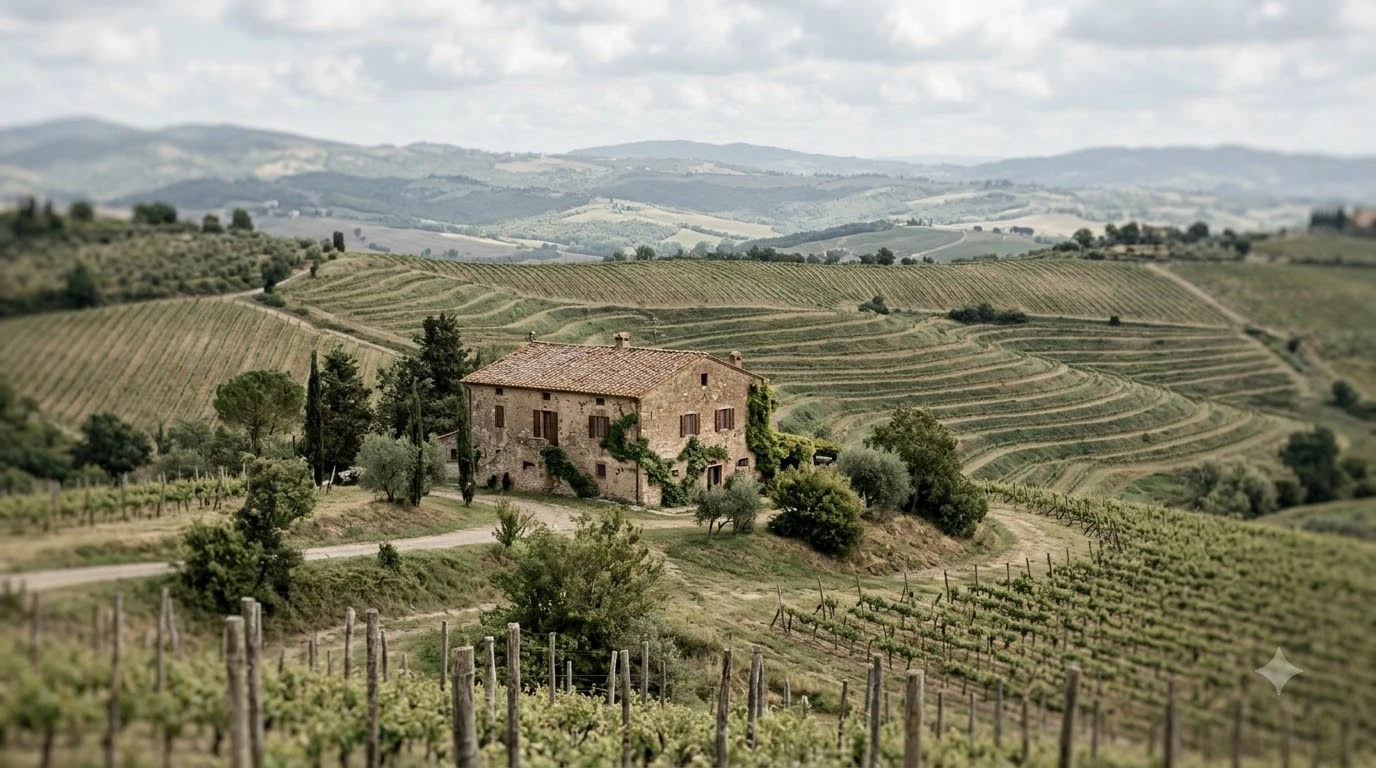
The Fête des Vendanges takes place in the Eastern Townships, a recognized wine-producing area in southern Québec. Its exhibitors include local wineries, breweries, distilleries, and food producers. The event creates a broad agricultural and culinary experience, making it suitable for visitors who want to explore more than wine alone. Its harvest-season atmosphere also connects the celebration with the work taking place in nearby vineyards.
The Festival des vins de Saguenay offers a different experience. Organized along Rue Racine in downtown Chicoutimi, this three-day event brings together approximately 50 exhibitors and more than 400 products from Québec and elsewhere. Its urban location makes it appealing to visitors who prefer a concentrated tasting event rather than a countryside vineyard outing.
Other regional wine-related gatherings and vineyard activities add to the calendar. Some focus on local producers, while others introduce visitors to international wine regions or combine wine with history and food. The distinction matters when planning a trip: a harvest festival, a commercial wine tasting, and an individual winery open house may offer very different experiences even if all involve sampling wine.
For travelers comparing regional celebrations, the Indiana wine festival provides another example of how wine events can reflect the agricultural character and producers of their home regions.
Magog’s Fête des Vendanges: The Harvest Celebration
The Fête des Vendanges is one of Québec’s best-known wine and food gatherings, held in Magog in the Eastern Townships. Its combination of more than 80 exhibitors, tasting opportunities, demonstrations, and family-oriented activities makes it an appealing introduction to the province’s regional products.
Magog is particularly well positioned for a wine-focused getaway because it sits within the Eastern Townships, where visitors can explore vineyards and rural communities. The festival brings together wineries, microbreweries, distilleries, and agricultural food producers. Rather than limiting the experience to formal wine tastings, it gives guests the chance to compare different local products and speak with the people who make them.
According to Bonjour Québec, the 2026 event dates were September 12–13, with future dates subject to announcement. Activities listed for the festival include tastings, workshops, conferences, demonstrations, concerts, exhibitions, and grape-harvesting experiences. The combination makes it possible to spend time learning about production as well as sampling finished products.
Visitors should consider how much time they want to spend at the event. Someone interested mainly in wine might prioritize producer booths and educational sessions, while a group with varied interests could divide its time between food exhibitors, entertainment, and family activities. The festival listing also identifies a picnic area, outdoor playground, tasting facilities, and washrooms.
Transportation deserves attention before arrival. The event listing identifies shuttle services, paid parking, and parking for buses and recreational vehicles. Choosing a shuttle or another suitable transportation arrangement is especially useful when several wine tastings are part of the day’s plans.
For the latest arrangements, consult the official Fête des Vendanges event listing. Confirm the next festival dates, operating hours, admission arrangements, and transportation details before traveling, because event schedules can change between editions.
Festival des vins de Saguenay in Downtown Chicoutimi
The Festival des vins de Saguenay is a three-day urban wine celebration held along Rue Racine in downtown Chicoutimi. Its large product selection and approximately 50 exhibitors make it a strong choice for visitors who want to compare a broad range of wines without traveling between individual vineyards.
The event is notable for its scale. The regional tourism organization reports more than 39,000 visitors annually and more than 400 products from Québec and other wine-producing areas. This creates opportunities to compare local bottles with wines from established international regions. Visitors can also meet winemakers, wine personalities, and representatives who can explain differences in grape varieties, production methods, and regional styles.
The downtown setting gives the festival a distinctly different character from Magog’s harvest celebration. Instead of a countryside atmosphere, visitors experience wine culture in the streets of Chicoutimi. Rue Racine provides a central setting for the festivities, making the event a natural addition to a broader visit to Saguenay–Lac-Saint-Jean.
Educational activities are another reason to attend. Festival programming includes tastings, workshops, and opportunities to learn from wine professionals. These experiences can help beginners understand the differences between grape varieties and wine styles while giving more experienced enthusiasts access to products they might not otherwise encounter.
The event also carries a responsible-event certification under a standard established by the Quebec Council for Eco-responsible Events. This is an important organizational detail for visitors interested in how major public celebrations address environmental and event-management practices.
According to Bonjour Québec, the 2026 edition was scheduled for July 9–11, although subsequent dates require confirmation. The official festival information and regional tourism listings are useful places to check for updated programming, admission information, and transportation arrangements.
Chicoutimi makes a practical base for combining the festival with restaurants, accommodation, and other regional attractions. Visitors should plan their tasting schedule around the three-day format rather than attempting to sample everything in a single afternoon.
Québec Wine Styles and Grapes to Discover
Québec wine is shaped by cold winters, a comparatively short growing season, and the selection of grape varieties that can ripen under northern conditions. Visitors should look beyond familiar European varieties and explore regional hybrids such as Vidal, Frontenac, Seyval Blanc, and Marquette.
According to the Québec government’s viticulture information, producers rely heavily on hybrid grapes selected for cold tolerance and resistance to disease. These varieties are particularly important because vines must withstand winter conditions that can damage less cold-resistant European grapes. Chardonnay and Pinot Noir are also grown, although these varieties require additional winter protection.
White wine represents nearly half of Québec’s wine production, making it a useful category for beginning a festival tasting. Vidal is especially interesting because it can be used in several styles, including dry wines and icewine. Frontenac Blanc, Frontenac Gris, Seyval Blanc, and Saint-Pépin offer further opportunities to explore the character of regional white wines.
Red wine accounts for approximately one-third of production. Frontenac Noir, Marquette, and Maréchal Foch are important varieties to recognize. Pinot Noir is also grown in the province, offering a familiar reference point for visitors accustomed to classic European red wines.
Québec producers also make rosé, sparkling wine, orange wine, and icewine. These styles give festival visitors a broader picture of the province’s production than a tasting focused exclusively on conventional red and white wines.
Understanding Québec’s wine categories
The Vin du Québec reserved designation is particularly useful when identifying wines made exclusively from grapes grown in the province. Established in autumn 2018, this designation applies to wines produced according to a defined set of requirements. It gives consumers a clear way to recognize qualifying local wines.
Vin de glace du Québec is another important designation. It applies to icewine made exclusively from Québec-grown grapes that have frozen naturally on the vine within a defined geographical area. This production method makes icewine a distinctive category to seek out during a regional tasting.
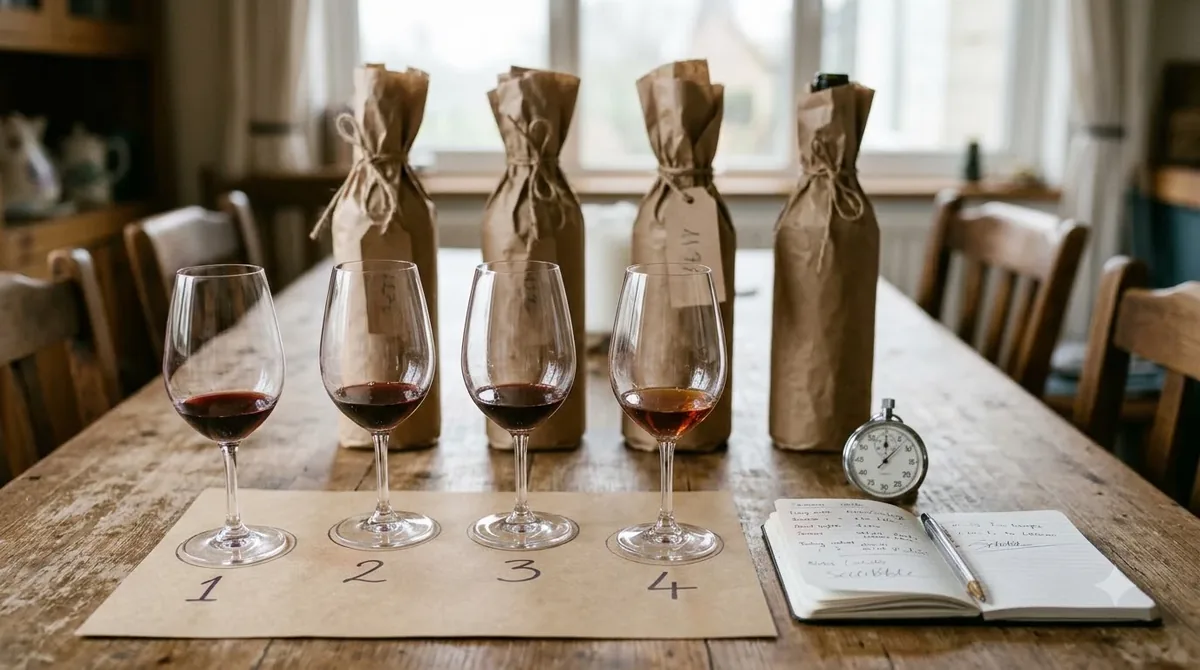
Use a festival visit to compare several styles rather than concentrating on one grape. A dry Vidal, a Frontenac red, a sparkling wine, and an icewine can demonstrate the range of techniques and growing conditions represented by Québec producers.
Tip: Start with a dry white such as Vidal or Seyval Blanc, compare it with a Frontenac-based red, and finish with a small serving of icewine. This sequence makes it easier to notice differences in acidity, body, tannin, and sweetness.
Planning a Québec Wine Festival Visit
Good planning helps visitors enjoy the event without spending too much time in lines or missing the producers they most want to meet. Start by choosing the festival, confirming its schedule, and organizing transportation before making a tasting plan.
The two main events have different seasonal settings. The Festival des vins de Saguenay takes place in summer, while the Fête des Vendanges is associated with the September harvest period in Magog. These dates can influence accommodation availability, travel conditions, and the surrounding activities available in each destination.
For Magog, investigate the festival’s shuttle arrangements and parking information before driving. The event listing identifies paid parking and shuttle services, which are useful considerations for a celebration involving alcohol. For Chicoutimi, consider accommodation within convenient reach of downtown so that walking between the festival and your lodging is practical.
Allow enough time to speak with exhibitors. A short conversation can reveal whether a wine is made from hybrid grapes, whether it undergoes fermentation or aging in particular vessels, and what foods best accompany it. These details make a tasting more informative than simply moving from one sample to the next.
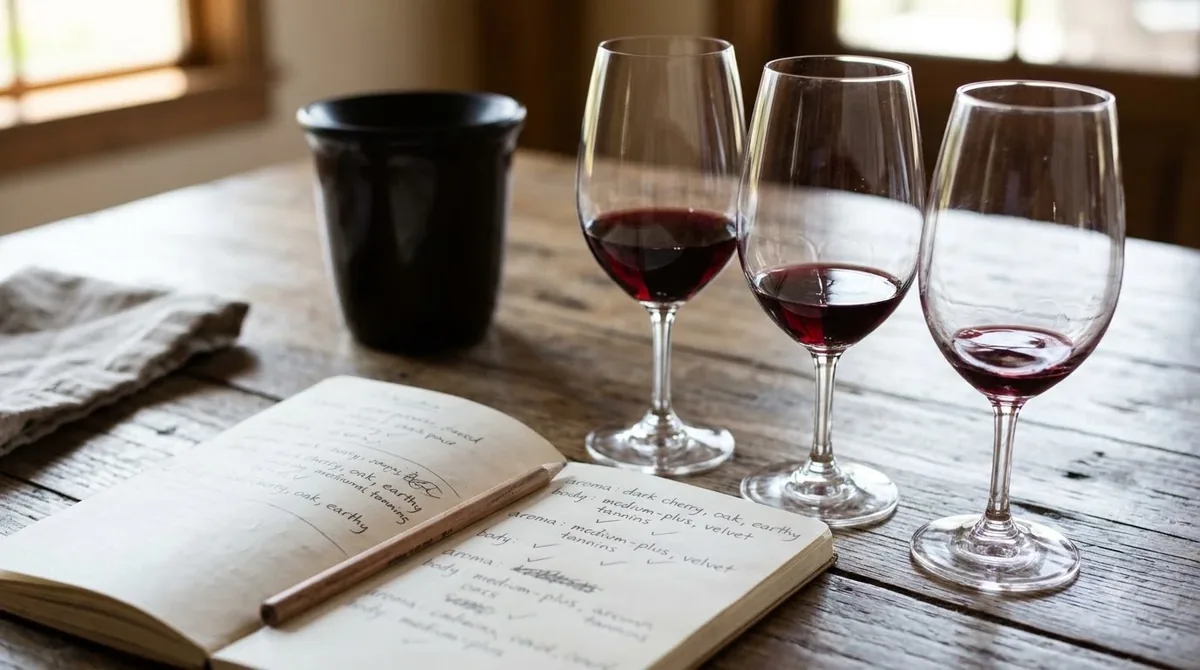
A small notebook or digital tasting record is useful. Record the producer, grape variety, wine style, acidity, tannin, sweetness, and your general impression. If several wines share similar names or grape varieties, recording the details will help you distinguish them later.
Consider dividing the day into manageable tasting sessions. For example, spend the first part of the visit exploring white wines, the middle portion comparing red and sparkling wines, and the final portion learning about dessert wines and icewine. Leave time for meals, water, and conversations with exhibitors.
Festival planning checklist
- Confirm the event’s current dates and opening hours.
- Review the exhibitor list and identify priority wineries.
- Check admission requirements and tasting arrangements.
- Arrange a shuttle, designated driver, or suitable public transportation.
- Choose accommodation before major festival weekends become busy.
- Wear comfortable footwear for extended periods of standing and walking.
- Bring a phone or notebook for recording wine discoveries.
- Leave enough time for food, water, and breaks between tasting sessions.
Visitors who want a broader introduction to the province can also explore the Québec wine region before attending. Understanding its grape varieties and growing areas makes it easier to recognize the differences between exhibitors.
Québec Vineyard Tours and the Autumn Harvest
A festival is an efficient way to meet many producers, but visiting a working vineyard provides a different perspective on Québec wine. Vineyard tours and harvest experiences connect the wines served at festivals with the agricultural decisions and production work behind each bottle.
The province has several important wine-producing areas, including Montérégie and the Eastern Townships. The Brome-Missisquoi Wine Route is particularly relevant to visitors exploring the Eastern Townships, while the Montérégie Wine Route connects wineries across another major agricultural area. Both routes help visitors organize multiple vineyard visits within a regional itinerary.
Québec’s government reports that most vineyards are relatively small, with fewer than five hectares under cultivation. These smaller operations can provide opportunities to speak directly with producers and learn about vineyard management, grape selection, and the challenges of working in a cold climate.
Autumn is an especially interesting period for wine tourism because harvest work takes place across the province. The Conseil des vins du Québec publishes information about opportunities to participate in grape harvesting at selected wineries. Its recommendations have included Vignoble Rivière du Chêne in Saint-Eustache, Domaine du Fleuve in Varennes, and Domaine l’Espiègle in Dunham.
Harvest participation requires advance planning. The participating-winery information specifically recommends contacting the winemaker and reserving ahead of time. Availability, activities, and dates vary by vineyard, so visitors should not assume that every winery offers public harvesting opportunities throughout the season.
These experiences can include practical vineyard work and discussions about how grapes are transformed into wine. They also provide a better understanding of the timing involved in harvesting different varieties and the importance of weather conditions in northern wine regions.
For anyone interested in combining a festival with a vineyard visit, the best approach is to choose one geographic area and allow enough time for both activities. The Eastern Townships offer a natural pairing between Magog’s Fête des Vendanges and nearby wine-country destinations.
More information about vineyard participation is available through the Conseil des vins du Québec harvest experience information. Visitors should contact each winery directly to confirm current availability, reservation procedures, and participation requirements.
Food Pairings and Tasting Tips for Québec Wines
Food is an important part of the Québec festival experience, and pairing regional dishes with local wine can make tastings more memorable. The most useful starting point is to match the wine’s acidity, sweetness, body, and tannin with the intensity and texture of the food.
Québec white wines often work well with seafood, poultry, and fresh cheeses. A crisp Vidal or Seyval Blanc can accompany trout, white fish, shellfish, and lighter appetizers. Wines with higher acidity are particularly helpful with dishes containing lemon, vinaigrette, or other acidic ingredients because the wine should have equal or higher acidity than the food.
For richer dishes, consider wines with enough acidity to refresh the palate. Chardonnay can accompany roasted poultry, creamy vegetable dishes, and moderately rich seafood preparations. Its medium acidity and fuller texture make it a useful contrast to lighter, sharper white wines.
Frontenac Noir and Marquette can be explored alongside grilled meats, roasted vegetables, and dishes with savory sauces. For wines with noticeable tannin, foods containing salt and fat can soften the perception of astringency. This makes richer meat dishes and aged cheeses useful pairing choices for some red wines.
Sweet wines deserve attention at the end of a tasting. Québec icewine can accompany fruit desserts, blue cheese, and dishes featuring nuts. The basic rule is that the wine should be at least as sweet as the dessert. Otherwise, the wine may taste noticeably acidic or less flavorful beside the food.
Serving temperatures for festival discoveries
Temperature has a significant influence on how a wine smells and tastes. Very cold temperatures can conceal aromas, while excessive warmth can make alcohol seem more prominent and can reduce the sense of freshness.
| Wine style | Recommended temperature | Useful food pairing |
|---|---|---|
| Sparkling wine | 40–50°F | Oysters, seafood appetizers |
| Light white wine | 45–50°F | Trout, fresh cheese |
| Full-bodied white wine | 50–55°F | Roasted poultry, creamy dishes |
| Rosé | 45–50°F | Salads, grilled vegetables |
| Light red wine | 55–60°F | Roasted mushrooms, poultry |
| Full-bodied red wine | 60–65°F | Grilled beef, aged cheese |
| Sweet white wine | 43–50°F | Fruit desserts, blue cheese |
These temperatures are useful guidelines for enjoying wines after the festival, although outdoor tasting conditions may make precise temperature control difficult. If a wine tastes unusually warm or muted, allowing it to cool slightly can improve its balance.
Pay attention to alcohol and tannin when pairing food. Chili heat can feel more intense with higher-alcohol wines and tannic reds, so lighter, lower-tannin options are often better with spicy dishes. Oily fish can also clash with highly tannic red wines. A crisp white or lighter red is generally a more suitable choice.
Festival tastings are usually smaller than restaurant servings, so use each sample to assess aroma, acidity, texture, and finish. A standard serving of wine is approximately 5 ounces, and a 750-milliliter bottle provides about five such glasses. Sampling smaller amounts at an event makes it easier to compare several wines while maintaining a measured pace.
For additional background on wine regions and grape varieties, the Wine Regions section provides useful context for comparing Québec wines with those from other parts of the world.
Frequently Asked Questions
What is the largest wine festival in Québec?
The Festival des vins de Saguenay is described by its regional tourism organization as North America’s largest outdoor wine event. Its reported annual attendance exceeds 39,000 visitors. The festival features approximately 50 exhibitors and more than 400 products, creating a substantial tasting program in downtown Chicoutimi.
Can visitors attend Québec wine festivals with children?
The Fête des Vendanges listing identifies children, teenagers, adults, and groups as eligible visitors, with a minimum age requirement of zero. It also identifies an outdoor playground and family entertainment among its facilities and activities. Individual tasting areas and alcohol service remain subject to applicable age restrictions.
What does Vin du Québec mean on a wine bottle?
Vin du Québec is a reserved designation for qualifying wines made exclusively from grape varieties cultivated in Québec. It was established in autumn 2018 and operates under production requirements. The designation helps distinguish qualifying locally grown wines from products that do not meet those geographical and production conditions.
Why are hybrid grapes important to Québec winemaking?
Hybrid grapes are important because they can be selected for greater tolerance of cold temperatures and certain vineyard diseases. Québec producers use varieties such as Frontenac and Marquette to work within the province’s challenging growing conditions. Their importance is closely connected to the region’s short growing season and the need to protect vines during winter.
Does Québec produce icewine from naturally frozen grapes?
Yes. The Vin de glace du Québec designation applies to wine made exclusively from Québec-grown grapes that freeze naturally on the vine within a defined geographical area. The production method concentrates the sugars and other components in the grapes, resulting in a sweet wine with distinctive acidity and concentrated flavors.
A Québec wine festival offers an engaging introduction to the province’s vineyards, distinctive grape varieties, and regional food culture. Whether you choose the harvest atmosphere of Magog or the extensive tasting selection in Chicoutimi, allow time to meet producers and explore wines beyond familiar international varieties. Pairing a festival visit with a vineyard tour can make the experience even more rewarding and provide a deeper appreciation of Québec’s growing wine industry.
More in Wine Regions
 Willcox Wine Trail: Discover Arizona’s High-Elevation Wine CountryUpdated Nov 20, 2026
 Yakima Valley Wine Region: Find the Best Styles to TryUpdated Nov 20, 2026
 Vosne Romanee Wine Tasting: Identify Aromas and Choose Better PairingsUpdated Nov 20, 2026
 Yakima Valley Wine Festival: Find the Best Seasonal Wine EventsUpdated Nov 20, 2026
 Wales Vineyards: Discover Cool-Climate Wines and Where to VisitUpdated Nov 20, 2026
 Yountville Wine Festival: Discover Napa Wines and Local FoodUpdated Nov 20, 2026