

We may earn a commission when you buy through links on this page, at no extra cost to you. Learn more.
Pommard vineyards are Côte de Beaune Pinot Noir sites in Burgundy, France, best known for structured red wines and 28 named Premier Cru climats. Their character comes from a varied slope of alluvial, clay-limestone, marl, and iron-rich soils between Beaune and Volnay. Understanding the north–south differences, especially between Les Épenots and Les Rugiens, makes it easier to read a Pommard label and choose a bottle suited to your taste.
Pommard has a reputation for powerful Burgundy, but that description only tells part of the story. The appellation contains distinct vineyard parcels, and their slope positions, soil depth, and cellar treatment can make wines feel firm and compact or fragrant and finely textured. This guide explains the geography behind those differences and shows what to look for when comparing village wines with Premier Cru bottlings.
Where Pommard Sits in the Côte de Beaune
Pommard occupies a compact stretch of the Côte de Beaune between Beaune to the north and Volnay to the south. The appellation is confined to the commune of Pommard, so a wine carrying the Pommard name must come from the delimited vineyard area rather than from any nearby village.

The village lies at the mouth of the narrow valley shaped by the Avant-Dheune stream, with the Montagne de Pommard to the north and the slopes toward Volnay on its southern side. This position helps explain why the commune is not a single uniform hillside: small shifts in slope, drainage, and the material carried down the valley create meaningful differences among parcels. A short distance across the village can bring a change in soil depth and the balance between clay and limestone.
Pommard is a red-only appellation made from Pinot Noir. Its protected status dates to 1936, and its production zone is limited to the commune itself. That boundary matters for shoppers: a Pinot Noir from a nearby estate may be labelled Pommard only when its grapes meet the appellation rules, while Chardonnay grown outside the eligible Pommard area cannot be sold as Pommard white wine. The official INAO Pommard appellation entry confirms the red-wine classification, the single-commune boundary, and the 28 Premier Cru climats.
Pommard also makes Burgundy’s vineyard-based naming system easy to understand: regional labels cover wider origins, village labels name a commune, and Premier Cru identifies a recognized climat. Wine Enthusiast describes four levels across Burgundy—regional, village, Premier Cru, and Grand Cru—but Pommard has no Grand Cru vineyard classification.
The Slope, Soils, and Exposures Behind the Wines
Pommard’s vines occupy slopes generally between 250 and 330 meters above sea level, with many parcels facing east or south. The ground changes from old alluvium at lower elevations to clay-limestone and marl higher on the slope, giving neighboring vineyards different ways to manage water and ripen Pinot Noir.
| Vineyard detail | Published figure or description | Why it matters |
|---|---|---|
| Altitude | 250–330 meters | Places the appellation on the lower Côte de Beaune slopes. |
| Total area in production | 341.66 hectares | Shows the scale of the village appellation. |
| Premier Cru area | 115.62 hectares | Represents the classified vineyard portion in the published profile. |
| Average annual production | 10,915 hectoliters | A five-harvest average recorded in the regional profile. |
| Premier Cru production | 3,662 hectoliters | The Premier Cru portion of that recorded average. |
On the lower ground, ancient alluvial deposits reflect the movement of material through the valley. Mid-slope vineyards have clay-limestone soils mixed with broken rock, which can improve drainage. Higher parcels include Jurassic, or Oxfordian, marl as well as brown calcic and brown limestone soils. Iron-rich material gives some sites their reddish cast, a visible clue to the geological variety beneath the vines.
Soil labels are not flavor recipes. Clay can contribute weight and structure, but the outcome also depends on soil depth, exposure, vine age, the season, and cellar extraction. Limestone and stones can improve drainage, while deeper soils may retain more water; neither feature guarantees a particular aroma or quality. A climat name is therefore more informative than a general claim about Pommard style.
Tip: When comparing two Pommards, start with the climat name and producer, then check the vintage and winemaking style. Soil descriptions help explain the site, but they do not replace those other details.
What the 28 Premier Cru Climats Tell You
Pommard has 28 Premier Cru climats, with Les Épenots in the north and Les Rugiens in the south among the best-known names. The two sectors illustrate how position and soil can shape distinct expressions within one appellation, even though both produce Pinot Noir.
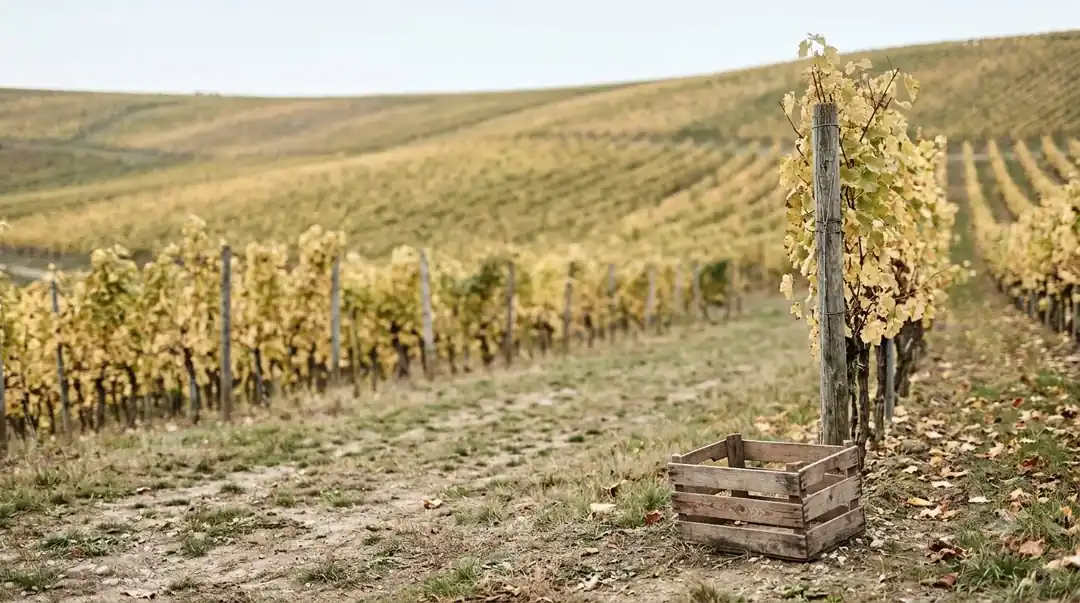
Les Épenots lies toward Beaune and includes Les Grands Épenots and Les Petits Épenots. The Avant-Dheune deposited an alluvial fan beneath this northern sector, and Decanter’s examination of Domaine de Courcel describes the area as having a different soil balance from Rugiens. The name also appears in several estate bottlings, so look carefully at the full label wording rather than assuming every wine marked Épenots comes from the same parcel. Grand Clos des Épenots, for example, is situated within the lieu-dit of Petits Épenots despite the larger name on the bottle.
Les Rugiens sits south of the village and is divided into Les Rugiens Bas and Les Rugiens Hauts. Its soils contain more clay, and the mid-slope parcel described by Decanter includes clay and marl that vary in depth from about 20 centimeters near the top to almost one meter near the base. In broad terms, Rugiens often gives a more forceful, tannic impression, while the northern Épenots sector can show more finesse and elegance. That is a helpful guide, not a rigid rule: individual parcels, vintages, and producers can narrow or reverse the contrast.
Other Premier Cru names worth recognizing include Clos des Epeneaux, Les Charmots, Les Pézerolles, Les Chaponnières, Les Croix Noires, Les Fremiers, Les Boucherottes, and Les Arvelets. Clos des Epeneaux is associated with Domaine Comte Armand and is a monopole, not a generic name for every part of Épenots; other listed climats include La Platière, La Chanière, Les Saussilles, Les Chanlins-Bas, and Le Clos Micot. Premier Cru identifies a delimited site, not a guarantee that every bottle from that climat tastes the same. For a closer look at parcel differences inside one estate, Decanter’s Domaine de Courcel vineyard profile discusses Grand Clos des Épenots, Rugiens-Hauts, Frémiers, Croix Noires, and Vaumuriens as separate holdings.
The Flavor, Structure, and Aging Potential of Pommard
Pommard is typically a structured red Burgundy with concentrated fruit, firm tannins, and enough freshness to keep the wine from feeling heavy. Common descriptors include blackberry, bilberry, red currant, cherry pit, and ripe plum, while mature bottles can develop notes of leather, chocolate, pepper, and forest-like savoriness.
The commune’s reputation for muscular Pinot Noir comes partly from its clay-rich sectors, especially around Rugiens, but it is misleading to describe every Pommard as coarse or hard. The national appellation institute notes that the wines combine a solid structure with a velvety texture and fruit, and that the opening impression can differ between the north and south of the appellation. A village-level wine from a lighter site may be more open and fragrant than a deeply extracted Premier Cru from a clay-heavy parcel, while careful cellar work can make a structured site feel polished.
Pinot Noir usually has high acidity and low-to-medium tannin compared with many red grapes, but Pommard can feel firmer because of its sites and winemaking. Tannin gives young wine grip, while acidity carries the fruit through the finish. With maturity, primary fruit becomes less direct and savory aromas more noticeable. Bottle age is not a substitute for balance: fruit, acidity, and tannin should work together rather than relying on hardness. There is no single drinking window for every bottle. A fresh, fruit-led village Pommard may be enjoyable earlier than a concentrated Premier Cru from Les Rugiens or Les Épenots. Vintage, vine age, extraction, oak, and storage all affect development. Air can help a young, firm wine open, while an older bottle may lose delicate aromas if left in a decanter too long.
Producers and Vineyard Practices to Know
Pommard’s established estates and newer generations offer a range of interpretations, from traditional, age-worthy wines to more immediately expressive Pinot Noir. Looking at the grower alongside the climat is one of the clearest ways to understand the differences between bottles.
Domaine de Courcel is closely associated with Grand Clos des Épenots and Les Rugiens. Decanter describes the estate’s parcel-by-parcel approach, with separate sections of Grand Clos des Épenots grown and made individually before blending. Its discussion of the estate’s holdings also highlights Rugiens-Hauts, Frémiers, Croix Noires, and village-level Vaumuriens, a useful reminder that one producer can work across several terroirs within and around the appellation.
Château de Pommard offers another example of detailed parcel management. Decanter reports that the historic property was founded in 1726 and that its 20-hectare Clos Marey-Monge vineyard is managed as seven separate parcels rather than one uniform block. The estate has also pursued organic and biodynamic certification. Those details matter because soil mapping and separate parcel work can help a producer respond to differences within a large clos instead of blending every part together by default.
Domaine Lejeune, founded in 1753, illustrates a change in style under newer ownership. Decanter reports that Louis de Belleroche took over with investors and made his first vintage in 2023, using riper stems and gentler extraction than the estate’s earlier tannic approach. At Domaine Joannès Violot-Guillemard, Joannès took over from his father in 2015 and combines a return to whole-bunch fermentation with gentle extraction; the producer matures half the wine in ceramic Clayver vessels and half in barrels. These examples show that cellar choices can influence how the same regional identity is expressed. Producer names add context to site knowledge. An estate that handles parcels separately may communicate a climat clearly, while another may favor a broader house style. On a label, the climat explains origin and the grower offers clues about extraction, oak, and intended drinking style.
How to Choose, Serve, and Pair a Pommard
Choose a Pommard by matching its structure and style to the occasion, not by assuming that every Premier Cru will be more enjoyable than every village wine. A village bottling can show the character of the appellation clearly, while a named Premier Cru is a way to explore a more specific vineyard site.
For a first bottle, a village Pommard from a producer with a clear style is a good starting point. To compare terroirs, choose two wines from the same vintage and producer, one from Les Épenots and one from Les Rugiens. Les Charmots, Les Pézerolles, or Les Chaponnières offer further Premier Cru comparisons. For a broader look at regional naming, use the site’s Wine Regions index.
Serve a full, structured Pommard at about 60–65°F. A young, concentrated red can benefit from 30–60 minutes in a decanter; open an older bottle carefully and follow its development in the glass. A 5-ounce pour gives about five glasses from a 750-milliliter bottle. Refrigerate an unfinished bottle and drink it within three to five days.
Pommard’s tannin and savory depth suit roasted or braised beef, lamb, game birds, venison, and stewed poultry. Salt and fat soften tannin, so a seasoned roast or butter-enriched sauce can make a young bottle feel more balanced. Mature Époisses, Langres, Soumaintrain, and Comté can stand beside the wine. Very hot chili dishes may make alcohol and tannin feel stronger, while oily fish is difficult with a strongly tannic red. For a cool-climate Pinot Noir contrast, see the site’s profile of Tasmania vineyards; Chianti Classico vineyards show a different match between red-wine structure, grape, and food traditions.
Frequently Asked Questions
These quick answers clarify a few label and vineyard details that often come up when comparing Pommard bottles. They focus on appellation rules and specific site names rather than replacing the producer and vintage information on an individual wine.
Can a Pommard wine be made from Chardonnay?
No. The Pommard appellation is reserved for still red wine, and the permitted grape is Pinot Noir. Chardonnay may be grown in the wider commune or nearby area, but it must use an eligible Bourgogne appellation rather than the Pommard name.
What is the difference between Les Rugiens Bas and Les Rugiens Hauts?
They are distinct sectors within the Rugiens Premier Cru. Decanter gives their approximate areas as 5.8 hectares for Rugiens Bas and 6.8 hectares for Rugiens Hauts; the higher sector sits farther up the slope and is favored by some tasters for its finer acidity. The area figures describe the named sectors, not the holdings of one estate.
Is Grand Clos des Épenots the same as Clos des Epeneaux?
No. Grand Clos des Épenots is associated with Domaine de Courcel, while Clos des Epeneaux is the monopole associated with Domaine Comte Armand. Decanter notes that Clos des Epeneaux lies mostly within Petits Épenots and includes 0.61 hectares in Grands Épenots.
What does monopole mean on a Burgundy vineyard label?
A monopole is a named vineyard controlled by one owner or estate rather than divided among several growers. It is an ownership description, not an appellation rank above Premier Cru. Clos des Epeneaux is one example in Pommard.
Do neighboring Beaune and Volnay have Grand Cru vineyards?
No. Decanter notes that Beaune, Volnay, and Pommard all lack Grand Cru vineyards, even though each commune has highly regarded Premier Cru sites. This makes the Premier Cru level especially important for understanding the top vineyard distinctions in this part of the Côte de Beaune.
Pommard rewards a closer look at the name beneath the village name: Les Épenots, Les Rugiens, and the other climats each offer a different point of entry into the Côte de Beaune. Compare the site, producer, and vintage together, and the appellation’s range becomes much clearer than its reputation for power alone suggests.
More in Wine Regions
 Willcox Wine Trail: Discover Arizona’s High-Elevation Wine CountryUpdated Nov 20, 2026
 Yakima Valley Wine Region: Find the Best Styles to TryUpdated Nov 20, 2026
 Vosne Romanee Wine Tasting: Identify Aromas and Choose Better PairingsUpdated Nov 20, 2026
 Yakima Valley Wine Festival: Find the Best Seasonal Wine EventsUpdated Nov 20, 2026
 Wales Vineyards: Discover Cool-Climate Wines and Where to VisitUpdated Nov 20, 2026
 Yountville Wine Festival: Discover Napa Wines and Local FoodUpdated Nov 20, 2026