

We may earn a commission when you buy through links on this page, at no extra cost to you. Learn more.
The ideal plum wine serving temperature is chilled between 45°F and 50°F (7°C to 10°C), though it can be enjoyed anywhere from ice-cold over rocks up to gently warmed at 104°F to 113°F (40°C to 45°C). Serving plum wine cool sharpens its natural fruit acidity and keeps its high residual sugar from feeling syrupy on the palate. Because most bottles sold in the United States are Japanese umeshu steeped in distilled spirits or sake rather than fermented grape wine, temperature drastically shifts whether the drink emphasizes crisp tartness or rich almond-like aroma.
Unlike traditional table wines that narrow into a small five-degree window before falling flat or tasting overly alcoholic, plum wine behaves much like sake serving temperature guides suggest for Japanese rice brews: it adapts across the thermometer. Whether you are pouring a bottle of traditional umeshu as a pre-dinner aperitif, pairing a fermented fruit wine with spicy takeout, or warming a mug on a winter evening, matching the temperature to the bottle style makes the difference between a balanced sip and a cloying sugar bomb.
What Plum Wine Actually Is and Why Temperature Matters
Plum wine is an umbrella term used in Western markets for two distinct beverages: traditional Japanese umeshu, which is a fruit liqueur made by steeping unripe green ume plums in distilled liquor and sugar, and fermented fruit wines crafted from plums, honey, or rice. Because sugar concentration and alcohol strength vary widely between these styles, the temperature at which you pour directly controls the balance between sweetness, acidity, and alcohol warmth.

According to the Japan Sake and Shochu Makers Association, authentic Japanese umeshu—often labeled honkaku umeshu—contains no fermentation at all. Producers steep unripened ume fruit with rock sugar in a base spirit, typically 35% ABV shochu or occasionally sake, for at least six to nine months. The resulting liqueur usually settles between 10% and 15% ABV, though cask-strength or genshu expressions can reach closer to 20% ABV. During steeping, the fruit pits release benzaldehyde, giving real umeshu a subtle marzipan or sweet almond character alongside bright citric acidity.
Temperature acts as a volume dial on those components. Cold temperatures suppress human perception of sweetness and mute volatile alcohol vapors, allowing the tart stone-fruit acidity to step forward. As the liquid warms toward room temperature and beyond, sugar feels heavier and rounder on the tongue, while aromatic compounds from the plum skin and pit volatilize faster. If you pour a heavily sweetened commercial bottle warm, the sugar can quickly overwhelm the palate; conversely, serving an aged, sake-based umeshu straight from the freezer can lock up its delicate floral and nutty notes.
Ideal Plum Wine Serving Temperature by Style
Different production methods call for tailored serving ranges, spanning from a crisp 40°F (4°C) on the rocks to a comforting 113°F (45°C) when mixed with hot water. Standard shochu-based umeshu shines brightest between 45°F and 50°F (7°C to 10°C), while lighter fermented plum wines perform best slightly cooler and complex aged styles open up closer to cellar temperature.
| Plum Wine Style | Typical ABV | Ideal Serving Temp (°F) | Ideal Serving Temp (°C) | Best Serving Method |
|---|---|---|---|---|
| Standard Shochu Umeshu | 10% – 15% | 45°F – 50°F | 7°C – 10°C | Chilled neat or over a large ice cube |
| Sake-Based Umeshu | 10% – 13% | 45°F – 55°F | 7°C – 13°C | Chilled in a wine glass or lightly warmed |
| Fermented Plum Fruit Wine | 8% – 12% | 40°F – 45°F | 4°C – 7°C | Well chilled straight from the fridge |
| Aged or Genshu Umeshu | 15% – 20% | 50°F – 60°F | 10°C – 16°C | Cellar temp neat or on the rocks |
| Winter Oyuwari (Hot Diluted) | 6% – 8% (diluted) | 104°F – 113°F | 40°C – 45°C | Mixed 1:1 with hot water in a ceramic cup |
Standard shochu-based bottles—the style most common on American grocery and liquor store shelves—carry substantial residual sugar. Serving them in the 45°F to 50°F (7°C to 10°C) range mirrors the sweet spot recommended for sauternes serving temperature, where brisk chill keeps rich sweetness feeling lively rather than thick. Sake-based umeshu tends to have a softer, rice-driven body and slightly lower sugar; chilling it to 45°F–55°F (7°C–13°C) preserves its clean finish without muting the savory rice undertones.
If you pick up a fermented Chinese or Korean fruit wine, or a lower-alcohol sparkling plum wine around 8% to 10% ABV, drop the temperature closer to 40°F–45°F (4°C–7°C). These bottles rely on fresh, juicy fruitiness and gentle acidity rather than spirit weight, so refrigerator-cold temperatures keep them crisp and refreshing. On the opposite end of the spectrum, higher-proof genshu (undiluted) or barrel-aged umeshu above 15% ABV behaves more like an after-dinner digestif. Pouring these between 50°F and 60°F (10°C and 16°C) lets their dried apricot, honey, and toasted almond aromatics unfold without harsh alcohol heat.
Five Traditional Ways to Serve Plum Wine
In Japan, drinkers rarely obsess over a digital thermometer, instead adjusting temperature and texture through five classic serving preparations known as nomikata. Each method alters both the thermal profile and dilution level of the glass, making plum wine easy to customize for summer heat or winter chill.
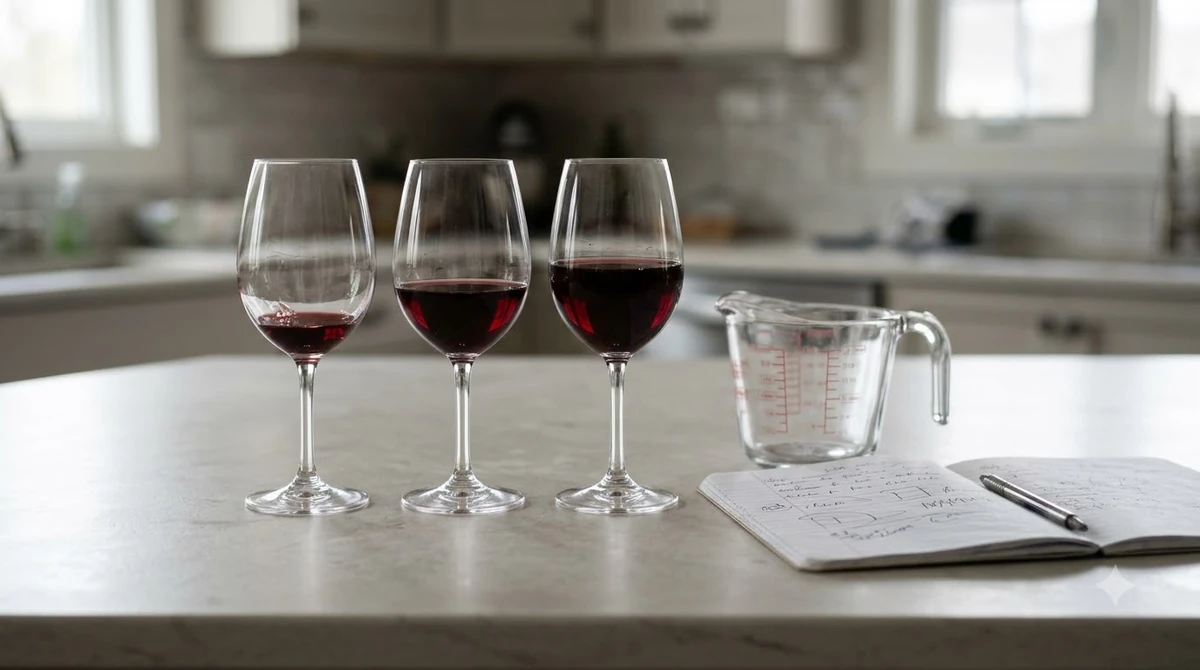
Chilled Straight (Hiyashi): Refrigerating the bottle for two to three hours brings it right to the 45°F–50°F (7°C–10°C) benchmark. As CHOYA Umeshu USA notes, chilling the bottle neat preserves the smooth, undiluted texture of the liqueur while highlighting its crisp fruit acidity. Pour two to three ounces into a small white wine glass or tulip-shaped tasting glass so the aromatics gather toward the rim.
On the Rocks (Umeshu Rokku): Pouring room-temperature or lightly chilled umeshu over a single large ice cube drops the liquid quickly toward 35°F–40°F (2°C–4°C). The slow melt gently softens the syrup-like viscosity of younger bottles and tames their sweetness, making on the rocks the standard order at Japanese izakayas. Avoid crushed ice, which melts too rapidly and leaves the drink watery before you finish the glass.
Soda Highball (Umeshu Soda): Combining one part chilled plum wine with one to two parts cold club soda over ice creates an effervescent, low-ABV aperitif. Carbonation lifts the stone-fruit aroma and scrubs the palate clean between bites of fried or savory food. Ensure both the plum wine and the sparkling water are thoroughly chilled beforehand so the ice does not instantly go flat.
Warm with Hot Water (Oyuwari) or Neat Warmth: During colder months, Japanese drinkers frequently mix equal parts umeshu and hot water heated to roughly 140°F–150°F (60°C–65°C), which settles in the mug at a comforting 104°F–113°F (40°C–45°C). If you prefer warming umeshu neat without dilution, use a gentle water bath—similar to warming mead serving temperature styles in winter—and stop around 104°F (40°C) so alcohol vapors do not overpower the aroma. Never boil plum wine or microwave it on high heat, which drives off delicate fruit esters.
Tip: Keep an unopened bottle in the refrigerator door rather than the coldest back shelf so it stays near 45°F–48°F (7°C–9°C) and is always ready to pour without numbing its stone-fruit aroma.
How to Chill or Warm a Bottle Safely
Bringing plum wine to the right temperature takes only a few minutes with the right technique, and avoiding extreme thermal shock protects its delicate aromatics. Standard household refrigerators run slightly colder than ideal for nuanced sipping, while stovetop overheating can flatten fruit character in seconds.
Most home refrigerators sit between 35°F and 38°F (2°C to 3°C). If you store your plum wine in the main compartment overnight, pull the bottle out 10 to 15 minutes before pouring so it warms naturally into the 45°F–50°F (7°C–10°C) zone. If you bought a bottle off a room-temperature store shelf and need it cold fast, submerge it up to the neck in a bucket filled with equal parts ice and cold water for 15 to 20 minutes; water conducts heat far faster than cold air, chilling the liquid evenly without risking a frozen bottle in the freezer.
When serving plum wine warm neat, place your poured serving inside a heatproof ceramic carafe (tokkuri) and set that vessel into a saucepan of steaming, off-boil water for two to three minutes. Gently swirl the carafe once or twice to distribute heat evenly. Once the liquid feels pleasantly warm to the touch—around 104°F (40°C)—remove it from the water bath and serve immediately in small stoneware cups that retain heat.
Pairing Temperature With Food and Glassware
Matching your serving temperature to the meal on the table turns plum wine from a simple sweet sipper into a versatile food partner. Cooler pours emphasize acid and refreshment for rich or spicy dishes, while warmer, slightly sweeter pours complement desserts and salty snacks.
For savory meals—such as karaage fried chicken, teriyaki-glazed salmon, spicy Thai curries, or Korean barbecue—serve plum wine well chilled between 42°F and 48°F (6°C and 9°C), either neat in a stemmed white wine glass or lengthened with club soda. At this temperature, the bright citric acid cuts through cooking oils and soothes chili heat without clashing with savory umami flavors. A stemmed glass also keeps your warm hands away from the bowl, preventing the pour from heating up mid-meal.
When serving plum wine alongside dessert, blue cheese, roasted nuts, or dark chocolate, let the temperature rise to 50°F–58°F (10°C–14°C), or serve an oyuwari hot-water blend after dinner. At slightly warmer cellar temperatures, the honeyed, marzipan-like richness of aged ume plums mirrors the sweetness of fruit tarts and custards while providing enough lingering tartness to keep your palate refreshed. Exploring broader Wine by Type categories shows the same rule across dessert and fortified bottles: sweetness feels lighter when chilled and deeper when allowed to breathe slightly warmer.
Storage Tips Before and After Opening
Proper storage temperature keeps plum wine tasting vibrant long after you bring it home, preventing oxidation and sugar crystallization. Unopened bottles are fairly resilient, while opened bottles benefit from steady refrigeration.
Store unopened bottles upright in a cool, dark pantry or cabinet away from direct sunlight, ovens, and heating vents, ideally below 65°F (18°C). Ultraviolet light and sustained heat degrade the bright green-plum aromatics and turn the golden liquid dull brown over time. If your bottle contains whole ume plums at the bottom, keeping it cool also slows down excess bitterness leaching from the fruit pits.
Once opened, seal the cap tightly and store the bottle in the refrigerator. Because higher-proof shochu umeshu contains both alcohol (12%–15% ABV) and substantial sugar, it resists spoilage far longer than dry table wine, maintaining peak flavor for one to two months in the fridge. Lower-alcohol fermented plum wines (under 10% ABV) oxidize faster and should be finished within one to two weeks of opening.
Frequently Asked Questions
Should plum wine be served chilled or at room temperature?
Plum wine is best served chilled between 45°F and 50°F (7°C to 10°C) for everyday sipping. Chilling sharpens its natural fruit acidity and keeps its high sugar content from tasting overly syrupy. You can drink aged or sake-based styles closer to room temperature, though standard bottles taste noticeably more balanced when cold.
Can you serve plum wine warm?
Yes, plum wine is traditionally enjoyed warm during colder months in Japan. The most popular method is oyuwari, which blends one part umeshu with one part hot water to create a soothing drink around 104°F to 113°F (40°C to 45°C). You can also warm neat umeshu gently in a hot water bath up to 104°F (40°C), taking care never to boil it.
Is it okay to put ice in plum wine?
Serving plum wine over ice—known in Japan as umeshu rokku—is one of the most popular ways to drink it. A single large ice cube chills the liqueur to around 35°F–40°F (2°C–4°C) and slowly dilutes its thick sweetness as it melts. Avoid crushed ice, which waters down the fruit flavor too quickly.
Does plum wine need to be refrigerated after opening?
Yes, refrigerating an opened bottle of plum wine slows oxidation and preserves its fresh stone-fruit aroma. Standard 12% to 15% ABV umeshu stays fresh in the fridge for up to one or two months when tightly capped. Lower-alcohol fermented plum wines under 10% ABV should be refrigerated and finished within one to two weeks.
Mastering plum wine serving temperature comes down to balancing sweetness against acidity for the moment at hand. Start with a crisp chill between 45°F and 50°F (7°C to 10°C) to let the bright green-plum tartness shine, then experiment with large-format ice, sparkling water, or gentle winter warmth whenever the menu or season calls for a softer, more aromatic pour.
More in Wine Types & Grapes
 What Does Mourvèdre Taste Like? Flavor Profile, Regions, and PairingsUpdated Nov 20, 2026
 What Does Marsanne Taste Like? Flavors, Styles, and Food PairingsUpdated Nov 20, 2026
 What Does Malvasia Taste Like? Styles, Flavors, and Food PairingsUpdated Nov 20, 2026
 What Does Grenache Blanc Taste Like? Flavor Profile, Styles, and PairingsUpdated Nov 20, 2026
 What Does Garnacha Taste Like? Key Flavors, Styles, and Pairing TipsUpdated Nov 20, 2026
 What Does Fruit Wine Taste Like? A Complete Flavor and Style BreakdownUpdated Nov 20, 2026