

We may earn a commission when you buy through links on this page, at no extra cost to you. Learn more.
Petit Manseng wine is a white wine made from a French grape, best known for sweet, late-harvest styles that keep their acidity even at high sugar levels. The grape is grown mainly in southwest France, especially around Jurançon and Madiran, and it has spread to newer vineyards in the United States and Uruguay. Its wines are typically rich and fruity, with a lively backbone that stops them from tasting heavy.
Petit Manseng is a grape many wine drinkers have not heard of, even though it has a long history in one of France’s most distinctive wine regions. Its name appears on bottles from Gascony and the foothills of the Pyrenees, and a growing number of producers are now planting it in other countries. This guide explains where the grape comes from, what its wines taste like, and how to enjoy them.
Where Petit Manseng comes from
According to the Wikipedia entry on the grape, Petit Manseng is a French variety. Its most important home is the South-West of France, where it is grown around Jurançon and Madiran. The wider region of Languedoc is also listed as a notable area for the grape. These are classic wine districts with long traditions, and the grape has been part of local blends and sweet wines for generations.
The grape has also moved beyond France. The same source reports recent interest in California, North Georgia, and Ohio, and it notes that the variety is among the more widely planted white grapes in Virginia. Uruguay already grew it, having received the grape from Basque settlers. This spread shows that the grape can adapt to different climates, though its character is still shaped by where and how it is grown.
Flavor and style of the wine
Petit Manseng is best known as a sweet-wine grape. Growers often leave the fruit on the vine until December so that it can build very high sugar. That late harvest is what gives many dessert wines their concentrated character, with ripe fruit, honeyed notes, and a long finish.
What makes the grape special is its acidity. According to the reference material, it can develop high sugar levels while keeping its acidity. That balance is the key to the wine’s freshness. Without enough acid, a sweet wine can feel flat or syrupy, but Petit Manseng keeps the sweetness lively. The result is a wine that tastes rich without being cloying. Drinkers who enjoy aromatic sweet styles may also like a black muscat wine, which shares some of that lively fruit character.
The role of Jurançon and Madiran
In southwest France, Petit Manseng is usually blended into the sweet wines of Jurançon and Pacherenc du Vic-Bilh. These appellations are known for late-harvest whites, and the grape is one of the key varieties in the blend. Because the local rules and winemaking traditions shape the final style, the same grape can taste slightly different from one producer to the next.
When you read a label from this region, the appellation name often tells you more about the style than the grape name alone. A sweet Jurançon bottle and a sweet wine from a newer vineyard can share the same variety but differ in body, oak, and aging. Checking the region is one of the simplest ways to predict what you will taste.
Where the grape is growing today
Outside France, Petit Manseng is still a niche grape, but its presence is growing. The reference source notes recent interest in California, North Georgia, and Ohio, and Virginia reports it as one of its more widely planted white varieties. In these regions, winemakers are experimenting with new styles while the sweet wines of France remain the reference point.
Because the grape is still relatively uncommon, bottles can be harder to find than more familiar whites. That is part of its appeal for people who enjoy discovering new wines. A bottle from an emerging region can show the grape in a different light, with fruit notes and texture shaped by local climate and winemaking choices.
| Area | What it is known for |
|---|---|
| Jurançon, southwest France | Sweet, late-harvest white wines with high sugar and lively acidity |
| Madiran and Pacherenc du Vic-Bilh | Traditional blends that include the grape |
| Languedoc | A notable region for the grape within France |
| California, North Georgia, Ohio | Recent plantings and experiments in newer styles |
| Uruguay | Early presence brought by Basque settlers |
How to serve Petit Manseng wine
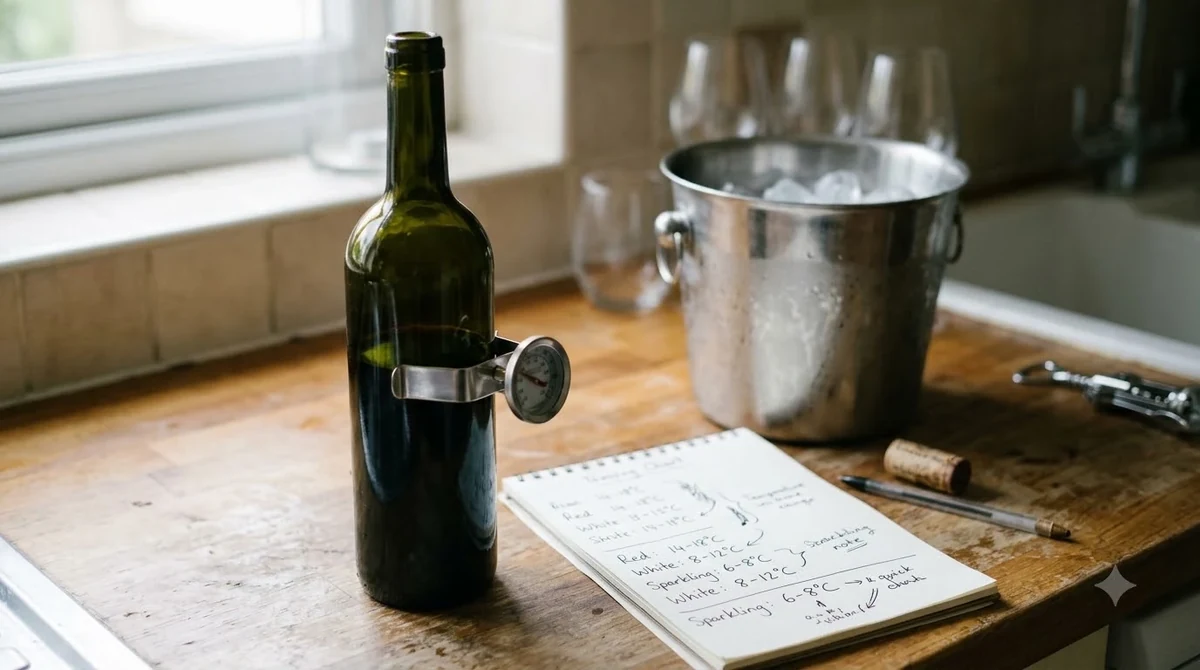
Because many Petit Manseng wines are sweet, they are often served as dessert or after-dinner wines. A small pour in a dessert glass lets the aromas collect and shows the balance between sugar and acid. Serving the wine cool rather than cold helps the fruit and honey notes come forward. Overly cold temperatures can mute the aroma, so take the bottle out of the refrigerator a few minutes before pouring.
Pairings should match the sweetness. Fruit-based desserts such as tarts, baked pears, or stone-fruit cobblers complement the wine’s ripe flavors. Soft cheeses and blue cheeses also work well, since the sweetness contrasts with their salt and fat. For a savory option, try the wine with a plate of roasted nuts or a mild pâté to balance the richness.
How to choose a bottle
When you buy Petit Manseng wine, begin with the region. A bottle from Jurançon or a nearby appellation will usually tell you it is a sweet, late-harvest style. Bottles from newer American or Uruguayan producers may be labeled more generally, so read the back label or ask the shop about the sweetness level. Sweetness is usually stated on the label or in the producer’s description.
If you are new to the grape, start with a half bottle or a smaller format. This lets you try a sweet style without committing to a full bottle. Pair it with a simple dessert and see whether the balance of fruit and acid suits you. Once you know what you like, you can compare styles from different regions, and the Wine by Type guide is a useful next step.
Common mistakes when drinking Petit Manseng
The first mistake is treating every Petit Manseng as dry. Many bottles are sweet, and serving them with a dry, heavy meal can make the wine taste thin. Check the sweetness level before pairing. The second mistake is serving the wine too cold. Chilling it too far can hide the honey and stone-fruit aromas that make the grape interesting.
A third mistake is storing the wine poorly. Sweet wines are sensitive to heat and light, so keep the bottle in a cool, dark place. Once opened, a sweet wine can keep for a few days if it is re-corked and refrigerated, but its aromas will gradually fade.
Frequently Asked Questions
Is Petit Manseng wine sweet?
Often, yes. The grape is mainly known for sweet, late-harvest wines, where growers let the fruit hang on the vine to build high sugar. Its acidity keeps those sweet wines fresh.
Where is Petit Manseng grown?
Its main home is southwest France, around Jurançon and Madiran. It is also grown in Languedoc, and it has been planted in California, North Georgia, Ohio, Virginia, and Uruguay.
What does Petit Manseng taste like?
Sweet examples are typically rich, with ripe fruit and honeyed notes. The acidity keeps the wine lively, so the finish feels clean rather than syrupy.
How is Petit Manseng different from Auslese?
Both can be sweet and late-harvested, but they come from different grapes and regions. An auslese wine is a German style of sweet wine, while Petit Manseng is a French grape that is best known in southwest France. Their flavors and acidity can differ noticeably.
Petit Manseng is a grape that rewards curiosity. Its sweet wines show how acidity can keep a rich wine fresh, and its spread to new regions is making it easier to find. Start with a small bottle, pair it with fruit or soft cheese, and you will see why the grape has a loyal following in southwest France.
More in Wine Types & Grapes
 Zinfandel Sugar Content: Dry Red vs. White Zinfandel GramsUpdated Nov 21, 2026
 Best Zinfandel Substitute Options for Sipping and CookingUpdated Nov 21, 2026
 Zweigelt Food Pairing: Best Dishes, Cheeses, and Serving TipsUpdated Nov 21, 2026
 Zinfandel Tannins Explained: How Structure Shapes Every BottleUpdated Nov 21, 2026
 Zinfandel Sweetness Level: Dry Red vs. Sweet White Zin ExplainedUpdated Nov 21, 2026
 Xinomavro Food Pairing: Best Dishes, Styles, and Serving TipsUpdated Nov 21, 2026