

We may earn a commission when you buy through links on this page, at no extra cost to you. Learn more.
A pet nat cocktail is a sparkling mixed drink built with pétillant naturel (pét-nat), an ancestral-method bubbly bottled mid-fermentation without added yeast or sugar. Replacing Champagne or Prosecco with pét-nat introduces softer carbonation, bright natural acidity, and unfiltered fruit or yeasty character to classics like the French 75, Bellini, Mimosa, and Spritz. Most pét-nat wines sit around 9% to 12% ABV and should be served deeply chilled at 43°F to 46°F (6°C to 8°C) to keep the lively bubbles in check.
Because pét-nat finishes its first and only fermentation inside the bottle under a crown cap, every pour carries a slightly wild, farmhouse energy that changes how a mixed drink behaves in the glass. Rather than relying on crisp, uniform Champagne bubbles to cut through heavy syrups, bartenders and home hosts use pét-nat to bring fresh orchard fruit, citrus tang, and subtle lees texture to low-proof, sessionable drinks.
What Makes a Pet Nat Cocktail Different
Pétillant naturel—French for “naturally sparkling”—uses the ancient méthode ancestrale, which yields lower bottle pressure, lighter alcohol, and more expressive aromatics than traditional-method sparkling wine.
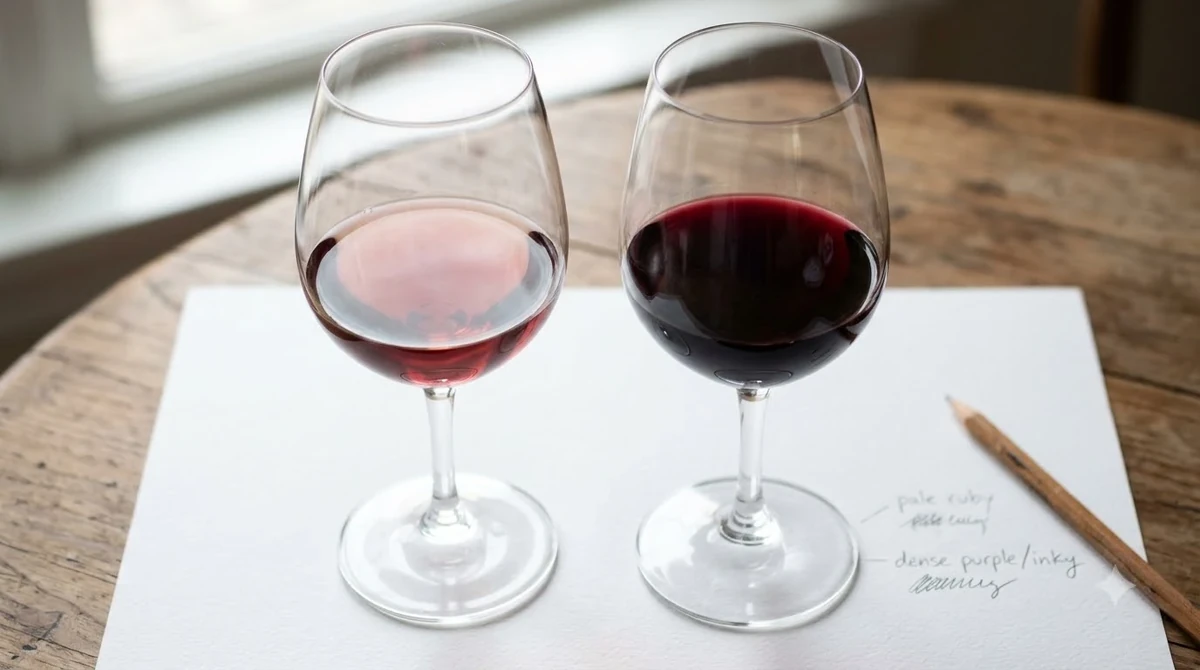
According to Wine Enthusiast’s Pét-Nat Primer, winemakers bottle pét-nat while its primary fermentation is still active so that trapped carbon dioxide dissolves naturally into the liquid. Unlike Champagne or Cava, there is no secondary fermentation triggered by a dosage of extra sugar and yeast. That single-fermentation path leaves behind gentle, creamy effervescence rather than aggressive, high-pressure bubbles, allowing fruit and floral notes to shine immediately upon opening.
That structural difference matters the moment you build a drink. Because pét-nat is rarely disgorged, most bottles retain fine yeast sediment (lees) that lends a savory, cider-like roundness and slight cloudiness. When mixed with botanical gin, bitter amari, or fresh stone-fruit purée, that natural texture bridges ingredients together without needing heavy simple syrup. Furthermore, because the pet nat alcohol content typically ranges between 9% and 12% ABV, cocktails built on a pét-nat base stay refreshingly light even when fortified with an ounce of base spirit.
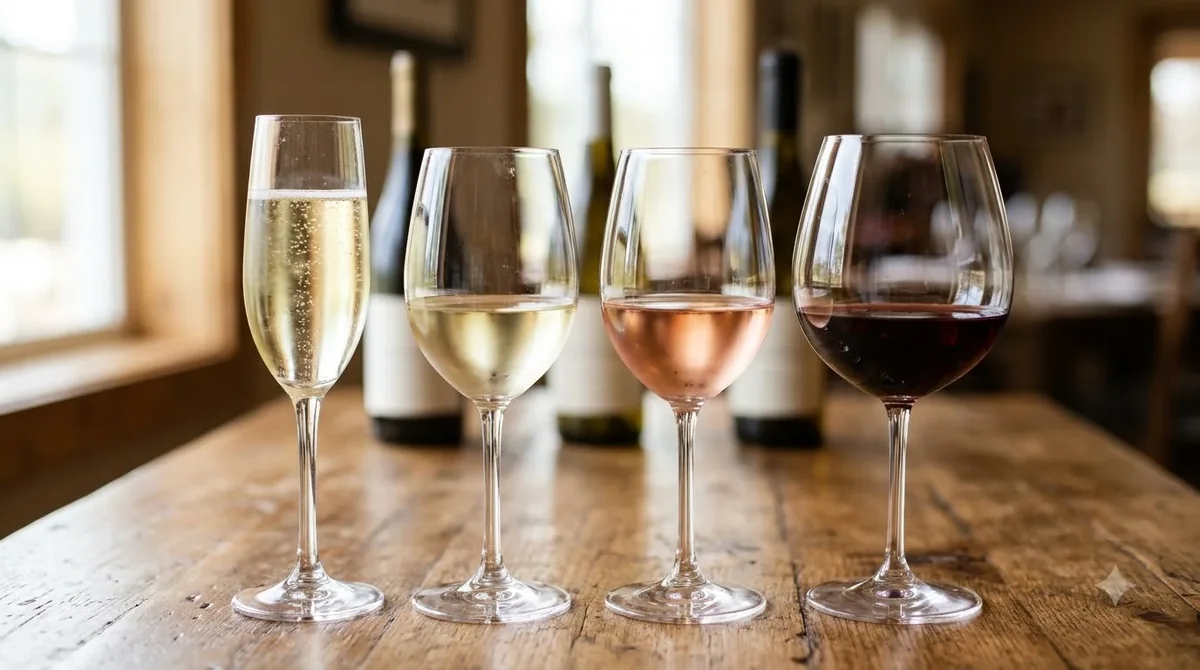
Winemakers also craft pét-nat from a wide spectrum of grapes—from crisp Chenin Blanc and Mauzac to red-fruited Gamay, Cabernet Franc, and Pinot Noir—meaning you can match the base wine’s color and acidity directly to your mixer. A tart white pét-nat sharpens citrus-driven builds, while a dry rosé or chilled red pét-nat adds berry depth to spritzes and cobblers without artificial flavoring.
Core Ingredients and Ratios for a Pet Nat Cocktail
Successful pét-nat mixed drinks balance a dry or off-dry sparkling base against measured portions of acid, bitter liqueur, or aromatic spirits so the delicate fizz stays lively.
Because pét-nat carries softer carbonation than tank-method Prosecco, over-diluting the glass with crushed ice or heavy juice can flatten the drink quickly. Classic builds keep non-sparkling mixers compact—usually between 0.5 ounces and 2.5 ounces—while letting 3 to 5 ounces of chilled pét-nat form the backbone of the glass. Reviewing standard proportions across Snow Farm Vineyard’s pét-nat cocktail recipes and classic wine-cocktail templates highlights five reliable blueprints for home bartending.
| Cocktail Style | Pét-Nat Base | Spirit or Liqueur | Juice, Purée, or Modifier | Glassware & Garnish |
|---|---|---|---|---|
| Pét-Nat French 75 | 3 oz dry white pét-nat | 1 oz London dry gin | 0.5 oz fresh lemon juice, 0.5 oz simple syrup | Tulip glass or flute; expressed lemon twist |
| Pét-Nat Spritz | 3 to 4 oz white or rosé pét-nat | 1.5 to 2 oz Aperol or bitter amaro | Splash of club soda over large ice cubes | Stemmed wine glass; fresh orange wheel |
| Pét-Nat Bellini | 4 oz crisp white pét-nat | None (optional 0.25 oz peach brandy) | 2 to 2.5 oz fresh white peach purée | Chilled tulip glass; thin peach slice |
| Pét-Nat Mimosa | 2.5 to 3 oz dry white pét-nat | None (optional 0.5 oz orange liqueur) | 2.5 to 3 oz freshly squeezed orange or grapefruit juice | White wine glass; orange peel twist |
| Pét-Nat Kir Royale | 4 to 5 oz dry white or rosé pét-nat | 0.5 to 0.75 oz crème de cassis | None (let liqueur sweeten and tint the wine) | Tulip glass; fresh blackberry or lemon twist |
Notice how each formula avoids shaking the sparkling wine itself. Shaking pét-nat releases trapped carbon dioxide instantly and risks overflowing the tin. Instead, spirits, citrus, and syrups are shaken or stirred first, strained into chilled glassware, and topped gently with the wine at the very end.
How to Build a Classic Pet Nat Cocktail Step by Step
Preparing a pét-nat mixed drink requires gentle handling of the bottle, proper temperature control, and building the base flavors before adding the sparkling wine.
Using the Pét-Nat French 75 as a reference template demonstrates how to preserve maximum effervescence and aroma from start to finish. Follow these sequential steps whenever you mix with ancestral-method sparkling wine:
- Chill every component thoroughly: Place the unopened pét-nat bottle upright in the refrigerator for at least four hours until it reaches 43°F to 46°F (6°C to 8°C), and chill your serving glass in the freezer for ten minutes.
- Decide whether to settle or rouse the lees: If you want a crystal-clear cocktail, leave the upright bottle undisturbed so yeast sediment stays at the bottom; if you want a richer, creamier texture, invert the bottle gently once before opening without shaking.
- Open the crown cap slowly over a ready glass: Hook a standard bottle opener under the cap and ease it upward with steady pressure, tilting the neck toward your glass in case active yeast causes light foaming.
- Shake the non-sparkling base ingredients: Combine 1 ounce gin, 0.5 ounce fresh lemon juice, and 0.5 ounce simple syrup in a cocktail shaker filled with solid ice cubes, then shake briskly for 10 to 12 seconds until frosty.
- Strain and top gently with pét-nat: Fine-strain the chilled citrus-gin mixture into your glass, tilt the glass at a 45-degree angle, and slowly pour 3 ounces of pét-nat down the inside wall to protect the bubbles.
- Garnish and serve immediately: Express a strip of fresh lemon peel over the surface to release citrus oils, drop it into the glass, and serve right away without vigorous stirring.
Tip: Never shake or aggressively stir pét-nat after pouring; a single gentle lift with a bar spoon is enough to integrate dense fruit purées or liqueurs without knocking out the soft carbonation.
Choosing the Right Pet Nat Style for Your Drink
Matching the grape variety, sweetness level, and color of your bottle to the cocktail’s flavor profile prevents clashing acidity or muddled fruit notes.
According to VinePair’s Wine 101 guide to pét-nat, producers make this style from virtually any grape variety, though naturally high-acid grapes remain the most popular choice. When shopping across different wine types for home mixing, pay close attention to color and residual sugar cues on the label. Dry white pét-nats made from Chenin Blanc, Sauvignon Blanc, Riesling, or Pinot Grigio offer green apple, pear, and wet-stone crispness that behave reliably in gin, vodka, and herbal liqueur builds.
Rosé and red pét-nats open up a completely different set of possibilities. Bottles pressed from Gamay, Pinot Noir, Zweigelt, or Cabernet Franc deliver tart cranberry, wild strawberry, and subtle earthy spice. These work exceptionally well in a Pét-Nat Kir Royale with crème de cassis, a grapefruit-and-Campari spritz, or a seasonal sangria garnished with fresh berries and orange peel. If a bottle leans noticeably off-dry—common in warm-vintage or intentionally sweeter ancestral styles—dial back the simple syrup or liqueur by half so the finished cocktail stays brisk and balanced.
Serving Temperature, Glassware, and Storage
Serving temperature and glass shape directly govern how well a pet nat cocktail holds its fizz and projects its fresh fruit aromatics.
Because active yeast can make ancestral-method bottles energetic upon opening, maintaining the proper pet nat serving temperature of 43°F to 46°F (6°C to 8°C) is essential. Warm bottles release carbon dioxide too rapidly, causing gushing at the neck and leaving flat wine for your drinks. Keep opened bottles chilled in an ice bucket between rounds if you are batching cocktails for guests.
Glassware also plays a decisive role in aroma and texture. While narrow Champagne flutes look festive, their tight opening traps delicate orchard-fruit and yeasty aromas while concentrating bubbles into a sharp prickle. A tulip-shaped sparkling glass or a standard universal white wine glass gives the cocktail room to breathe while tapering enough at the rim to preserve effervescence. For spritzes and mules served over ice, use large, dense ice cubes rather than crushed ice so slow melting does not water down the wine’s natural acidity.
What to Serve With Pet Nat Cocktails
High natural acidity and gentle bubbles make pét-nat cocktails natural companions for salty snacks, rich cheeses, and crisp fried foods.
When planning a menu around pet nat food pairing principles, lean into dishes that benefit from a palate-cleansing burst of citrus and carbonation. Salty, briny appetizers—such as fresh oysters, marinated olives, prosciutto-wrapped melon, and potato chips—contrast cleanly with the fruity lift of a Pét-Nat Spritz or French 75. Soft-ripened cheeses like young goat cheese, Brie, and warm baked gougères also shine alongside the creamy lees texture of an unfiltered white pét-nat.
For brunch gatherings or outdoor picnics, pair Pét-Nat Mimosas and Bellinis with rich egg dishes like Eggs Benedict, smoked salmon tartines, or crispy fried chicken. The subtle residual sugar found in many ancestral-method sparklers even tames moderate heat in spicy dishes such as Szechuan noodles, fish tacos, or tandoori skewers without making the alcohol feel heavy on the palate.
Frequently Asked Questions
Can I substitute pét-nat for Champagne or Prosecco in any cocktail?
Yes, pét-nat works as a direct one-to-one substitute for Champagne or Prosecco in classic sparkling cocktails like the French 75, Mimosa, Bellini, and Aperol Spritz. Because pét-nat has softer bubbles and sometimes a hint of natural sweetness or yeast character, taste your base wine first and reduce added simple syrup slightly if the bottle is off-dry.
Should I shake or swirl the sediment into my pét-nat before mixing?
Never shake a bottle of pét-nat, as agitation triggers rapid foaming and overflow when you pop the crown cap. For clear cocktails, keep the bottle chilled upright so sediment settles at the bottom; for a cloudier, creamier mouthfeel, gently turn the closed bottle upside down once or twice before opening.
How long does an opened bottle of pét-nat last for cocktails?
An opened bottle of pét-nat stays bright and bubbly for one to two days when sealed tightly with a sparkling wine stopper and stored upright in the refrigerator. Because pét-nat starts with lower carbon dioxide pressure than Champagne, its effervescence fades faster, making leftover wine ideal for spirit-forward cocktails that do not rely solely on fizz.
Are pét-nat cocktails lower in alcohol than standard mixed drinks?
Generally, yes—most pét-nat wines fall between 9% and 12% ABV, which is lower than many still wines and high-proof base spirits. Cocktails made purely with pét-nat and fruit purée or juice, such as a Bellini or Mimosa, stay decidedly low-proof, while spirit-spiked versions like a Pét-Nat 75 remain lighter than traditional shaken cocktails.
Mixing with ancestral-method sparkling wine rewards a light touch, cold glassware, and fresh seasonal ingredients. Once you match a crisp white, rosé, or red pét-nat to your favorite citrus or bitter liqueur base, you get a lively, unpretentious drink built for easy pouring.
More in Wine Types & Grapes
 What Does Mourvèdre Taste Like? Flavor Profile, Regions, and PairingsUpdated Nov 20, 2026
 What Does Marsanne Taste Like? Flavors, Styles, and Food PairingsUpdated Nov 20, 2026
 What Does Malvasia Taste Like? Styles, Flavors, and Food PairingsUpdated Nov 20, 2026
 What Does Grenache Blanc Taste Like? Flavor Profile, Styles, and PairingsUpdated Nov 20, 2026
 What Does Garnacha Taste Like? Key Flavors, Styles, and Pairing TipsUpdated Nov 20, 2026
 What Does Fruit Wine Taste Like? A Complete Flavor and Style BreakdownUpdated Nov 20, 2026