

We may earn a commission when you buy through links on this page, at no extra cost to you. Learn more.
The pessac leognan wine region is a Bordeaux appellation on the Left Bank, known for Cabernet Sauvignon-led reds and complex, dry white wines. Its vineyards sit just south and southwest of Bordeaux, where gravel-rich soils, a maritime climate, and historic estates shape both styles. Knowing the main grapes, the 1953 Graves classification, and the differences between red and white bottles makes it easier to choose a wine that suits your table.
Pessac-Léognan offers a distinctive side of Bordeaux: structured reds with ripe fruit and mineral notes, alongside whites that balance citrus freshness with texture and the ability to develop in bottle. The guide below explains where the appellation is, how its soils affect the wines, which producers and styles to look for, and how to serve them. For context on how French appellations fit together, see our wider Wine Regions overview.
Where the Appellation Sits in Bordeaux
The pessac leognan wine region occupies the northern part of the historic Graves area, on Bordeaux’s Left Bank west of the Garonne River. It is a defined appellation of 10 communes rather than a single village, and its vineyards are unusually close to a major city.
The communes are Pessac, Léognan, Mérignac, Talence, Gradignan, Canéjan, Villenave-d’Ornon, Cadaujac, Martillac, and Saint-Médard-d’Eyrans. The Bordeaux wine authority describes approximately 1,880 hectares under vine, with 56 winegrowing estates and around 70 châteaux. The figures refer to the appellation as a whole, not to one continuous block of vineyards: vines, woodland, streams, roads, and residential neighborhoods share the landscape. A tram journey of about 20 minutes from central Bordeaux can bring visitors close to vineyards and walking paths.
The name is comparatively modern, but the local wine history is much older. The appellation was formally recognized on September 9, 1987, following a campaign associated with André Lurton. The regional body notes that vines were planted here more than 2,000 years ago, while the French appellation specification traces the historic Graves vineyard to the ancient port of Bordeaux. Pessac-Léognan identifies the northern Graves zone whose soils, estates, and wine styles had a distinct identity within the larger area.
That distinction matters when reading a label. Graves and Pessac-Léognan are both Left Bank Bordeaux appellations, but a bottle labeled Pessac-Léognan must come from the more specifically defined northern zone. The appellation includes both red and dry white wines; it is not the sweet-wine territory associated with Sauternes and Barsac farther south. The Pessac-Léognan growers’ association describes the combination of city-edge vineyards, two wine colors, and gravel terroir as central to the area’s identity.
Gravel, Clay, and a Maritime Climate
Gravel is the signature feature of Pessac-Léognan, but the vineyards are not planted on one uniform soil. Layers of rounded stones, sand, clay, limestone, and older sediment create a patchwork that helps explain differences between neighboring estates and even between parcels within one property.
The gravel and pebbles are ancient deposits left by changing courses of the Garonne and its tributaries. The French appellation specification describes gravel and rounded stones reaching three meters or more in thickness in some places, alongside clay-limestone soils, sand, and fossil shell deposits known locally as faluns. The pebbles can absorb warmth and release it after sunset, while permeable, gently sloping ground lets rainwater drain away. These conditions can support ripening for Cabernet Sauvignon, which benefits from warmth and well-drained soils.
Not every parcel is pure gravel. Clay holds more water and can moderate vine stress during dry spells; limestone and sandy sections contribute other drainage and water-retention patterns. Growers therefore match grape varieties and vineyard work to local conditions instead of assuming all Cabernet Sauvignon belongs on the deepest gravel or all Merlot belongs on clay. The result is a mosaic of growing environments, not a simple formula in which one soil always produces one flavor.
The climate adds another layer. The nearby city of Bordeaux moderates temperatures to the north, the Garonne helps reduce frost risk to the east, and the Landes forest shelters vineyards from some winds to the west. The Atlantic influence brings regular moisture and a temperate growing season. Small streams—including the Peugue, Eau Bourde, Eau Blanche, Breyra, and Saucats—feed into the Garonne and form part of the local drainage network. Together, these influences help maintain ripening conditions while preserving differences between sites.
Red Wines Built Around Cabernet Sauvignon
Red Pessac-Léognan is generally a Bordeaux blend led by Cabernet Sauvignon and Merlot. Cabernet supplies structure, dark fruit, and firm tannin; Merlot rounds the blend with softer texture and plum-like fruit, while smaller amounts of other Bordeaux varieties can add aromatic detail.
The appellation specification authorizes Cabernet Sauvignon, Merlot, Cabernet Franc, Petit Verdot, Malbec (also called Cot), and Carménère for red wines. Cabernet Sauvignon is often the backbone, especially on gravelly sites where the stones help store heat and the soils drain freely. Merlot contributes suppleness and can be particularly useful where clay is more prominent. Cabernet Franc may bring freshness and floral lift, while Petit Verdot, Malbec, and Carménère are supporting grapes used according to the producer’s blend and vineyard conditions.
In a young red, expect blackcurrant, dark cherry, plum, cedar, and sometimes a savory or smoky edge. The texture is usually structured rather than heavy: Cabernet’s tannin gives grip, while fruit and Merlot help keep the wine balanced. With age, the fruit can become less primary and aromas may move toward tobacco, leather, dried herbs, earth, and spice. Oak maturation can add toast and spice, though the amount of new wood varies by château and vintage. For a young, full-bodied bottle with noticeable tannin, allow 30 to 60 minutes in a decanter; mature bottles may need less air and should be handled gently.
These reds suit dishes with savory depth and some fat. Roast lamb, grilled beef, duck, mushroom-rich dishes, and slow-cooked short ribs can complement the fruit and tannin. Salt and fat soften tannin, making a well-seasoned roast or buttery sauce a natural partner. Strong chili heat can make alcohol and tannin feel more pronounced, so mild seasoning is usually a safer direction.
Dry White Wines with Depth and Freshness
White Pessac-Léognan is dry, not sweet, and is built mainly from Sauvignon Blanc and Sémillon. Sauvignon gives freshness, citrus, and aromatic lift; Sémillon contributes body, texture, and a rounder, sometimes waxy character.
The appellation also permits Sauvignon Gris and Muscadelle. Sauvignon Gris can add aromatic breadth, while Muscadelle is often used in smaller proportions for floral notes. The regional growers’ association estimates that dry whites account for about one-fifth of appellation volume. That makes them a smaller part of local production than reds, but they are an important reason Pessac-Léognan stands apart from many other Bordeaux appellations.
In their youth, these whites can show lemon, grapefruit, white peach, pear, fresh herbs, and floral notes. The best examples combine lively acidity with a broader mid-palate, especially when Sémillon is a meaningful part of the blend. Oak fermentation or maturation can add creaminess, toast, and spice; age can bring honeyed, waxy, nutty, and floral notes. Decanter’s panel discussion notes that top dry Graves and Pessac-Léognan whites can be enjoyable young yet also keep very well. Its white Graves tasting analysis explains how gravel, Sauvignon Blanc, Sémillon, and oak contribute to the style.
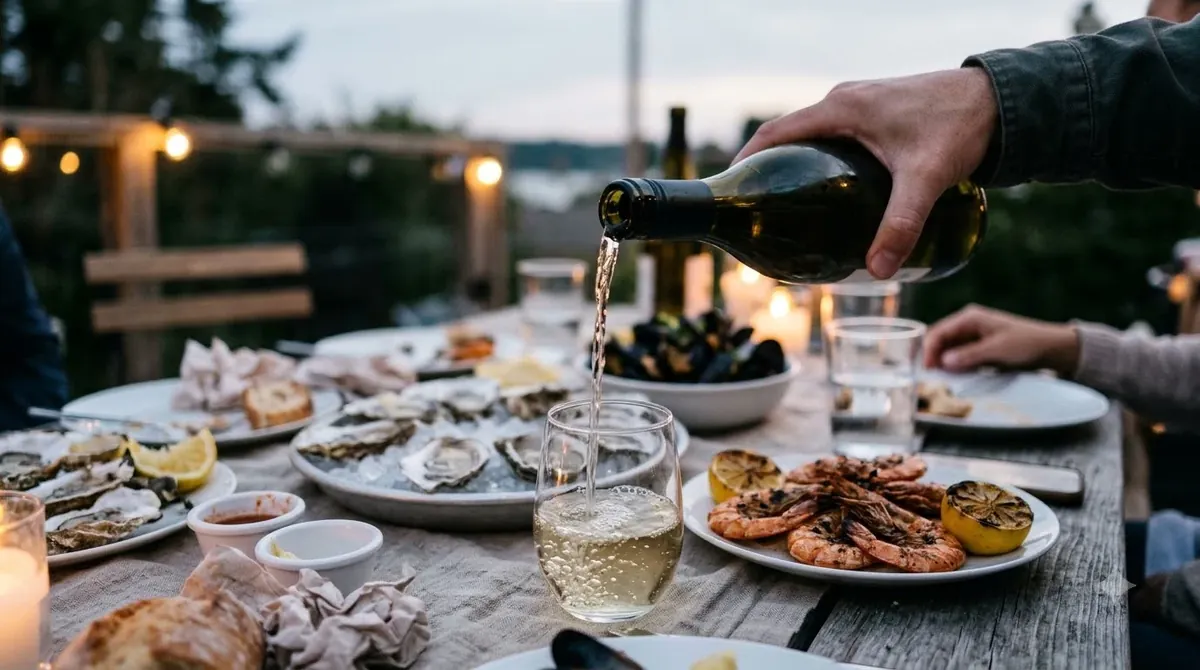
Serve these whites with roast chicken, shellfish, grilled prawns, white fish with lemon, creamy vegetable dishes, or goat cheese. Their acidity helps balance buttery sauces and richer seafood preparations, while Sémillon’s texture can stand up to poultry and herbs. For a comparison with another region where freshness is central but the climate and soils differ, our Savoie wine region overview offers a useful contrast.
The Graves Classification and Estates to Know
Pessac-Léognan’s reputation is closely linked to the 1953 classification of the Grands Crus Classés de Graves. Fourteen classified estates are located in the appellation, and the system recognizes both red and white wines rather than focusing exclusively on one color.
The classification is separate from the famous 1855 Bordeaux classification, although one Pessac-Léognan château appears in both. Château Haut-Brion is a First Growth in the 1855 classification and is also part of the classified Graves tradition. That dual status makes it a useful landmark for understanding the region’s history: Pessac-Léognan is geographically part of Graves, but it has a strong identity of its own and a place in the wider hierarchy of Bordeaux.
Other names frequently associated with the area include Château La Mission Haut-Brion, Château Pape-Clément, and Château Laville Haut-Brion near Pessac. Farther south, around Léognan and its neighboring communes, notable estates include Château Bouscaut, Château Carbonnieux, Château de Fieuzal, Château Larrivet Haut-Brion, Château Smith Haut Lafitte, and Domaine de Chevalier. These producers illustrate why it is useful to look beyond the appellation-wide profile: estate style, blend, vintage, and vineyard site can all change the character of a bottle.
Classification is a helpful starting point, not a guarantee that every classified wine will suit every drinker or occasion. Some estates are known for polished, age-worthy reds; others have particularly respected whites, and some produce both. Excellent bottles also come from estates outside the classification. Compare the wine’s color, vintage, blend, and intended drinking window rather than treating the classified status as the only measure of quality.
How to Choose, Serve, and Pair Pessac-Léognan
Choose a red when you want structure, dark fruit, and a wine that can accompany a substantial meal; choose a white for dry, fresh flavors with enough texture to handle richer foods. Serve full-bodied reds at 60–65°F and full whites at 50–55°F; temperature and food pairing make a noticeable difference, particularly with Cabernet-led reds and oak-influenced whites.
| Wine or service step | Practical number | Why it helps |
|---|---|---|
| Pessac-Léognan red | 60–65°F | Allows dark fruit, oak, and tannin to show without the wine feeling hot. |
| Pessac-Léognan dry white | 50–55°F | Preserves freshness while allowing Sémillon texture and oak nuances to emerge. |
| Young, full-bodied red | 30–60 minutes in a decanter | Gives a structured wine time to open before the meal. |
| Standard bottle and pour | 750 ml; about five 5-oz glasses | Helps plan a bottle for dinner without overpouring. |
For reds, pair Cabernet-led blends with beef, lamb, duck, lentils, grilled mushrooms, or aged hard cheese; protein, salt, and fat help make firm tannins feel more supple. Merlot-rich blends can work with roast pork, meatloaf, or tomato-based braises, while a structured Cabernet-driven bottle can stand up to steak or slow-cooked beef. Avoid pairing a strongly tannic red with oily fish. For whites, use acidity as the guide: Sauvignon-led blends work with oysters, prawns, white fish, asparagus, goat cheese, lemon, and fresh herbs, while a rounder Sémillon-rich white can pair with roast chicken, scallops, creamy pasta, or mushrooms. Acidic foods need a wine with equal or higher acidity, and a fuller, barrel-aged white can handle richer sauces than a very lean, youthful style.
Tip: Chill a Pessac-Léognan red briefly before serving rather than leaving it beside a warm stove. For a white, take the bottle out of the refrigerator a short time before pouring so its texture and aroma are not muted by excessive cold.
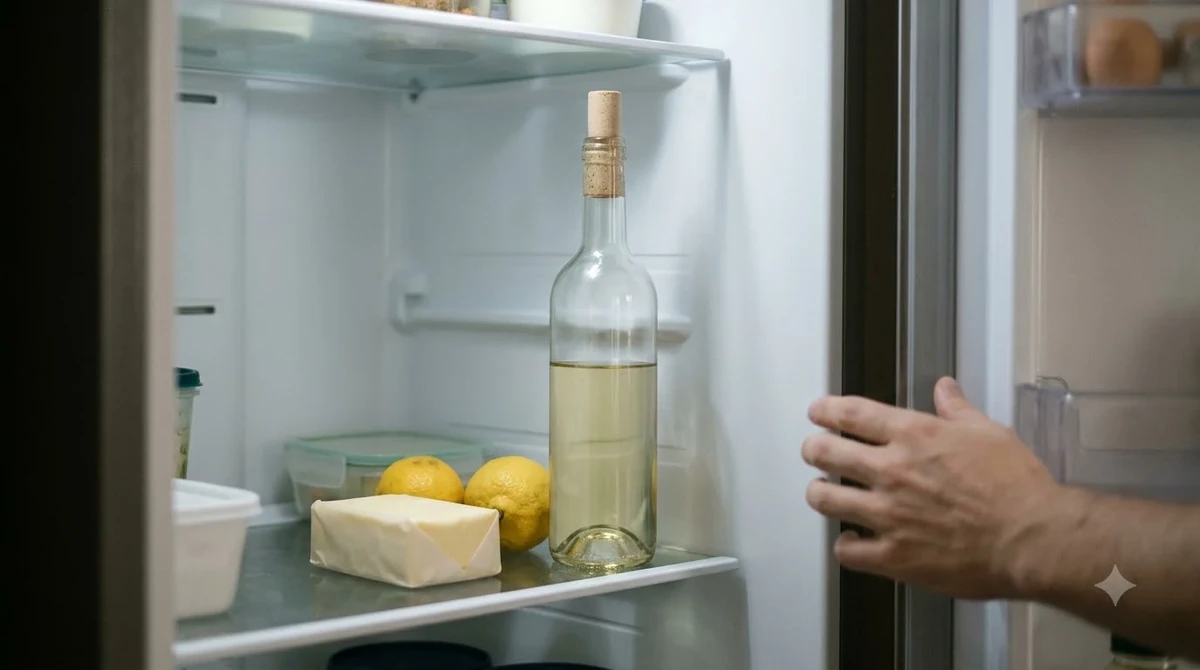
When opening a bottle, pour about 5 ounces into each glass and let the wine develop in the glass rather than filling it to the rim. Store unopened bottles on their sides in a cool, steady place near 55°F, away from sunlight and vibration. Once opened, keep the bottle in the refrigerator and use a stopper; most still wines are best finished within three to five days. The right serving routine will not change the vineyard or vintage, but it can help the wine show its balance more clearly.
Frequently Asked Questions
The appellation’s rules set boundaries beyond its geography and grape varieties. These answers cover production details that can help explain what the name on a bottle guarantees.
Can Pessac-Léognan be sparkling or rosé?
No. The appellation specification reserves Pessac-Léognan for still red and white wines, so sparkling and rosé wines do not qualify for the name. The white wines are dry rather than sweet.
How densely must the vines be planted?
The appellation rules set a minimum planting density of 6,500 vine plants per hectare. They also limit the maximum spacing between rows to 1.60 meters, with at least 0.80 meters between vines within a row.
Is there a minimum natural alcohol requirement?
Yes. The appellation specification sets a minimum natural alcoholic strength of 11% by volume. This is a production requirement, not a promise that every finished bottle will have exactly 11% alcohol.
Do the appellation rules set minimum aging dates?
Yes. Red wines must be aged at least until September 15 of the year following the harvest, while whites must be aged until at least March 15 of that following year. The rules also set consumer-market release dates of October 1 for reds and March 30 for whites in the year after harvest.
Does a vineyard qualify just because it is inside one of the 10 communes?
No. The appellation is based on a delimited parcel area approved by France’s national origin and quality institute, INAO. A winery address within one of the 10 communes does not automatically make every nearby vineyard parcel eligible to produce Pessac-Léognan.
Pessac-Léognan is a rewarding place to explore because its reds and whites express different sides of the same gravel-rich, maritime landscape. Start with the color and style you enjoy most, then compare producers and vintages to discover how much variety can fit within a compact stretch of Bordeaux’s Left Bank.
More in Wine Regions
 Willcox Wine Trail: Discover Arizona’s High-Elevation Wine CountryUpdated Nov 20, 2026
 Yakima Valley Wine Region: Find the Best Styles to TryUpdated Nov 20, 2026
 Vosne Romanee Wine Tasting: Identify Aromas and Choose Better PairingsUpdated Nov 20, 2026
 Yakima Valley Wine Festival: Find the Best Seasonal Wine EventsUpdated Nov 20, 2026
 Wales Vineyards: Discover Cool-Climate Wines and Where to VisitUpdated Nov 20, 2026
 Yountville Wine Festival: Discover Napa Wines and Local FoodUpdated Nov 20, 2026