

We may earn a commission when you buy through links on this page, at no extra cost to you. Learn more.
pasabahce champagne glasses are a broad range of flute and coupe designs that give buyers several capacities and silhouettes for serving sparkling wine. The practical appeal is choice: listed flutes range from compact 150 ml styles to larger 210 ml designs, while the Twist coupe offers a wider 280 ml bowl. They suit casual entertaining and regular toasts, but anyone choosing a glass mainly for detailed Champagne aroma should compare the narrow flute with a tulip-shaped wine glass before buying.
Paşabahçe is not selling one standardized champagne glass under a single model name. Its catalog and retail listings cover different families, including Casual, Wavy, Twist and Maldive, with meaningful differences in height, capacity and shape. This review focuses on documented model specifications, the drinking experience implied by each shape, and the trade-offs that matter in a home cabinet.
Specs and Key Features
The range is best understood as a family of individual glass designs rather than one fixed product. The comparison below uses listed capacities and dimensions published for specific Paşabahçe models, so it is useful for choosing a shape without assuming every flute is the same size.

| Model or collection | Type | Listed capacity | Height | What stands out |
|---|---|---|---|---|
| Casual 440413 | Flute | 165 ml / 5.5 US oz | 220 mm / 8.7 in | Classic narrow flute profile |
| Wavy 440292 | Flute | 190 ml / 6.5 US oz | 225 mm / 8.9 in | Larger listed capacity in a tall format |
| Twist 44307 | Flute | 150 ml / 5 US oz | 210 mm / 8.3 in | Compact capacity |
| Twist 44616 | Coupe | 280 ml / 9.5 US oz | 160 mm / 6.3 in | Wide, shallow bowl |
| Maldive 440041 | Flute | 180 ml / 6 US oz | 215 mm / 8.5 in | Mid-size flute format |
The Paşabahçe retail catalog identifies the Twist flute as model 44307 at about 150 ml and 210 mm tall, and the matching Twist coupe as model 44616 at about 280 ml and 160 mm tall. A coupe is shorter and wider, while a flute gives a smaller opening and taller column for bubbles. The catalog also lists a 180 ml Maldive flute; dealer pages list Casual 440413 at 165 ml and 220 mm high, and Wavy 440292 at 190 ml and 225 mm high.
That 40 ml difference between the 150 ml Twist and 190 ml Wavy affects headroom and proportions, even if both are marketed as flutes. Do not confuse total capacity with a sensible serving pour: the 150 ml Twist is almost exactly 5 US ounces at maximum capacity, so a full 5-ounce pour would leave very little headspace. A slightly smaller pour is more practical in that model; the 165 ml Casual and larger flutes offer more room. Available specifications do not consistently state glass composition, rim thickness, dishwasher suitability or stem construction, so treat those details as unknown rather than assumed.
Tip: Leave headspace for bubbles. A 150 ml flute is nearly full at a 5-ounce pour, so serve a little less in that size rather than filling to the rim.
What Owners Like
The strongest reasons to consider this range are its choice of silhouettes, straightforward flute proportions and a few model sizes that work for different occasions. Public listings for the specific model codes do not provide a dependable, consolidated sample of verified owner comments, so the points here describe documented product advantages rather than pretending there is a large owner-review consensus.
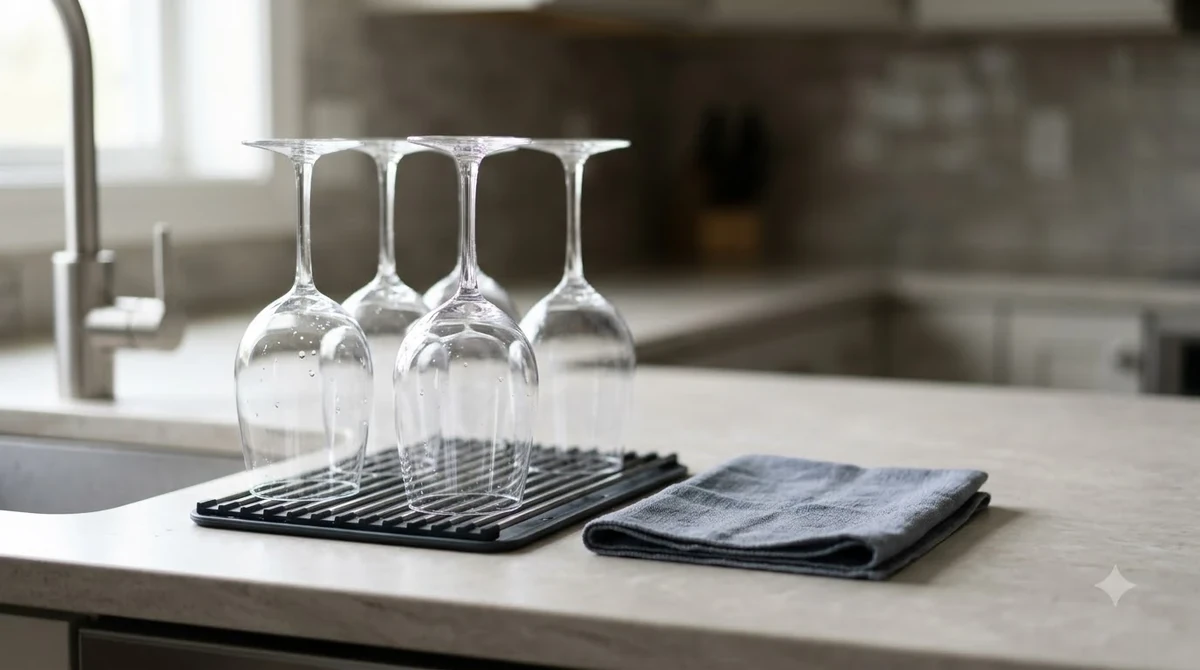
For a traditional toast, the flute shape is the clearest advantage. Its narrow body makes rising bubbles easy to see and gives the glass the familiar celebratory appearance many hosts want for weddings, holidays and New Year’s Eve. Wine Enthusiast’s discussion of Champagne glass shapes notes that professional supporters of flutes value their display of effervescence and their ability to concentrate aromas in a narrower opening. That makes the Casual 165 ml or Maldive 180 ml a sensible style choice for people who prize the classic presentation over a more open tasting bowl.
There are genuine size choices rather than only superficial decoration changes. The 150 ml Twist flute suits a modest pour, the 190 ml Wavy is slightly roomier, and the 280 ml Twist coupe offers a distinct presentation that can also suit sparkling cocktails. The official retail listing includes families such as Maldive, Moda, Omnia, Prague and Romantica, while the broader catalog also includes Casual, Wavy and Twist. Matching a table setting is easier when you compare collection names and item numbers, because similar-looking glasses can have different capacities.
The defensible positive is choice, not an unsupported claim that every glass is unusually thin, unusually durable or made from premium crystal. For serving chilled Prosecco, Cava or Champagne at a gathering, a clearly specified Paşabahçe flute can do the intended job without being a specialist tasting glass. For wider advice, our guide to wine glasses explains how bowl size and shape affect different wines.
Common Complaints
There is not enough accessible model-specific owner feedback to label any one flaw a proven recurring complaint across Paşabahçe champagne glasses. The more useful cautions come from the documented shapes and from specification gaps: flutes are tall, narrow glasses, and listings do not always tell buyers how a particular model should be washed or how its rim and stem are finished.
Height is the first practical trade-off. The Wavy flute is listed at 225 mm, and the Casual flute at 220 mm, which makes them taller than the 160 mm Twist coupe. Tall stems need more vertical cabinet clearance and can be awkward on crowded shelves or in low dishwasher racks. They can also be easier to knock over than short coupes, a handling concern discussed by service professionals in Wine Enthusiast’s comparison of flutes and coupes. During hand washing, support the bowl and stem rather than twisting them against each other, and avoid crowding stems together in a rack. This is a shape-related risk, not evidence that a Paşabahçe model has a defective base.
The second drawback is tasting performance. A narrow flute emphasizes the visual stream of bubbles, but gives older or more complex sparkling wine less room to open. Wine Enthusiast quotes sommeliers who favor wider tulip-shaped or white-wine glasses for exploring aromas, especially with aged Champagne. A flute suits a quick toast, but is less versatile if you also want to assess a vintage bottle in detail.
The third caution is uneven specification detail. Otesan gives capacity and height for Casual 440413 and Wavy 440292, while Paşabahçe’s listing organizes models by collection and capacity; neither provides consistent details on composition, dishwasher instructions, replacement pieces or pack format. A photograph also cannot establish rim feel, stem reinforcement or performance after repeated washing. Good Housekeeping’s general coupe-glass advice is relevant here: thin glassware can need extra care, and dishwasher suitability varies by item. That is a reason to verify the particular model’s instructions, not evidence that a Paşabahçe flute is fragile or unsafe for machine washing.
Who Should Buy and Who Should Skip
Choose a Paşabahçe flute if you want a traditional sparkling-wine glass for parties, dinner service or occasional celebrations, and you can select a model whose size fits your storage space. The 165 ml Casual is a straightforward middle-ground choice; the 150 ml Twist is more compact, while the 190 ml Wavy gives a slightly roomier listed capacity.
The Twist coupe is the more natural pick for someone who prefers a wide, vintage-inspired presentation or wants one glass that can also be used for cocktails. Its listed 280 ml capacity is substantially larger than the 150 ml Twist flute, though capacity is not a recommendation to pour that much Champagne. A coupe spreads the wine over a broader surface and lets aromas emerge more openly, but bubbles generally dissipate faster than in a narrow flute. That trade-off can be useful for a cocktail or a relaxed sip, but less appealing when preserving a lively bead is the main goal.
Skip a narrow flute as your only sparkling-wine glass if you regularly open mature Champagne or vintage Cava and want to examine aromas. A tulip-shaped or white-wine glass with a tapered rim gives the wine more room to develop; Wine Enthusiast describes that shape as the stronger choice for showing aroma and flavor. Also avoid models without clear dimensions or care instructions if those details matter to your household. Measure cabinet and dishwasher clearance before ordering flutes around 220 to 225 mm tall. For a broader wine-service set, compare other stemware in our Glassware Brands directory and decide whether you need separate red wine glasses.
How It Compares to Alternatives
Against a traditional coupe, a Paşabahçe flute is the better fit for a crisp, bubble-forward toast, while the Twist coupe better suits a relaxed presentation or a sparkling cocktail. Neither shape is automatically superior: the choice changes how quickly the wine loses fizz and how much space the aromas have to develop. If the main aim is a long-lasting visual stream of bubbles, start with a flute; if broad aroma access and a classic cocktail look matter more, consider a coupe.
Compared with a tulip-shaped sparkling-wine glass, the Paşabahçe flute is more specialized. Its tall, narrow design makes bubbles prominent, but gives the wine less room to open than a broader bowl with a tapered rim. Wine Enthusiast’s tasting-oriented contributors lean toward wider wine glasses for complex bottles, making a tulip a better all-purpose choice if you want to smell and taste fine Champagne as well as enjoy its bubbles. A dedicated flute looks more formal than a basic everyday wine glass, though it takes more cabinet space and is less useful for still wine. Our roundup of champagne flutes helps compare the classic tall form with other options.
Paşabahçe’s own models differ in measurable ways: Casual 440413 is 5 mm shorter than Wavy 440292 and lists 25 ml less capacity, while the Twist flute is shorter and smaller again. The Twist coupe changes the category rather than just the size. Check the item number, height and volume in the seller’s listing, then decide whether you need a compact toast glass, a roomier flute or a coupe for cocktails. For an explanation of flute-versus-coupe trade-offs, read Wine Enthusiast’s comparison of Champagne flutes and coupes. For an aroma-first alternative, see Wine Enthusiast’s overview of Champagne glass styles, which explains why a tapered tulip shape can show more aromatic detail than a narrow flute.
Frequently Asked Questions
A 150 ml Twist flute is a compact option for a toast, while the 280 ml Twist coupe provides a wider serving shape. The following answers cover practical details that can be missed when comparing photographs or collection names.
Are Paşabahçe champagne glasses made in Turkey?
Paşabahçe is a Turkish glassware brand associated with Şişecam, whose retail catalog traces glassware production at Paşabahçe in Beykoz to 1935. That history does not establish the manufacturing country of every individual glass sold today, because the catalog also describes Şişecam production facilities in several countries. For a specific item, the country-of-origin marking on its packaging is the more reliable answer.
Can Paşabahçe champagne flutes be used for mimosas?
Yes. A flute is a practical serving shape for a mimosa because its narrow bowl displays bubbles and keeps the drink contained during a brunch toast. A 150 ml or 165 ml model leaves room for a modest mix of sparkling wine and orange juice, while a larger 190 ml flute allows a little more volume.
How many champagne flutes should a household keep?
For a small household that entertains occasionally, four flutes cover a modest toast, while six to eight are more convenient for a dinner party. The right number depends on the largest gathering you regularly host and how much cabinet space you can spare. A separate coupe set is optional rather than essential.
Should sparkling wine glasses be chilled before serving?
Chilling the bottle is more important than chilling the glass, but a cool, dry glass can help the first pour stay fresh. Avoid putting a warm glass straight into a freezer, where condensation and abrupt temperature changes can make handling awkward. Serve sparkling wine around 40 to 50°F and pour a modest amount so it stays lively as you drink.
Can one champagne flute be used for still white wine?
It can hold still white wine, but it is not an ideal all-purpose white-wine glass. The narrow bowl makes swirling difficult and limits the room available for aromas, especially in aromatic varieties such as Riesling or Sauvignon Blanc. A standard white-wine glass is a more flexible choice for regular still-wine service.
Paşabahçe offers a useful spread of flute and coupe shapes, with model capacities that range from compact toast service to a wider cocktail-style glass. The strongest buy is the specific model whose height, volume and shape match the way you serve sparkling wine; compare the item number and care details before ordering rather than treating the entire collection as one identical product.
More in Wine Glasses
 Spiegelau Crystal Wine Glasses That Bring Clarity to Every PourUpdated Nov 21, 2026
 Zalto Crystal Wine Glasses: Are They Worth the Investment?Updated Nov 21, 2026
 Villeroy And Boch White Wine Glasses for a More Cohesive TableUpdated Nov 21, 2026
 Zalto Wine Glasses On Sale: Find the Right Denk’Art GlassUpdated Nov 21, 2026
 Zwiesel Glas Champagne Glasses: Features, Quality and Buying AdviceUpdated Nov 21, 2026
 Zwiesel Glas Decanter Review: A Durable, Elegant Choice for Wine ServiceUpdated Nov 21, 2026