

We may earn a commission when you buy through links on this page, at no extra cost to you. Learn more.
The paarl wine region is a historic wine-producing district in South Africa’s Western Cape, known for full-bodied Shiraz, Cabernet Sauvignon, Pinotage, and distinctive Chenin Blanc. Located north of Stellenbosch, Paarl combines warm Mediterranean conditions, dramatic granite mountains, and diverse vineyard soils to produce an unusually broad selection of wines. Its three established wards, Simonsberg-Paarl, Agter-Paarl, and Voor-Paardeberg, offer different growing environments and wine styles. For wine enthusiasts, Paarl is an excellent place to explore the relationship between South African grape varieties, regional geography, and winemaking traditions.
South Africa’s Cape Winelands contain several internationally recognized wine districts, but Paarl deserves attention beyond its better-known neighbors. The region has a long agricultural history, a distinctive mountain landscape, and vineyards that produce everything from approachable everyday whites to structured reds suitable for extended cellaring. Understanding its geography, grapes, and individual wine styles makes it easier to choose bottles that reflect the character of this important South African district.
Where Paarl Sits in South Africa’s Cape Winelands
Paarl occupies an inland position in the Western Cape, north of Stellenbosch and within South Africa’s Coastal Region. Its location between mountain ranges, river valleys, and neighboring wine districts gives it a geographical identity that differs from the cooler maritime vineyards closer to Cape Town.
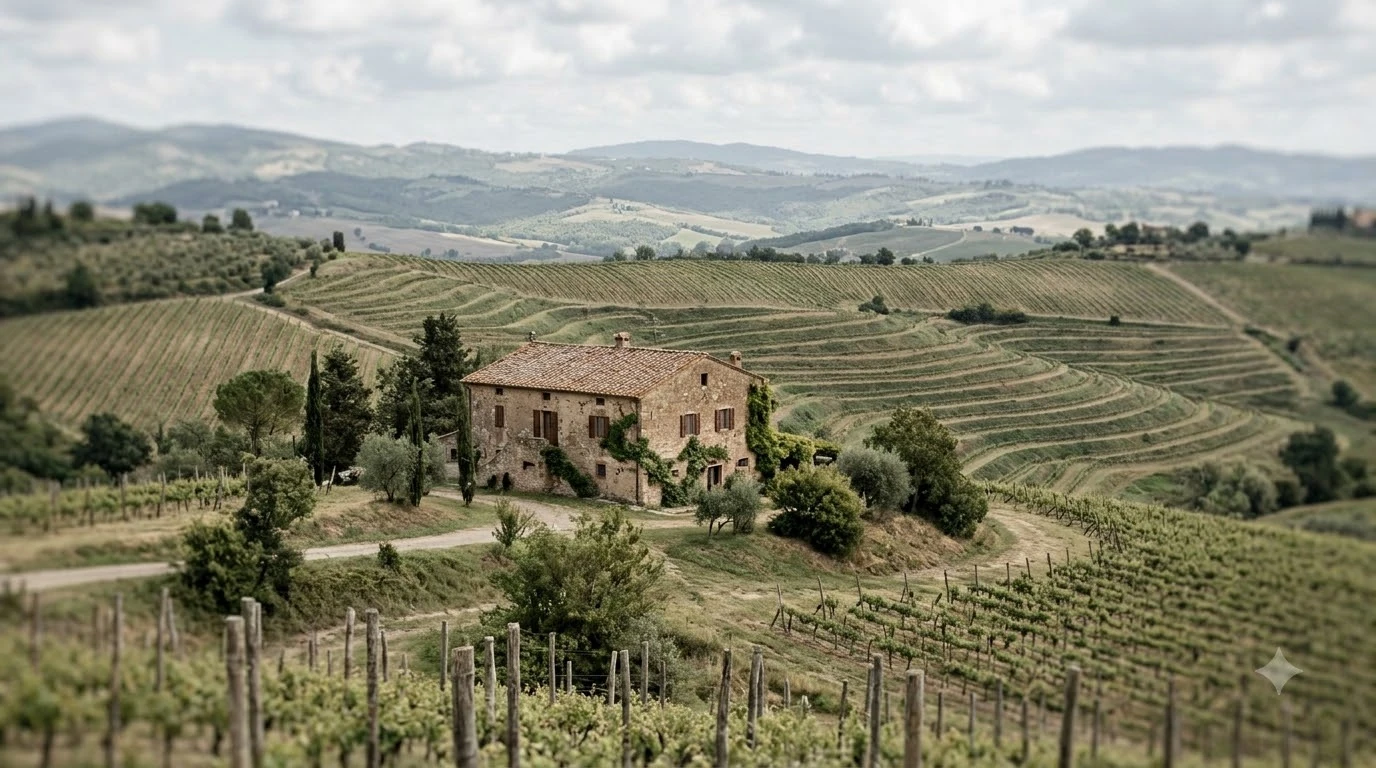
The town of Paarl lies approximately 60 kilometers northeast of Cape Town, in the broader Berg River valley. Wellington is situated to the northeast, while the Groot Drakenstein and Klein Drakenstein mountains and the Franschhoek ranges frame the southeastern landscape. Stellenbosch lies to the south. These neighboring areas share some broad climatic characteristics, but their vineyard conditions are not identical.
Paarl’s most recognizable geographical feature is Paarl Rock, an enormous granite formation that dominates the surrounding landscape. The Afrikaans word “Paarl” means “pearl,” a reference to the mountain’s appearance when its surface glistens after rain. The formation is more than a visual landmark: the surrounding granite geology contributes to the area’s distinctive vineyard soils.
The district belongs to the Coastal Region under South Africa’s Wine of Origin classification system. This system organizes wine-growing areas into geographical units, regions, districts, and wards. A Paarl designation therefore identifies a specific recognized origin rather than simply suggesting that a wine was made somewhere near the town.
Three established wards define the district’s principal geographical subdivisions:
- Simonsberg-Paarl: Located around the foothills of the Simonsberg, with varied slopes and mountain-influenced growing conditions.
- Agter-Paarl: An inland area with a range of vineyard environments and soil characteristics.
- Voor-Paardeberg: An area associated with distinctive granite landscapes and increasingly interesting expressions of South African wine varieties.
These divisions help explain why two wines labeled Paarl can taste quite different. A hillside vineyard and a warmer valley-floor site may experience different temperatures, drainage conditions, and water availability, even when both belong to the same district.
The geographical position also connects Paarl with a wider Cape wine culture. Producers can draw inspiration from neighboring Stellenbosch, Swartland, and Wellington while developing wines that reflect their own vineyard locations. Readers exploring other wine-growing areas can compare this diversity with the Wine Regions found in other countries.
Climate, Mountains, and Soils Shape the Wines
Paarl has a warm-to-moderate Mediterranean climate, with mild, relatively wet winters and warm, dry summers. Its inland position produces warmer conditions than many coastal vineyards, while mountain elevations, nighttime cooling, and different soil profiles create important local variations.

According to Wines of South Africa, annual rainfall in the Paarl district is approximately 500 to 700 millimeters. Most rainfall arrives during the cooler winter months, leaving vineyards to manage water availability during the growing season. This seasonal pattern is important because grapevines need sufficient water to develop healthy canopies and ripen fruit, but excessive water can also encourage vigorous growth and affect grape concentration.
The Berg River is an important natural resource for local viticulture. It flows through the valley and supports agriculture in an area where summer conditions can become particularly dry. According to Wines of South Africa, vineyards on the valley floor may require supplementary irrigation before harvest, while eastern slopes often retain water more effectively and can frequently grow grapes without the same irrigation requirements.
Elevation creates another important distinction. Paarl contains low-lying floodplains as well as steep foothills in the Drakenstein basin. Higher vineyards may experience cooler conditions and different patterns of sunlight exposure, while warmer valley locations can encourage faster ripening and more generous fruit development.
Soil diversity is equally significant. The district includes several geological materials that influence drainage, vine growth, and vineyard management.
- Decomposed granite: Common around Paarl Rock and important in several hillside vineyard areas.
- Sandstone: Found in parts of the broader district, including areas influenced by the surrounding mountain geology.
- Shale: Present in different vineyard locations and contributing to the area’s geological variation.
- Gravel: Acidic, potassium-rich gravel occurs in some locations.
- Loam and clay: Heavier soils can influence water retention and vine vigor.
- Vilafontes soils: Ancient geological formations identified as a distinctive feature of the district.
These soils should not be treated as automatic flavor labels. Granite does not guarantee a particular aroma, and shale does not produce one fixed wine style. Instead, geology influences the physical environment in which vines grow, including drainage, water availability, rooting conditions, and nutrient access. Winemaking decisions and grape variety remain equally important.
The combination of topography, water resources, and soil diversity makes Paarl suitable for a wide range of varieties. It also allows growers to respond to changing climatic conditions by considering vineyard elevation, aspect, grape selection, and water management rather than relying on one approach across the entire district.
Important Grapes Grown in Paarl
Paarl produces both red and white wines, with Cabernet Sauvignon, Shiraz, Pinotage, Chenin Blanc, and Chardonnay among its most important varieties. The warm growing environment supports ripe fruit character, while selected hillside and higher-altitude vineyards can provide additional freshness and structural balance.
Shiraz is one of the region’s most recognizable strengths. The variety, also known as Syrah in many other wine-producing countries, can produce full-bodied wines with blackberry, plum, black pepper, and savory spice characteristics. In warmer Paarl locations, ripe fruit and substantial texture are common stylistic possibilities. More restrained examples can emphasize pepper, herbs, and freshness.
Cabernet Sauvignon is another important variety. It typically produces structured reds with dark fruit, cedar-like aromas, and firm tannins. Paarl’s warm conditions can support ripe Cabernet fruit, although the exact balance between fruit richness, acidity, and tannin depends on vineyard location, harvest decisions, and cellar techniques.
Pinotage deserves particular attention because it is South Africa’s signature grape variety. Created from a crossing of Pinot Noir and Cinsault, it can produce wines with dark berries, plum, spice, and distinctive savory or smoky notes. In Paarl, the variety benefits from the district’s warm conditions and diverse vineyard environments.
Among white grapes, Chenin Blanc is especially versatile. Depending on vineyard conditions and winemaking, it can produce crisp, fruit-driven wines or richer examples with greater texture. Common flavor descriptions include apple, pear, citrus, stone fruit, and tropical fruit. Some versions spend time on their lees or in oak, creating a broader palate and more complex texture.
Chardonnay offers another useful expression of Paarl’s diversity. Unoaked versions can emphasize citrus, apple, and stone fruit, while barrel-fermented or oak-aged examples may develop creamy textures, toast, and vanilla-like notes. The grape’s natural medium acidity provides flexibility for different styles.
Other varieties contribute to the region’s broad wine selection:
- Merlot: Produces softer, medium-tannin reds with plum and black-cherry character.
- Sauvignon Blanc: Offers refreshing acidity and citrus, herbal, or tropical fruit aromas.
- Grenache: Can produce generous red-fruited wines with spice and relatively moderate tannin.
- Viognier: A Rhône variety associated with aromatic white wines and floral or stone-fruit character.
- Petit Verdot: Often contributes color, structure, and additional depth to red blends.
- Colombard: Provides a useful option for fresh, approachable white wines.
The variety of grapes grown in Paarl makes the district an interesting starting point for anyone learning about South African wine. A comparison of Chenin Blanc and Chardonnay, for example, shows how the same warm district can produce whites with noticeably different aromatic and textural profiles.
Signature Wine Styles and What to Expect in the Glass
Paarl is particularly associated with generous reds, especially Shiraz and Cabernet Sauvignon, but its white wines and blends are also important. The district’s combination of warm conditions and diverse vineyard sites produces wines ranging from concentrated and powerful to fresh and approachable.
Shiraz and Syrah
Paarl Shiraz often displays ripe blackberry, dark plum, black pepper, and savory spice. Depending on the producer, the wine may have substantial body, noticeable alcohol, and a firm tannin structure. Oak aging can contribute cedar, vanilla, smoke, or baking-spice impressions.
Some producers favor a more fruit-forward style, while others emphasize structure and savory complexity. The difference can be influenced by vineyard elevation, harvest timing, fermentation temperature, extraction, and barrel selection. A useful first purchase is a varietal Shiraz, which provides a relatively direct introduction to the grape and regional conditions.
Cabernet Sauvignon and Red Blends
Cabernet Sauvignon typically offers a firmer structure than Merlot because of its higher tannin content. In Paarl, ripe blackcurrant, plum, dark cherry, and herbal notes can combine with cedar and spice from oak maturation. These wines can work particularly well with substantial meals and may benefit from additional bottle aging.
Red blends are another important category. Cabernet Sauvignon can provide structure, Merlot can soften the texture, and varieties such as Petit Verdot can contribute color and additional tannin. Some producers also work with Rhône-inspired combinations that incorporate Shiraz and Grenache.
Pinotage
Pinotage is one of the most interesting wines to explore because it offers a distinctly South African identity. Its profile can range from juicy red and dark berries to richer plum, chocolate, smoke, and spice. Oak treatment and extraction influence whether the finished wine feels relatively approachable or more concentrated and structured.
For someone unfamiliar with the variety, a medium-bodied Pinotage is a practical introduction. It can be served slightly cooler than a full-bodied Cabernet Sauvignon, particularly when the wine emphasizes fruit freshness rather than heavy oak.
Chenin Blanc and Chardonnay
Chenin Blanc offers considerable stylistic flexibility. Fresh versions can show citrus, apple, pear, and lively acidity, making them useful as aperitif wines or companions for seafood. Fuller examples can develop peach, honey, and richer fruit impressions, particularly when winemaking includes lees contact or oak.
Chardonnay provides a different experience. Unoaked examples generally emphasize fruit and freshness, while oak-aged versions can offer creamy textures and toast-like aromas. Both varieties are useful demonstrations of how grape selection and winemaking influence the finished wine.
Other Styles Worth Exploring
Although concentrated reds receive much of the attention, Paarl’s wider production includes rosé, sparkling wine, dessert wine, and fortified styles. Some producers work with Mediterranean and Rhône varieties to create wines that offer alternatives to Cabernet Sauvignon and Shiraz.
South African Méthode Cap Classique, commonly abbreviated to MCC, is also worth investigating. These sparkling wines use the traditional method, in which the second fermentation takes place in the bottle. The method can produce fine bubbles and flavors associated with extended contact with yeast lees.
The broad selection means that Paarl is not simply a destination for powerful reds. Visitors and collectors can explore fresh whites, aromatic varieties, blends, and sparkling wines alongside the district’s better-known Cabernet Sauvignon and Shiraz.
Historic Producers and the Development of Paarl Wine
Paarl has a long connection with South African wine production, dating back to the late seventeenth century. Its development reflects the history of European settlement in the Cape, the expansion of vineyard agriculture, and the evolution of the country’s modern wine industry.
The town’s historical significance is closely connected with the arrival of French Huguenots and the establishment of agricultural communities in the Drakenstein area. Viticulture became an important part of the local economy, with generations of growers developing vineyards suited to the district’s varied terrain.
The town was founded in 1687, according to Wines of South Africa’s account of the district’s history. Its architecture reflects several historical periods, including Cape Dutch, Victorian, and Georgian influences. Paarl’s main road extends for approximately 12 kilometers and offers a sense of the settlement’s historical development.
The region’s history is also reflected in its established wineries and wine businesses. Several names have helped shape Paarl’s identity as a major wine-producing area.
KWV and the Cooperative Tradition
KWV is an important name in the history of South African wine. The organization became influential in the country’s wine industry through its role in coordinating producers and supporting the development of the national wine trade.
Its Paarl presence remains significant for wine tourism and historical interpretation. Visitors interested in the country’s cellar traditions can investigate the KWV Wine Emporium and the historic Cathedral Cellar experience. The cellar provides an opportunity to understand how storage, blending, and production practices developed within the South African wine industry.
Fairview and Spice Route
Fairview and Spice Route are two prominent names associated with producer Charles Back. Their presence reflects the diversity of Paarl’s modern wine culture, including interest in alternative grape varieties, regional experimentation, and different interpretations of South African wine.
Spice Route was established in 1997 as a showcase for artisanal producers. Its approach helped draw attention to the potential of Paarl and neighboring wine-growing areas for wines beyond conventional international varieties.
Fairview is also known for its broader agricultural and hospitality identity. Its connection with wine and cheese offers visitors an opportunity to explore food pairing alongside regional wines.
Nederburg and the Wider Wine Industry
Nederburg is another established producer associated with Paarl. Its historical presence illustrates the district’s long-standing contribution to the commercial development of South African wine.
These producers represent different aspects of the district’s identity, from historic cellar traditions to contemporary winemaking. Exploring more than one producer can help visitors understand why Paarl offers a wider stylistic range than its reputation for powerful red wines might initially suggest.
The area’s modern development also includes renewed attention to vineyard-specific expressions. Producers increasingly emphasize the Paarl Wine of Origin designation to communicate geographical identity and distinguish the district’s wines within the broader Coastal Region. The Wines of South Africa overview of the country’s wine-growing areas provides additional context about the official regional classification and Paarl’s position within it.
Food Pairing and Serving Paarl Wines
Paarl wines work especially well with grilled meats, roasted vegetables, rich sauces, and flavorful South African dishes. Their range of body, acidity, and tannin means that the best pairing depends on the individual wine rather than simply its regional origin.
Shiraz is a natural partner for grilled lamb, beef short ribs, and barbecue dishes. Its dark fruit and peppery characteristics complement charred meat and savory seasonings. A full-bodied Shiraz can also work with slow-cooked beef, especially when the dish contains herbs, black pepper, or roasted vegetables.
Cabernet Sauvignon is particularly suitable for foods with substantial protein and fat. Its high tannin can feel firm on its own, but fat and salt soften the perception of tannin. Try it with grilled steak, lamb chops, aged hard cheese, or a rich mushroom-based dish.
Pinotage offers flexibility with grilled pork, barbecue chicken, lamb burgers, and dishes featuring smoked spices. Medium- to full-bodied examples can handle substantial flavors, while fresher versions may work with roasted vegetables and moderately seasoned poultry.
Chenin Blanc is a particularly useful food wine. Its acidity makes it suitable for fried seafood, roast chicken, vegetable dishes, and salads with citrus-based dressings. Fuller examples can accompany creamy sauces and richer fish preparations.
Chardonnay is a useful option for roast chicken, grilled fish, mushroom risotto, and dishes with butter or cream. Unoaked versions are particularly suitable for lighter preparations, while oak-aged examples can stand up to richer sauces.
The following table provides practical starting points for pairing and serving representative Paarl wine styles.
| Wine style | Typical characteristics | Serving temperature | Food pairing |
|---|---|---|---|
| Shiraz | Dark fruit, pepper, medium-plus to high tannin | 60–65°F | Grilled lamb, barbecue beef |
| Cabernet Sauvignon | Blackcurrant, cedar, high tannin | 60–65°F | Steak, aged hard cheese |
| Pinotage | Dark berries, plum, spice | 55–60°F | Roast pork, grilled chicken |
| Chenin Blanc | Apple, citrus, stone fruit, high acidity | 45–50°F | Seafood, roast chicken |
| Chardonnay | Apple, peach, possible creamy oak texture | 50–55°F | Grilled fish, mushroom risotto |
| Sauvignon Blanc | Citrus, herbs, high acidity | 45–50°F | Goat cheese, shellfish |
Temperature has a noticeable influence on wine perception. Serving full-bodied reds too warm can make alcohol seem more prominent, while serving whites too cold can suppress their aromas. A short period in the refrigerator can help bring a room-temperature red closer to its preferred serving range.
Tip: Serve Paarl Cabernet Sauvignon and Shiraz at approximately 60–65°F rather than typical warm room temperature. For young, full-bodied reds, allow 30–60 minutes of decanting when additional aeration would help soften their initial impression. Serve Chenin Blanc and Sauvignon Blanc around 45–50°F to preserve freshness without hiding their aromas.
Sweetness and acidity should also guide pairing decisions. A sweet wine should generally be at least as sweet as the dessert served with it. For acidic dishes, choose a wine with equal or higher acidity so the wine does not taste flat. Avoid pairing heavily tannic red wines with oily fish, since the combination can create an unpleasant metallic impression.
Chili heat requires additional consideration. Alcohol and tannin can amplify the sensation of spice, so a high-alcohol Shiraz or firm Cabernet Sauvignon may be less comfortable with intensely hot food. A fresher white or a slightly off-dry wine can be a more suitable choice.
For storage, keep unopened bottles away from direct sunlight and temperature fluctuations. A consistent storage temperature near 55°F is a useful target, with cork-finished bottles generally stored horizontally. Once opened, refrigerate still wines and aim to enjoy them within approximately 3–5 days.
Visiting Paarl and Exploring Its Wine Routes
Paarl is an appealing destination for visitors interested in combining wine tasting with South African history, mountain scenery, and local food. Its established wine route includes a variety of cellar experiences, from traditional producers to contemporary tasting destinations.
The district’s position makes it a practical addition to a Cape Winelands itinerary. Visitors traveling from Cape Town can reach Paarl by road, while its proximity to Stellenbosch, Wellington, and Franschhoek makes it possible to compare several wine districts during a longer trip.
One useful approach is to organize visits around the three established wards rather than attempting to see every producer in one day. This provides a better understanding of how vineyard elevation, aspect, and soil influence wine styles.
Start With the Established Cellars
For a historical introduction, KWV is a useful starting point. Its cellar traditions and visitor experiences provide context for the development of the South African wine industry. A guided experience can help explain production practices, blending, and the significance of Paarl within the country’s wine history.
Fairview is another worthwhile destination for visitors interested in wine and food. Its broader hospitality identity makes it suitable for people who want to explore food pairing alongside regional wine styles.
Spice Route provides another perspective, particularly for visitors interested in artisanal production and the use of different grape varieties. Its identity reflects the experimental and contemporary side of the district.
Explore the Landscape Beyond the Tasting Room
Paarl Mountain is one of the area’s most recognizable natural attractions. Its granite formations provide a visual connection to the geological environment that influences the surrounding vineyards. Visitors can combine a wine-focused itinerary with opportunities to appreciate the mountain landscape.
The town itself also offers historical and cultural attractions. The Afrikaans Language Monument, situated on Paarl Mountain, is a distinctive landmark. The historic architecture along the town’s main road offers another way to understand the area’s cultural development.
Plan a Balanced Wine-Tasting Day
A practical itinerary might include two or three winery visits, a relaxed lunch, and time to explore the town or mountain surroundings. Limiting the number of tastings helps visitors compare wines more carefully and leaves time to appreciate the individual experiences offered by each producer.
Spring and autumn are attractive periods for visiting because temperatures are generally more comfortable for outdoor activities than during the hottest summer afternoons. The southern hemisphere’s main grape harvest typically takes place during late summer and early autumn, making February and March particularly interesting periods for visitors who want to understand vineyard activity.
Advance reservations are sensible for guided cellar tours, structured tastings, and popular restaurant experiences. Opening schedules and tasting arrangements differ between producers, so visitors should confirm their preferred experiences before traveling.
According to South African Tourism’s Paarl Wine Route overview, the area’s wine route represents approximately 70 producers, with experiences ranging from historic family estates to larger cellar operations. Visitors can also compare Paarl with other distinctive wine destinations around the world. The cooler alpine-influenced vineyards of the Savoie wine region, for example, provide a very different contrast to Paarl’s warm inland conditions. Similarly, the Tasmania wine region offers an interesting comparison through its cooler climate and emphasis on fresh, structured wines.
Frequently Asked Questions
Is Paarl part of the Stellenbosch wine region?
No. Paarl and Stellenbosch are separate wine districts within South Africa’s Coastal Region. They share the broader Western Cape wine-growing identity, but their vineyard locations and recognized geographical designations are distinct. A wine labeled Paarl should not automatically be considered a Stellenbosch wine.
What does Wine of Origin mean on a Paarl wine label?
Wine of Origin is South Africa’s geographical certification system for wine. It establishes rules for identifying the declared production area, including requirements concerning the origin of the grapes. A Paarl designation communicates a recognized geographical origin within the South African wine classification structure.
What is the difference between Shiraz and Syrah in Paarl?
Shiraz and Syrah are two names for the same grape variety. The choice of name is generally associated with regional tradition and stylistic presentation rather than a different grape. South African producers commonly use Shiraz, although some may choose Syrah to communicate a particular winemaking identity or style.
What is the significance of Vilafonté in Paarl?
Vilafonté is associated with the ancient Vilafontes soil type identified in the Paarl area. The name is also connected with a premium South African red wine brand inspired by these distinctive geological formations. The soil itself is an important part of the district’s geological history and its interest for vineyard research.
What is the Afrikaans Language Monument in Paarl?
The Afrikaans Language Monument is a major cultural landmark situated on Paarl Mountain. It commemorates the development and recognition of Afrikaans as a language and adds a cultural dimension to visiting the wine district. Its distinctive architectural design makes it one of Paarl’s recognizable visitor attractions.
The Paarl wine region combines a rich winemaking history with varied soils, mountain-influenced vineyards, and an impressive selection of South African grape varieties. Its Shiraz, Cabernet Sauvignon, Pinotage, and Chenin Blanc provide an excellent introduction to the character of the Cape Winelands. Exploring different wards and producers reveals why Paarl deserves recognition as a distinctive wine destination in its own right.
More in Wine Regions
 Willcox Wine Trail: Discover Arizona’s High-Elevation Wine CountryUpdated Nov 20, 2026
 Yakima Valley Wine Region: Find the Best Styles to TryUpdated Nov 20, 2026
 Vosne Romanee Wine Tasting: Identify Aromas and Choose Better PairingsUpdated Nov 20, 2026
 Yakima Valley Wine Festival: Find the Best Seasonal Wine EventsUpdated Nov 20, 2026
 Wales Vineyards: Discover Cool-Climate Wines and Where to VisitUpdated Nov 20, 2026
 Yountville Wine Festival: Discover Napa Wines and Local FoodUpdated Nov 20, 2026