

We may earn a commission when you buy through links on this page, at no extra cost to you. Learn more.
Orrefors white wine glasses are premium crystal stemware that combines Scandinavian design, carefully shaped bowls, and refined craftsmanship to bring out the aromatic character of white wines. The Orrefors x Björn Frantzén Handmade Edition is particularly appealing for Riesling and Sauvignon Blanc, while Geometry and Pulse offer different capacities, designs, and maintenance requirements. The right choice depends on whether you prioritize delicate mouth-blown construction, a distinctive contemporary appearance, or convenient everyday use.
Orrefors has a long history of Swedish glassmaking, and its wine glasses reflect a design philosophy that puts the shape of the vessel and the drinking experience at the center. Its white wine selection includes several distinct collections rather than one universal glass. Understanding their differences makes it easier to choose a piece that suits your favorite wines, dining habits, and expectations for care.
Specs and Key Features of Orrefors White Wine Glasses
The strongest reason to consider Orrefors is its combination of crystal construction, carefully developed proportions, and recognizable Scandinavian styling. The Frantzén Handmade Edition is the most specialized option for aromatic whites, while Geometry and Pulse provide useful alternatives with different capacities and care requirements.

The Orrefors x Björn Frantzén Handmade Edition white wine glass is a particularly interesting starting point. Developed in collaboration with chef Björn Frantzén, it is intended for aromatic wines with pronounced acidity, especially Riesling and Sauvignon Blanc. Its 45 cl capacity provides room for swirling, while its relatively narrow 87 mm width gives it a more restrained footprint than the larger Geometry glass.
Its construction is another important distinction. Orrefors identifies the Handmade Edition as mouth-blown, lead-free crystal. That construction gives the glass a delicate character, but it also means owners should treat it with more care than heavier everyday stemware. The manufacturer specifies hand washing, an important consideration for anyone who normally puts all their glasses in the dishwasher.
There are several other Orrefors white wine options worth understanding before choosing. Geometry is a larger, mouth-blown design with a 52 cl capacity. Pulse is a smaller 38 cl crystal wine glass designed by Ingegerd Råman, and Orrefors specifically describes it as particularly suitable for white wine.
| Model | Capacity | Height | Width | Care |
|---|---|---|---|---|
| Frantzén Handmade Edition | 45 cl / 15.2 oz | 235 mm / 9.25 in | 87 mm / 3.43 in | Hand wash |
| Frantzén Standard | 44 cl / 14.9 oz | 235 mm / 9.25 in | 86 mm / 3.39 in | Dishwasher safe |
| Geometry White Wine | 52 cl / 17.6 oz | 200 mm / 7.87 in | 104 mm / 4.09 in | Hand wash |
| Pulse Wine Glass | 38 cl / 12.9 oz | 201 mm / 7.91 in | 79 mm / 3.11 in | Dishwasher safe |
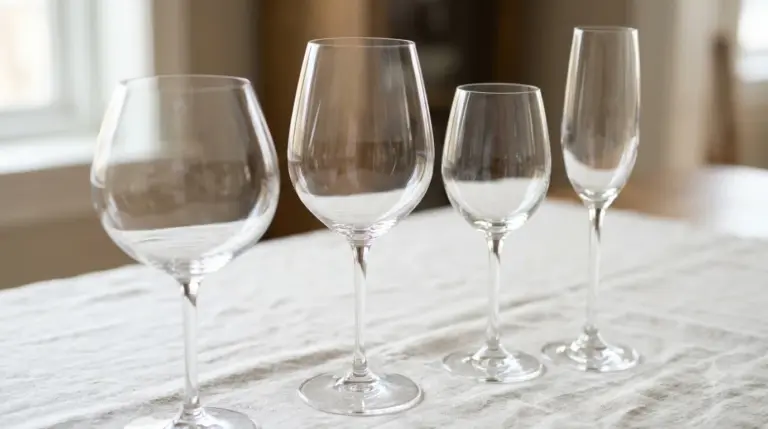
These measurements show why the collections should not be treated as interchangeable. Geometry has the largest listed capacity and width, whereas Pulse is the most compact of these four choices. Frantzén sits between them, with a taller, more elongated profile and two construction options that suit different ownership preferences.
For shoppers comparing the broader category, our guide to white wine glasses explains why bowl proportions, rim shape, and capacity matter beyond the manufacturer’s design description. These considerations are useful when deciding whether a specialized crystal glass is a meaningful improvement over a simpler everyday option.
Crystal construction and design
Orrefors uses different construction approaches across its collections. The Frantzén Handmade Edition and Geometry are mouth-blown designs, while the standard Frantzén version is a separate execution intended to provide a more practical alternative. The distinctions matter because a very thin handmade glass can feel quite different from a more conventional crystal glass in daily handling.
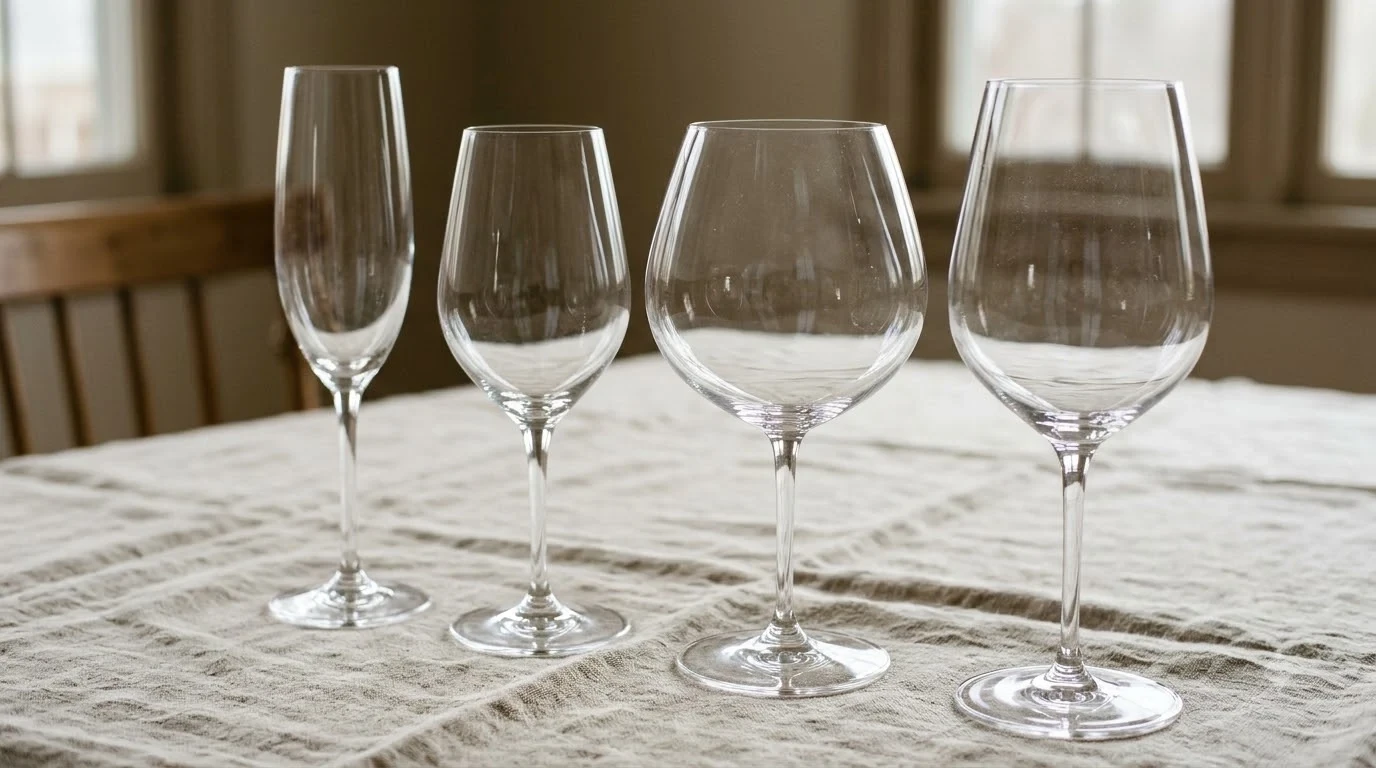
Orrefors also emphasizes visual consistency across the Frantzén collection. Its champagne, white wine, and red wine glasses share a coordinated design language, making it possible to build a matching table setting rather than combining unrelated shapes. For someone who regularly serves several wine styles at dinner, this visual continuity can be an important part of the purchase.
What Owners Like About the Frantzén Collection
The most recognizable strengths of Orrefors white wine glasses are their refined appearance, relatively generous capacities, and attention to the relationship between bowl shape and wine aroma. Available owner feedback and retailer descriptions of the Frantzén glass also highlight its thin stem and perceived quality, although the amount of published customer feedback is limited.
A Bloomingdale’s customer review of the standard Frantzén white wine glass specifically praises its very thin stem and describes the glass as elegant and high quality. This feedback supports the appeal of the collection’s delicate appearance, but a single customer account should not be treated as proof that every owner will have the same experience. It is more useful as an indication of what buyers notice about the design.
The Frantzén Handmade Edition takes that delicate presentation further through mouth-blown construction. Its 45 cl capacity gives aromatic whites room to develop their bouquet, and its 235 mm height creates an elongated silhouette that looks particularly appropriate on a formal dining table. The design is intended to emphasize fruity and floral characteristics, rather than simply provide a decorative vessel.
Room for aromatic white wines
A white wine glass needs enough space for the wine to release aromas without requiring an oversized bowl for every style. The 45 cl Frantzén Handmade Edition offers a useful balance for aromatic varieties. Riesling can show citrus, stone fruit, floral notes, and mineral character, while Sauvignon Blanc can reveal citrus, green fruit, herbs, and other fresh aromas.
The 52 cl Geometry glass offers more overall capacity. That extra room can appeal to drinkers who prefer a broader presentation and enjoy swirling their wine. However, larger capacity does not automatically mean better performance. A glass should complement the wine rather than overwhelm its delicate aromas or encourage excessively large pours.
Temperature remains just as important as glass design. Light-bodied whites and rosé generally show well around 45 to 50 degrees Fahrenheit, while fuller-bodied whites are usually served around 50 to 55 degrees. A carefully shaped glass cannot compensate for a Chardonnay served too warm or a Riesling served so cold that its aromas become difficult to recognize.
Scandinavian appearance
Orrefors has a recognizable preference for clean lines and restrained visual details. Geometry makes that approach especially obvious through its spheres, cylinders, and cones, which inform the relationship between its bowl, stem, and foot. The resulting design looks architectural rather than traditionally ornamental.
Frantzén takes a different approach. Its more conventional wine-glass silhouette is refined through its proportions and thin crystal construction. The result is a design that can sit comfortably in a formal setting without looking excessively decorative.
Pulse is more understated. Its clean lines and practical proportions make it easier to use across different dining occasions. Someone who wants matching glasses for casual dinners, family gatherings, and occasional celebrations may find Pulse more versatile than a highly specialized handmade option.
Common Complaints and Practical Limitations
The biggest drawbacks to consider are delicate handling, differences in cleaning instructions, and the possibility of choosing a bowl that is larger or more specialized than your regular wine habits require. Orrefors offers several attractive designs, but premium crystal is not automatically the most convenient choice for every household.
The Frantzén Handmade Edition deserves particular attention here. Orrefors specifies hand washing for this model, and its mouth-blown construction makes careful handling sensible. Owners who frequently wash glassware in a crowded dishwasher may find that routine inconvenient. The 235 mm height also deserves consideration if your kitchen cabinets have limited vertical clearance.
There is an additional distinction between the handmade and standard versions. The standard Frantzén white wine glass is dishwasher safe according to the manufacturer, while the Handmade Edition is listed for hand washing. A retailer may present a general product description that does not make the difference sufficiently clear. Buyers should identify the precise execution before relying on a retailer’s care instructions.
Tip: Before purchasing a Frantzén glass, distinguish the standard version from the Handmade Edition by its product description and article number. The two models have similar dimensions, but their construction and recommended cleaning methods differ.
Delicate stems and careful handling
Thin stems are part of the appeal of premium wine glasses, but they introduce a practical tradeoff. A delicate stem requires more attention when washing, drying, carrying, and storing the glass. Someone who regularly hosts large gatherings with children or guests unfamiliar with fine stemware may prefer a sturdier glass for everyday service.
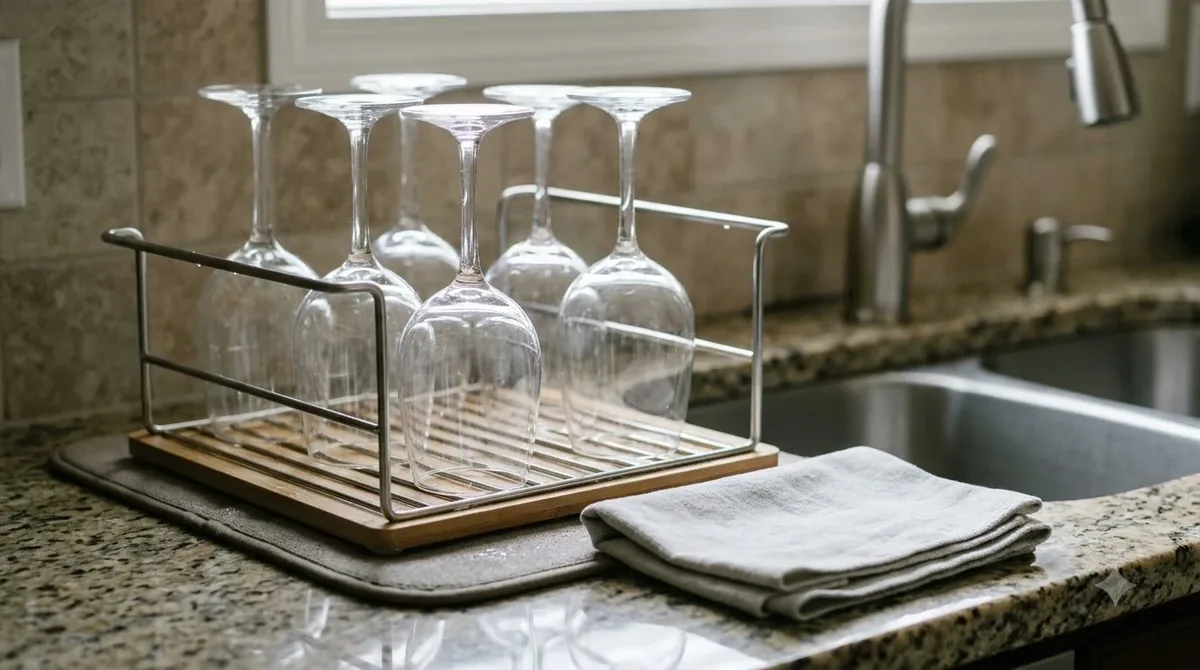
Thin crystal can also be harder to handle when your hands are wet or soapy. The best approach is to hold the bowl or lower stem carefully and avoid twisting the bowl against the foot during cleaning. Do not use excessive pressure when drying the inside of a narrow glass, since this can place stress on the stem.
Limited owner feedback
Another consideration is the amount of publicly available owner feedback. The Frantzén collection has retailer listings and product specifications, but the available review material is not extensive enough to establish a dependable long-term breakage or durability pattern.
That means prospective buyers should avoid assuming that the glass will be exceptionally durable simply because it is made from premium crystal. The manufacturer’s construction details provide useful information, but they cannot establish how every glass will perform after years of repeated use.
Geometry has a different practical drawback: its 104 mm width makes it noticeably broader than the 87 mm Frantzén Handmade Edition. That larger footprint can affect cupboard organization and the number of glasses that fit comfortably on a dining table. Its 200 mm height is shorter than Frantzén, but its wider bowl still requires suitable storage space.
Pulse is a more straightforward alternative, but its 38 cl capacity may be less appealing to people who prefer a larger bowl for aromatic whites. None of these characteristics necessarily makes a model unsuitable. They simply show why dimensions and cleaning instructions should be considered alongside appearance.
Who Should Buy Orrefors White Wine Glasses and Who Should Skip Them
Orrefors is a strong option for people who appreciate Scandinavian design, premium crystal, and dedicated wine stemware. The Frantzén Handmade Edition is particularly suitable for someone who regularly serves aromatic Riesling and Sauvignon Blanc and is comfortable hand washing delicate glasses.
It is also an appealing choice for people who want a coordinated dining collection. The Frantzén range includes different wine and sparkling-wine glasses, allowing buyers to maintain a consistent appearance across multiple courses. Its 45 cl white wine glass is a sensible centerpiece for a collection built around aromatic white wines.
Geometry is more appropriate for someone who prefers architectural design and a more generous bowl. Its 52 cl capacity gives it a different visual and functional character from Frantzén. Buyers who enjoy Chardonnay, textured white blends, and a broad crystal presentation may find its proportions particularly attractive.
Pulse makes more sense for someone who wants a relatively versatile glass that does not require the same level of care as the handmade alternatives. Its 38 cl capacity, 201 mm height, and dishwasher-safe specification make it a practical option for regular use. It is also a reasonable choice when a household wants to use the same wine glass for multiple wine styles.
When to choose a different brand or style
Not everyone needs premium crystal. If you frequently entertain large groups, replace broken glassware, or prefer a dishwasher-first kitchen routine, a simpler and sturdier wine glass may be a better investment. Paying more for delicate mouth-blown construction makes little sense if the glass will be handled roughly or stored in an unsuitable cupboard.
Likewise, someone who primarily drinks crisp, uncomplicated whites may not need a specialized 45 cl glass. A smaller universal wine glass can be easier to store and more convenient for everyday meals. The important thing is to choose a vessel that fits the way you actually drink wine rather than selecting one based on appearance alone.
People who regularly serve both red and white wines should also consider how their glassware collection fits together. Red wine glasses generally have more room for fuller-bodied varieties, while white wine glasses tend to use more restrained proportions. Our comparison of red wine glasses explains the differences in bowl design and how those differences relate to Cabernet Sauvignon, Merlot, Pinot Noir, and other styles.
For someone who wants premium presentation but is uncertain about delicate glassware, the standard Frantzén model is a sensible middle ground. It retains the collection’s visual character while providing a dishwasher-safe specification from the manufacturer. That distinction can make a substantial difference to long-term convenience.
How Orrefors Compares to Alternative White Wine Glasses
Orrefors offers several distinct approaches to white wine stemware, but the most useful comparisons are between its own collections. Frantzén emphasizes aromatic whites and refined proportions, Geometry favors a larger mouth-blown bowl, and Pulse focuses on practical versatility with dishwasher-safe construction.
The standard Frantzén model and its Handmade Edition are especially close in size. Their capacities are 44 cl and 45 cl respectively, and both measure approximately 235 mm in height. Their similar dimensions make the difference in construction and maintenance more important than the small capacity variation.
For the Handmade Edition, Orrefors specifies mouth-blown, lead-free crystal and hand washing. The standard version is a separate crystal-glass execution that the manufacturer lists as dishwasher safe. This is a useful distinction for people who want the Frantzén silhouette but do not want to hand wash every glass after dinner.
Geometry offers a noticeably different experience. Its 52 cl capacity is larger than either Frantzén version, and its 104 mm width gives it a broad visual presence. Its mouth-blown construction also means it belongs in the more delicate, hand-washed category rather than the everyday dishwasher-friendly group. The official Orrefors Geometry product specifications provide the manufacturer’s full measurements and care instructions.
Pulse is the most compact of the four glasses in the comparison. At 38 cl, it offers less capacity than Frantzén or Geometry, but its dishwasher-safe specification makes it attractive for routine service. Its 79 mm width also makes it easier to accommodate in smaller storage spaces than the 104 mm Geometry design.
Choosing according to wine style
For aromatic Riesling and Sauvignon Blanc, the Frantzén Handmade Edition is the most directly specialized choice because Orrefors explicitly identifies those varieties in its product description. Its 45 cl capacity offers room for swirling while keeping the overall shape more restrained than Geometry.
For someone who wants a larger glass, Geometry is an appealing alternative. Its 52 cl capacity gives it a more expansive presentation, although that larger volume is not a requirement for enjoying quality white wine. The appropriate serving amount remains much smaller than the glass’s full capacity.
Pulse is a reasonable choice for a mixed collection of everyday wines. Its 38 cl capacity works for different styles, and the manufacturer specifically identifies white wine as a suitable use. It is also more convenient for households that prefer dishwasher-safe glassware.
Wine style matters more than a glass’s maximum volume. Sauvignon Blanc and Riesling generally have high acidity, while Chardonnay usually has medium acidity and can vary considerably in body depending on its production. A versatile glass should allow the wine’s aromas to emerge without making smaller, more delicate pours feel lost inside an oversized bowl.
For an additional retailer description of the Handmade Edition, Nordstrom’s Orrefors Frantzén product listing confirms its 15.2-ounce capacity, 9.25-inch height, 3.4-inch width, and hand-wash requirement.
People comparing brands should also look beyond the manufacturer’s name. Rim thickness, stem proportions, bowl opening, cleaning requirements, and cabinet clearance all affect the ownership experience. Our broader wine glasses recommendations provide additional context for comparing different designs and deciding how much specialization is useful.
Overall verdict
Orrefors makes the most sense for buyers who value both appearance and carefully specified glass construction. Frantzén is the strongest choice for someone seeking a refined, aromatic-white specialist, while Geometry suits a larger-bowl preference and Pulse is the practical option for regular use.
The distinction between handmade and standard construction is especially important. A buyer who appreciates the delicate character of mouth-blown crystal and does not mind hand washing may find the Handmade Edition compelling. Someone who wants a similar visual style with easier maintenance should give the standard Frantzén version serious consideration.
Before settling on a collection, it can also help to explore the wider range of glassware brands available. Comparing the designs, construction methods, and maintenance requirements of different manufacturers can prevent an expensive purchase that does not fit your everyday routine.
Frequently Asked Questions
Where are Orrefors wine glasses manufactured?
Orrefors is a Swedish glassware brand with a long association with the glassmaking town of Kosta. Individual collections can have different production locations, so the brand’s Swedish heritage does not mean every finished glass is necessarily manufactured in Sweden. The Frantzén Handmade Edition listing at Nordstrom identifies Slovakia as its country of manufacture.
Do Orrefors white wine glasses make good wedding gifts?
Yes, particularly for couples who appreciate formal dining and coordinated tableware. A pair of Frantzén white wine glasses can make a thoughtful gift for someone who enjoys aromatic white wines, while a matching collection can provide a more complete presentation. Consider whether the recipients prefer hand-washed crystal or dishwasher-friendly glassware before choosing.
Can you use Orrefors white wine glasses for water?
Yes. A wine glass can also serve water, although its stem and delicate construction make it less practical for casual everyday hydration than a tumbler. Using a wine glass for still water at a formal dinner is perfectly reasonable, provided it is handled and cleaned according to its care requirements.
Should white wine glasses have a tapered rim?
A slightly narrower opening can help direct aromas toward the nose while drinking. However, rim shape is only one part of the overall design, alongside bowl volume, curvature, and the amount of wine poured. The most useful glass is one that allows comfortable sipping while preserving the wine’s aromatic character.
How many Orrefors wine glasses should a household own?
A practical starting point is four matching white wine glasses for a small household that occasionally entertains. Six or eight pieces provide greater flexibility for dinner parties and allow a spare glass or two during service. If storage is limited, starting with a pair and expanding the collection later is a sensible approach.
Orrefors white wine glasses offer a compelling combination of crystal craftsmanship, distinctive Scandinavian styling, and thoughtful proportions. The Frantzén Handmade Edition is the standout for aromatic whites, Geometry offers a more expansive mouth-blown design, and Pulse is the practical choice for regular use. Choose according to your favorite wines, preferred level of maintenance, and how often you expect to use the glasses.
More in Wine Glasses
 Spiegelau Crystal Wine Glasses That Bring Clarity to Every PourUpdated Nov 21, 2026
 Zalto Crystal Wine Glasses: Are They Worth the Investment?Updated Nov 21, 2026
 Villeroy And Boch White Wine Glasses for a More Cohesive TableUpdated Nov 21, 2026
 Zalto Wine Glasses On Sale: Find the Right Denk’Art GlassUpdated Nov 21, 2026
 Zwiesel Glas Champagne Glasses: Features, Quality and Buying AdviceUpdated Nov 21, 2026
 Zwiesel Glas Decanter Review: A Durable, Elegant Choice for Wine ServiceUpdated Nov 21, 2026