

We may earn a commission when you buy through links on this page, at no extra cost to you. Learn more.
Organic gruner veltliner is a dry Austrian white wine made from organically grown Grüner Veltliner grapes, known for crisp acidity, green apple flavors, citrus freshness, and distinctive white pepper notes. It offers an appealing combination of refreshing fruit, savory complexity, and food-friendly structure. Most examples come from Austria, particularly the Weinviertel, Wachau, Kamptal, and Kremstal, although the grape is also grown elsewhere. Organic certification establishes specific vineyard and winemaking requirements without changing the fundamental identity of the grape.
For wine shoppers, this variety offers two things worth understanding: the recognizable personality of Grüner Veltliner and the production standards behind an organic label. Some bottles are light, uncomplicated whites for everyday meals, while others are concentrated wines with greater texture and aging potential. Knowing the differences between Austrian regions, production methods, and label terminology makes it easier to select a bottle that suits your preferences.
What Organic Grüner Veltliner Is and How It Tastes
Organic Grüner Veltliner is produced from grapes grown under certified organic agricultural standards. Its flavor profile remains closely connected to the grape variety, with refreshing acidity, orchard fruit, citrus, and a recognizable peppery character. The organic designation describes production practices rather than a separate grape variety or guaranteed flavor style.
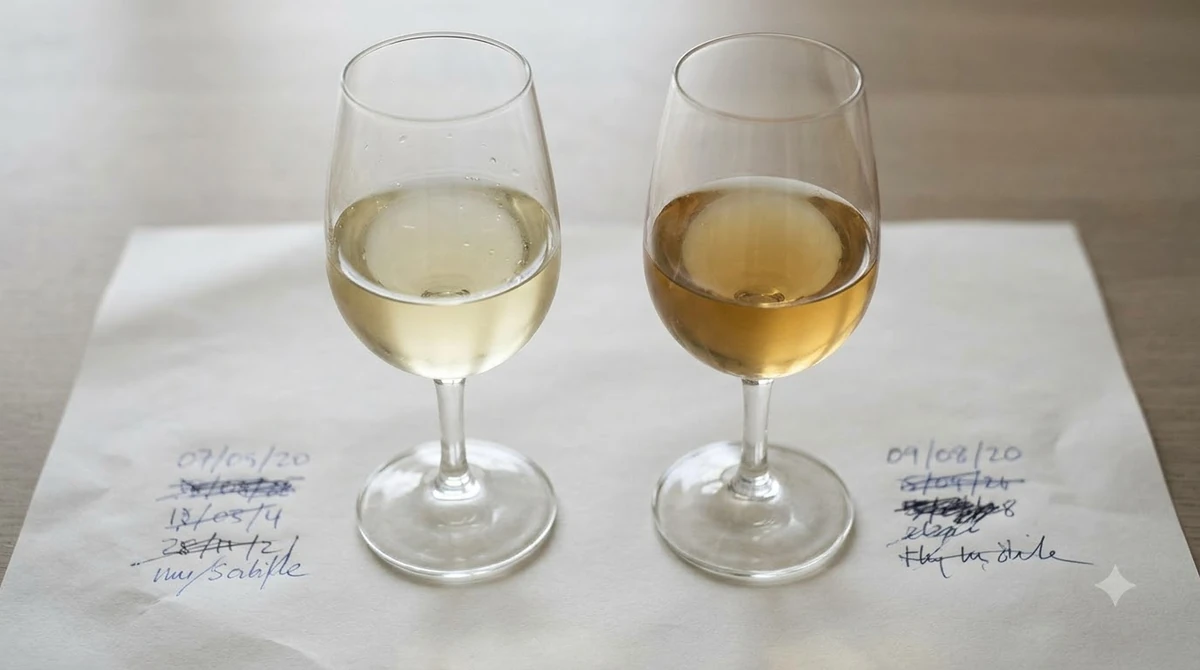
Grüner Veltliner is Austria’s best-known white grape variety. Its traditional homeland is Lower Austria, particularly the Weinviertel, although the Wachau, Kamptal, and Kremstal also produce important examples. The variety is valued for its versatility, as it can produce both light, uncomplicated wines and more concentrated bottles with substantial texture.
The most recognizable aroma is white pepper, sometimes accompanied by green apple, lime, lemon, grapefruit, fresh herbs, and subtle mineral impressions. Some bottles also show notes of celery, radish, or stone fruit. The exact combination depends on growing conditions, grape ripeness, and the producer’s winemaking decisions.
Acidity is one of the variety’s defining structural features. Most Grüner Veltliner is dry, with enough freshness to complement savory food and refresh the palate between bites. Its body generally falls between light and medium, although richer examples can feel considerably fuller.
The peppery impression is especially important because it distinguishes Grüner Veltliner from many familiar white wines. Austrian wine information identifies rotundone, an aromatic compound concentrated in the grape skins, as a contributor to the variety’s characteristic pepper note. This savory element can make the wine seem more complex than a simple citrus-driven white.
Organic certification does not automatically make the wine more peppery, less acidic, or more aromatic. Those qualities come primarily from the grape, vineyard conditions, and winemaking. Two wines made from the same variety can have noticeably different profiles even if both carry organic certification.
For shoppers who enjoy Sauvignon Blanc but want something with a more savory character, Grüner Veltliner is a useful alternative. It can also appeal to Chardonnay drinkers who prefer brighter acidity and less obvious oak influence.
How Organic Certification Affects Vineyard and Winery Practices
Organic certification provides a defined framework for grape growing and wine production rather than relying solely on a producer’s environmental claims. European organic wine regulations cover organic raw materials and restrict which substances and winemaking practices are permitted. These requirements help distinguish certified organic wine from wine described only as natural, sustainable, or environmentally conscious.
In the vineyard, organic agriculture emphasizes maintaining soil health, managing vegetation, and following approved approaches to pest and disease control. Producers must work within the applicable organic standards instead of relying on prohibited conventional agricultural inputs. The exact methods depend on local conditions, vineyard management, and certification requirements.
Organic viticulture does not mean that vineyards receive no treatment whatsoever. Copper-based products and sulfur-based treatments, for example, may be permitted under specified organic rules and restrictions. Growers still need to protect vines against fungal diseases, particularly in areas where rainfall and humidity create additional pressure.
The winery also has production obligations. Under European Union Regulation 2018/848, organic wine must be produced from organic raw materials, and only authorized products and substances may be used during production. Certain winemaking treatments are prohibited, while other processes are allowed under defined conditions.
This distinction matters because organic certification covers more than the farming stage. A bottle made from organically grown grapes does not necessarily qualify as certified organic wine if its subsequent production does not satisfy the applicable rules.
For a closer look at the legal framework, shoppers can consult the European Union organic production regulation, which sets out requirements for organic agricultural products and wine production.
Organic certification also does not mean that a wine is automatically vegan, biodynamic, or made without added sulfites. These are separate production considerations. A producer may follow several of these approaches, but one designation does not establish the others.
Tip: Look for an identifiable organic certification mark or certification information from the producer. Words such as natural, green, eco-friendly, and sustainably produced do not independently establish that a wine is certified organic.
Organic farming also involves practical challenges. Growers must monitor vineyard conditions carefully, respond to changing weather, and manage disease pressure using permitted methods. In Austria, where Grüner Veltliner ripens relatively late, autumn weather can be particularly important to successful grape maturation.
Austria’s Main Regions for Organic Grüner Veltliner
Austria is the essential starting point for shoppers interested in this variety. The Weinviertel, Wachau, Kamptal, and Kremstal offer different expressions shaped by their soils, vineyard locations, and local winemaking traditions. Understanding these regional differences can help identify the style most likely to suit a particular meal or personal preference.

Weinviertel: This is Austria’s largest wine-growing region and an especially important home for Grüner Veltliner. According to Austrian Wine, approximately 14,001 hectares of vineyards are located in the region, and Grüner Veltliner accounts for around 50% of its grape varieties. The area is particularly associated with fresh acidity, orchard fruit, and the signature peppery Pfefferl character.
Weinviertel wines are often an excellent starting point for people exploring organic Grüner Veltliner. Many offer straightforward fruit, refreshing acidity, and enough savory character to complement everyday meals. Look for the Weinviertel DAC designation when seeking the region’s characteristic dry style.
Wachau: Located along the Danube, the Wachau is known for vineyards on steep slopes and a broad range of concentrated white wines. Primary-rock soils are important in parts of this region, and the combination of vineyard location and ripeness can produce structured Grüner Veltliner with considerable depth.
Wachau bottles can offer citrus, ripe orchard fruit, herbal details, and a pronounced mineral impression. Fuller examples generally have more body than simple young wines and can develop additional complexity with bottle age. Organic production is a separate consideration, so the regional name alone does not guarantee certification.
Kamptal: The Kamptal, associated with the Kamp River and the town of Langenlois, is another important Austrian source. Its growing conditions and soils contribute to wines that can combine ripe fruit with freshness and savory spice. Loess soils are among the important vineyard environments in the wider area.
Kamptal Grüner Veltliner offers a useful middle ground for shoppers seeking more concentration than a basic everyday white without necessarily choosing a very powerful wine. Depending on the producer, it can show green apple, citrus, white pepper, herbs, and a more substantial palate.
Kremstal: Kremstal, centered around the town of Krems, offers another important regional expression. Primary rock and loess soils contribute to the diversity of its vineyards. Some wines emphasize freshness and citrus, while others have richer fruit and a more textured finish.
Organic producers can be found in these established wine-growing areas, but not every winery or vineyard is certified. For example, WINZER KREMS identifies organic vineyard production certified by the LACON Institute. Its environmental information also distinguishes organic viticulture from work with disease-resistant grape varieties, illustrating that sustainability initiatives can involve several separate approaches.
When comparing regional bottles, consider the combination of origin, certification, and style rather than assuming one region is automatically superior. A fresh Weinviertel wine may be a better choice for a casual lunch, while a more structured Wachau or Kamptal example may be preferable for a substantial dinner.
Organic Grüner Veltliner Styles and How to Choose a Bottle
Organic Grüner Veltliner ranges from crisp, uncomplicated whites to fuller wines with more concentration and aging potential. The right purchase depends on the intended occasion, preferred body, and desired level of complexity. Organic certification identifies production standards, while the wine’s origin and production details help explain its style.
The following comparison provides a practical starting point for choosing among common expressions.
| Wine style | Typical characteristics | Best use |
|---|---|---|
| Light and fresh | Green apple, lemon, lively acidity | Salads, seafood, casual lunches |
| Classic regional | Medium body, citrus, white pepper | Chicken, vegetables, Austrian dishes |
| Fuller-bodied reserve | Riper fruit, greater texture, savory spice | Roasted pork, richer fish dishes |
| Single-vineyard | More pronounced site character and concentration | Special dinners and considered wine purchases |
| Mature or age-worthy | Developed fruit, nutty notes, additional complexity | Slow meals and wine-focused occasions |
For a first purchase, a dry Weinviertel Grüner Veltliner is a sensible option. Its recognizable peppery character and lively fruit make it relatively easy to understand, and its acidity works with many familiar foods. An organic certification mark provides additional assurance about production standards.
Shoppers interested in a fuller expression can explore reserve wines from the Kamptal, Kremstal, or Wachau. These wines may show greater concentration, a richer texture, and a longer finish. Some producers use lees contact or carefully selected oak vessels to add complexity without removing the grape’s characteristic freshness.
Producer information can be especially useful. Organic Winery Gessl, located in Zellerndorf in the Weinviertel, has been certified organic since 2017. Its range includes Grüner Veltliner Ried Am Steinberg and Ried Träusseln, both carrying the Weinviertel DAC designation. Its winery information also describes the use of stainless steel tanks alongside newer barriques.
This example illustrates why it is useful to look beyond a simple organic designation. A winery can make multiple expressions from the same grape, with differences in vineyard origin and maturation producing different drinking experiences.
When selecting a bottle, consider these practical details:
- Origin: Choose Weinviertel for a classic peppery profile, or explore Wachau, Kamptal, and Kremstal for different expressions of fruit and structure.
- Certification: Look for a recognized organic certification rather than relying exclusively on promotional descriptions.
- Sweetness: Most classic Grüner Veltliner is dry, making it suitable for savory meals.
- Alcohol: Compare the alcohol percentage to understand whether the wine is likely to feel lighter or fuller.
- Winemaking: Stainless steel generally preserves a direct, fresh fruit expression, while lees contact or oak can contribute additional texture.
- Occasion: A fresh regional wine is suitable for everyday meals, while a concentrated single-vineyard bottle can be reserved for a more substantial dinner.
It is also useful to explore other certified organic varieties if you are building a selection of different wine styles. For example, organic Merlot provides a softer red-wine alternative, while organic Moscato offers a more aromatic option for people who prefer sweeter wines.
Food Pairings That Work With Its Peppery Acidity
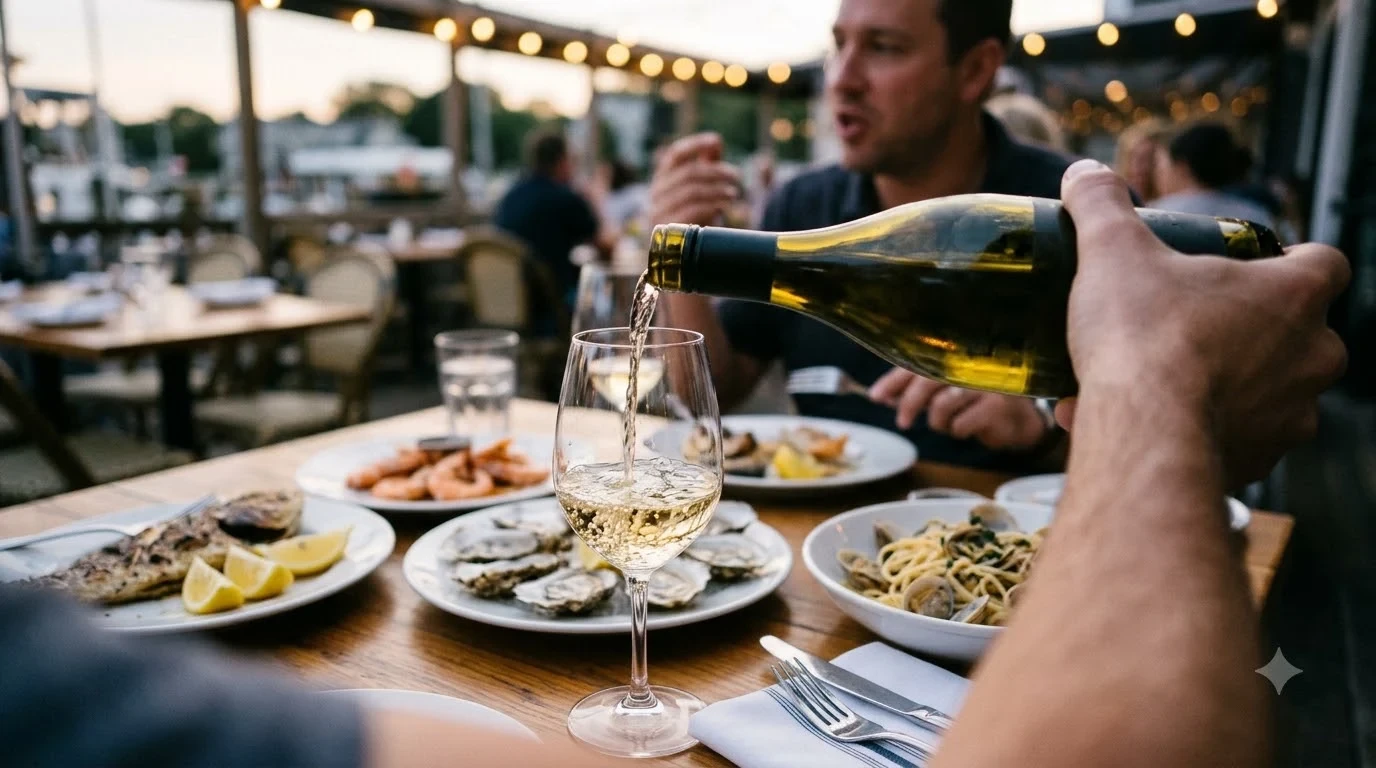
Organic Grüner Veltliner is particularly versatile at the table because its acidity, savory character, and moderate body complement a wide range of dishes. It is especially effective with vegetables, seafood, poultry, and lightly spiced Asian cooking. Matching the wine’s weight and acidity to the food is more important than choosing a complicated recipe.
Vegetables and salads: Asparagus is one of the classic pairings for Grüner Veltliner. Many wines struggle with asparagus because its distinctive green flavors can make some pairings seem bitter or metallic. Grüner Veltliner’s herbal character and acidity provide a useful counterbalance.
Artichokes, green beans, peas, leafy salads, and vegetable dishes with fresh herbs can also work well. Try a light, fresh example with a salad containing cucumber, radish, parsley, and lemon dressing. The wine’s peppery character complements the vegetables without overpowering their flavor.
Seafood and fish: Grüner Veltliner pairs naturally with grilled white fish, shrimp, scallops, mussels, and other shellfish. Its acidity brings freshness to delicate seafood, while citrus and mineral notes complement the natural flavors of the dish.
For richer preparations, such as salmon with a creamy herb sauce, choose a wine with more body. However, oily fish generally calls for care with strongly tannic reds; a fresh white wine such as Grüner Veltliner is often a more suitable choice.
Poultry and pork: Roast chicken, turkey, pork tenderloin, and lightly seasoned pork chops all work well. The wine’s freshness helps balance richer meat preparations, and its savory character can complement herbs such as thyme, sage, and parsley.
Wiener Schnitzel is another traditional pairing worth exploring. The crisp breading and tender meat work well with the wine’s lively acidity and white pepper notes. A medium-bodied bottle provides enough presence for the dish without overwhelming it.
Asian cuisine: Vietnamese, Thai, and Chinese dishes are particularly interesting partners. Grüner Veltliner can work with lemongrass, ginger, coriander, light soy-based sauces, and dishes with moderate seasoning.
However, very hot chili preparations require some care. Alcohol can amplify the sensation of chili heat, so a lighter, lower-alcohol example is often a better choice than a powerful wine. For intensely spicy food, consider whether the wine’s alcohol and weight will complement or overwhelm the dish.
Cheese and lighter appetizers: Fresh goat cheese, mild semi-soft cheeses, vegetable pastries, and light appetizers are useful pairings. The acidity refreshes the palate between bites, while the herbal and peppery aromas complement savory ingredients.
For more inspiration, the broader Wine Buying Guides section can help compare wine styles and make food-oriented purchasing decisions. The same principles apply across different grape varieties: match acidity with acidic ingredients, consider the weight of the dish, and avoid overpowering delicate flavors.
Serving Temperature, Storage, and Aging Potential
Serving temperature has a noticeable effect on the way organic Grüner Veltliner smells and tastes. Light, fresh examples generally show best at 45–50°F, while fuller-bodied whites benefit from slightly warmer service around 50–55°F. Proper storage also helps preserve the wine’s freshness and aromatic character.
A wine served too cold can seem muted, making its fruit and pepper aromas harder to recognize. A bottle served too warm may feel less refreshing, with alcohol and ripe fruit becoming more prominent. For a typical light or medium-bodied Grüner Veltliner, chilling the bottle in the refrigerator before serving is a practical approach.
For a fuller reserve wine, allow the bottle to warm slightly after refrigeration. This can reveal additional texture and complexity. A standard white wine glass is suitable, with enough space for the aromas to develop without requiring an unusually large vessel.
Most everyday Grüner Veltliner is intended to be enjoyed while its fresh fruit and lively acidity are prominent. These wines are often best consumed relatively young rather than stored for extended periods. Their appeal comes from freshness, citrus character, and a clean, refreshing finish.
More concentrated wines from established Austrian regions can have greater aging potential. Structured examples from the Wachau, Kamptal, and Kremstal may develop more complex aromas over several years. Their evolution depends on grape quality, vintage conditions, acidity, concentration, and the producer’s winemaking decisions.
Store unopened bottles away from direct sunlight and large temperature fluctuations. A cool environment near 55°F is a useful target for longer-term storage. Bottles with natural cork closures should generally be stored horizontally to keep the cork from drying out.
Once opened, reseal the bottle and place it in the refrigerator. Most opened still wines remain enjoyable for approximately three to five days, although their freshness can decline gradually. Use a suitable closure to limit exposure to oxygen and avoid leaving the bottle open for extended periods.
Organic certification does not mean that a wine will necessarily have a shorter shelf life than a conventional equivalent. Storage stability depends on the wine’s composition, production decisions, packaging, and handling. A well-made organic Grüner Veltliner can be just as suitable for short-term storage or appropriate aging as a comparable conventionally produced wine.
Frequently Asked Questions
Is organic Grüner Veltliner always made from 100% Grüner Veltliner grapes?
The grape variety’s name identifies the principal wine style, but shoppers should examine the specific regional and wine-label requirements before assuming a particular composition. Austrian Weinviertel DAC, for example, identifies a regionally defined dry Grüner Veltliner category. Organic certification concerns production standards rather than independently establishing grape composition.
Does organic Grüner Veltliner contain sulfites?
Yes, organic wine can contain sulfites, either naturally produced during fermentation or added under permitted conditions. European organic wine rules restrict the amount of sulfur dioxide that may be used. Organic certification therefore does not mean sulfite-free wine, and shoppers should distinguish organic labeling from a specific no-added-sulfites claim.
Can organic Grüner Veltliner be made with oak aging?
Yes. Organic certification does not automatically prohibit all oak maturation. Producers can use permitted winemaking approaches, including appropriate oak vessels, while complying with organic production requirements. Some wineries combine stainless steel tanks with barriques to create different textures and aromatic profiles.
Is Austrian organic Grüner Veltliner available in the United States?
Yes, Austrian wines are imported into the United States through wine distributors and specialist retailers. Availability depends on the producer, importer, vintage, and local distribution arrangements. Weinviertel, Wachau, and Kamptal are useful regional names to recognize when browsing Austrian white wine selections.
What is the difference between Weinviertel DAC and organic certification?
Weinviertel DAC is a protected Austrian regional designation associated with specific wine-origin and style requirements. Organic certification concerns agricultural and winemaking practices. A bottle can meet the Weinviertel DAC requirements and also be certified organic, but the regional designation alone does not establish organic production.
Organic Grüner Veltliner is an excellent option for shoppers seeking a crisp, savory white wine with refreshing acidity and distinctive peppery character. Starting with certified organic bottles from the Weinviertel provides a useful introduction, while exploring the Wachau, Kamptal, and Kremstal reveals greater stylistic diversity. Compare certification, regional origin, body, and intended food pairing to find a bottle that suits your table.
More in Wine Buying Guides
 Cheap Red Blend: How to Find a Flavorful Bottle for LessUpdated Nov 20, 2026
 Pinot Grigio Gift: How to Choose a Bottle They’ll EnjoyUpdated Nov 20, 2026
 Best White Wine at Total Wine for Every MealUpdated Nov 20, 2026
 Wine Fridge Replacement Shelves: Find the Right FitUpdated Nov 20, 2026
 Best Sparkling Wine Under 20: Find Bubbles Worth BuyingUpdated Nov 20, 2026
 Best Wine For Birthday Celebrations With Perfect Party PairingsUpdated Nov 20, 2026