

We may earn a commission when you buy through links on this page, at no extra cost to you. Learn more.
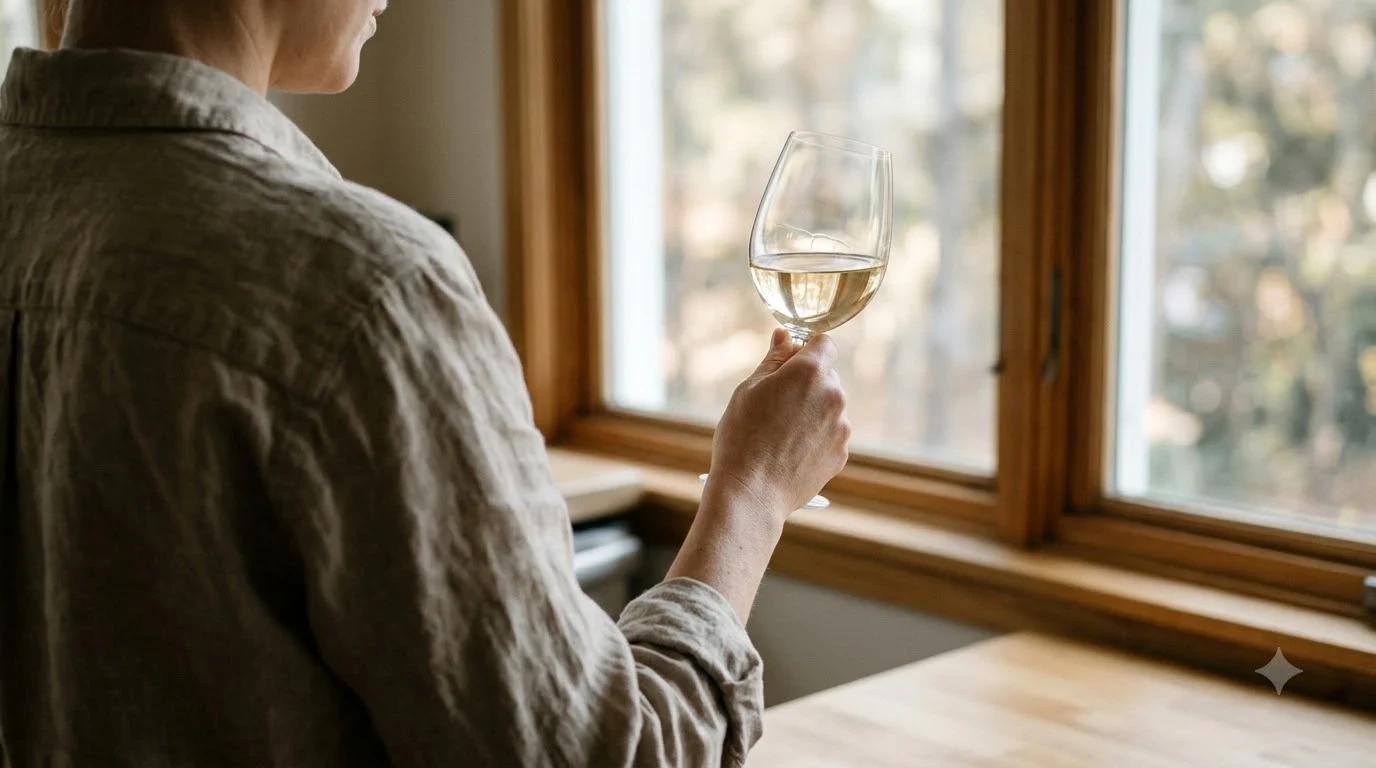
Orange wine alcohol content typically ranges from 11% to 15% ABV, with many bottles falling between 12% and 14%. This is comparable to conventional white and red wines, although individual bottles can be weaker or stronger depending on grape ripeness, climate, and fermentation. The extended skin contact that gives orange wine its amber color and tannic structure does not automatically increase its alcohol level. Understanding the difference between alcohol concentration and perceived strength makes it easier to choose a bottle that suits your preferences.
Orange wine occupies an interesting position between traditional white and red wine styles. Made by fermenting white grapes with their skins, it develops additional color, texture, and tannins while retaining characteristics associated with white grapes. Its alcohol content, however, follows the same basic fermentation principles as other still wines. Whether you are exploring Georgian amber wine, Italian skin-contact whites, or contemporary American bottlings, knowing the typical ABV range helps you understand what is in your glass and how it compares with other wine styles.
Typical Orange Wine Alcohol Content and ABV Range
Most orange wines contain approximately 11% to 15% alcohol by volume (ABV), while 12% to 14% is a useful range for many commonly encountered bottles. This places orange wine alongside conventional still wines rather than fortified wines such as Port or Marsala.
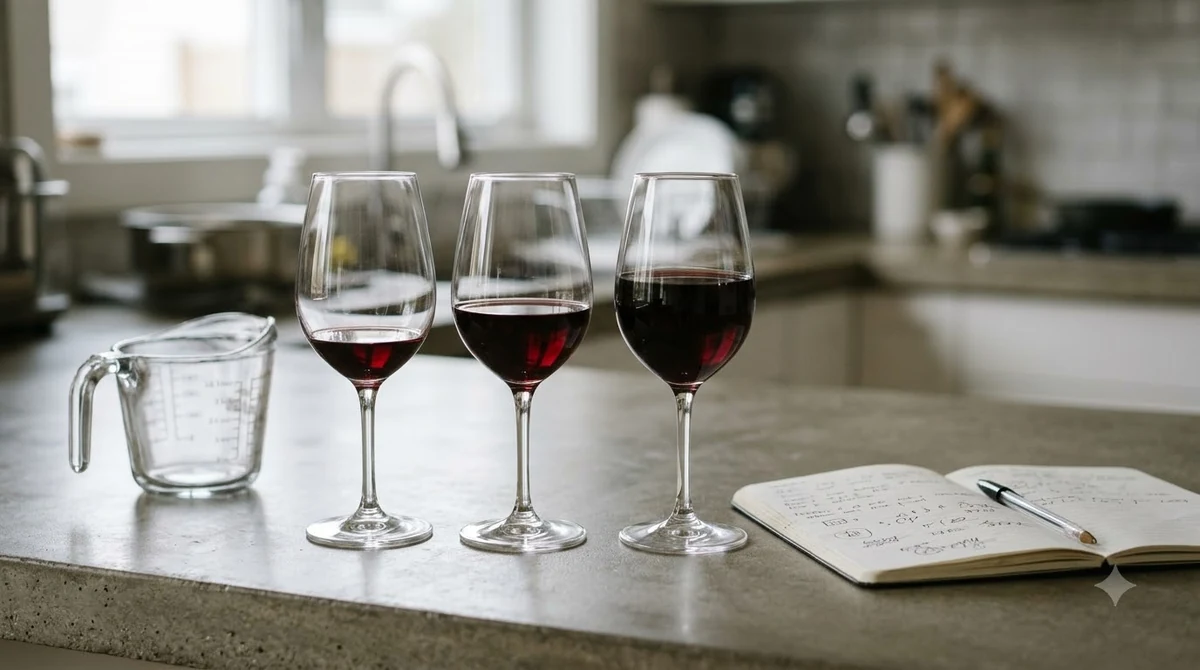
The alcohol percentage describes how much of the wine’s total volume consists of pure alcohol. For example, a bottle marked 13% ABV contains approximately 13 ml of pure alcohol per 100 ml of wine. A 750 ml bottle at that concentration contains approximately 97.5 ml of pure alcohol.
There is no single alcohol percentage that defines orange wine. The category covers numerous grape varieties, growing regions, fermentation approaches, and levels of skin contact. A relatively light Italian Pinot Grigio skin-contact wine may have a different alcohol concentration from a fuller Georgian Rkatsiteli fermented in a traditional qvevri.
The following ranges provide a practical comparison of common examples. They are indicative style ranges rather than legal requirements or guarantees for every bottle.
| Orange wine style | Typical ABV | General character |
|---|---|---|
| Light, fresh skin-contact white | 11%–12.5% | Bright fruit, lighter texture |
| Medium-bodied orange wine | 12%–14% | Stone fruit, herbs, moderate tannin |
| Full-bodied amber wine | 13%–15% | Deeper flavors, greater structure |
| Higher-alcohol examples | 15%–17% | Riper fruit, fuller palate, pronounced warmth |
The final row represents less common examples rather than the standard expectation for orange wine. A bottle above 15% ABV is possible, but it should not be treated as representative of the entire category. Likewise, an orange wine below 11% ABV is possible when grape sugar levels and fermentation conditions produce a lighter finished wine.
For a useful comparison, conventional Sauvignon Blanc often falls around 11% to 13% ABV, while many fuller-bodied Chardonnay bottlings reach approximately 13% to 14.5%. Orange wine overlaps with both styles. Its distinctive character comes more from skin-derived compounds and texture than from a consistently higher alcohol concentration.
Understanding the alcohol percentage is also useful when comparing wine categories. For example, ice wine alcohol content can differ considerably because its concentrated grape juice and fermentation characteristics produce a different style. Orange wine, by comparison, is generally a dry or relatively dry still wine rather than a concentrated dessert wine.
How Skin Contact Changes Texture Without Automatically Increasing Alcohol
Orange wine gets its characteristic color and structure from fermenting white grapes with their skins, seeds, and sometimes stems. The technique resembles red winemaking, but the grape varieties remain white, and the length of skin contact can range from a few days to several months.
During fermentation, the grape skins release pigments, tannins, and other phenolic compounds into the juice. These substances contribute to the wine’s amber or copper appearance, its slightly grippy mouthfeel, and flavors that can include dried apricot, tea, walnut, herbs, and orange peel.
Skin contact is therefore a major influence on how orange wine tastes and feels. However, it is not the principal factor determining the final alcohol percentage. Alcohol forms when yeast converts fermentable grape sugars into ethanol and carbon dioxide. The amount of available sugar and the extent of fermentation have a more direct relationship with the finished ABV.
Consider two wines made from the same white grape variety. One producer might ferment the juice with skins for three days, while another keeps the skins in contact for six weeks. The second wine may have deeper color, more tannin, and a broader palate, but it does not necessarily contain more alcohol.
The Australian Wine Research Institute explains that amber-wine production extracts additional phenolic compounds and can produce noticeable tannin astringency. Its research also discusses how alcohol interacts with these compounds to influence perceived bitterness and texture.
This distinction matters because some orange wines taste considerably more substantial than conventional whites with similar ABV. A wine containing 12.5% alcohol may feel structured and almost red-wine-like because of its tannins, even though its alcohol concentration is moderate.
For a technical explanation of the production method, the Australian Wine Research Institute’s amber-wine guidance describes the differences between skin fermentation, pre-fermentation maceration, and traditional white winemaking.
What Determines the Alcohol Level of Orange Wine?
Grape ripeness, growing climate, grape variety, and fermentation decisions are the main influences on orange wine alcohol content. These factors determine how much fermentable sugar is available and how much of that sugar becomes alcohol during winemaking.
Grape ripeness and natural sugar
Riper grapes generally contain more sugar than less-ripe grapes. Because yeast uses this sugar during fermentation, fruit harvested at higher sugar levels usually has greater potential alcohol.
For example, a producer harvesting fully ripe grapes in a warm growing season may have enough natural sugar to make a wine around 14% ABV. A producer harvesting earlier to preserve freshness and acidity may make a wine closer to 11.5% or 12% ABV.
Ripeness also affects the overall flavor profile. Riper fruit can produce aromas of dried peach, apricot, and ripe citrus, while earlier-harvested grapes may retain more green apple, lemon, and herbal characteristics.
Climate and vineyard conditions
Climate influences how quickly grapes mature and how much sugar they accumulate. Warm, sunny growing conditions can encourage greater sugar development, while cooler conditions often help grapes retain acidity and may result in lower potential alcohol.
For example, an orange wine from a warm Mediterranean vineyard may reach a higher ABV than a comparable wine produced from grapes grown in a cooler European location. This is a general tendency, not an absolute regional rule, because vineyard elevation, harvest timing, rainfall, and grape variety also matter.
Grape variety
Different white grape varieties have different ripening characteristics and natural sugar levels. Rkatsiteli, Ribolla Gialla, Malvasia, Pinot Gris, Gewürztraminer, and Chardonnay can all be used to produce orange wine, but they do not necessarily reach the same alcohol concentration under identical growing conditions.
For instance, aromatic Gewürztraminer can produce expressive wines with floral and spice characteristics, while Ribolla Gialla is frequently associated with structured, textured skin-contact wines. The variety influences the starting material, but the grower’s decisions and fermentation process still determine the final ABV.
Fermentation decisions
Yeast converts fermentable sugars into alcohol during fermentation. When fermentation proceeds until most fermentable sugar has been consumed, the resulting wine is generally dry. If fermentation stops earlier, some residual sugar may remain and the finished alcohol concentration can be lower than the grape’s original potential.
Winemakers also make decisions about yeast selection, fermentation temperature, vessel type, and fermentation duration. These decisions influence the fermentation environment and can affect how much alcohol develops. They also influence the wine’s aromatic profile and texture.
According to the Australian Wine Research Institute, warmer fermentation conditions and open-top fermentation can sometimes contribute to ethanol evaporation, while stems can absorb some alcohol. These effects help explain why extended skin contact does not guarantee a higher ABV.
Tip: When choosing orange wine based on alcohol strength, prioritize the ABV percentage rather than the color, depth of amber, or length of skin contact. A deeply colored wine is not necessarily stronger than a pale skin-contact white.
Orange Wine Compared With Red, White, Rosé, and Fortified Wine
Orange wine generally has an alcohol concentration comparable to ordinary still wines. Its most important difference from red, white, and rosé wine is the use of white grape skins during fermentation, not a separate alcohol-producing process.
These comparisons provide a practical way to understand where orange wine fits among familiar wine styles.
| Wine style | Typical ABV | Characteristic |
|---|---|---|
| Light white wine | 11%–12.5% | Fresh, crisp, often light-bodied |
| Full-bodied white wine | 13%–14.5% | Richer texture and fuller palate |
| Orange wine | 11%–15% | White grapes, skin-derived tannins |
| Rosé wine | 11.5%–13.5% | Brief contact with red grape skins |
| Light-bodied red wine | 11.5%–13.5% | Red fruit and lighter structure |
| Full-bodied red wine | 13.5%–15% | More concentrated fruit and structure |
| Fortified wine | 15%–22% | Additional distilled spirit or fortified production |
These are broad illustrative ranges, not fixed limits. Actual alcohol levels vary by producer, region, grape variety, and individual bottling.
Orange wine versus white wine
Conventional white wine is usually pressed and separated from its skins before fermentation. Orange wine retains the skins during fermentation, extracting compounds that add color, bitterness, and tannin.
Both styles can have similar ABV. A 13% Chardonnay and a 13% orange wine contain the same proportion of alcohol by volume, although the orange wine may feel more textured and astringent.
Orange wine versus red wine
Red wine is produced using red grape varieties whose skins contain pigments that color the juice during maceration. Orange wine applies a similar process to white grapes, creating structure without the same concentration of red-grape pigments.
Some orange wines resemble lighter reds in mouthfeel, particularly examples made with several weeks or months of skin contact. Their alcohol concentrations can overlap with Pinot Noir, Merlot, and other red wine styles.
Orange wine versus fortified wine
Fortified wines have a fundamentally different production approach. Producers add distilled spirits during or after fermentation, increasing the final alcohol concentration. Marsala and Port are familiar examples.
Orange wine does not require added spirits. It obtains its alcohol through grape fermentation, making it much closer to ordinary still wine than to fortified styles. For another useful comparison, see Marsala alcohol content and how it differs from the ABV of unfortified wines.
How Strong Does Orange Wine Taste Compared With Its ABV?
Orange wine can taste stronger than its stated alcohol percentage because tannins, bitterness, body, and aromatic intensity influence the overall drinking experience. The sensation of warmth from alcohol is only one part of how a wine feels on the palate.
For example, a 12% orange wine with extended skin contact may have firm tannins, dried fruit aromas, and a substantial texture. A 13.5% conventional white wine may feel softer and less structured because it has little or no skin-derived tannin.
Alcohol itself can contribute to warmth and a fuller mouthfeel. At higher concentrations, it may also increase the perception of bitterness in certain skin-contact white wines. The Australian Wine Research Institute notes that alcohol and pH both influence perceived astringency and texture.
Why tannin makes orange wine feel fuller
Tannins are naturally occurring compounds found in grape skins, seeds, and stems. They create a drying or slightly rough sensation, particularly on the gums and inside of the cheeks.
Orange wines with extended maceration can extract more of these compounds than conventional white wines. The resulting structure can make the wine seem more substantial even when its ABV is relatively modest.
Longer skin contact may also contribute dried fruit, tea, spice, and nut-like flavors. These concentrated characteristics can give the impression of intensity without indicating a higher alcohol percentage.
Why alcohol warmth matters
Alcohol can create a warming sensation in the mouth and throat. This is particularly noticeable in fuller-bodied wines with higher ABV, especially when served too warm.
A 14.5% orange wine may feel warmer than an 11.5% example, but the difference is not always obvious from a single sip. Acidity, fruit concentration, tannin, and serving temperature all affect the balance.
Sweetness can also change how alcohol is perceived. A dry orange wine generally lacks the sweetness that can soften the impression of alcohol in some dessert wines. However, orange wine is not automatically dry, and individual producers can make wines with varying residual sugar levels.
The important distinction is that perceived strength and measured alcohol concentration are related but different things. The ABV figure provides the clearest indication of alcohol concentration, while the palate reveals the wine’s structure and balance.
Serving Temperature, Glassware, and Food Pairings
Orange wine is generally best served lightly chilled, with fuller-bodied examples benefiting from slightly warmer temperatures than delicate whites. A practical starting point is approximately 50°F to 55°F for lighter styles and 55°F to 60°F for more structured bottlings.
Serving temperature matters because excessive warmth can make alcohol feel more prominent, while excessive chilling can mute aromas and make tannins seem less integrated. A moderate temperature allows the wine’s fruit, acidity, and skin-derived texture to work together.
Choosing the right serving temperature
Use the following temperatures as practical starting points:
- Light skin-contact orange wine: 50°F to 55°F.
- Medium-bodied orange wine: 52°F to 57°F.
- Full-bodied amber wine: 55°F to 60°F.
These are serving recommendations rather than strict rules. A particularly aromatic bottle may show better with a little extra warmth, while a wine with pronounced alcohol warmth may benefit from slightly more chilling.
Glassware and pouring size
A medium-sized white wine glass or a tulip-shaped glass works well for most orange wines. Fuller examples with extended skin contact can benefit from a larger bowl that allows their aromas to develop.
A standard wine serving is 5 oz. A 750 ml bottle contains approximately 25.4 oz, which provides about five standard pours. The amount of alcohol in each serving depends on the wine’s ABV.
The following examples show how alcohol concentration changes the amount of pure alcohol in a standard 5 oz serving:
| Orange wine ABV | Pure alcohol per 5 oz | Pure alcohol per 750 ml bottle |
|---|---|---|
| 11% | 16.3 ml | 82.5 ml |
| 12% | 17.7 ml | 90 ml |
| 13% | 19.2 ml | 97.5 ml |
| 14% | 20.7 ml | 105 ml |
| 15% | 22.2 ml | 112.5 ml |
These figures are approximate and assume the stated ABV applies to the entire bottle. They illustrate why a seemingly small percentage difference can matter when comparing equal serving sizes.
Food pairings for orange wine
Orange wine is particularly versatile with dishes that benefit from acidity, texture, and savory flavors. Its tannins and fuller mouthfeel allow it to work with foods that might overwhelm a delicate white wine.
- Roasted chicken: The savory flavors and moderate richness complement the wine’s texture.
- Grilled vegetables: Eggplant, mushrooms, peppers, and roasted squash work particularly well with earthy orange wines.
- Aged cheeses: Firm cheeses provide enough richness and salt to soften tannin.
- Spiced dishes: Aromatic, moderately alcoholic orange wines can pair with flavorful curries and seasoned vegetable dishes, although high alcohol and tannin can intensify chili heat.
- Charcuterie: Cured meats and savory appetizers complement the wine’s structure and herbal notes.
- Rich seafood: Some fuller-bodied examples work with grilled or strongly seasoned seafood, although very tannic wines can clash with delicate oily fish.
Food sweetness is another consideration. A dish that is noticeably sweeter than a dry orange wine can make the wine taste more bitter or acidic. For sweet dishes, choose a wine with at least as much sweetness as the food.
Frequently Asked Questions
Is orange wine made from oranges?
No. Orange wine is made from white wine grapes rather than oranges or other citrus fruit. Its name refers to the amber, copper, or orange-like color that develops when grape juice remains in contact with the skins during fermentation. The color varies with grape variety, skin thickness, and winemaking technique.
Is orange wine always dry?
No. Many orange wines are dry because fermentation converts most available grape sugar into alcohol, but sweetness depends on the producer’s fermentation decisions. Some examples retain residual sugar and can taste off-dry or slightly sweet. Skin contact determines extraction and texture rather than guaranteeing a particular sweetness level.
Is orange wine considered a natural wine?
Not necessarily. Orange wine describes a winemaking method, while natural wine generally refers to a broader approach to grape growing and cellar intervention. Some producers use native yeasts, minimal additives, and little filtration, while others use more conventional winemaking practices. The two categories overlap, but they are not interchangeable.
Which country is historically associated with orange wine?
Georgia is particularly important in orange wine history because of its traditional qvevri winemaking. These large clay vessels are buried underground and used for fermenting and aging wine. Traditional Georgian amber wines are frequently associated with the Rkatsiteli grape, although other local varieties are also used.
Can orange wine be aged in a cellar?
Yes, some structured orange wines can develop additional complexity with bottle age. Their acidity, tannin, grape variety, oxidation management, and winemaking quality all influence their aging potential. However, not every orange wine is intended for extended cellaring, and fresh, lighter examples are often best enjoyed relatively young.
Orange wine alcohol content is generally comparable to that of conventional still wine, with most bottles falling between 11% and 15% ABV. The distinctive amber color, tannins, and textured mouthfeel come from skin contact rather than an inherently higher alcohol concentration. By comparing ABV, grape variety, and serving style, you can choose an orange wine that delivers the balance and character you prefer. Explore more styles through our Wine by Type collection to understand how different winemaking methods shape the wines in your glass.
More in Wine Types & Grapes
 Zinfandel Sugar Content: Dry Red vs. White Zinfandel GramsUpdated Nov 21, 2026
 Best Zinfandel Substitute Options for Sipping and CookingUpdated Nov 21, 2026
 Zweigelt Food Pairing: Best Dishes, Cheeses, and Serving TipsUpdated Nov 21, 2026
 Zinfandel Tannins Explained: How Structure Shapes Every BottleUpdated Nov 21, 2026
 Zinfandel Sweetness Level: Dry Red vs. Sweet White Zin ExplainedUpdated Nov 21, 2026
 Xinomavro Food Pairing: Best Dishes, Styles, and Serving TipsUpdated Nov 21, 2026