

We may earn a commission when you buy through links on this page, at no extra cost to you. Learn more.
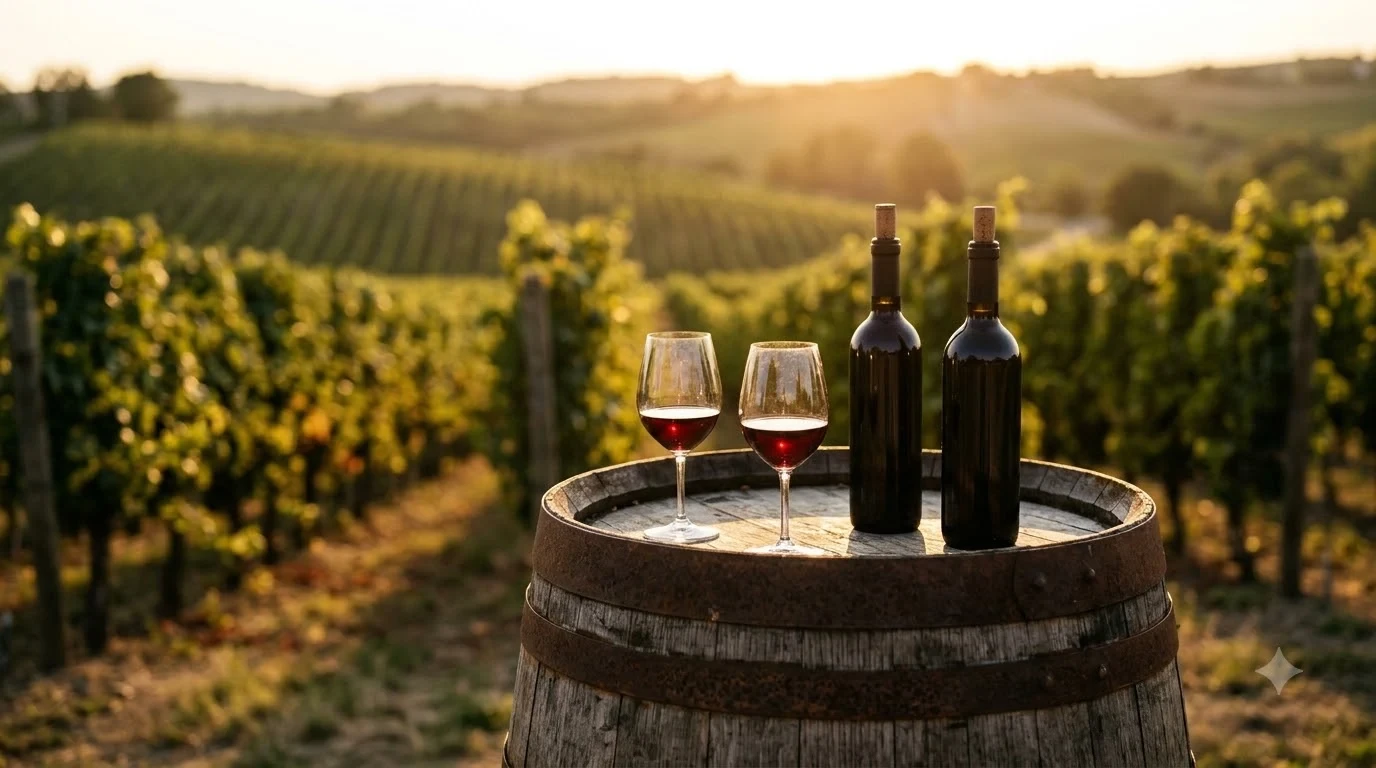
The muga wine price typically ranges from about $35 to $126 for a 750 ml bottle in the United States, depending on the wine and vintage. Muga Reserva is the most accessible starting point, while Reserva Selección Especial occupies a higher tier. Prado Enea Gran Reserva and Torre Muga cost substantially more, making them options for buyers seeking more ambitious Rioja wines or bottles for special occasions.
Choosing a bottle from Bodegas Muga involves more than comparing shelf prices. The Spanish producer offers several red wines, alongside white, rosé and sparkling selections, and each occupies a different position in its portfolio. Understanding the differences between Reserva, Selección Especial, Gran Reserva and Torre Muga makes it easier to decide whether a particular bottle suits your budget, dinner plans or interest in traditional Rioja. This guide explains typical US retail ranges, the factors behind price differences and the practical details to consider before buying.
Who This Is For
Muga wine is a good fit for shoppers interested in Spanish Rioja, especially those who enjoy structured red wines with oak influence and the savory character associated with traditional regional styles. Its portfolio includes approachable choices for everyday dinners as well as more expensive bottles suited to longer meals and special occasions.
First-time buyers should begin by considering Muga Reserva. It offers a useful introduction to the producer without requiring the financial commitment associated with Torre Muga or Prado Enea Gran Reserva. Someone already familiar with Rioja may prefer Selección Especial, which occupies a different position in the range and provides another way to explore the winery’s approach to red wine.
The range also suits collectors who enjoy comparing vintages. A bottle of Rioja from one harvest can differ considerably from another in fruit concentration, acidity, tannin and development. Older bottles can also become harder to find, which sometimes affects their retail pricing. Buyers should therefore distinguish between a wine’s normal retail range and the asking price for a particular older vintage.
People shopping for a gift should consider the recipient’s preferences before choosing the most expensive bottle. Someone who enjoys traditional, food-friendly Rioja may appreciate Reserva more than a powerful, premium red. Conversely, a wine enthusiast who already knows the Muga portfolio may find Prado Enea or Torre Muga a more interesting gift.
Muga is not limited to red wine. Its official portfolio includes Muga White, Muga Rosado, Flor de Muga Blanco Reserva, Flor de Muga Rosé and sparkling Cava under the Conde de Haro name. These alternatives are worth considering when the intended occasion calls for a different style.
For readers comparing Spanish producers, the broader Wine Brands resource provides another starting point for exploring wineries and their different portfolios. Buyers who want to understand Muga’s individual labels can also consult the dedicated Muga wine overview.
Key Factors to Compare
The most useful comparison is between the wine’s position in the Muga portfolio, its vintage, bottle size and current US retail range. These factors help explain why two bottles from the same producer can have very different asking prices.
The following ranges are typical US retail estimates for 750 ml bottles, based on Caveau’s comparison of current US shop listings for the wines and vintages it tracks. Prices vary by state and retailer, and the figures should be treated as buying guidance rather than guaranteed shelf prices. The Caveau Muga price comparison provides the underlying wine-by-wine and vintage information.
| Muga wine | Typical US retail price | Buying position |
|---|---|---|
| Muga Reserva | About $35–$41 | Entry point to the red wine range |
| Reserva Selección Especial | About $40–$47 | Step-up Rioja selection |
| Prado Enea Gran Reserva | About $102 for the tracked 2016 vintage | Premium, age-worthy selection |
| Torre Muga | About $114–$126 | Premium red wine |
Source: Caveau’s US retail comparison for Muga, which uses the middle of current listings for the exact wine and vintage. Its tracked prices cover four wines and multiple vintages. Retail prices vary by state and retailer, and individual listings may fall outside these typical ranges.
For a more specific example, Caveau reports a typical range of about $35 to $41 for Muga Reserva across its tracked vintages, while Reserva Selección Especial falls around $40 to $47. The relatively small difference between these two categories makes it sensible to compare the exact vintages and availability before choosing. A retailer may also carry one label more consistently than another.
At the premium end, the gap becomes much more substantial. Caveau reports a typical price of about $102 for the tracked 2016 Prado Enea Gran Reserva and a range of approximately $114 to $126 for Torre Muga. These figures represent different wines and vintage coverage, so they should not be interpreted as a direct quality ranking.
Retailer listings provide another useful reference point. Total Wine’s displayed Muga selection includes Reserva Unfiltered, Selección Especial Reserva and Prado Enea Gran Reserva, all in 750 ml formats. Its selection illustrates the different price tiers available through a single US retailer, although individual store inventory and prices can change. The Total Wine Muga selection is useful for checking the currently displayed bottle formats and available labels.
Vintage and bottle size
Vintage is especially important when comparing Rioja wines. Two bottles carrying the same Muga label may come from different harvests and may have different levels of availability and development. Older vintages can command higher prices because fewer bottles remain on the market, although age alone does not guarantee that a bottle is worth more.
Bottle size is another important detail. A 375 ml half-bottle is not directly comparable with a standard 750 ml bottle, even when the wine and vintage are identical. Larger formats also require separate price comparisons because bottle size can influence availability and how the wine develops in storage.
Buyers should compare the complete listing rather than relying on the producer name alone. The label, vintage, bottle size and storage history all contribute to the value of an individual bottle.
Step-by-Step: How to Choose a Muga Bottle
A sensible purchase begins with a budget and a preferred Rioja style. From there, compare the individual labels, confirm the vintage and assess whether the bottle suits the occasion.
- Set a spending range. Decide whether the purchase is intended for a regular dinner, a celebration or a collection. Muga Reserva is a practical starting point for buyers who want to explore the producer without moving immediately into the premium range.
- Choose the general style. If you want a traditional Rioja red, start by comparing Reserva and Selección Especial. If you are specifically looking for a more premium wine, investigate Prado Enea Gran Reserva and Torre Muga.
- Compare the vintage. Look at the year on the front label and compare prices for the same wine from the same harvest. Avoid treating two different vintages as identical products simply because the label name matches.
- Confirm the bottle size. Use 750 ml as the standard comparison size. If a listing offers a 375 ml half-bottle or a larger format, calculate the difference in volume before judging its value.
- Check the retailer’s listing. Compare at least two legitimate US retailers when possible. Look at the wine name, vintage, bottle size and shipping conditions rather than comparing headline prices alone.
- Consider storage and condition. This matters particularly for older bottles. Ask about storage history, fill level, label condition and signs of leakage when buying collectible wine.
- Match the wine to the meal. Consider whether the bottle will accompany grilled meat, roasted vegetables, lamb or aged cheese. A wine’s structure and tannin level can affect how well it works with the food.
One practical approach is to start with a bottle of Muga Reserva before moving to more expensive labels. This allows buyers to establish whether they enjoy the producer’s style before committing to a premium purchase. Someone who already knows the wines can use the same process to compare older vintages or explore the more ambitious labels.
Tip: Compare the same Muga label and vintage across retailers before buying. A lower advertised price is not necessarily better value if the bottle has uncertain storage history, a different size or additional delivery costs.
How to judge the price difference
Consider the difference between two bottles in terms of their intended use. A moderately priced Rioja for a weekday meal does not need to offer the same experience as a premium bottle intended for a long dinner. Paying more makes sense when the wine’s style, maturity or intended occasion justifies the additional expense.
Buyers should also consider how frequently they plan to open the wine. A bottle purchased for immediate enjoyment has a different purpose from one intended for several years of cellar storage. Choosing a wine that matches the intended drinking window is often more useful than simply selecting the highest-priced label.
Types or Styles Explained
Bodegas Muga’s portfolio includes several distinct red wine labels, along with white, rosé and sparkling wines. Understanding the differences helps shoppers compare bottles within the same general category rather than assuming that every wine from the producer offers the same experience.
Muga Reserva
Muga Reserva is a sensible entry point for shoppers interested in the winery’s Rioja reds. It is the label to investigate first when comparing the producer’s more accessible offerings. Its typical US retail range of about $35 to $41 for tracked 750 ml bottles makes it substantially less expensive than the premium selections. This range is reported by Caveau’s US retail comparison, and prices vary by state and retailer.
Reserva is suitable for meals involving roasted meats, grilled beef, lamb and firm cheeses. Rioja reds commonly work well with savory dishes because their acidity and tannin can balance richer ingredients. Serve a medium- to full-bodied red slightly cooler than a warm room, around 60 to 65 degrees Fahrenheit for a fuller style.
Reserva Selección Especial
Reserva Selección Especial occupies a step-up position in the Muga portfolio. Caveau places its tracked 750 ml bottles in a typical US retail range of about $40 to $47. This is a relatively modest increase over standard Reserva, so shoppers who are already familiar with the entry label may find it a useful comparison.
Total Wine also lists Muga Selección Especial Reserva in its US retail selection. Comparing the exact vintage at different stores is important because availability and pricing can change. This wine is worth considering for a dinner where a traditional Rioja red is the main attraction rather than simply a background bottle.
Prado Enea Gran Reserva
Prado Enea Gran Reserva belongs to the more premium part of the Muga range. The winery lists Prado Enea Gran Reserva among its official wines, and its published portfolio identifies the 2019 vintage. Total Wine also lists a 2016 vintage in a standard 750 ml bottle.
Caveau reports a typical US retail price of about $102 for its tracked 2016 Prado Enea Gran Reserva. Because this figure refers to a particular vintage, it should not be treated as a fixed price for every release. Older bottles can have very different asking prices depending on their availability and provenance.
This label is a consideration for buyers who enjoy mature Rioja and want a wine suited to a more substantial meal. Roasted lamb, braised beef and dishes with concentrated savory flavors are useful food matches. A younger, structured red may benefit from 30 to 60 minutes of decanting, while an older bottle may require more careful handling to preserve its remaining freshness.
Torre Muga
Torre Muga is another premium red in the winery’s official range. The producer lists Torre Muga 2021 among its wines, while Caveau reports a typical US retail range of about $114 to $126 for its tracked vintages in 750 ml bottles. Prices vary by state and retailer.
The price difference makes Torre Muga a purchase for shoppers who have already decided that they want a premium Muga wine. It should be compared with Prado Enea by vintage, availability and personal preference rather than assuming that the more expensive bottle will automatically be the better choice.
Aro and other Muga wines
Aro is another named wine in the producer’s portfolio. The winery lists Aro 2021 alongside Torre Muga and Prado Enea Gran Reserva. Its inclusion illustrates that the Muga range extends beyond the four wines included in Caveau’s particular price comparison. Aro should therefore be evaluated separately rather than assigned an unsupported price based on another Muga label.
For shoppers who prefer something other than red Rioja, the official portfolio also includes Muga White, Muga Rosado, Flor de Muga Blanco Reserva and Flor de Muga Rosé. The Conde de Haro range adds sparkling Cava, including Blanc de Blancs and Brut Rosé. These wines provide alternatives for seafood, lighter meals and celebrations where a sparkling wine is more appropriate.
Readers interested in a different accessible wine category can also compare Barefoot wine or explore La Marca Prosecco for a sparkling option. These are different buying decisions, however, and should not be treated as direct substitutes for Rioja reds.
Common Mistakes
The biggest purchasing mistakes involve comparing different vintages, confusing similarly named labels and assuming that a higher retail price guarantees a better drinking experience. A careful comparison of the bottle and its condition is more reliable than judging by price alone.
Comparing different wines as though they were identical
Muga Reserva, Selección Especial, Prado Enea and Torre Muga are separate wines within the producer’s portfolio. Their different positions in the range are reflected in their typical retail prices. A comparison that ignores the label can produce misleading conclusions about value.
For example, a bottle of standard Reserva should not be judged against a premium Torre Muga bottle solely on price. The shopper needs to consider the intended style, vintage and occasion. The right comparison is between bottles that serve a similar purpose.
Assuming an older vintage is always better
Age can influence a Rioja’s character, but it does not automatically make a wine superior. Older bottles may develop more savory, earthy and tertiary characteristics, while younger wines may retain fresher fruit. Personal preference matters, and a wine’s storage history is essential when assessing an older bottle.
Some buyers prefer the freshness of younger reds, while others seek the complexity that can develop through bottle aging. Neither preference should be treated as a universal standard for judging value.
Ignoring bottle condition
Storage conditions matter particularly for wines purchased several years after release. Excessive heat, temperature fluctuations, light and poor storage can damage wine. A bottle that has spent years in an uncontrolled environment may be a questionable purchase even if the vintage appears attractive.
Look for signs of leakage, damaged capsules, unusually low fill levels and deterioration around the cork. A damaged label alone does not necessarily mean that wine quality has suffered, but it may indicate that the bottle was stored or handled poorly.
Assuming every retailer has the same inventory
Retailers carry different vintages and may not stock the full Muga range. Total Wine’s displayed selection, for example, includes three Muga red wines, while the producer’s official portfolio contains a wider assortment. A missing label at one retailer does not mean the wine has been discontinued.
It is also important to distinguish between an in-stock bottle and a listing that is temporarily unavailable. Retail listings can change, particularly for older vintages and limited quantities.
Buying an expensive wine without considering the meal
Wine pairing affects how a bottle performs at the table. A structured red can work very well with grilled beef or lamb but may overwhelm delicate seafood. Oily fish can clash with tannic reds, while salt and fat can soften the perception of tannin.
Spicy dishes require additional care because alcohol and tannin can amplify chili heat. For a dinner involving strongly seasoned food, a wine with a less aggressive structure may be a more comfortable choice than a powerful premium Rioja.
Care and Storage Tips
Correct storage helps preserve the character of a Muga wine, particularly when buying a bottle intended for future enjoyment. Consistent temperature, limited light and minimal disturbance are more important than elaborate storage equipment.
Store bottles horizontally
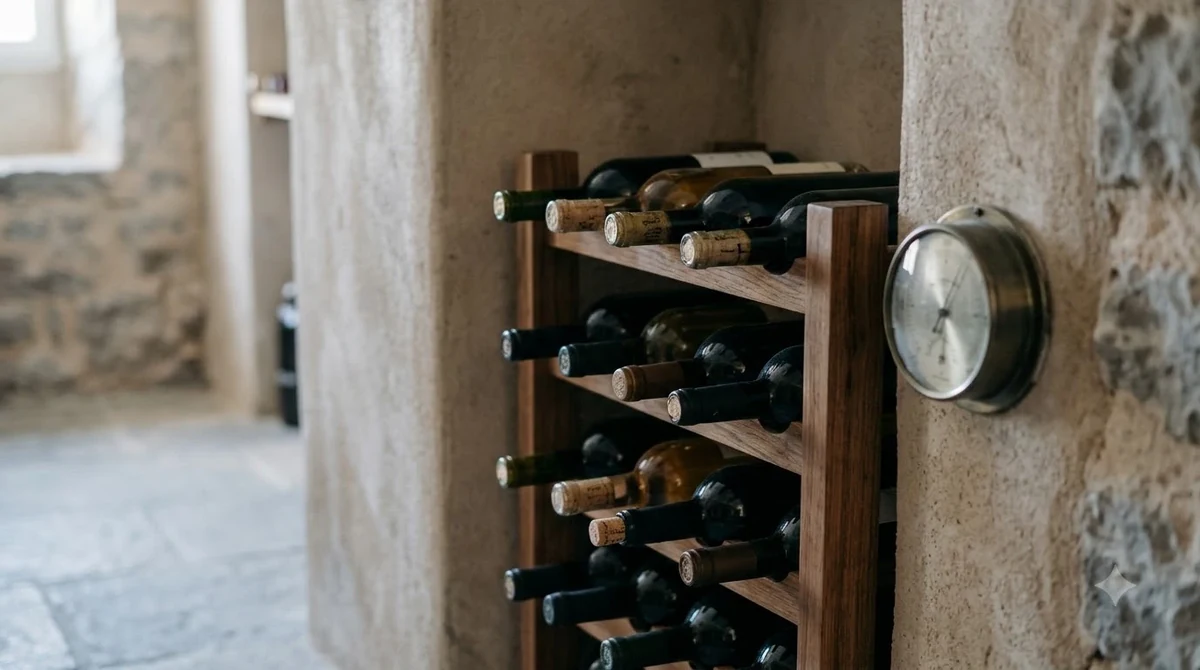
For cork-sealed bottles intended for storage, keep them on their sides so the cork remains in contact with the wine. A stable environment near 55 degrees Fahrenheit is a useful target. Avoid storing bottles beside ovens, radiators, sunny windows or appliances that generate substantial heat.
Temperature consistency matters. A bottle exposed to repeated temperature changes can develop more quickly than expected, potentially losing fresh fruit character and balance. A cool, dark wine cabinet or suitable cellar is preferable to a warm kitchen shelf.
Serve red Rioja at an appropriate temperature
Fuller red wines generally show better balance around 60 to 65 degrees Fahrenheit. Serving a bottle too warm can make alcohol seem more prominent and can reduce the impression of freshness. A short period in a cool room or refrigerator can help bring an overly warm bottle closer to its preferred serving range.
Light red wines are generally served cooler, around 55 to 60 degrees Fahrenheit. The exact serving temperature depends on the wine’s structure and the drinker’s preference, but avoiding excessive warmth is a useful starting point.
Decant when appropriate
Young, full-bodied reds may benefit from 30 to 60 minutes of decanting before serving. Exposure to air can soften the initial impression of a structured wine and allow its aromas to become more expressive. However, decanting is not automatically necessary for every Muga bottle.
Older Rioja requires more caution. Extended exposure to oxygen can cause a mature wine to lose its remaining freshness. For an older Prado Enea, consider opening the bottle carefully and assessing its condition before deciding whether to decant.
Preserve opened bottles
Once opened, still wines generally keep for approximately three to five days in the refrigerator when properly resealed. The cooler temperature slows oxidation, although the wine may gradually lose some aromatic freshness.
Transfer an unfinished bottle to a smaller container when practical to reduce the amount of air above the wine. A reliable closure can also help limit oxygen exposure. Bring the wine back toward its preferred serving temperature before pouring another glass.
Use appropriate glassware
A medium-to-large red wine glass is useful for Rioja because it provides room for the aromas to develop. Pouring approximately 5 ounces at a time leaves sufficient space for swirling without risking spills.
A standard 750 ml bottle contains approximately five 5-ounce servings. For a dinner with several courses, this is a practical serving estimate that helps determine how many bottles are needed without opening more wine than necessary.
Frequently Asked Questions
Where is Bodegas Muga located?
Bodegas Muga is located at Avenida Vizcaya 2 in the Barrio de la Estación area of Haro, La Rioja, Spain. The winery’s official website provides its address and contact telephone number. Haro is an important destination for visitors interested in Rioja wine and its historic winery district.
Who founded Bodegas Muga?
Isaac Muga and Aurora Caño founded the winery in 1932. The business has remained a family enterprise across three generations, according to the producer’s official history. Its family background is an important part of the winery’s identity.
Does Bodegas Muga make sparkling wine?
Yes. The producer makes Cava under the Conde de Haro name. Its official portfolio includes Blanc de Blancs and Brut Rosé, along with other sparkling releases. This means Muga offers options beyond its better-known Rioja red wines.
Can Muga wine be purchased in a half-bottle format?
Some US retail listings have included Muga Reserva in a 375 ml format. Availability depends on the retailer and vintage, so a half-bottle should be compared separately from the standard 750 ml format. The smaller bottle is useful when a full standard bottle would be more than needed.
Does Bodegas Muga offer winery visits?
Yes. The producer’s official website lists winery visits and tasting experiences at its Haro location. Its experiences include a winery tour and a separate tasting class, giving visitors different ways to learn about the wines and the property. Reservations and current experience details should be confirmed directly with the winery.
The best Muga purchase depends on the style you enjoy, the vintage you can find and how much you intend to spend. Muga Reserva provides a sensible starting point, while Selección Especial, Prado Enea and Torre Muga offer different options for shoppers seeking more premium Rioja. Compare equivalent bottles, pay attention to storage and choose a wine that fits the occasion rather than relying on price alone.
More in Wine Brands
 Louis Latour Wine Price: Compare Bottles by Style and TierUpdated Nov 20, 2026
 Yellow Tail Moscato Price: What to Expect Before You BuyUpdated Nov 20, 2026
 Sutter Home Sweet Red Review: Find the Right Food PairingsUpdated Nov 20, 2026
 Franzia Chillable Red Review: Find the Right Serving StyleUpdated Nov 20, 2026
 Veuve Clicquot Rose Review: Flavor, Food Pairings and Buying AdviceUpdated Nov 20, 2026
 Rombauer Wine Price: Compare Bottles Before You BuyUpdated Nov 20, 2026