

We may earn a commission when you buy through links on this page, at no extra cost to you. Learn more.
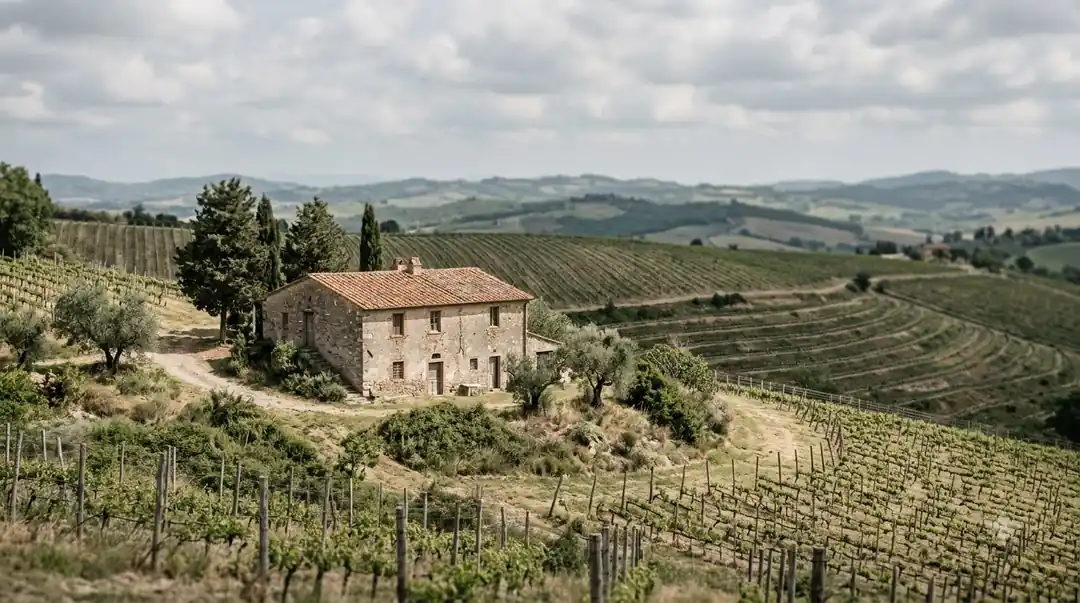
The mudgee wine region is an elevated inland wine-growing area in New South Wales known for its Shiraz, Cabernet Sauvignon, Chardonnay and increasingly varied modern styles. Its vineyards lie among the western slopes and valleys of the Great Dividing Range, where warm days and cool nights shape the growing season. More than 35 cellar doors are promoted by the regional wine association, with the town of Mudgee serving as a natural base for visitors.
Mudgee combines a long Australian wine history with a broad present-day mix of grapes. Understanding its altitude, soils and climate makes it easier to choose bottles, compare producers and plan a cellar-door visit that reaches beyond the best-known reds.
Where Mudgee sits in New South Wales
Mudgee is an inland wine district in the Central West of New South Wales, on the western side of the Great Dividing Range and behind the Blue Mountains. Its wine-growing history dates to 1858, and the landscape is a series of hills, valleys and smaller basins rather than one flat vineyard plain.
The district extends well beyond the township. The NSW Wine Industry Association describes it as running from Dunedoo in the north through Gulgong and Mudgee to Rylstone and Kandos in the south. Those distances matter when planning tastings: vineyards are spread along rural roads, so a town-center itinerary will not cover every area. Mudgee is about three and a half hours northwest of Sydney by road, making it a practical long-weekend destination.
The name is commonly explained as meaning “nest in the hills.” Wine Australia connects it with a local Aboriginal word carrying that meaning, while the NSW Wine Industry Association records the form “Moothi.” The wording reflects the area’s First Nations heritage and deserves respectful treatment. Sandstone buildings in Mudgee and nearby towns also give visitors a sense of the district’s settlement history alongside its vineyards.
Altitude, climate and vineyard soils
Elevation is one of Mudgee’s defining features. Warm growing-season days, cool nights, strong sunshine and relatively low rainfall create conditions that can ripen red grapes while retaining freshness in suitable vineyard sites.
Wine Australia’s regional profile gives the district an altitude range of 227 to 1,242 meters, while the Mudgee Wine Association describes vineyard elevations of roughly 450 to 1,100 meters. These figures cover different geographic scopes and should not be treated as measurements of one vineyard. Wine Australia’s profile also lists a mean temperature of 23 degrees Celsius and growing-season rainfall of 441 millimeters, useful context for understanding this inland climate.
Cool nights can slow ripening after warm afternoons, while spring frosts can delay budburst. Rainfall and humidity are generally limited, and Wine Australia notes that irrigation is essential on some sites. Harvest is typically about four weeks behind the Hunter Valley, a difference the industry body links to Mudgee’s cooler conditions and higher vineyard elevations. Soils also vary: the Mudgee Wine Association’s regional overview describes volcanic earth and sandy loam over clay, while Wine Australia also identifies well-drained sites with shale, quartz or seabed sandstone.
Signature grapes and the wines they make
Shiraz, Cabernet Sauvignon and Chardonnay form Mudgee’s traditional core, but the modern range is broader. Producers also work with Riesling, Pinot Gris or Pinot Grigio, Merlot, Barbera, Sangiovese, Tempranillo and Vermentino, giving visitors alternatives to full-bodied red wines.
Wine Australia’s Mudgee regional profile reports the leading varieties in its crush breakdown: Shiraz at 28 percent, Chardonnay at 23 percent, Pinot Gris or Grigio at 12 percent, Merlot at 11 percent and Cabernet Sauvignon at 10 percent. Together, these five account for most of the reported volume, while smaller plantings add diversity to tasting lists. The figures describe the regional crush, not a guarantee that every cellar door pours each variety.
| Variety | Share of reported crush | What to look for |
|---|---|---|
| Shiraz | 28% | Bright, savory examples through to deep, full-bodied reds |
| Chardonnay | 23% | Full-flavored wines across a range of styles |
| Pinot Gris / Grigio | 12% | A fresh white alongside richer whites |
| Merlot | 11% | Softer red-fruit character and moderate tannin |
| Cabernet Sauvignon | 10% | Structured reds with dark berry character |
Shiraz is a useful starting point because Mudgee makes it in more than one register. Lighter examples can show fresh fruit and savory detail, while concentrated bottles bring dark berry, spice and firmer structure. Cabernet Sauvignon generally has higher tannin and can show berry and dark chocolate notes; regional examples may be blended with Merlot or Shiraz. Merlot often softens a blend, while Shiraz can add body and fruit intensity.
Chardonnay deserves equal attention: Wine Australia describes regional examples as full-flavored and diverse in style, with some suitable for aging over several years. Riesling ranges from dry to slightly sweet and can show refreshing citrus character. The Mudgee Wine Association also highlights Barbera, Sangiovese, Tempranillo, Vermentino and Pinot Grigio as part of the newer variety mix. For a contrast in how geography shapes wine, compare Mudgee with the Savoie wine region, where Alpine conditions support a different set of grapes and textures.
How to read styles and taste Mudgee wines
A useful tasting separates grape character from winemaking choices. Acidity, tannin, body, oak and residual sweetness can make two wines from the same Mudgee variety feel very different, so consider structure before settling on a favorite flavor description.
Compare a Riesling with Chardonnay, then taste Merlot beside Cabernet Sauvignon or Shiraz. Riesling and Sauvignon Blanc are usually high-acid varieties; Chardonnay is typically medium in acidity. Cabernet Sauvignon generally has high tannin, Merlot has medium and softer tannin, and Shiraz commonly sits in the medium-plus to high range. Pinot Noir tends to be lower in tannin and higher in acidity, providing a useful reference even though it is not a leading Mudgee variety.
Look at the wine, smell it, then take a modest sip and notice where fruit, acidity and tannin fall. With reds, consider whether tannins feel fine and drying or firm and grippy; with whites, note whether acidity gives the finish a crisp line. Oak may add toast, spice or creaminess, but it should not be confused with grape ripeness. When tasting several wines, use water and plain bread to reset your palate.
Serve wines at temperatures that preserve their balance: light whites and rosé at 45 to 50 degrees Fahrenheit, fuller whites at 50 to 55 degrees, light reds at 55 to 60 degrees and full-bodied reds at 60 to 65 degrees. Sweet whites suit roughly 43 to 50 degrees, while sparkling wines are best around 40 to 50 degrees. Very cold service can mute aromas, and warm reds may seem more alcoholic. A standard 750-milliliter bottle yields about five 5-ounce glasses.
Tip: Taste Riesling before Chardonnay, then move from Merlot to Cabernet Sauvignon or Shiraz. Note the serving temperature and finish of each wine so the comparisons stay consistent.
Planning cellar-door visits and a Mudgee itinerary
Mudgee is well suited to unhurried tasting, but a little planning makes the day more rewarding. The regional wine association promotes more than 35 cellar doors, and the wider district includes Gulgong, Rylstone and Kandos as well as the township of Mudgee.
Choose a manageable cluster of wineries rather than trying to cover the whole district in one afternoon. Rural driving, tasting durations and meal stops add up, and the best route depends on which producers are open on the day. Check each cellar door’s current hours and booking requirements before setting out, especially for weekends, public holidays or seated tastings; do not assume every vineyard accepts walk-ins.
Set a tasting objective. Visitors interested in classic regional reds can compare Shiraz and Cabernet at two or three producers, while those curious about modern styles can make room for Riesling, Vermentino, Barbera or Sangiovese. Ask about vineyard site, whether a wine is single-variety or blended, and the role of oak. These questions often reveal more than asking which bottle is most popular.
Plan a meal or substantial break between tastings and arrange a designated driver or another safe transport option before leaving town. Three thoughtful tastings with time to compare notes can be more instructive than a rushed circuit of six. Mudgee can also fit into a wider Australian wine trip: travelers comparing inland elevation with island maritime conditions may find the Tasmania wine region a useful contrast. For further regional comparisons, browse the site’s Wine Regions overview, then leave time to explore Mudgee town rather than using it only as a place to sleep.
Food pairings for Mudgee reds and whites
Match the weight and structure of the wine to the dish, then use acidity, salt, fat and sweetness to fine-tune the pairing. Mudgee Shiraz and Cabernet suit richer food, while Chardonnay, Riesling and Pinot Gris offer several directions for lighter meals.
Cabernet Sauvignon’s high tannin suits savory, protein-rich dishes such as grilled beef, lamb chops, braised short ribs or aged hard cheese. Salt and fat soften the perception of tannin, so a well-seasoned steak or buttery sauce can make a structured red feel less severe. Shiraz can pair with grilled sausages, barbecue lamb, mushrooms or pepper-crusted beef; match the dish’s intensity to the wine’s body rather than assuming every Shiraz needs a heavy meal.
Merlot is often softer and less tannic than Cabernet, making it flexible with roast chicken, burgers or tomato-based pasta. Chardonnay can suit roast poultry, grilled prawns, creamy vegetables or roast squash. A leaner, fresher Chardonnay calls for lighter preparations, while a fuller, oak-influenced example can stand up to cream, browned butter and roasted textures.
Riesling’s acidity is useful with citrus, vinegar or a little sweetness. It can pair with spicy Asian dishes, pork with apple, shellfish or salads with a bright dressing. The wine should be at least as sweet as the food when a dish is sweet; a dry Riesling beside a sweet glaze can taste sharp. For acidic food, choose a wine with equal or higher acidity so the wine does not seem flat. Be cautious with chili: alcohol and tannin amplify heat, so a high-alcohol Cabernet or firm Shiraz can make a hot dish feel hotter. Oily fish such as salmon or mackerel is generally a better match for Chardonnay or Riesling than a tannic red.
Buying, serving and storing bottles
Buy Mudgee wine by style and drinking window rather than assuming every bottle needs years in the cellar. Some Cabernet Sauvignon and Chardonnay can develop over several years, but many fresh whites and approachable reds are intended for drinking while their primary fruit is vivid.
For a mixed case, consider a classic red, a Chardonnay, a bright white such as Riesling or Pinot Gris, and an unfamiliar variety such as Barbera or Vermentino. That spread shows both Mudgee’s established identity and its newer experiments. Ask about vintage conditions, vineyard elevation, oak regime and expected drinking window to distinguish a structured cellar candidate from a bottle made for a near-term meal.
At home, keep bottles away from sunlight, vibration and major temperature swings. A cool, dark place near 55 degrees Fahrenheit is a practical target; store cork-finished bottles on their sides so the cork stays in contact with the wine. Avoid a kitchen shelf above an oven or a sunny counter, where repeated heat can age wine quickly. A temperature-stable wine refrigerator is more useful than a decorative rack in a warm room.
Decant a young, full-bodied red for about 30 to 60 minutes if it seems closed or tightly structured. Older bottles may need gentler handling and less air, especially if they have sediment. Recorked still wines generally keep for three to five days in the refrigerator; sparkling wine is usually best within one to three days with a proper stopper. A standard 5-ounce pour gives about five glasses from a 750-milliliter bottle. Fortified wines can last several weeks after opening, while bag-in-box wines may stay usable for four to six weeks when stored as directed.
Frequently Asked Questions
Does any Mudgee vineyard predate the region’s 1858 history date?
Mudgee Wines Estate reports that Andreas Kurtz planted its vineyard at Eurunderee in 1856. That is a producer-specific account and should not be taken as a replacement for the 1858 date commonly used for the region’s broader viticultural history.
What is Durif like at Mudgee Wines Estate?
The estate lists Durif among the grapes it grows and describes the wine as dense and deep purple in color. Its producer notes also point to lifted aromas of ripe raspberry.
When does Mudgee Wines Estate harvest?
The estate lists its harvest period as early February through the end of March. Picking dates for a particular block can shift with seasonal conditions and grape variety.
What soil does Mudgee Wines Estate describe at Eurunderee?
The estate describes deep terra-rossa soil with underlying limestone and streams of quartz. This is a site-specific description, rather than a summary of every soil type found across the wider Mudgee district.
Can Mudgee Shiraz be blended with Viognier?
Yes. Wine Australia notes that Mudgee Shiraz is sometimes blended with Viognier as well as Cabernet Sauvignon, so a Shiraz label does not always mean the wine is composed of that variety alone.
Mudgee rewards anyone who looks beyond a single flagship grape: altitude, cool nights and varied soils support both structured reds and fresh whites. Compare producers, taste across varieties and leave time for the surrounding towns, and the region’s mix of heritage and newer styles becomes clearer.
More in Wine Regions
 Willcox Wine Trail: Discover Arizona’s High-Elevation Wine CountryUpdated Nov 20, 2026
 Yakima Valley Wine Region: Find the Best Styles to TryUpdated Nov 20, 2026
 Vosne Romanee Wine Tasting: Identify Aromas and Choose Better PairingsUpdated Nov 20, 2026
 Yakima Valley Wine Festival: Find the Best Seasonal Wine EventsUpdated Nov 20, 2026
 Wales Vineyards: Discover Cool-Climate Wines and Where to VisitUpdated Nov 20, 2026
 Yountville Wine Festival: Discover Napa Wines and Local FoodUpdated Nov 20, 2026