

We may earn a commission when you buy through links on this page, at no extra cost to you. Learn more.
The best merlot under 20 is a dry, balanced bottle with ripe fruit, moderate tannins and enough acidity to keep each glass refreshing. California, Washington and Chile offer approachable options, while Bordeaux provides more structured alternatives. The smartest purchase depends on whether you prefer soft plum and cherry flavors, richer blackberry fruit or an earthier, more traditional red wine.
Merlot is particularly appealing as an everyday red because it can offer generous fruit, a rounded texture and less aggressive tannins than Cabernet Sauvignon. However, affordable Merlot is not one uniform style. A fruit-forward California bottle can taste quite different from a fresher Washington example or a traditional Bordeaux blend. Understanding those differences makes it easier to choose a bottle that suits your palate rather than relying on the grape name alone.
Who This Is For
Affordable Merlot is a practical choice for red wine drinkers who want a comfortable balance of fruit, body and moderate tannins without moving into expensive bottles. It works especially well for casual dinners, weeknight meals and occasions when a versatile red is more useful than a highly specialized wine.
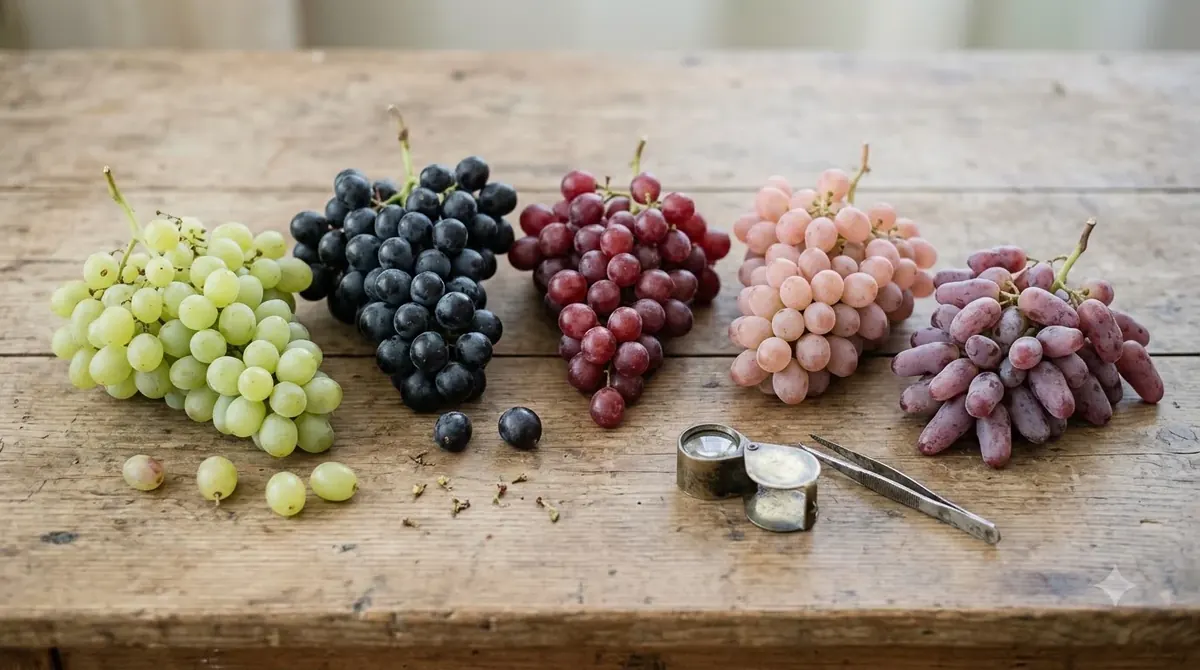
First-time Merlot buyers are a natural audience. Merlot is typically dry, medium- to full-bodied and moderately acidic, with flavors that can include plum, cherry, blackberry and baking spices. Its tannins are generally softer than those of Cabernet Sauvignon, so it often feels rounder and less drying. The grape is not necessarily sweet, even when its ripe fruit aromas suggest sweetness.
Experienced wine drinkers can also find worthwhile options in this category. A lower spending limit encourages attention to regional character, grape composition and winemaking decisions. A Washington Merlot might offer fresh acidity and an herbal edge, while a warmer-climate California example can emphasize ripe black fruit and a fuller texture. Neither style is automatically superior; the better choice depends on the food and the drinker’s preferences.
Merlot also suits households that want one red wine for several different meals. Its moderate acidity and relatively approachable tannins make it adaptable to roast chicken, burgers, pizza, pasta and grilled meat. For a dinner where guests have different preferences, a balanced Merlot can be a safer choice than a particularly tannic or heavily extracted red.
There is one important distinction: people specifically looking for a sweet red should not assume that Merlot is sweet. Most traditional Merlot is dry. Ripe fruit aromas, vanilla and chocolate-like oak characteristics can create a sweet impression without leaving substantial residual sugar. Readers interested in sweeter bottles can explore the characteristics of sweet merlot separately.
This guide is also useful for shoppers who want to understand what a budget can realistically deliver. The goal is not to find the most expensive-sounding label or the darkest-colored wine. It is to identify sound structure, recognizable varietal character and a style that makes sense for the intended meal.
Key Factors to Compare
The most useful Merlot comparisons involve origin, fruit character, tannin, acidity and alcohol rather than packaging or marketing language. These factors help predict how a bottle will taste before it is opened.
Start with the region. California commonly produces ripe, fruit-forward Merlot, although cooler areas can retain freshness and herbal characteristics. Washington’s Columbia Valley is particularly interesting because its dry growing conditions and cool nights can help balance ripe black fruit with acidity. Chile provides another source of approachable Merlot, with styles ranging from easy-drinking fruit-forward wines to more structured examples.
Next, consider the balance between fruit and structure. A bottle dominated by ripe blackberry, baked plum and vanilla will usually feel richer than one showing fresh cherry, herbs and earth. Oak aging can introduce vanilla, baking spice and toast, but excessive oak character can make an inexpensive wine seem heavy or monotonous. Look for descriptions that mention fruit, freshness and texture together.
Tannin is another important consideration. Merlot generally has softer tannins than Cabernet Sauvignon, although its actual structure varies with climate and winemaking. A wine with moderate tannin should provide enough grip to accompany meat without leaving an excessively drying sensation. Those who prefer a firmer red can consider a Merlot-Cabernet blend.
Alcohol level also helps establish expectations. Wine Folly places typical Merlot in the 13.5% to 15% ABV range. Bottles at the higher end can feel warmer and fuller, especially when served too warm. A slightly cooler serving temperature helps keep alcohol from dominating the fruit. Wine Folly’s Merlot overview and tasting guide provides additional detail about the grape’s typical flavors, structure and regional differences.
| Factor | What to Look For | What It Suggests |
|---|---|---|
| Body | Medium to full | Rounded texture and satisfying weight |
| Tannin | Moderate | Gentler grip than typical Cabernet Sauvignon |
| Acidity | Moderate | Freshness and balance with food |
| Alcohol | 13.5%–15% ABV | Typical Merlot strength according to Wine Folly |
| Serving temperature | 60°F–65°F | Useful target for fuller-bodied red wines |
| Bottle volume | 750 ml | Approximately five 5 oz servings |
| Decanting | 30 minutes | Can help a young, fuller-bodied wine open up |
These numbers are practical reference points, not rigid requirements. A lighter Merlot may be more enjoyable toward the lower end of the serving-temperature range, while a fuller example can benefit from slightly more warmth. Likewise, a young, simple wine may need no decanting at all.
Finally, examine the producer’s description and the wine’s regional designation together. A label identifying Columbia Valley, Sonoma County or Bordeaux provides more useful context than a generic statement about smoothness. If you regularly compare different grapes, the best cabernet sauvignon under 20 offers a helpful contrast in tannin, body and food-pairing flexibility.
Tip: Prioritize balance over intensity. A Merlot with recognizable plum or cherry fruit, moderate tannins and refreshing acidity is generally a more versatile everyday purchase than one that relies entirely on heavy oak and concentrated sweetness-like fruit.
Step-by-Step: How to Choose a Bottle
A simple buying process helps narrow the options without requiring specialist wine knowledge. Start with the occasion, identify the preferred style and then compare the information on several labels.
-
Decide what the wine needs to accompany.
For pizza, burgers, roast chicken and pasta, look for medium-bodied Merlot with fresh fruit and moderate tannins. For grilled steak, lamb or beef short ribs, a fuller example with more concentrated fruit and structure is often a better match. -
Choose a regional direction.
Start with California if you prefer ripe fruit and a rounded texture. Consider Washington for a combination of black fruit, freshness and herbal notes. Explore Chile for fruit-forward or moderately structured alternatives, and Bordeaux if you enjoy earthier, more restrained reds. -
Read the tasting description carefully.
Look for specific flavors such as plum, black cherry, blackberry, currant, violet, herbs and baking spice. These details are more informative than broad marketing terms such as premium, luxurious or smooth. -
Consider the blend.
A bottle labeled Merlot may contain other permitted grape varieties depending on its origin and applicable labeling rules. Cabernet Sauvignon can add firmer tannins and structure, while Cabernet Franc may contribute freshness and herbal complexity. -
Check the alcohol level.
Compare the stated ABV with the style you want. A fuller, warmer-climate Merlot can have more alcohol and a richer mouthfeel, while a more restrained example may feel fresher with lighter meals. -
Compare the producer rather than the front label alone.
Look at the winery’s other bottlings, regional information and consistency of its Merlot range. A recognizable producer can offer useful background, but reputation should not replace an examination of the wine itself. -
Buy one bottle before committing to several.
A single bottle is a sensible way to discover whether the producer’s style suits your palate. If you enjoy it, compare another vintage or regional expression before buying a larger quantity.
When comparing bottles, keep your expectations realistic. A budget Merlot does not need the depth or aging potential of a prestigious Bordeaux to be worthwhile. It should deliver clean fruit, reasonable balance and an enjoyable finish for the intended occasion.
It is also useful to record what you like after opening a bottle. Note whether you prefer plum or cherry, a soft or firm finish, and noticeable oak or fresher fruit. Those observations create a much more useful shopping reference than a label’s promotional language.
Types and Regional Styles Explained
Merlot changes considerably with climate, soil and winemaking. Understanding the main regional styles helps shoppers predict whether an affordable bottle will taste rich and fruity, fresh and structured or earthy and restrained.
California Merlot
California is a logical starting point for shoppers who want accessible, fruit-forward Merlot. The state’s wines can display black cherry, plum, blackberry, herbs and baking spices, with texture ranging from medium-bodied to full-bodied. Warmer growing conditions often produce generous fruit and a round mouthfeel.
Napa Valley is associated with richer and fuller styles, while Sonoma and Monterey offer additional expressions shaped by their respective growing conditions. Lodi and San Joaquin County are also important Merlot-growing areas. According to the Wine Institute, Lodi and San Joaquin County account for the largest share of California Merlot acreage, followed by Napa, Sonoma and Monterey.
At this budget level, California Merlot is especially appealing to drinkers who want ripe fruit, a relatively soft texture and straightforward food compatibility. Some bottles show noticeable vanilla and toast from oak treatment. Others emphasize fresh plum and cherry with less obvious oak influence.
Washington Merlot
Washington offers a different balance. Columbia Valley Merlot can combine ripe black fruit with fresher acidity and herbal notes. The region’s dry eastern growing conditions and cool nights help preserve freshness during ripening, making Washington a useful choice for shoppers who find some warm-climate reds too heavy.
Look for Columbia Valley, Yakima Valley and Horse Heaven Hills in regional descriptions. The style can include blackberry, black cherry, plum and subtle herbal characteristics. These wines can work particularly well with grilled meats, mushroom dishes and tomato-based pasta.
Washington is also worth considering when buying for a meal that includes several components. Its balance of fruit and freshness can complement both savory meat dishes and richer vegetarian recipes without overwhelming either one.
French Merlot and Bordeaux Blends
Bordeaux is Merlot’s historic home, particularly the Right Bank appellations of Saint-Émilion, Pomerol and Fronsac. Merlot is the dominant red grape in Bordeaux and is often blended with Cabernet Franc or Cabernet Sauvignon. These combinations can create wines with plum, blackcurrant, earthy notes and firmer structure.
Affordable Bordeaux is frequently a blend rather than a single-variety Merlot. That is not a disadvantage. Cabernet Sauvignon can add tannic structure, while Cabernet Franc can contribute freshness and herbal aromas. The result may taste less overtly fruity than a California Merlot but more savory and food-oriented.
For shoppers who enjoy traditional European reds, Bordeaux is a worthwhile alternative to New World bottlings. It can be particularly satisfying with roast turkey, beef, mushrooms and herb-seasoned dishes.
Chilean Merlot
Chile offers another useful regional option. Its Merlot ranges from approachable fruit-driven bottles to more structured expressions, depending on the vineyard site and producer. Expect variations in plum, cherry, blackberry and herbal character rather than one standardized national style.
Chilean Merlot can be a good choice for drinkers who want to compare New World fruit with a somewhat different balance of freshness and structure. It also provides an opportunity to explore regional diversity without assuming that every Merlot must taste like California wine.
For a broader overview of producers and label styles, consult the site’s guide to best merlot brands. Comparing producers across California, Washington, France and Chile can reveal which house style best matches your preferences.
Common Mistakes When Buying Merlot
Several common shopping assumptions can lead to disappointing purchases. The biggest mistake is treating all Merlot as identical simply because the grape name appears on the label.
Assuming Merlot Is Always Sweet
Most traditional Merlot is dry. Its ripe plum, cherry and blackberry aromas can suggest sweetness, but fruitiness and residual sugar are different characteristics. Oak can add vanilla, chocolate and baking spice impressions that make a wine seem sweeter without necessarily making it sweet.
Anyone who wants a genuinely sweet red should look for explicit sweetness information rather than relying on a fruit-forward description. Similarly, people who prefer dry wine should not automatically avoid a Merlot simply because the tasting notes mention jammy fruit.
Choosing Only by Alcohol Percentage
Higher alcohol does not automatically mean better quality or more flavor. A wine with a higher ABV may feel fuller and warmer, but it still needs sufficient acidity and fruit to maintain balance. If alcohol dominates the finish, the bottle may not be the best match for someone who prefers lighter reds.
Expecting Every Merlot to Be Extremely Soft
Merlot has a reputation for approachable tannins, but regional style and winemaking make a difference. A cooler-climate Bordeaux blend can have more structure and earthy character than a ripe California Merlot. A bottle blended with Cabernet Sauvignon may also have firmer tannins.
That variation is a benefit for shoppers who understand their preferences. Someone who enjoys a more structured red can select accordingly instead of dismissing the grape based on a single experience.
Ignoring Food Compatibility
A wine that works beautifully with grilled beef may feel heavy alongside a delicate fish dish. Merlot’s moderate tannins and medium-to-full body make it especially useful with savory foods, but the meal still matters. Salt and fat can soften tannin, while acidic dishes generally benefit from wines with comparable or higher acidity.
Spicy food requires particular attention because alcohol and tannin can amplify chili heat. A fruit-forward, moderate-alcohol red is generally a safer option than a powerful, highly tannic bottle when the meal contains substantial chili.
Confusing Price with Quality
A prestigious region or elaborate label does not guarantee a better drinking experience. At an everyday budget, the most useful qualities are balance, clean fruit and a finish that suits the occasion. A straightforward Columbia Valley Merlot may be more satisfying with a casual meal than a more ambitious wine with excessive oak or tannin.
It is also a mistake to expect a budget bottle to improve indefinitely in a cellar. Many inexpensive Merlots are made for relatively early enjoyment. Unless the producer provides a convincing reason to age the wine, it is generally more practical to enjoy it while its fruit remains fresh.
Care and Storage Tips for Better Merlot
Proper storage and serving make a noticeable difference to affordable Merlot. Even a well-balanced bottle can seem dull when served too warm, while excessive heat and poor storage can quickly damage its fruit character.
Store Unopened Bottles Correctly
Keep unopened Merlot in a cool, dark place away from direct sunlight, strong temperature fluctuations and kitchen appliances. A storage temperature near 55°F is a useful target. Bottles with natural cork closures should generally be stored on their sides to keep the cork from drying out.
Temperature consistency matters more than achieving an exact number every day. A cupboard near an oven or a sunny countertop is unsuitable for long-term storage. If the bottle is intended for a dinner later in the week, a stable, cool storage location is sufficient.
Serve at the Right Temperature
For fuller-bodied red wines, 60°F to 65°F is a practical serving range. Many people serve red wine too warm because they interpret room temperature as a requirement. In a heated home, room temperature can make alcohol feel more prominent and fruit seem less fresh.
If the bottle has been stored at a warmer room temperature, a short period in the refrigerator can help. Avoid serving Merlot extremely cold, however, because low temperatures can suppress aromas and make tannins seem firmer.
Use a Suitable Glass and Decanter
A large red wine glass with a generous bowl gives Merlot room to release its aromas. Swirling can help reveal cherry, plum, blackberry and oak-related notes. A decanter is optional, not essential for every bottle.
Young, fuller-bodied Merlot may benefit from approximately 30 minutes of aeration. This can help soften the initial impression and make the wine’s aromas easier to recognize. Lighter, simpler examples may be ready to drink immediately after opening.
Preserve Leftover Wine
Replace the cork or use a suitable wine stopper after pouring. Store the opened bottle in the refrigerator, even if it is a red wine. Cooler storage slows oxidation and helps preserve the remaining fruit.
As a general reference, opened still wines usually remain enjoyable for approximately three to five days when refrigerated and properly sealed. The actual result depends on the wine’s age, structure, storage conditions and exposure to air. Bring the remaining Merlot toward its preferred serving temperature before drinking again.
For portion planning, a standard 750 ml bottle provides approximately five servings of 5 oz each. That makes one bottle a practical starting point for a small dinner, while a larger gathering may require additional bottles depending on the number of guests and other beverages available.
Frequently Asked Questions
Is Merlot made from a single grape variety?
Merlot is a grape variety, but a wine labeled Merlot does not always consist exclusively of Merlot. Some regions permit blends with varieties such as Cabernet Sauvignon and Cabernet Franc, subject to local labeling regulations. Bordeaux is particularly well known for blending these grapes into structured red wines.
Does Merlot have a strong oak flavor?
Not necessarily. Oak influence depends on the producer’s winemaking decisions, including the type of barrels and length of maturation. Some Merlots emphasize fresh cherry and plum, while others develop cedar, vanilla, toast and baking spice characteristics.
Can Merlot be served without decanting?
Yes. Many approachable Merlots are ready to drink immediately after opening. Decanting is optional and is mainly useful when a young, structured wine benefits from additional exposure to air. A quick swirl in a large glass can also release its aromas without using a separate decanter.
What is the difference between Merlot and Meritage?
Merlot identifies a specific grape variety, while Meritage is an American term associated with blends made from traditional Bordeaux grape varieties. Meritage reds can include Merlot, Cabernet Sauvignon, Cabernet Franc, Malbec and Petit Verdot. The proportions vary by producer, so a Meritage wine does not necessarily have the same flavor profile as a varietal Merlot.
Does Merlot change color as it ages?
Yes. Young Merlot commonly displays deep ruby or purple-red color, while older bottles can develop garnet and brick-colored edges. These changes are part of the wine’s normal evolution and can occur alongside changes in aroma, texture and fruit character.
The best Merlot purchase is the bottle that combines balanced fruit, appropriate structure and a regional style you genuinely enjoy. Start with California or Washington for approachable everyday drinking, then compare Bordeaux and Chile when you want a different expression of the grape. With attention to the label, serving temperature and food pairing, Merlot can be one of the most versatile choices in an everyday red wine collection.
More in Wine Buying Guides
 Cheap Red Blend: How to Find a Flavorful Bottle for LessUpdated Nov 20, 2026
 Pinot Grigio Gift: How to Choose a Bottle They’ll EnjoyUpdated Nov 20, 2026
 Best White Wine at Total Wine for Every MealUpdated Nov 20, 2026
 Wine Fridge Replacement Shelves: Find the Right FitUpdated Nov 20, 2026
 Best Sparkling Wine Under 20: Find Bubbles Worth BuyingUpdated Nov 20, 2026
 Best Wine For Birthday Celebrations With Perfect Party PairingsUpdated Nov 20, 2026