

We may earn a commission when you buy through links on this page, at no extra cost to you. Learn more.
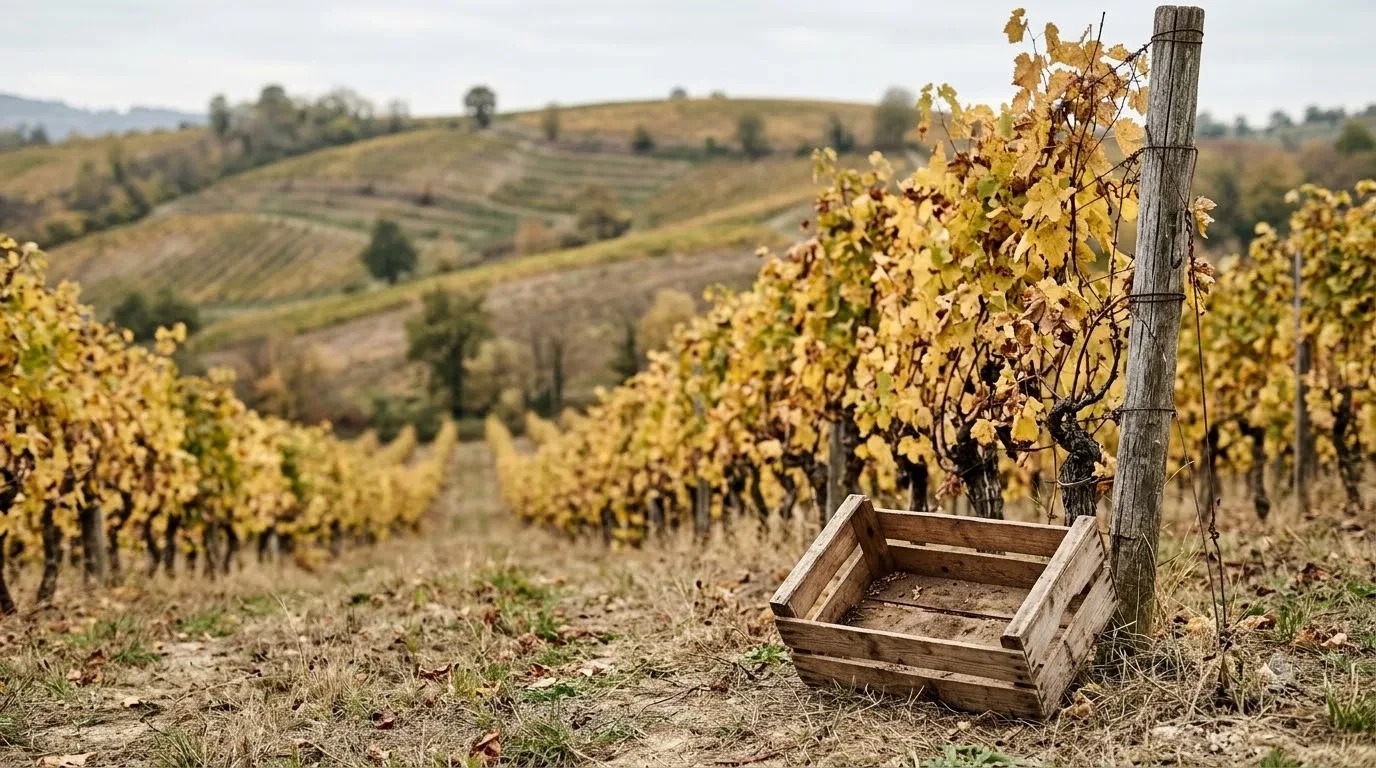
Massachusetts vineyards are small, cool-climate operations that rely on cold-hardy French-American hybrids, with a few vinifera plantings where the weather allows. The state’s wine industry is concentrated in three named appellations: the Southeastern New England AVA, the Martha’s Vineyard AVA, and the newer Nashoba Valley AVA. Expect crisp whites, fruity reds, and a strong focus on regional character rather than big, heavily oaked wines.
This guide covers where Massachusetts vineyards are, which grapes they grow, how the climate shapes the wine, and what to look for if you want to taste or buy a bottle made in the state.
A short history with a long root
Grape growing in Massachusetts is older than many people assume. According to the Wikipedia article on Massachusetts wine, viticulture in the state dates to the 1600s, but the European Vitis vinifera grapes that dominate most famous regions arrived much later. Early growers depended on native American grapes and then on cold-hardy hybrids, which were better suited to the state’s humid summers and winters.
Commercial winemaking came back into view in the late twentieth century. The article points to the 1978 founding of Nashoba Valley Winery in Bolton as a turning point, and it notes that Martha’s Vineyard grapes were not commercially cultivated until 1971. The industry has grown steadily since then, although the exact number of wineries varies from source to source.
Where Massachusetts vineyards are located
Most Massachusetts vineyards sit in the southeast of the state and on the islands and coastal towns near the ocean. The Southeastern New England AVA was the first appellation established in the state, in 1984, and it covers a broad area of the region’s farms and wineries. The Martha’s Vineyard AVA, created in 1985, is a separate and milder appellation on the island, where the ocean moderates temperatures.
Inland, the Nashoba Valley AVA covers a warmer area. The Wikipedia article reports that the appellation was established in March 2026, which makes it one of the newest designations in the state. Because it is inland and warmer, its wines often show more ripeness than those from the coast, though the growing season is still shorter than in most wine regions in the country.
| Appellation | Established | Climate character |
|---|---|---|
| Southeastern New England AVA | 1984 | Growing season of about 180 days; annual precipitation near 44 inches |
| Martha’s Vineyard AVA | 1985 | Milder island climate; growing season of about 210 days |
| Nashoba Valley AVA | March 2026 | Warmer inland site, cooler than most of the country’s wine regions |
Tip: When a Massachusetts label names an AVA, you know the grapes came from that specific area. A coastal island wine and an inland wine from the same state can taste quite different.
Grapes and wine styles in Massachusetts
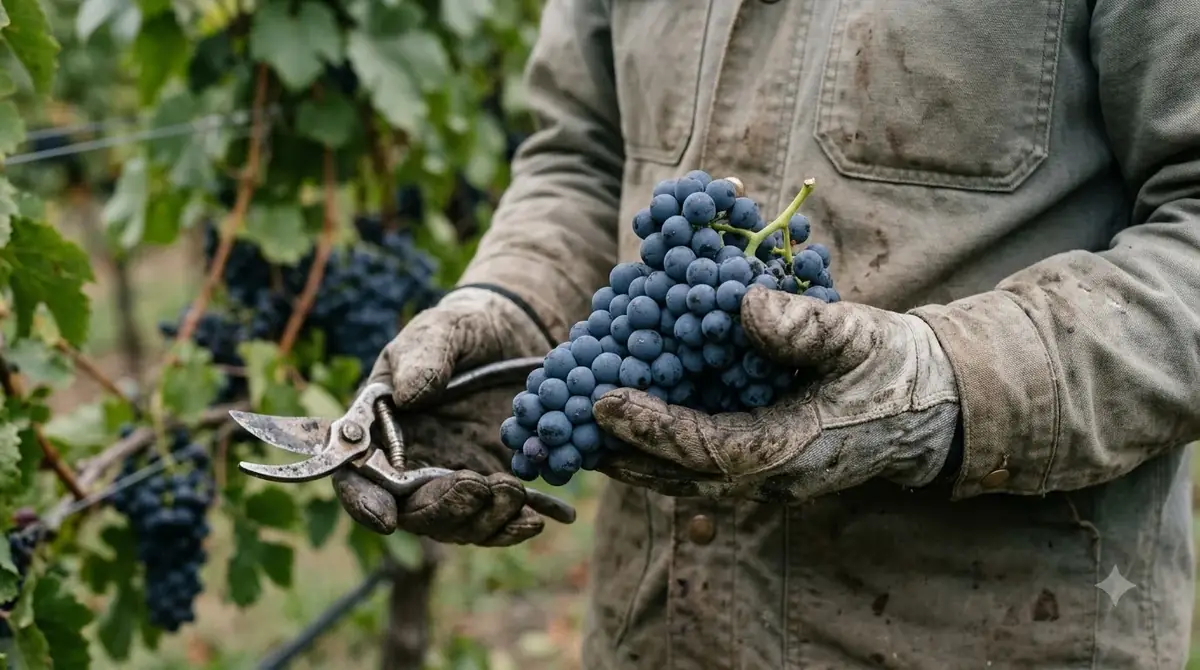
The grapes grown in Massachusetts reflect the climate. Cold-hardy French-American hybrids, such as Seyval Blanc, Vidal Blanc, and Marechal Foch, are central to the state’s identity because they survive harsh winters and produce reliable crops. Seyval and Vidal tend to make crisp, fruity whites, while Marechal Foch gives a red with bright fruit and a firm finish.
Vinifera grapes are planted too, and the Wikipedia entry lists Chardonnay, Pinot noir, Riesling, Cabernet Franc, and Albariño among the varieties grown in the state. The list is long, which reflects how many small growers experiment with different plantings. Many vineyards are small, so the grape mix can change from one farm to the next.
How the coast and the islands shape the wine
Coastal weather is the defining feature of Massachusetts viticulture. The ocean keeps nights milder and slows the arrival of frost, which helps the growing season, but humidity and rain raise the risk of rot and mildew. Growers manage this with careful canopy work, spacing, and spray schedules, and the best sites are often on slopes or in breezy spots where the air moves freely.
On the islands, the moderating effect of the water is strong, and the growing season is longer. Wines from these sites often show brighter acidity and a clean, saline lift. Inland sites get more heat in summer and colder nights, which can build more fruit weight and a rounder texture. The contrast between these zones is one of the most useful things to learn when you taste Massachusetts wine.
Seasons in the vineyard
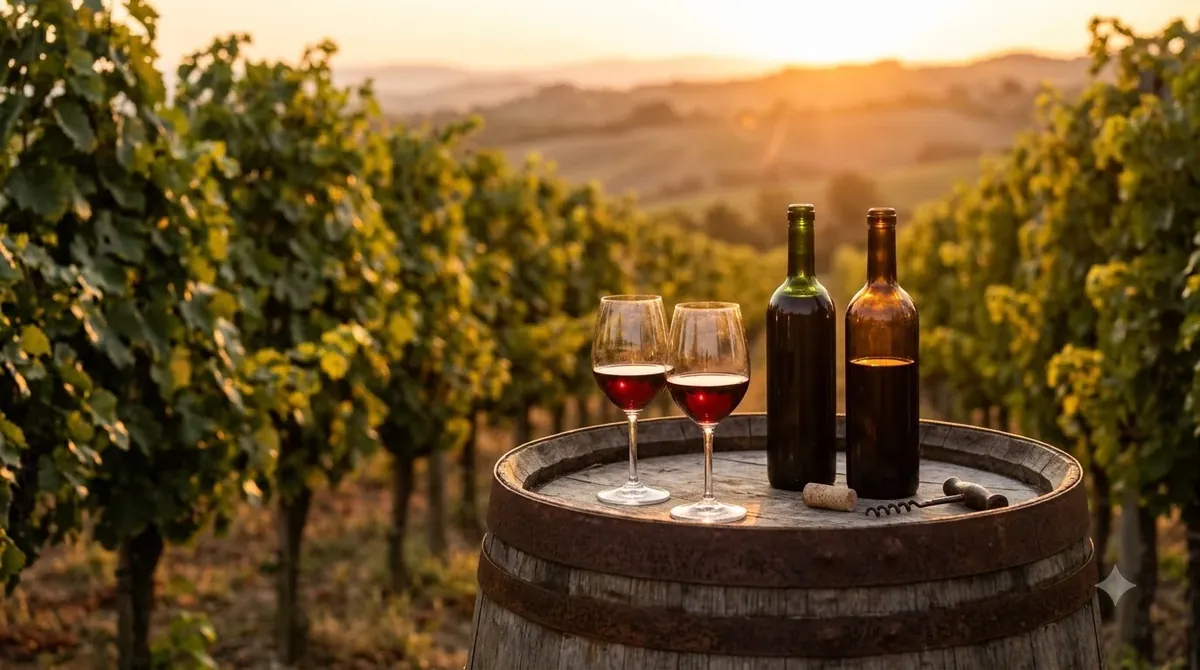
The vineyard year in Massachusetts follows the seasons closely. Buds break in spring, after the risk of hard frost has passed, and the summer months bring the warmth that grapes need to develop sugar and flavor. Harvest usually falls in the early autumn, and a wet September can make the timing tricky, since growers must pick before rain causes fruit to split or rot.
Visitors often find the best atmosphere during the harvest and early fall, when vineyards are busy and tasting rooms run seasonal events. Spring is quieter, but it is a good time to see the vines in leaf and to ask about the year’s frost protection. Winter is rarely a time for visits, since most tasting rooms close or reduce their schedules, so plan around the warmer months.
Tasting and buying Massachusetts wine
Tasting rooms and farm stands are the easiest way to sample local wine, and many are open seasonally, so check hours before a visit. A typical flight includes a white made from Seyval or Vidal, a rosé or light red, and a more structured red if the winery makes one. Asking which vineyard the grapes came from is a good way to understand the house style.
When buying a bottle to take home, read the back label for the grape list and the appellation. A label naming Martha’s Vineyard or Nashoba Valley tells you more than a generic “Massachusetts” claim. Since many producers make small batches, wines can sell out quickly, so buying direct from the winery or a local shop is often the best way to find a specific bottle.
Pairing Massachusetts wine with food
The state’s wines are built for the table. Crisp whites with bright acidity suit the region’s seafood, including clams, scallops, and lobster, and they handle lemon-herb dressings and fresh vegetables well. A Vidal with a touch of sweetness can balance a spicy dish or a salty cheese board.
Reds from Marechal Foch or other hybrids work with grilled meats, burgers, and roasted vegetables, and their brighter fruit makes them easy to serve slightly chilled. For a heavier main course, a more structured Cabernet Franc or a Pinot noir from a good site can hold up to roast chicken or mushroom dishes. Cheese plates with local goat or cow cheeses are a natural match for the state’s fresher, livelier whites.
Frequently Asked Questions
What grapes are grown in Massachusetts?
Massachusetts vineyards grow many cold-hardy hybrids, including Seyval Blanc, Vidal Blanc, and Marechal Foch. Vinifera grapes such as Chardonnay, Pinot noir, and Riesling are planted at selected sites.
How many wineries are in Massachusetts?
Sources give different numbers. The infobox of the Wikipedia article lists 18 wineries, while its text mentions more than 55. Counts change often, so check a current state listing before planning a visit.
What is the Martha’s Vineyard AVA?
It is a 1985 appellation on the island of Martha’s Vineyard. Its milder island climate and longer growing season set its wines apart from those grown on the mainland.
Is Massachusetts wine good?
Quality varies with the producer and the site, as in any wine region. Massachusetts wines tend to be fresh and aromatic, and the best examples show a clear sense of place, especially from the island and coastal sites.
Massachusetts vineyards reward a curious palate. Start with a crisp white from a coastal producer, then compare it with a wine from an inland site. For more context on how climate changes the glass, read the Wine Regions guide, or compare the chalk hill vineyards and calistoga vineyards pages to see how other climates shape their wines. The arizona vineyards page offers another useful contrast.
More in Wine Regions
 Willcox Wine Trail: Discover Arizona’s High-Elevation Wine CountryUpdated Nov 20, 2026
 Yakima Valley Wine Region: Find the Best Styles to TryUpdated Nov 20, 2026
 Vosne Romanee Wine Tasting: Identify Aromas and Choose Better PairingsUpdated Nov 20, 2026
 Yakima Valley Wine Festival: Find the Best Seasonal Wine EventsUpdated Nov 20, 2026
 Wales Vineyards: Discover Cool-Climate Wines and Where to VisitUpdated Nov 20, 2026
 Yountville Wine Festival: Discover Napa Wines and Local FoodUpdated Nov 20, 2026