

We may earn a commission when you buy through links on this page, at no extra cost to you. Learn more.
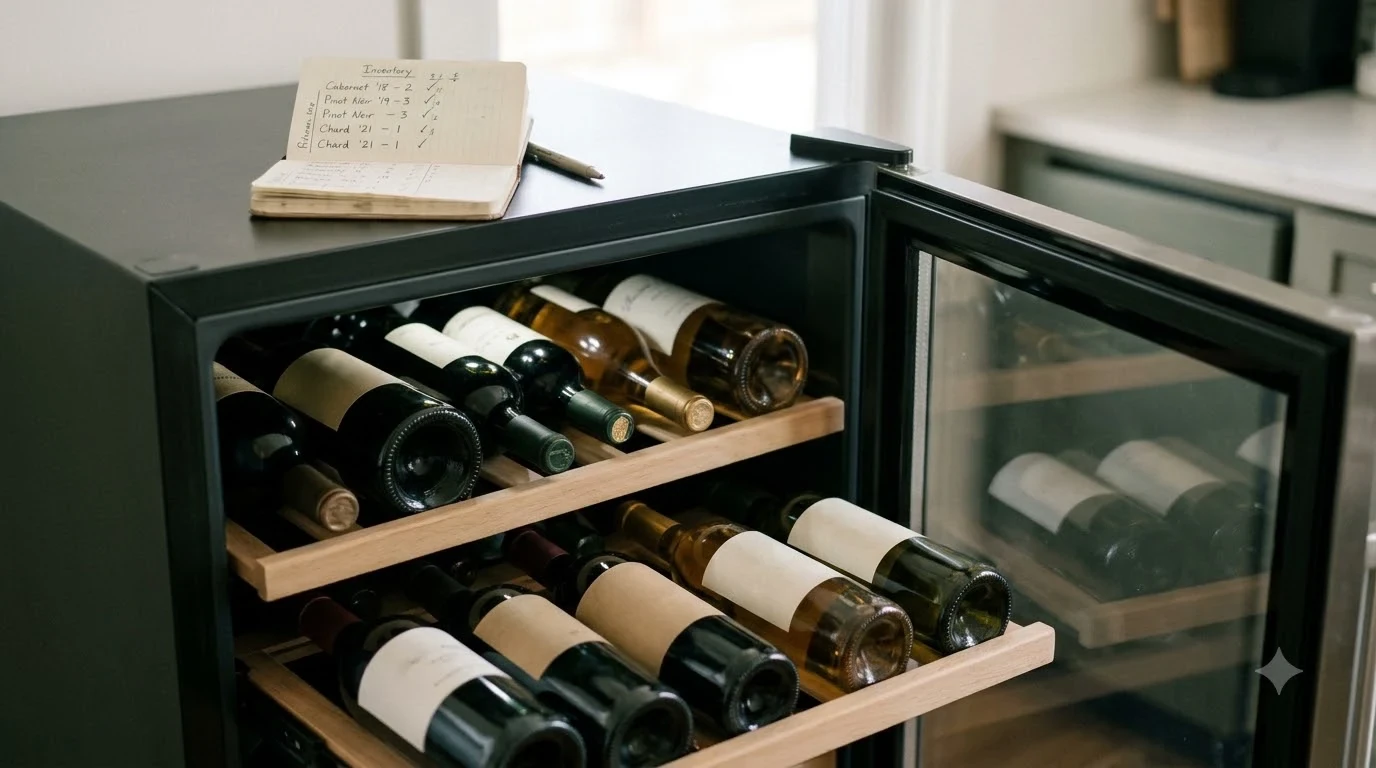
Marvel wine fridge troubleshooting starts with checking the temperature settings, ventilation, door seal, and surrounding room conditions before investigating internal component failures. Many cooling problems come from restricted airflow, frequent door openings, incorrect settings, or a refrigerator that has not had enough time to stabilize. Identifying the model number and understanding whether the appliance has one or two temperature zones will help narrow down the cause and prevent unnecessary repairs.
A Marvel wine refrigerator is designed to maintain a controlled environment for storing wine, but even a premium appliance can experience temperature fluctuations, unusual sounds, display problems, or cooling interruptions. The correct troubleshooting process depends on the model, installation arrangement, and symptoms. Models such as the MRWC215, MRWC224, and MRWD224 have different configurations, so the same diagnosis does not necessarily apply to every unit. This guide explains the practical checks homeowners can perform, which symptoms require professional attention, and how to protect wine while resolving a refrigerator problem.
1. Identify the Marvel Wine Refrigerator Model and Understand Its Cooling System
The first step in diagnosing a Marvel wine refrigerator is identifying its exact model and configuration. Marvel offers 15-inch and 24-inch wine refrigerators, including single-zone and dual-zone designs, so knowing which appliance you own helps establish the correct temperature expectations and troubleshooting procedure.
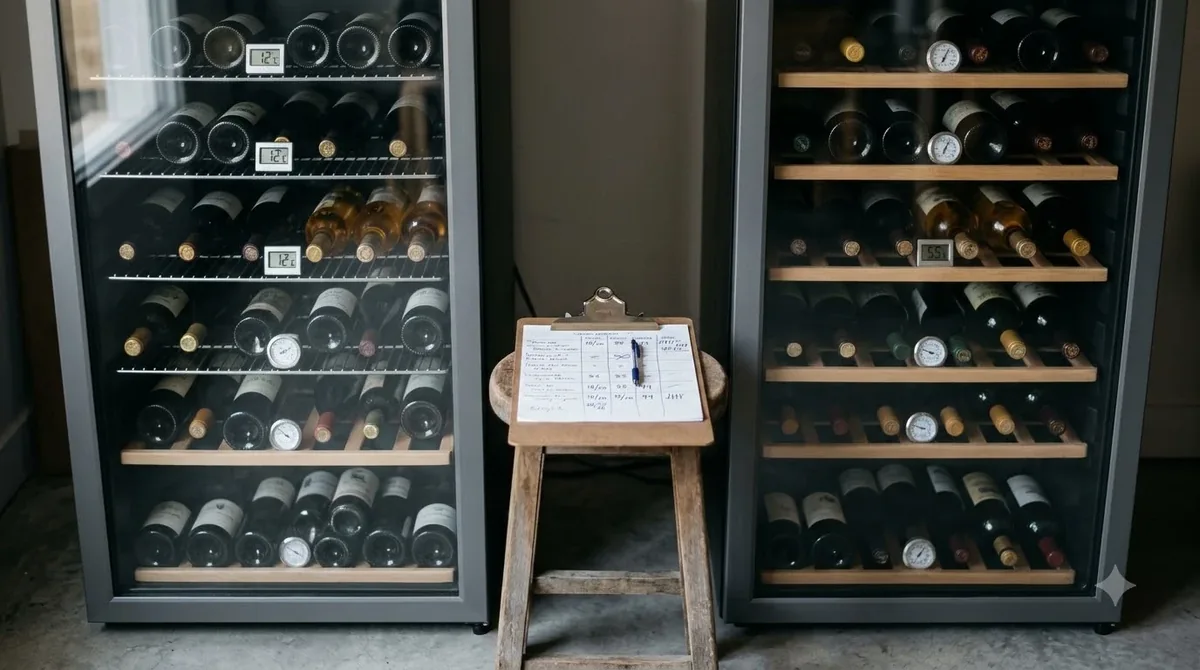
Look for the model and serial number identification plate on the appliance. Depending on the design, its location may vary, so consult the product documentation if it is not immediately visible. Marvel’s product-document portal allows owners to search for manuals, specifications, and installation instructions using a model number. This is particularly important because control layouts, temperature ranges, and maintenance instructions can differ between product generations.
For example, the MRWC215 is an Essential 15-inch wine refrigerator, while the MRWC224 is an Essential 24-inch model. The MRWD224 is a 24-inch dual-zone refrigerator. Marvel also offers Professional Collection models, including the MPWC424, MPWC415, and MPWD424. These distinctions matter when diagnosing a temperature issue because a single-zone appliance has one controlled compartment, whereas a dual-zone model has two independently controlled areas.
The MRWD224 provides a useful example of how model-specific temperature ranges affect diagnosis. Marvel specifies an adjustable range of 39°F to 50°F for its upper zone and 50°F to 61°F for its lower zone. Its capacity is 5.1 cubic feet, with room for up to 46 bottles and five full-extension wire racks. A temperature reading outside the specified range may indicate an incorrect setting, an environmental problem, or a mechanical fault.
Before changing settings or attempting repairs, record the following information:
- The complete model number and serial number.
- Whether the appliance is single-zone or dual-zone.
- The selected temperature for each compartment.
- The actual temperature shown on the display.
- Whether the compressor and fans appear to be operating.
- Any warning indicators, unusual noises, or recent power interruptions.
- How long the appliance has been experiencing the problem.
These details make it easier to distinguish a simple operating issue from a failure that requires an authorized service technician. They also help avoid applying instructions intended for a different Marvel refrigerator.
2. Diagnose a Marvel Wine Fridge That Is Not Cooling
A Marvel wine refrigerator that does not reach its selected temperature may have restricted ventilation, an improperly closed door, unsuitable room conditions, or a problem with its cooling components. Begin with the installation environment and basic operating conditions before assuming the compressor has failed.
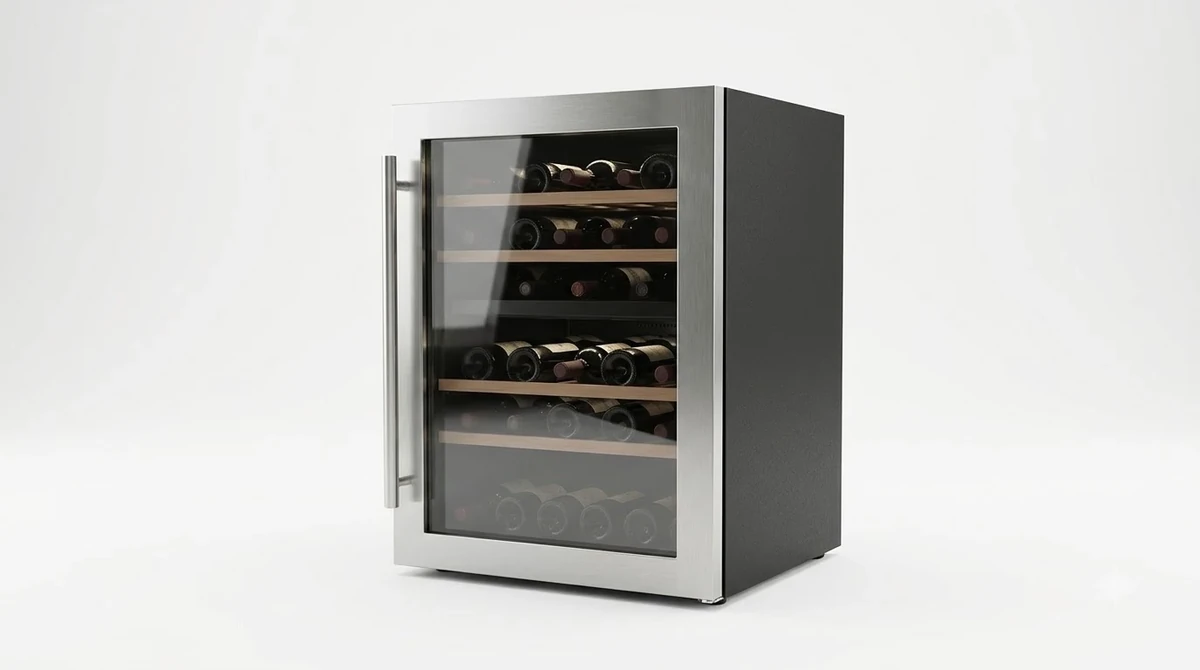
First, examine the ventilation area. Built-in wine refrigerators and freestanding appliances have different installation requirements. A built-in model is designed for an appropriate cabinet installation, while a freestanding model needs sufficient surrounding space for heat dissipation. Blocking the intended ventilation openings with cabinetry, stored items, or decorative panels can interfere with cooling performance.
Next, check the door. A door that does not close completely allows warmer air to enter the compartment. Inspect the gasket for dirt, visible tears, deformation, or sections that no longer sit evenly against the cabinet. Remove obstructions from the shelves and racks, and make sure wine bottles are not preventing the door from closing properly.
Also consider the surrounding temperature. A wine refrigerator installed beside an oven, dishwasher, heating appliance, or in direct sunlight may have difficulty maintaining its selected setting. Excessively warm surroundings can increase the cooling workload and make the compressor run for longer periods.
Check the selected temperature as well. A setting that is higher than expected can make the refrigerator appear undercooled even when the appliance is operating normally. On a dual-zone model, verify both compartments independently rather than assuming the displayed reading represents the entire cabinet.
Use this diagnostic table to organize the initial checks:
| Observed problem | Possible explanation | First action |
|---|---|---|
| Temperature remains too high | Restricted airflow or incorrect setting | Check ventilation and controls |
| Cooling is inconsistent | Door leakage or frequent opening | Inspect the gasket and door alignment |
| Compressor runs frequently | Warm surroundings or heat buildup | Check installation conditions |
| One zone is warmer | Zone-specific setting or cooling problem | Compare both zone readings |
| No cooling activity | Power supply or internal component fault | Check the outlet and contact service |
| Temperature changes after loading | Temporary warming from new bottles | Allow the compartment to stabilize |
After correcting an obvious installation or operating issue, allow the refrigerator to stabilize before judging the result. The recovery period depends on the model, room temperature, bottle load, and length of time the door remained open. Avoid repeatedly changing the thermostat during this period because doing so makes it harder to determine whether the original adjustment solved the problem.
Tip: Record the displayed temperature and selected setting before making adjustments. Recheck them after the appliance has had several hours to stabilize. This simple comparison helps identify whether the refrigerator is recovering or consistently failing to reach its target.
If these checks do not resolve the problem, the cause may involve the temperature sensor, evaporator fan, compressor, electronic control, or sealed refrigeration system. These components require model-specific diagnosis rather than trial-and-error replacement. For a more focused explanation of persistent cooling symptoms, see Marvel wine fridge not cooling.
3. Fix Incorrect Temperature Readings and Fluctuating Controls
Temperature fluctuations can result from incorrect settings, frequent door openings, recently added bottles, or differences between the displayed reading and the actual compartment temperature. A careful comparison of the selected setting and the measured temperature helps determine whether the problem is operational or electrical.
Start by checking the control panel. Make sure the selected temperature is appropriate for the intended storage arrangement and that the correct zone is being adjusted. On a dual-zone Marvel refrigerator, the upper and lower compartments have independent controls. Accidentally changing one zone while checking the other can create the impression that the appliance is not responding correctly.
For the MRWD224, the upper zone has an adjustable range of 39°F to 50°F, and the lower zone has a range of 50°F to 61°F. A reading outside those ranges deserves further investigation once the appliance has stabilized. However, the normal behavior of another Marvel model may differ, which is why the model-specific operating manual matters.
It is also useful to distinguish between storage temperature and serving temperature. A refrigerator intended for long-term storage does not need to operate at the same temperature used to serve every wine style. Wine Enthusiast identifies approximately 55°F as a suitable general long-term storage target, although individual wine refrigerator compartments may be configured differently.
For a practical reference, common serving temperatures include:
- Sparkling wine: 40–50°F.
- Light-bodied white wine and rosé: 45–50°F.
- Full-bodied white wine: 50–55°F.
- Light-bodied red wine: 55–60°F.
- Full-bodied red wine: 60–65°F.
- Sweet white wine: 43–50°F.
These serving ranges are not a substitute for the appliance’s permitted operating range. They simply explain why a wine refrigerator may be configured to hold different bottles at different temperatures.
To investigate an inconsistent display, place a suitable independent refrigerator thermometer in the compartment and compare its reading with the control-panel temperature. Avoid placing it directly against a cooling surface or in a location that does not represent the general storage environment. Record the two readings at consistent intervals rather than relying on a single observation.
If the displayed temperature changes dramatically without a corresponding change in the compartment, the sensor or control system may be malfunctioning. A temperature sensor that reports incorrect information can cause the cooling system to operate at inappropriate intervals. An electronic control problem can produce similar symptoms.
Do not attempt to bypass a sensor or alter internal wiring to force the compressor to run. A qualified technician can test the sensor, control board, and related electrical connections using the specifications for the exact model.
4. Check Door Seals, Airflow, and Installation Conditions
Good airflow and an effective door seal are essential for consistent wine storage. Even a properly functioning cooling system can struggle if warm room air continually enters the cabinet or heat cannot escape through the intended ventilation area.
Begin with a visual inspection of the door gasket. Look for cracks, flattened sections, dirt, loose corners, and areas that appear separated from the cabinet. A dirty gasket may prevent an otherwise undamaged seal from making proper contact.
Clean accessible gasket surfaces with a soft cloth and mild cleaning solution suitable for the appliance. Dry the surface before closing the door. Avoid abrasive pads, sharp tools, and aggressive chemical cleaners that could damage the sealing material.
A simple paper test can help identify a possible sealing problem. Place a narrow strip of paper between the gasket and cabinet, close the door, and gently pull the paper outward. Repeat this at several locations around the perimeter. If the paper slides out unusually easily in one area, the seal may not be making consistent contact. This is an initial inspection rather than a definitive test of gasket performance.
Next, examine the door alignment. A refrigerator that is not level may have difficulty keeping its door properly closed. Check that the appliance sits securely and that the door does not swing open or remain slightly ajar. If adjustment is necessary, follow the installation instructions for the specific model.
Ventilation is equally important. A refrigerator installed in a cabinet must have the clearances and airflow arrangement specified by its manufacturer. A freestanding model should not be pushed into a confined space that blocks its intended air circulation. Do not assume that every Marvel refrigerator uses the same ventilation layout.
Marvel’s product range includes both built-in and freestanding designs. The distinction matters because an installation arrangement suitable for one type may be unsuitable for another. Before changing cabinet openings or moving an appliance, consult the relevant installation documentation.
Other environmental factors deserve attention. A refrigerator near a heat-producing appliance may experience a higher cooling demand. Direct sunlight can warm the cabinet exterior, while excessive dust around accessible ventilation areas can contribute to poor heat dissipation.
Keep the following maintenance checks in mind:
- Inspect the door gasket for visible damage every few months.
- Clean accessible exterior surfaces regularly.
- Keep the intended ventilation openings unobstructed.
- Avoid placing bottles or objects where they interfere with door closure.
- Check the installation level if the door does not close naturally.
- Keep the refrigerator away from direct heat sources whenever possible.
These steps are particularly important for appliances installed under kitchen counters, where nearby cabinetry and other equipment can make ventilation problems less obvious.
5. Understand Unusual Noises, Continuous Running, and Power Problems
Some refrigerator sounds are part of normal cooling operation, but new or unusually loud noises may indicate a mechanical problem. Continuous compressor operation, repeated clicking, excessive vibration, and a completely silent appliance should be investigated according to their specific symptoms.
Compressor runs almost continuously
A compressor may operate for extended periods when the refrigerator is recovering from a warm condition, when the door has been opened repeatedly, or when the surrounding room is unusually warm. A large bottle load can also increase the time required to stabilize the compartment.
However, persistent operation combined with poor cooling deserves attention. Check the gasket, ventilation, room conditions, and selected temperature first. If the appliance continues running without approaching its target, an airflow problem, sensor issue, or refrigeration-system fault may be responsible.
Clicking or buzzing sounds
Occasional operational sounds are not necessarily signs of failure. Fans, compressors, and normal changes in refrigerant pressure can produce audible noises during a cooling cycle. A new repetitive clicking sound, loud buzzing, or unusual electrical noise should not be ignored, especially if cooling performance has also declined.
Check whether bottles, racks, or objects are touching the interior walls and vibrating. Make sure the refrigerator is stable and that its exterior is not contacting nearby cabinetry in a way that transfers vibration. If the sound appears to originate from an internal electrical component or compressor, arrange professional inspection.
Excessive vibration
Vibration can come from an uneven installation surface, loose objects, or contact between the appliance and surrounding cabinetry. Since wine storage benefits from limited movement, resolving unnecessary vibration is important even when the cooling system appears to work normally.
Remove loose objects from the top or surrounding area and make sure bottles are positioned securely on their racks. Do not force racks into their tracks or overload them beyond the model’s instructions.
Refrigerator does not turn on
When the refrigerator appears completely inactive, begin with the electrical supply. Check whether the outlet is working by using an appropriate test device or having the outlet inspected. Examine the accessible power cord for visible damage and check the relevant circuit breaker.
If the breaker repeatedly trips, do not keep resetting it. A recurring electrical interruption may indicate a fault that requires qualified attention. Never remove electrical covers or handle exposed wiring while the appliance is connected to power.
A refrigerator that has no display but appears to have power may have an electronic control issue. A unit with no cooling activity and no interior lighting may have a broader electrical problem. In either situation, record the symptoms and provide the model and serial number when contacting support.
6. Maintain Your Marvel Wine Fridge and Protect Stored Bottles
Regular maintenance helps reduce preventable cooling problems and protects wine from unnecessary environmental changes. Cleaning accessible surfaces, maintaining ventilation, monitoring temperatures, and minimizing door openings are practical habits that support consistent operation.
Start with the exterior and accessible ventilation areas. Dust and debris can accumulate around the appliance, especially in kitchens and utility spaces. Follow the cleaning instructions in the owner’s manual, and only clean components that the manufacturer identifies as user-accessible.
Do not assume that every Marvel model has an identical condenser location or cleaning procedure. Some appliances may have components that are not intended for routine homeowner access. If cleaning requires removing panels, reaching electrical components, or disconnecting refrigeration lines, leave the work to an authorized technician.
Interior cleaning should be equally careful. Remove bottles from the area being cleaned and use a soft cloth with a suitable mild cleaning solution. Dry the surfaces thoroughly before returning the bottles. Avoid strong fragrances or cleaning products that may leave persistent odors inside the refrigerator.
Wine storage conditions also matter. Wine Enthusiast recommends approximately 55°F for general long-term storage and explains that stable temperatures help preserve wine quality. It also identifies light, vibration, humidity, and odors as important environmental considerations.
For bottles sealed with natural corks, horizontal storage helps keep the cork in contact with the wine. Marvel’s wine refrigerator designs include storage racks intended to organize bottles while limiting unnecessary movement. UV-resistant protection is another feature identified across its wine refrigerator range.
Different wine styles may benefit from separate serving temperatures, but long-term storage should prioritize stability. A dual-zone refrigerator can accommodate two temperature preferences, provided both compartments are operating within their specified ranges.
Use this simple maintenance schedule as a starting point:
| Maintenance task | Suggested interval | Purpose |
|---|---|---|
| Check displayed temperatures | Weekly | Identify unusual fluctuations |
| Inspect door closure and gasket | Monthly | Reduce warm-air leakage |
| Check ventilation openings | Monthly | Maintain proper airflow |
| Clean accessible exterior areas | Every 1–3 months | Limit dust accumulation |
| Inspect bottle positioning | Monthly | Prevent rack obstruction |
| Review operating documentation | When symptoms appear | Confirm model-specific procedures |
This schedule is a practical household maintenance routine, not a replacement for the service intervals in the manufacturer’s documentation. Follow any model-specific cleaning and maintenance instructions where they differ.
Wine stored during a refrigerator malfunction should be moved to another suitable storage location if the compartment cannot maintain a stable temperature. Choose a cool, dark area away from sunlight and heat-producing appliances. Avoid repeatedly moving bottles between warm and cold locations, as unnecessary temperature changes are undesirable.
If the refrigerator has a prolonged cooling failure, record the temperature history and the approximate duration of the problem. This information helps establish whether the wine experienced a brief interruption or a more significant storage disruption.
7. Know When to Request Professional Marvel Wine Fridge Repair
Professional service is appropriate when basic operating checks do not resolve the problem or when symptoms point toward electrical, mechanical, or sealed-system failure. Replacing internal components without a proper diagnosis can create additional damage and may affect applicable warranty coverage.
Some faults are not suitable for homeowner repair. These include suspected compressor failure, refrigerant leaks, damaged wiring, faulty electronic control boards, malfunctioning temperature sensors, and internal fan failures that require disassembly.
A technician can evaluate whether the compressor receives the correct electrical supply, whether the fan operates as intended, and whether the refrigeration system is producing the expected cooling performance. The technician can also investigate whether the displayed temperature corresponds with the actual compartment conditions.
Marvel provides a dedicated product-support process that begins with a serial-number search. Its support website also explains that customers whose products are outside warranty coverage can use the service locator to find a local service provider.
Before submitting a request, prepare the following details:
- Model number and serial number.
- Approximate purchase date and available purchase documentation.
- The selected temperature for each zone.
- The displayed temperature and any independent thermometer readings.
- A description of noises, warning indicators, or operating interruptions.
- Information about recent power outages or installation changes.
- Any troubleshooting steps already completed.
Providing specific symptoms is more useful than simply reporting that the refrigerator is broken. For example, explain whether the upper compartment cools normally while the lower compartment remains warm, whether the compressor runs continuously, or whether the display changes unexpectedly.
Marvel’s product-support request form allows customers to provide detailed descriptions of appliance issues. The manufacturer also provides a service locator and information about warranty-related service arrangements. Visit the official Marvel product support page to review the available assistance process.
Warranty coverage can depend on the appliance, purchase circumstances, and the specific component involved. Marvel’s support process distinguishes between products outside warranty coverage and certain sealed-system parts-only coverage situations. Confirm the coverage for the actual serial number rather than assuming that every repair receives the same treatment.
For additional information about choosing a qualified technician and preparing for a service appointment, see Marvel wine fridge repair. If you are comparing diagnostic approaches across appliance brands, the Haier wine fridge troubleshooting resource provides another reference for common wine refrigerator problems.
Do not attempt to recharge refrigerant, open a sealed cooling circuit, or bypass electrical safety components. These procedures require appropriate training, equipment, and model-specific technical information. A professional diagnosis is the safer and more reliable route when the problem extends beyond ordinary cleaning, settings, and installation checks.
Frequently Asked Questions
How long should a Marvel wine fridge last?
Actual service life depends on the model, installation conditions, maintenance, and operating environment. A refrigerator that receives adequate ventilation and avoids repeated overheating generally has better operating conditions than one installed in a confined, excessively warm space. Consult the warranty documentation for the applicable coverage periods rather than treating warranty duration as a guaranteed lifespan.
Can a Marvel wine refrigerator be left running all the time?
Yes. A wine refrigerator is designed for continuous operation, cycling its cooling components as needed to maintain the selected temperature. It does not need to be switched off every night or between uses. Unusual continuous compressor operation accompanied by inadequate cooling, however, deserves investigation.
Does a Marvel dual-zone refrigerator have separate temperature sensors?
Temperature monitoring and control arrangements depend on the particular model and its engineering. The MRWD224 provides independently adjustable upper and lower temperature zones, but the exact sensor configuration should be confirmed through its technical documentation. A technician can determine whether a suspected sensor fault affects one compartment or the overall cooling system.
Can a Marvel wine refrigerator store sparkling wine?
Marvel wine refrigerators are designed to store different wine styles, including sparkling wines. Bottle dimensions and rack compatibility still matter, particularly for larger sparkling wine bottles. Avoid forcing oversized bottles into standard rack positions, and follow the manufacturer’s storage guidance for the specific model.
Where can I find the correct Marvel wine fridge manual?
Use Marvel’s official product-document portal and search by the complete model number. The portal provides access to available manuals, installation instructions, specifications, and technical documents. If the required document is not available through the search, contact Marvel support with the serial number so the company can help identify the appropriate information.
Effective Marvel wine fridge troubleshooting starts with identifying the model, checking its temperature settings, and inspecting the door seal and ventilation conditions. Persistent cooling problems, electrical faults, and suspected sealed-system failures should be evaluated by an authorized service professional. With regular maintenance and stable storage conditions, a properly functioning Marvel wine refrigerator can help protect your collection and keep bottles ready for their intended use.
More in Storage & Fridge Care
 How Long Can You Store Wine in a Wine Fridge? Protect Bottle QualityUpdated Nov 20, 2026
 Can You Store Beer in a Wine Fridge? Keep Both Drinks FreshUpdated Nov 20, 2026
 Is It Worth Repairing a Wine Fridge? Spot the Cheap Fixes Before You ReplaceUpdated Nov 20, 2026
 Wine Fridge Condensation: Identify Causes and Fix Moisture ProblemsUpdated Nov 20, 2026
 Wine Fridge Too Cold: Protect Your Wine and Fix the TemperatureUpdated Nov 20, 2026
 How to Reset Wine Fridge: Restore Cooling and SettingsUpdated Nov 20, 2026