

We may earn a commission when you buy through links on this page, at no extra cost to you. Learn more.
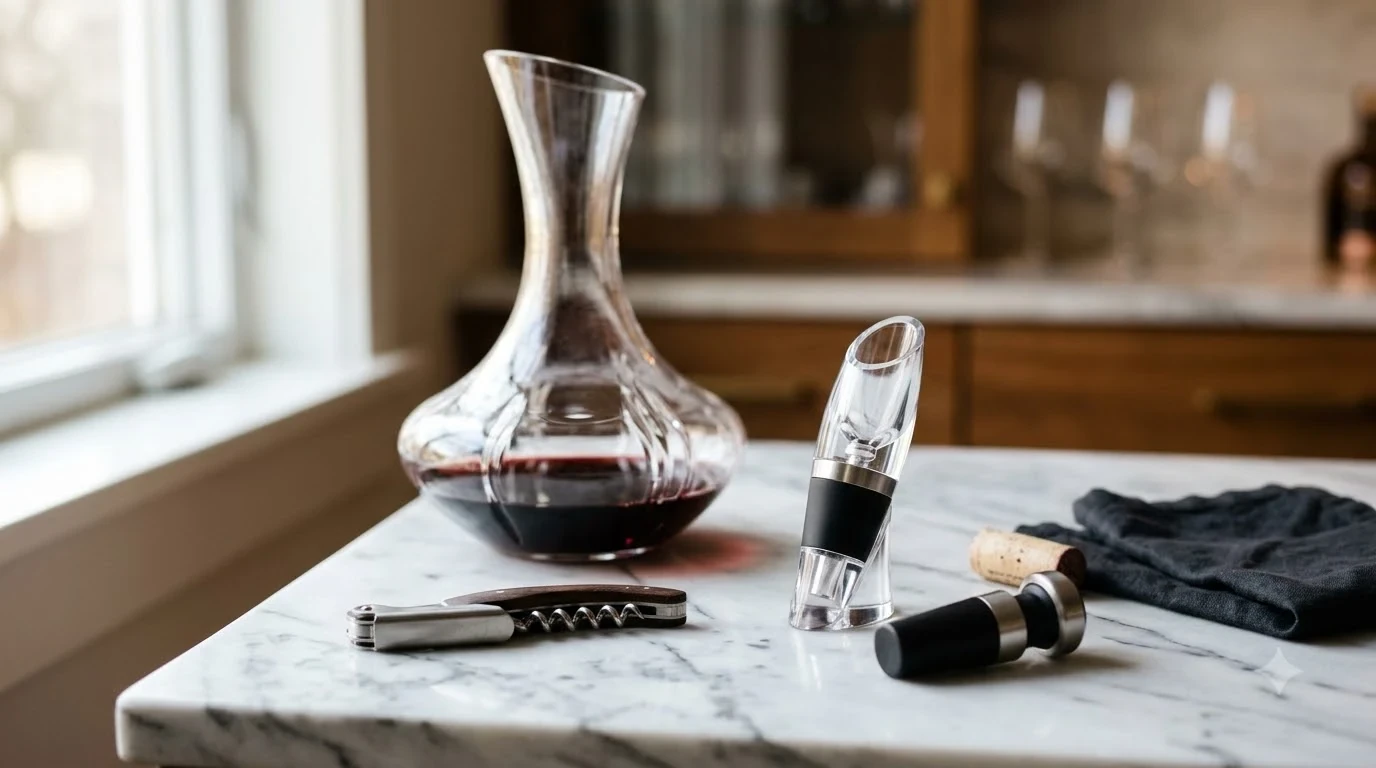
The best marble wine chiller reviews judge the product on one point above the rest: how well the marble holds a cold temperature once it is chilled, and how evenly it cools the bottle during a meal. Marble chillers come in several forms, including chilled marble bases, stone plates for the table, and marble inserts that sit against the bottle. Each form works best for a different kind of wine and a different kind of serving, so the best choice depends on whether you want a display piece, a slow-release chill for a long dinner, or a gentle cooling for lighter bottles.
Marble has a reputation for keeping things cool, and that reputation drives much of the buying interest in this category. Reviews, however, look at how the stone behaves in real use. A marble piece that is pulled from the freezer will feel cold to the touch, but how long the bottle stays in range depends on the room, the starting temperature of the wine, and the thickness of the stone. This guide sorts the main uses by the situation they fit best, and it points to the serving ranges that most reviewers measure against. For the product line, see the marble wine chiller guide.
Quick Comparison
Marble chillers do not all work the same way. Some are chilled before use, some are placed in the fridge, and some are made to sit on the table. The table below compares the main uses by setup, how the chill lasts, and what they suit.
| Use | Setup | How long the chill lasts | Best wine style | Watch out for |
|---|---|---|---|---|
| Chilled marble base | Stored in the fridge or freezer | Holds well once cold | White and rosé | Heavy, so it stays on the counter |
| Table stone plate | Chilled before the meal | Moderate across a dinner | Light reds and rosés | Warms faster in a warm room |
| Marble insert | Set against the bottle | Short without a refresh | Sparkling and white | Limited contact with the wine |
| Display piece | Set out as decor | Depends on storage | Any, if chilled first | Looks better than it cools |
| Gift set | Packaged with a bottle | Varies by model | Chosen by the giver | Check the cooling claims on the listing |
Best for a Long Dinner at the Table: Chilled Marble Bases
A chilled marble base is set under the bottle or beside it on the table, and it draws heat away from the glass slowly. Reviews favor this setup for long meals, since the stone changes temperature gradually rather than cooling in a burst and then warming quickly. That slow shift suits wines people sip over an hour.
Keep the base in the freezer or fridge until dinner, and check the wine with a thermometer rather than trusting the feel of the stone. Reviewers note that a cold base cannot make a warm bottle drink like a cold one, so start with a bottle that is already near the target range.
Best for Lighter Wines and Rosé: Table Stone Plates
Table stone plates are flat pieces set under the bottle or used as a coaster that keeps the wine cool. They suit lighter styles that are served close to the cool end of the range, and they look at home beside a glass of rosé on a summer table.
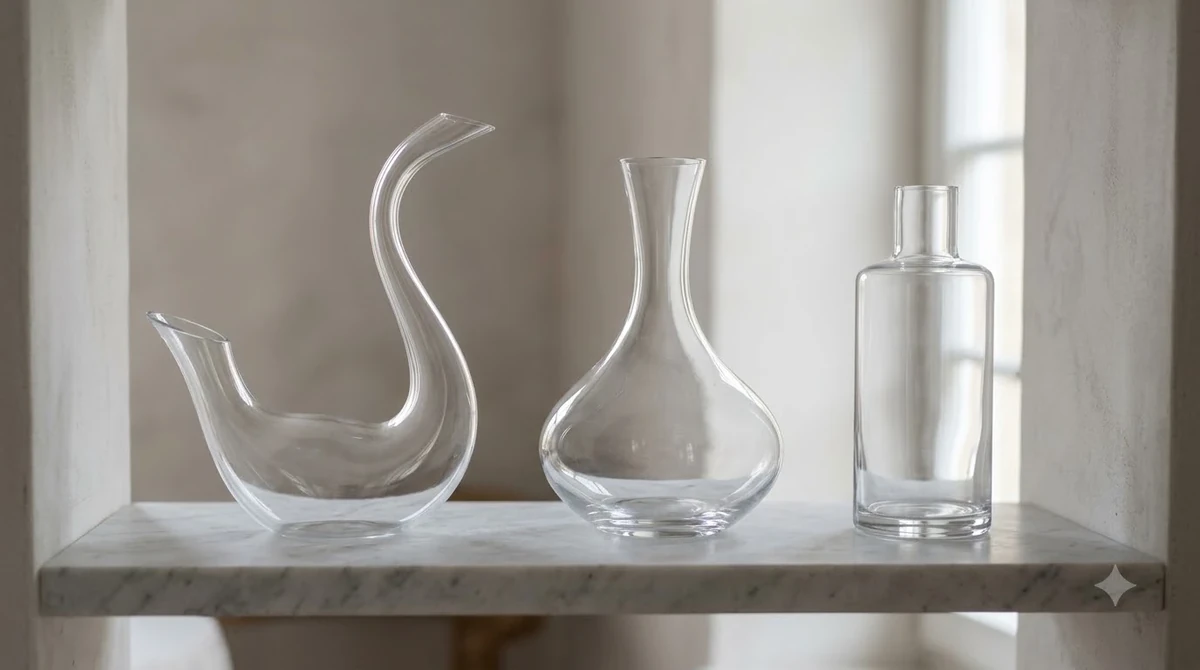
VinePair’s serving temperature guide places white and rosé roughly between 45 and 55 degrees Fahrenheit, and light-bodied reds between 55 and 60. A plate chilled in advance can help hold a light red or rosé in that range for a while. For the full-bodied reds, the guide puts the target at 60 to 65 degrees, which a chilled plate will tend to undershoot. VinePair’s temperature guide is the reference for those ranges.
Best for Sparkling and White Wine: Marble Inserts
Marble inserts sit against the bottle or fit around its body, and they are meant to chill the surface of the wine in contact with the stone. They suit sparkling and white wines, which are usually served cold and benefit from a surface that pulls heat quickly.
Inserts have limited contact with the wine, so they work best when the bottle is already cold. Reviews warn that an insert cannot do the whole job alone, and they note that a fast-warming room will reduce the effect after a few pours. Keep the bottle in the fridge until serving and use the insert as a finishing touch.
Best as a Display Piece: Decorative Marble Chillers
Some marble chillers are chosen first for how they look. They make a good centerpiece for a bar cart or a dining table, and they can hold a bottle in view while guests help themselves. Reviewers who buy for looks tend to be pleased with the finish and weight, but they do not expect the piece to do much cooling on its own.
If the piece is mainly decor, chill it before the event and treat its cooling as a bonus. A decorative piece that sits at room temperature will not hold the wine in its serving range, so it works best with a bottle that was chilled in the fridge first.
Best as a Gift: Marble Chiller Sets
Gift sets pair a marble chiller with a bottle or a set of glasses. They are popular for hosts and for people who enjoy wine, and they make a useful present when the recipient is likely to use the piece at a dinner or a party.
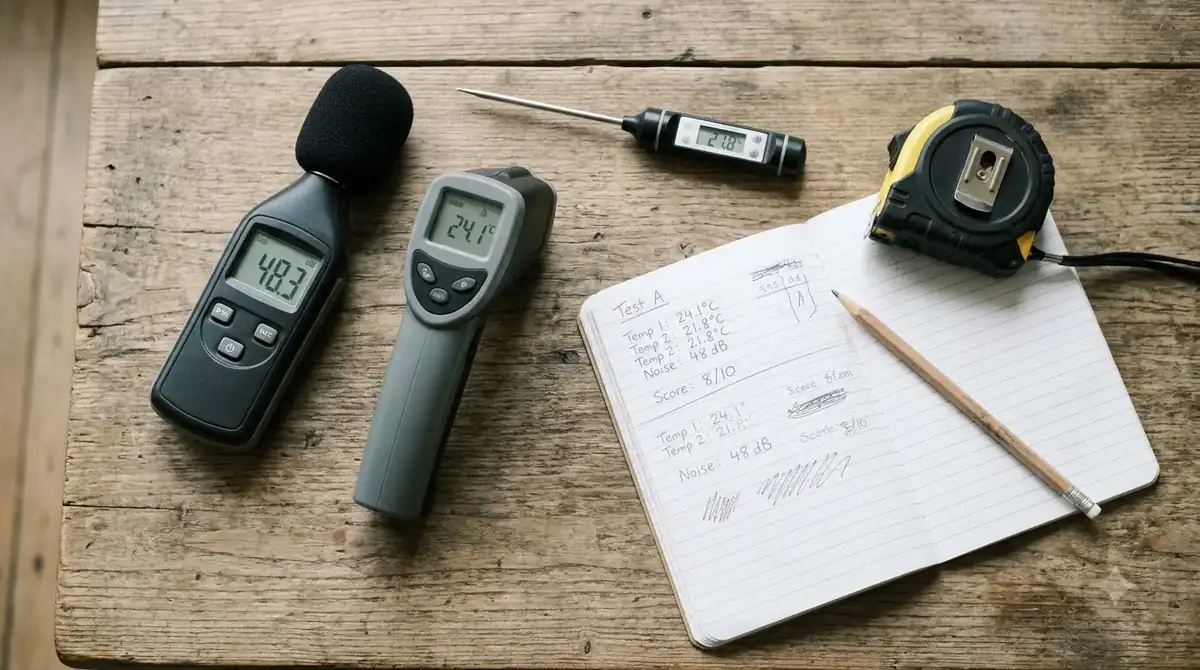
The main question is the cooling claim. Gift listings sometimes describe a chill that depends on the freezer or the fridge, and a set that arrives at room temperature will need a few hours to be ready. Read the product’s instructions and check whether the stone is meant to be chilled before use, so the recipient is not surprised.
Marble also differs in how it looks after regular use. A polished surface shows water marks and fingerprints more readily than a matte one, so a host who uses the piece every week may prefer a finish that hides everyday wear. Stone is heavy, which keeps it steady on a table but makes it awkward to move between rooms. If the piece will stay on one bar cart or dining table, its weight is an advantage. If you plan to carry it to parties, a smaller base is easier to manage.
How to Choose a Marble Wine Chiller
Start with how you serve. If the wine stays on the table for a long meal, a chilled base suits you best. If you pour lighter wines in small amounts, a table stone plate is a simple choice. A display piece or a gift set makes sense when looks matter more than cooling, and the piece should be treated as a presentation item rather than a working chiller.
Tip: Chill the marble for several hours before a dinner, and keep the bottle in the fridge until the moment you pour. For a broader look at single-bottle options, see the best marble wine chiller overview.
Frequently Asked Questions
Does a marble wine chiller cool wine on its own?
It can help hold a bottle at a steady temperature, but it cannot cool a warm bottle quickly by itself. Start with a bottle that is already near serving temperature, then use the marble to slow the warming during the meal.
How cold should the marble be before serving?
Chill the marble in the fridge or freezer until it feels cold throughout, which usually takes several hours. Reviews suggest checking the product’s instructions, since the right preparation time depends on the thickness of the stone.
Is marble better than an ice bucket?
Each has a different job. An ice bucket chills a bottle faster and handles several bottles at once. A marble piece is quieter, looks better on a table, and keeps the wine steady for longer once it is chilled.
What wine suits a marble chiller best?
White, rosé, and sparkling wines are the most common choices, since they are served cold. Light reds served near the cool end of their range also work well. Full-bodied reds are usually served warmer, so a marble chiller will not suit them as well.
A marble chiller works best when it matches the way you serve. Choose the form that fits your table, chill the stone in advance, and start with a bottle that is already near the right temperature. For more gear, browse the Accessories Library.
More in Wine Accessories
 Coravin Vs Vacu Vin: Choose the Right Wine Saver for Your BottlesUpdated Nov 21, 2026
 Zwilling Wine Stopper Review: Preserve Open Bottles LongerUpdated Nov 21, 2026
 Wine Enthusiast Wine Preserver Review: Features, Benefits and LimitationsUpdated Nov 21, 2026
 Wine Enthusiast Wine Stopper: An Easier Way to Reseal Open BottlesUpdated Nov 21, 2026
 Vintorio Wine Opener: Two-Step Cork RemovalUpdated Nov 21, 2026
 Zwilling Wine Aerator Review: Aerate, Pour, and Seal With One ToolUpdated Nov 21, 2026