

We may earn a commission when you buy through links on this page, at no extra cost to you. Learn more.
Manzanilla wine is a very pale, bone-dry fortified wine made in Sanlúcar de Barrameda, a coastal town in Cádiz province, Andalusia, Spain. It is made with the same basic method as fino sherry, and it is known for a fresh, savory, slightly salty character. For American buyers, it is one of the lightest and most food-friendly sherries on the shelf.
This guide explains what manzanilla wine is, where and how it is produced, and how it differs from fino and other sherries. It also covers food pairings, buying, storage and serving, so you can choose and enjoy a bottle with confidence.
What Is Manzanilla Wine?
Manzanilla wine is a fortified Spanish wine protected by a designation of origin called Manzanilla-Sanlúcar de Barrameda. That protected status dates to 1964, and it sets the rules for where and how the wine can be made. The name is linked to chamomile, because the wine’s aroma is said to remind people of a chamomile infusion, which is called manzanilla in Spanish.
Manzanilla is dry, which means it has very little residual sugar. It is usually described as savory and salty, and its alcohol typically falls between 15 and 17 percent ABV. Many American drinkers are used to lighter table wines, so this strength and dryness can feel unfamiliar at first, but the wine is more delicate than its fortified label suggests.
If you are new to sherry, think of manzanilla as the lightest and driest member of the family. It is closely related to fino, and both wines sit at the pale, dry end of the sherry spectrum. The key difference lies in where it is made and how the local climate shapes its flavor.
Where Manzanilla Is Made
Manzanilla is made only in and around Sanlúcar de Barrameda, a port town in the province of Cádiz on Spain’s southern Atlantic coast. The town sits near the estuary of the Guadalquivir river, and the chalky soil and sea air are often cited as part of why the wine tastes salty. The region is one of the most distinctive wine zones in Andalusia.
According to the regional sherry council’s technical data cited in the source material, the protected area holds 6,989 hectares of vineyards, which is about 17,270 acres. Twelve wineries are listed for grape production, and 23 for maturing sherry, based on data for 2016 and 2017. Those numbers show that the region has a mix of growers and aging houses, and that the aging stage is a major part of the local industry.
The coastal climate matters a great deal. Sanlúcar’s cool temperatures and high humidity are said to encourage a heavier yeast film called flor compared with Jerez or El Puerto de Santa María. That thicker flor protects the wine from air, and the result is a fresher and more delicate style than fino from Jerez. This is the main reason manzanilla is treated as its own wine, not just a regional fino.
How Manzanilla Is Produced
Manzanilla is produced with the same core methods as fino. Winemakers allow a layer of flor yeast to grow on the surface of the wine in the barrel. The flor shields the wine from oxygen, and it gives the finished style its pale color, dry finish and yeasty aroma.
The wine ages in a solera system. Under this method, younger wine is blended gradually with older wine, so each bottle carries a trace of many vintages. According to the Foods and Wines from Spain overview of the Jerez and Manzanilla DO, the solera and criaderas system is a dynamic form of ageing in oak butts that lets young wines take on the traits of older ones. The same overview notes that both Jerez and Manzanilla share this traditional approach.
Manzanilla is typically aged for three to five years in a solera, though some types are aged longer. The authorised white grape varieties are the same as those used for Jerez, and they include Palomino, Pedro Ximénez, Moscatel de Grano Menudo, and Moscatel de Alejandría. Palomino is the grape most associated with the dry, pale style, because it produces a neutral base that suits biological aging under flor.
Some producers also make special types. Manzanilla Pasada is aged longer, around seven years, until the flor begins to fade. Manzanilla Amontillada can be aged as long as 12 years, and Manzanilla Olorosa can take on the richer character of Oloroso after extended aging. These variations show how one base wine can move along a range of styles.
Manzanilla vs. Fino and Other Sherries
Manzanilla and fino are close relatives, and both are pale, dry and fortified. The biggest practical difference is origin. Manzanilla comes from Sanlúcar de Barrameda and is shaped by its coastal climate, while fino is associated with Jerez. Reviewers commonly describe manzanilla as fresher, saltier and lighter than fino from Jerez.
The table below compares the main pale sherry styles using the alcohol and sugar ranges given in the source material. The figures are general ranges, so check the label on the bottle for the exact details of the wine you buy.
| Style | Typical alcohol (ABV) | Sugar (grams per litre) | What to expect |
|---|---|---|---|
| Fino | 15 to 17 percent | 0 to 5 | Pale, dry, yeasty and crisp |
| Manzanilla | 15 to 17 percent | 0 to 5 | Pale, dry, saline and especially fresh |
| Pale Cream | 15.5 to 22 percent | 45 to 115 | Sweeter, smoother and rounder |
Pale Cream is the clearest contrast. It is sweeter, with a much higher sugar range, so it tastes very different from a dry manzanilla. If you want a dry sherry for a meal, manzanilla and fino are the better choices, while Pale Cream suits people who prefer a softer, dessert-style glass.
Manzanilla also differs from the darker sherries such as Amontillado, Oloroso and Palo Cortado. Those wines develop more color and richness through different aging paths. Manzanilla stays pale and light, which is why it works as an aperitif rather than a sipping wine for long winter evenings.
Best Food Pairings for Manzanilla
Manzanilla is traditionally served with food, especially with tapas. Its saline, dry character cuts through oily and salty dishes, and it cleans the palate between bites. Many Spanish bars serve it chilled with olives, almonds and small plates.
Good pairings include olives, marcona almonds, Jamón serrano, and fried or grilled seafood. Shellfish, white fish, anchovies and fresh cheeses also match well, because the wine’s saline note echoes the sea. Simple dishes with lemon or olive oil tend to work better than heavy sauces, since the wine is delicate.
Manzanilla also appears in cocktails. The source material mentions the rebujito, a sherry-based drink popular in Andalusia. If you are building a food menu, the Wine by Type section can help you compare how manzanilla fits with other dry styles and light white wines.
How to Buy, Store and Serve Manzanilla
Buying manzanilla is straightforward once you know what to look for. Check the label for the protected name Manzanilla-Sanlúcar de Barrameda, which confirms the wine comes from the designated zone. Pick a bottle from a producer you trust, and look for a bottling date if the label shows one, since freshness matters with this style.
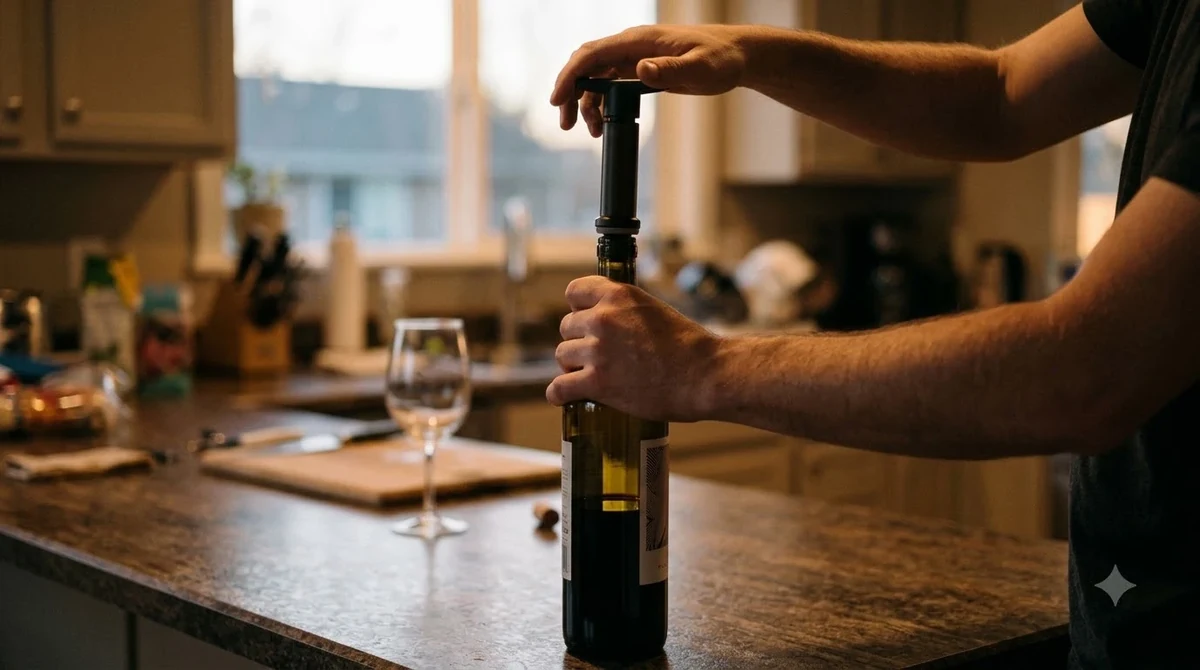
Storage is the key to enjoying manzanilla. The source material notes that, like fino, manzanilla is delicate and should be drunk within a year of bottling. Once opened, it begins to deteriorate quickly, so the best approach is to finish the bottle in one sitting. If you cannot, you can cork it and refrigerate it for up to one week, though the wine will lose some of its freshness.
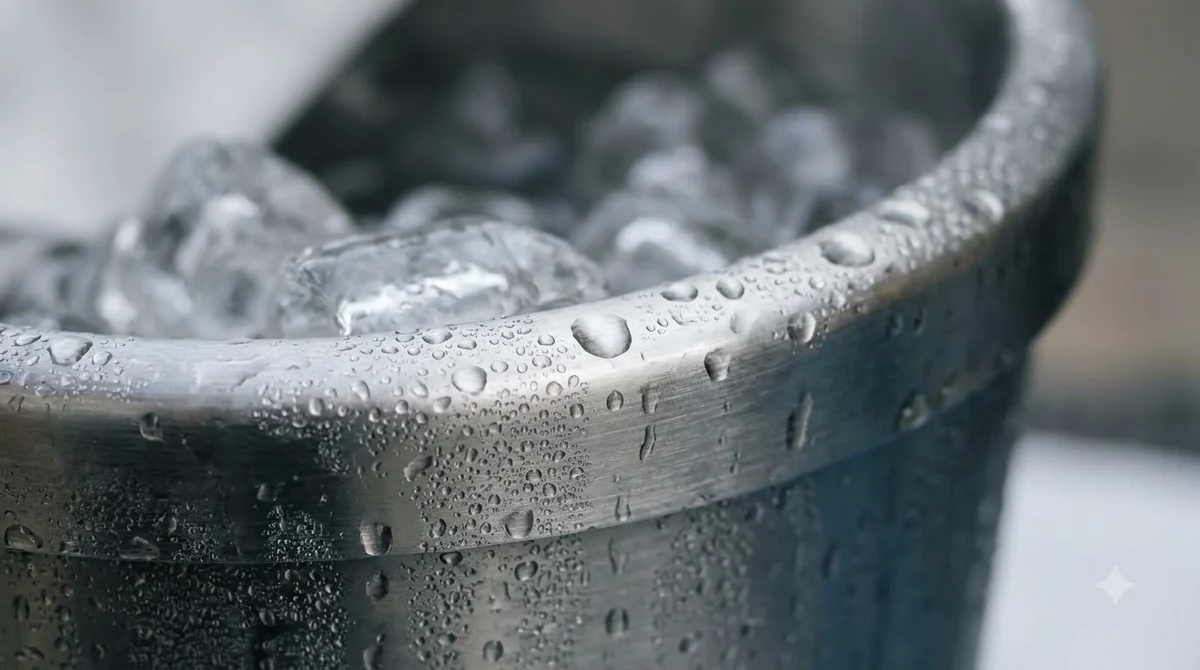
Serving is simple. The manzanilla entry on Wikipedia notes that the wine is best served chilled at about 7 to 10 °C, which is 45 to 50 °F. Pour it into a small white wine glass, and avoid leaving the bottle on a warm counter. Keep the bottle in the refrigerator before serving, and pour smaller amounts so the wine stays fresh.
Tip: Because manzanilla is light and dry, it works well as a small pre-meal drink. Enjoy it slowly, drink responsibly, and plan for food alongside it.
Frequently Asked Questions
Is manzanilla wine the same as fino sherry?
They are closely related and both are pale, dry sherries made with flor yeast. Manzanilla comes only from Sanlúcar de Barrameda, and its coastal climate tends to produce a fresher, saltier style. Fino is linked to Jerez, so the two wines taste similar but not identical.
Is manzanilla wine sweet or dry?
Manzanilla is dry, with a sugar range of 0 to 5 grams per litre according to the source data. It tastes savory and slightly salty rather than sweet. If you prefer sweeter sherry, look for Pale Cream, which has much higher sugar levels.
How long does an opened bottle of manzanilla last?
Once opened, manzanilla deteriorates quickly, so it is best finished in one sitting. If you must keep it, cork the bottle and refrigerate it, and the source material suggests drinking it within about one week. Check the label or the producer’s guidance for more detail.
What should I serve with manzanilla wine?
Manzanilla pairs well with olives, almonds, Jamón serrano and seafood. Its dry, saline character suits salty and lightly fried foods. Serve it well chilled, in a small white wine glass, alongside simple tapas-style dishes.
Manzanilla wine is a rewarding choice once you understand its dry, coastal character and its short window of freshness. Start with a fresh bottle, serve it cold, and pair it with simple, salty foods. For a broader introduction to the style, read what is manzanilla before you choose your next bottle.
More in Wine Types & Grapes
 Zinfandel Sugar Content: Dry Red vs. White Zinfandel GramsUpdated Nov 21, 2026
 Best Zinfandel Substitute Options for Sipping and CookingUpdated Nov 21, 2026
 Zweigelt Food Pairing: Best Dishes, Cheeses, and Serving TipsUpdated Nov 21, 2026
 Zinfandel Tannins Explained: How Structure Shapes Every BottleUpdated Nov 21, 2026
 Zinfandel Sweetness Level: Dry Red vs. Sweet White Zin ExplainedUpdated Nov 21, 2026
 Xinomavro Food Pairing: Best Dishes, Styles, and Serving TipsUpdated Nov 21, 2026