

We may earn a commission when you buy through links on this page, at no extra cost to you. Learn more.
The best malbec under 20 is generally a dry, fruit-forward Argentine red from Mendoza, offering ripe plum and blackberry flavors, approachable tannins, and enough freshness for everyday meals. Look for a recognizable producer, a clearly identified growing region, and a balanced description rather than simply choosing the darkest or most heavily oaked bottle. You can find enjoyable examples with both unoaked and oak-aged profiles, so the right choice depends on how you like your red wine to taste.
Malbec has become one of the most dependable choices for shoppers who want a satisfying red without spending heavily. Its naturally generous fruit, moderate acidity, and generally manageable tannins make it versatile at the dinner table. Argentina is the most useful starting point, particularly Mendoza, where a large selection of producers offer different interpretations of the grape. The key is knowing which details on the bottle actually help you choose.
Who This Is For: Everyday Malbec Drinkers
Malbec under a twenty-dollar spending limit is particularly appealing to people who enjoy full-flavored red wine without wanting an excessively firm or complicated bottle. Its plum, cherry, blackberry, and occasional pepper characteristics work well with familiar meals, making it a practical choice for weeknight dinners, casual gatherings, and relaxed weekends.
This category suits shoppers who usually drink Cabernet Sauvignon, Merlot, or other approachable reds and want something with generous dark-fruit character. Malbec generally has medium tannin, giving it enough structure to accompany grilled meat without the firmer grip commonly associated with Cabernet Sauvignon. Its moderate acidity also makes it comfortable alongside tomato-based pasta, roasted vegetables, and dishes containing herbs.
It is also useful for people who are still learning how to recognize differences between wine styles. A straightforward Mendoza Malbec offers a recognizable reference point: ripe fruit, a dry finish, and a rounded mouthfeel. From there, drinkers can explore higher-altitude expressions, oak-aged bottles, organic farming, and more distinctive regional styles without immediately moving into expensive wine.
However, this category is not automatically suitable for everyone. Someone who prefers light-bodied reds with delicate fruit may find many Malbecs too concentrated. A drinker who enjoys pronounced acidity and earthy character might also prefer a cooler-climate Pinot Noir. Those who want a sweet red should look for a deliberately sweet wine rather than assuming that ripe-smelling Malbec contains residual sugar.
Shoppers comparing different grape varieties can also consult the best Cabernet Sauvignon under 20 guide. Cabernet typically offers firmer tannins and a more structured impression, while Malbec often feels rounder and more immediately approachable. Neither style is inherently superior; the choice depends on the meal and personal preference.
Key Factors to Compare Before Buying
The strongest buying decisions come from comparing origin, fruit character, oak influence, and alcohol level rather than relying on the front-label design. A bottle from Mendoza with a balanced profile can be a more satisfying purchase than a more elaborate-looking wine with little information about its style.
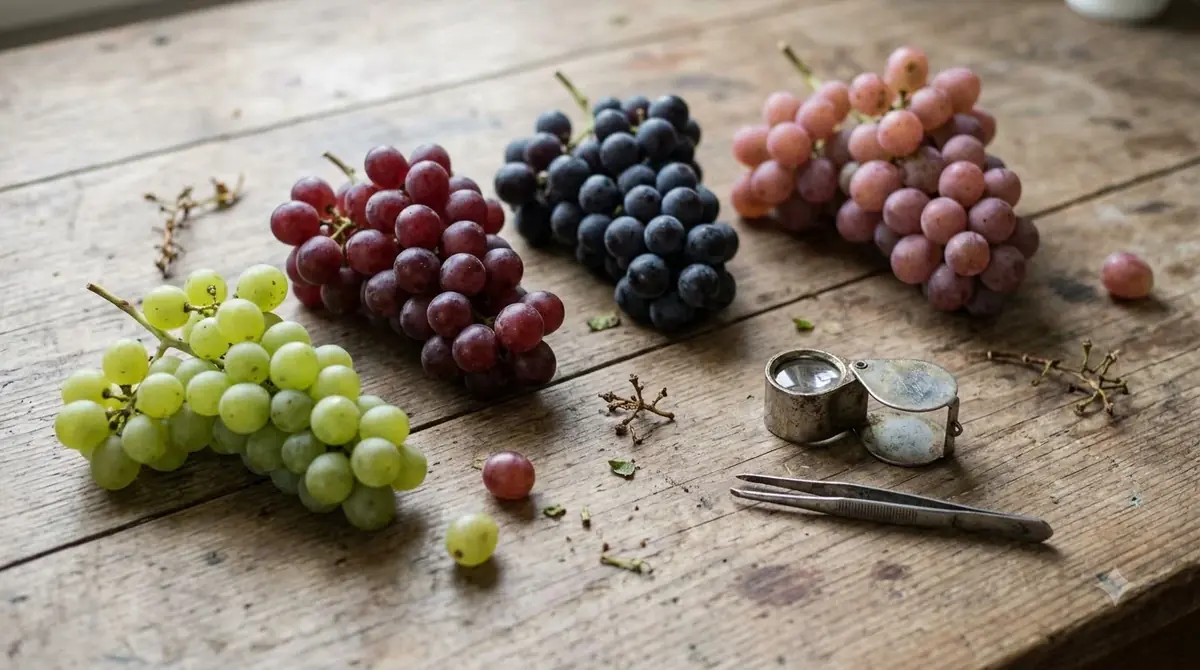
Start with the region. Mendoza is Argentina’s principal reference point for Malbec, and Wines of Argentina reports that the province accounts for 76.31% of the country’s total cultivated vineyard surface in its national vineyard data. Within Mendoza, labels may identify Luján de Cuyo, the Uco Valley, or a more specific location. These geographical details provide useful context because climate, elevation, and vineyard conditions influence the finished wine.
Next, consider the balance between fruit and structure. Typical Malbec aromas include plum, cherry, strawberry, and black pepper. More concentrated examples may show blackberry, dark fruit, or cooked-fruit notes. These aromas do not necessarily mean that the wine is sweet. A dry wine can smell intensely fruity while finishing without noticeable sugar.
Oak is another important consideration. Some producers use stainless steel or other neutral vessels to emphasize fresh fruit, while others mature wine in oak to add texture and aromas of vanilla, coffee, chocolate, or baking spice. Oak also contributes tannin. A shopper who prefers a straightforward, juicy red may favor a less oaked style, while someone who enjoys richer flavors might prefer an oak-influenced bottle.
Alcohol content can provide another useful comparison. Wine Enthusiast’s reviewed examples include Antigal 2023 UNO Malbec at 13.9% ABV and La Linda 2024 Malbec at 13% ABV. These figures illustrate that bottles in a similar everyday-drinking category can have noticeably different alcohol levels. A higher number does not automatically indicate better quality or greater concentration.
| Factor | What to look for | Why it matters |
|---|---|---|
| Origin | Mendoza, Uco Valley, Luján de Cuyo | Provides geographical context and style clues. |
| Fruit | Plum, cherry, blackberry | Indicates the wine’s primary aromatic character. |
| Acidity | Moderate, refreshing freshness | Helps balance ripe fruit and food. |
| Tannins | Soft to medium | Creates structure without excessive grip. |
| Oak | Unoaked, lightly oaked, or oak-aged | Influences spice, texture, and aromatic complexity. |
| Alcohol | Compare the stated ABV | Helps identify differences in alcoholic strength. |
| Serving temperature | 60–65°F for fuller reds | Helps preserve fruit and balance alcohol. |
| Serving size | 5 oz per glass | A standard 750 ml bottle provides about five servings. |
Published professional reviews can help narrow the field, especially when they explain the wine’s actual characteristics. For example, Wine Enthusiast’s buying guide includes approachable Malbec examples and descriptions of their tannins, acidity, aromas, and structure. Those details are more useful than a vague front-label claim about richness.
Step-by-Step: How to Choose a Malbec Under 20
A simple shopping process makes it easier to identify a bottle that matches your preferences. Begin with Argentine origin, narrow the selection by style, and then compare the details that affect how the wine will drink.
- Start with Argentina. Argentina is the leading reference for modern Malbec, and Mendoza offers a broad range of accessible styles. A bottle identified as Mendoza Malbec is a sensible starting point for a first purchase.
- Look for a more specific regional designation. Luján de Cuyo and the Uco Valley are useful names to recognize. A named subregion can provide additional information about the wine’s origin, although it does not guarantee that every bottle will taste a particular way.
- Decide whether you prefer fresh fruit or oak. If you enjoy plum, cherry, and uncomplicated fruit flavors, consider a younger, less oak-influenced style. If vanilla, coffee, chocolate, and baking spices appeal to you, look for a bottle with an indication of barrel aging.
- Compare alcohol content. Check the ABV on the back label. If you prefer a lighter impression, compare bottles with lower stated alcohol levels rather than assuming every Malbec is equally full-bodied.
- Read tasting descriptions carefully. Terms such as blackberry, violet, plum, pepper, and vanilla help explain the intended style. Descriptions of excessive sweetness are different from descriptions of ripe fruit. A wine can have an intensely fruity nose while remaining dry.
- Use professional reviews selectively. Look for published tasting notes that explain freshness, tannin, balance, and finish. A review describing approachable tannins may be more relevant to your preferences than a high score alone.
- Match the wine to your meal. Choose a rounder, fruit-forward Malbec for burgers and casual barbecue. For grilled lamb, richer meat dishes, or mushroom preparations, consider a wine with more structure and oak influence.
- Buy one bottle before committing to a case. Taste the wine with the food you normally serve. If the balance, fruit character, and finish suit your preferences, it becomes a more reliable repeat purchase.
This process also prevents a common shopping mistake: choosing a bottle simply because the label uses words such as Reserva, Estate, or Premium. Those terms can communicate a producer’s intended positioning, but they do not replace an assessment of the wine’s actual style.
Tip: If you are uncertain between two bottles, choose the one with the clearer regional information and tasting description. A well-explained wine with approachable tannins and fresh fruit is often a safer everyday choice than a bottle relying mainly on impressive packaging.
Types and Styles Explained: From Fresh to Oak-Aged
Malbec is not a single, uniform flavor profile. Its style changes with vineyard location, growing conditions, grape maturity, and winemaking decisions. Understanding the main categories helps shoppers choose a bottle that matches their preferences rather than expecting every Argentine Malbec to taste identical.
Fresh, fruit-forward Malbec
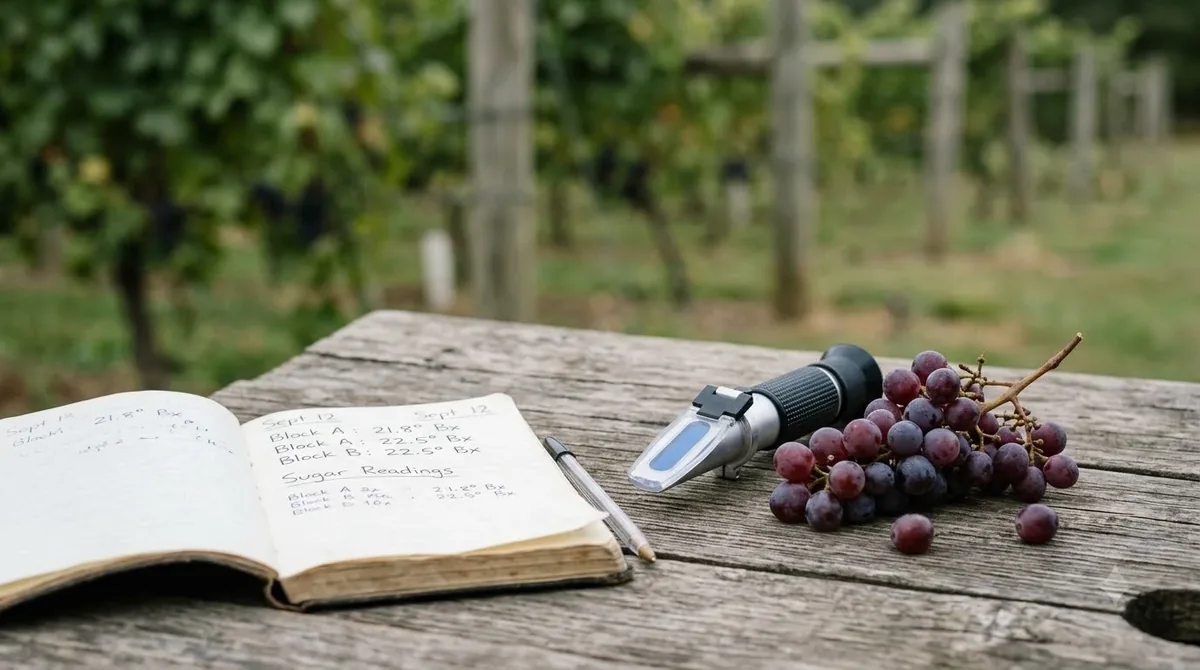
This is often the easiest style to enjoy regularly. Expect plum, cherry, blackberry, and sometimes raspberry, supported by approachable tannins and moderate acidity. The emphasis is on primary fruit rather than obvious wood flavors.
These wines work particularly well with burgers, pizza, grilled chicken with darker sauces, and casual pasta dishes. They are also useful for people who want a red wine that does not need extended decanting or a formal dinner setting.
Oak-aged Malbec
Oak-aged Malbec offers a different experience. Barrel maturation can introduce vanilla, coffee, chocolate, toast, and baking spice. Depending on the producer’s decisions, oak may also contribute additional tannin and a more structured mouthfeel.
This style can be especially appealing alongside grilled steak, lamb, and hard cheeses. It is a useful option for drinkers who enjoy richer reds and want something with more than simple dark-fruit flavors. However, oak should complement the grape rather than dominate it.
High-altitude Malbec
Argentina’s mountain vineyards create an important range of styles. The Mendoza guide describes Argentine Malbec cultivation across elevations of approximately 280 to 3,100 meters. Elevation, temperature differences, sunlight, and growing conditions can influence the grapes’ ripeness and aromatic development.
The Uco Valley is particularly useful to recognize when exploring more distinctive Argentine expressions. Some wines from this area emphasize floral aromas, herbs, freshness, and structured tannins rather than simply delivering heavy, ripe fruit. James Suckling’s coverage of Argentine Malbec also highlights examples with sour cherry, thyme, rosemary, and floral characteristics.
Organic Malbec
Organic Malbec is another option for shoppers who want to consider vineyard farming practices alongside flavor. Organic certification concerns agricultural and production standards; it does not automatically determine whether a wine will be light, full-bodied, fruity, or oaky.
There are organic examples with both approachable and more structured profiles. Wine Enthusiast, for instance, reviewed Domaine Bousquet 2024 Virgen Vineyards Malbec from Tupungato as a wine made with organic grapes, describing gentle tannins and dark-fruit flavors. Readers interested in this category can explore the organic Malbec guide for a closer look at the distinction between farming credentials and wine style.
Sweet and off-dry Malbec
Most familiar Argentine table Malbec is dry, even when the aroma suggests ripe plums, jam, or sweet spices. The grape’s fruit-forward character can create an impression of sweetness without the wine containing much residual sugar.
Actually sweet Malbec is a separate category. These wines are made with a different sweetness profile and may be intended for casual sipping or dessert pairings. If sweetness is your main preference, the sweet Malbec guide is a more appropriate starting point than assuming that a standard Mendoza red will taste like a sweet wine.
Common Mistakes When Shopping for Affordable Malbec
Many disappointing purchases happen because shoppers focus on appearance, marketing language, or a single tasting descriptor instead of evaluating the wine’s balance. Recognizing a few recurring mistakes makes the selection process much more reliable.
Assuming dark fruit means sweetness
Blackberry, plum, raisin, and cooked-fruit aromas can make Malbec smell sweet. However, aroma and residual sugar are separate characteristics. A dry Malbec can have generous fruit flavors while finishing with no obvious sugary sensation.
For a more reliable assessment, pay attention to whether a tasting description identifies the wine as dry, off-dry, or sweet. This is particularly important for people who want a traditional dinner red rather than a dessert-style wine.
Choosing the most heavily oaked bottle
Oak can contribute appealing aromas of vanilla, coffee, and chocolate, but more oak does not automatically mean more quality. Excessive wood influence can obscure the grape’s natural fruit and make a wine seem heavier than expected.
For everyday drinking, a balanced combination of fruit, acidity, and tannin is generally more useful than pronounced barrel flavors. Try both unoaked and oak-aged versions before deciding which profile deserves a place in your regular rotation.
Ignoring acidity and tannin
Two Malbecs can have similar aromas but feel different on the palate. A wine with refreshing acidity can seem lively and balanced, while a more concentrated example with firmer tannins may feel broader and more structured.
This distinction matters with food. Salt and fat soften the perception of tannin, which explains why Malbec is such a natural match for grilled beef. However, highly tannic red wine can clash with oily fish, while chili heat can seem stronger alongside wines with substantial alcohol and tannin.
Assuming Reserva guarantees a better bottle
Reserva is a useful descriptive term, but shoppers should not treat it as an automatic quality ranking across every producer and country. Winemaking rules and labeling conventions differ, and a wine with a more elaborate designation is not necessarily more enjoyable than a simpler bottling.
A younger, fruit-focused Malbec may be exactly what someone wants for pizza or burgers. A more structured Reserva may be better suited to a slow-cooked meal. The important question is whether the wine’s characteristics match the occasion.
Buying based on the vintage number alone
Vintage can influence the style of an individual wine, but it should not be the only buying criterion. Weather conditions, vineyard location, harvest decisions, and winemaking techniques all affect the finished product.
A well-made wine from a different vintage may suit your taste better than a bottle from a year that received more attention. For everyday purchases, the producer’s consistency and the wine’s tasting profile are often more practical considerations.
Care and Storage Tips for Better Malbec
Correct serving temperature and sensible storage can make an affordable Malbec taste considerably more balanced. You do not need expensive equipment, but avoiding excessive heat and serving the wine too warm will help preserve its fruit and structure.
Serve Malbec slightly cool
Full-bodied red wines are generally best served around 60–65°F. Mendoza’s introductory Malbec guide gives a temperature range of 14–16°C for young Malbec and 16–18°C for Reserva or Gran Reserva styles. These recommendations place young, approachable examples toward the cooler end of the broader full-red serving range.
Room temperature is not always ideal, especially in a warm home. If the bottle has been sitting in a hot kitchen, place it in the refrigerator briefly before serving. A wine that is slightly cool will gradually warm in the glass, allowing its aromas to develop without making the alcohol seem overly prominent.
Choose an appropriate glass
A standard red wine glass with a reasonably wide bowl gives Malbec enough room to release its aromas. You do not need a specialized varietal glass. A clean universal wine glass also works well, particularly for casual dinners and everyday pours.
Pour approximately 5 ounces per serving. A standard 750 ml bottle provides about five glasses at this serving size. Leaving some room in the glass makes swirling easier and helps concentrate the aromas near the rim.
Decant when the wine benefits from air
Young, full-bodied reds can benefit from 30–60 minutes of decanting, especially when the tannins seem firm or the aromas initially appear restrained. However, a straightforward everyday Malbec does not always require a separate decanter.
For a simple bottle, pour a glass and allow it to sit for several minutes before deciding whether additional aeration is necessary. This approach is practical when serving wine with dinner and avoids unnecessary preparation.
Store unopened bottles correctly
Keep unopened bottles in a cool, dark location, ideally near 55°F with relatively stable conditions. Bottles sealed with traditional corks should generally be stored on their sides to help keep the cork from drying out. Avoid storing wine beside an oven, radiator, or sunny window.
Temperature fluctuations are particularly undesirable. A stable storage environment is more important for everyday Malbec than an elaborate collection of accessories. If the bottle is intended for near-term drinking, a cool cupboard away from direct sunlight is a sensible solution.
Preserve opened wine
Once opened, Malbec should be recorked and refrigerated. Most still wines remain enjoyable for approximately 3–5 days, although exposure to oxygen and the wine’s individual structure influence how quickly its flavor changes.
Allow refrigerated red wine to warm slightly before serving again. If the remaining wine develops flat fruit, sharp vinegar-like aromas, or an unpleasant oxidized character, it is past its best drinking condition.
Frequently Asked Questions
Is Malbec originally a French grape?
Yes. Malbec originated in France and is historically associated with Cahors in southwestern France. It became especially prominent in Argentina after its introduction during the nineteenth century, developing a distinctive identity through the country’s different growing regions.
Does Malbec contain more alcohol than other red wines?
Not necessarily. Alcohol varies with growing conditions, grape ripeness, and fermentation decisions. Some Argentine examples are around 13% ABV, while others reach 14% or higher, so comparing the stated alcohol percentage is more useful than assuming every Malbec has the same strength.
Can Malbec be made into rosé wine?
Yes. Although the grape is best known for red wine, Malbec can also be used to produce rosé. The final color depends on how long the grape skins remain in contact with the juice during production, which influences the amount of pigment extracted.
Can Malbec improve after several years in the bottle?
Some structured Malbecs are suitable for aging, while many everyday bottlings are intended for relatively early drinking. Wines with balanced acidity, sufficient tannin, and careful winemaking generally have better aging potential than simple fruit-forward examples. The producer’s intended drinking window is useful when deciding whether to cellar a bottle.
Is Malbec always a single-grape wine?
No. Argentina’s labeling rules allow a wine labeled Malbec to contain a minimum of 85% Malbec, with the remaining portion coming from other permitted grape varieties. Cabernet Sauvignon, Bonarda, Merlot, Cabernet Franc, and Petit Verdot are among the grapes that may appear in blends.
Choosing a satisfying Malbec under a twenty-dollar budget is mostly about finding the right balance of fruit, acidity, tannin, and oak rather than chasing the most impressive label. Start with Mendoza, compare the producer’s style, and choose a bottle that suits the food and flavors you enjoy. With a little attention to origin and winemaking, Malbec can be a dependable everyday red that delivers plenty of character without requiring a premium budget.
More in Wine Buying Guides
 Cheap Red Blend: How to Find a Flavorful Bottle for LessUpdated Nov 20, 2026
 Pinot Grigio Gift: How to Choose a Bottle They’ll EnjoyUpdated Nov 20, 2026
 Best White Wine at Total Wine for Every MealUpdated Nov 20, 2026
 Wine Fridge Replacement Shelves: Find the Right FitUpdated Nov 20, 2026
 Best Sparkling Wine Under 20: Find Bubbles Worth BuyingUpdated Nov 20, 2026
 Best Wine For Birthday Celebrations With Perfect Party PairingsUpdated Nov 20, 2026