

We may earn a commission when you buy through links on this page, at no extra cost to you. Learn more.
A Madeira cocktail uses Madeira, a fortified wine from the Portuguese island of Madeira, as a mixer that adds nutty, dried-fruit, or caramel notes to a drink. Madeira keeps well after opening and comes in dry and sweet styles, so the style you pick sets the character of the cocktail. Drier styles suit aperitif-style drinks, while sweeter styles work in richer, dessert-leaning glasses.
This guide explains what makes Madeira unusual, how each main style behaves in a mixed drink, and how to build a simple Madeira cocktail without relying on fixed recipe amounts. It also covers how to store the wine so the flavor stays fresh.
What Makes Madeira Different
Madeira is fortified, which means producers add neutral grape spirits during fermentation. According to the Wikipedia article on Madeira wine, the amount of spirit added depends on the sweetness the producer wants, and the fortification also stabilized the wine for long sea voyages. That history explains why Madeira holds up better than most wines once opened.
The wine’s unusual style comes from its heating and aging process, which the article describes in general terms. The result is a wine with high acidity and distinctive flavors that can be dry or sweet. That range is what makes Madeira versatile in a cocktail, because you can match the style to the drink rather than forcing one wine into every glass.
The Four Main Styles in a Glass
Madeira is usually sorted into four main styles, named after the grapes that give them their character. The Wikipedia article lists them from sweetest to driest, and the sugar figures below come from that same article. These numbers help you choose a style by how sweet your drink will end up.
| Style | Sugar (g/L) | Flavor notes | Cocktail role |
|---|---|---|---|
| Sercial | About 9–27 | Almond, high acidity | Dry aperitif-style drinks |
| Verdelho | About 27–45 | Smoky, high acidity | Medium-dry, savory drinks |
| Bual | About 45–63 | Raisin, medium-rich | Richer, fruit-led drinks |
| Malvasia (Malmsey) | About 63–117 | Coffee, caramel, dark and rich | Dessert-style drinks |
Sercial is nearly fully fermented, so it brings acidity and an almond character without much sweetness. That makes it a good choice for drinks where you want a crisp, savory edge. Verdelho sits in the middle, with smoky notes that work well alongside bitter or herbal ingredients. Bual brings raisin flavors and more body, which suits drinks built on dried fruit. Malvasia, or Malmsey, is the sweetest and darkest, with coffee and caramel notes that match well with chocolate, cream, or spiced liqueurs.
Building a Simple Madeira Cocktail
Start with the spirit or wine base and add one flavor that complements it. A Madeira cocktail works best when the wine is the lead ingredient, so keep other elements in support. Lemon or lime juice can add brightness to a drier style, and a bitter component such as an aromatic bitters or a small amount of amaro can add depth. For sweeter styles, a splash of soda or tonic can lighten the drink without hiding its character.
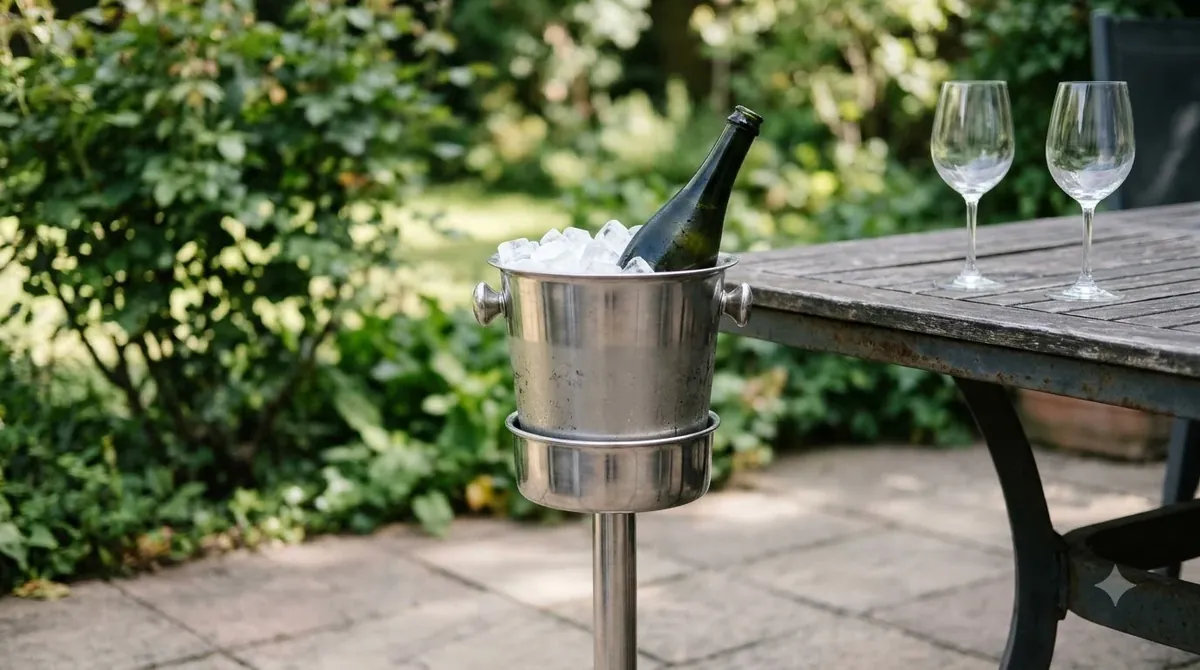
Chill the wine before mixing, and stir rather than shake when the drink contains only wine and a few ingredients. Stirring keeps the texture silky and avoids over-diluting the wine. Use a large ice cube or a generous amount of ice so the drink stays cold without becoming watery. Pour into a chilled glass and garnish with a simple twist of citrus peel, which adds aroma without changing the balance.
Measure the wine and mixers rather than estimating, especially with dark styles. Small changes in the amount of a sweet Malmsey can shift the drink from pleasant to cloying. Start with a modest pour, taste, and adjust before serving.
Choosing Ingredients That Match the Style
Dry Sercial and Verdelho pair well with citrus, herbal bitters, and light sparkling water, creating a crisp aperitif. Bual suits drinks that include dried fruit, a little spice, or a splash of a darker spirit. Malvasia goes well with coffee, chocolate, cream, or warm spice in a sipping drink after dinner. Matching the flavors to the style keeps the cocktail balanced and lets the wine stand out.
Madeira in Cooking and Dessert
Madeira is also a common cooking wine. The Wikipedia article notes that unflavoured Madeira can go into desserts such as plum in Madeira, and it names classic sauces and dishes such as sauce madère and tournedos Rossini that rely on the wine. That culinary history is useful for a cocktail, because the flavors that work in a sauce often work in a drink too.
Cooks often reach for Madeira when a dish needs a deep, caramelized note without much extra sweetness, and the same quality makes it useful in a glass. A cocktail built on a dry Madeira can echo the wine’s savory side, while a sweet Madeira fits the pattern of a dessert wine served after a meal.
A splash of Madeira can add depth to a dessert glass or a warm punch. Sweeter styles pair with dark chocolate, roasted nuts, and dried fruit, while drier styles lift savory snacks and salty cheeses. If you plan to use Madeira in a recipe rather than a cocktail, follow the recipe’s guidance on style, since a dry Sercial and a sweet Malmsey will change the result.
Tip: Keep an opened bottle in the refrigerator or a cool, dark cabinet. Fortified wine lasts longer than table wine, but the flavor still fades over time, so use the bottle within a few weeks for the most vivid taste.
Balancing Sweetness and Acidity
Most Madeira cocktails succeed or fail on balance. The wine’s acidity is one of its best features, because it keeps a drink lively even when the flavors are dark and rich. When you add sugar, syrup, or a sweet liqueur, check that the acidity still stands out. A squeeze of citrus or a few dashes of bitters can restore that lift without making the drink sharp.
Dilution also matters. Stirring with ice melts a small amount of water into the drink, which softens the texture and opens the aromas. Too much dilution flattens the wine, so stir for a steady, short time and taste as you go. Serving the drink in a glass that concentrates the aroma helps the drink feel complete from the first sip to the finish.
Storing and Serving Madeira
Madeira’s fortification helps it survive after opening, which is one reason cocktail bars and home cooks keep it on hand. Drier Madeiras can be served on their own as an aperitif, while sweeter styles are usually served with dessert according to the Wikipedia article. The same logic applies to cocktails: a dry style fits a pre-dinner drink, and a sweet style fits after the meal.
Serve chilled for dry styles and at a slightly warmer temperature for rich, dark ones so the aromas open up. Use a small glass that concentrates the scent, such as a tulip-shaped glass or a sherry copita, to show the wine’s nutty and caramel notes. Avoid loud garnishes that would drown out the wine’s character.
Frequently Asked Questions
What is the best Madeira for a cocktail?
There is no single best choice, because the drink decides the style. Sercial and Verdelho suit crisp, savory cocktails, while Bual and Malvasia suit richer, sweeter drinks. Pick a style that matches the flavors you plan to add.
Does Madeira go bad after opening?
Madeira keeps longer than most wines because it is fortified, but the flavor fades over time. Store the opened bottle cool and sealed, and use it within a few weeks for the best taste.
Is Madeira the same as sherry?
No. Both are fortified wines, but they come from different places and are made differently. Madeira is heated and aged in a distinctive way, and its styles are named after grapes. Sherry comes from Spain and has its own range of styles.
Can I substitute Madeira in a recipe?
Often you can, but the result depends on the style. A dry Madeira works in savory sauces, while a sweet one changes desserts. Match the style to the recipe, and taste as you go, because sweetness can shift the balance quickly.
Madeira offers a range of flavors that suit cocktails from dry aperitifs to dessert glasses, and the four main styles make it easy to choose. For more on the wine itself, the what does Madeira taste like guide covers the flavors in more detail. You can also compare the approach with a chardonnay cocktail or a fino sherry cocktail, and explore more styles in Wine by Type.
More in Wine Types & Grapes
 Zinfandel Sugar Content: Dry Red vs. White Zinfandel GramsUpdated Nov 21, 2026
 Best Zinfandel Substitute Options for Sipping and CookingUpdated Nov 21, 2026
 Zweigelt Food Pairing: Best Dishes, Cheeses, and Serving TipsUpdated Nov 21, 2026
 Zinfandel Tannins Explained: How Structure Shapes Every BottleUpdated Nov 21, 2026
 Zinfandel Sweetness Level: Dry Red vs. Sweet White Zin ExplainedUpdated Nov 21, 2026
 Xinomavro Food Pairing: Best Dishes, Styles, and Serving TipsUpdated Nov 21, 2026