
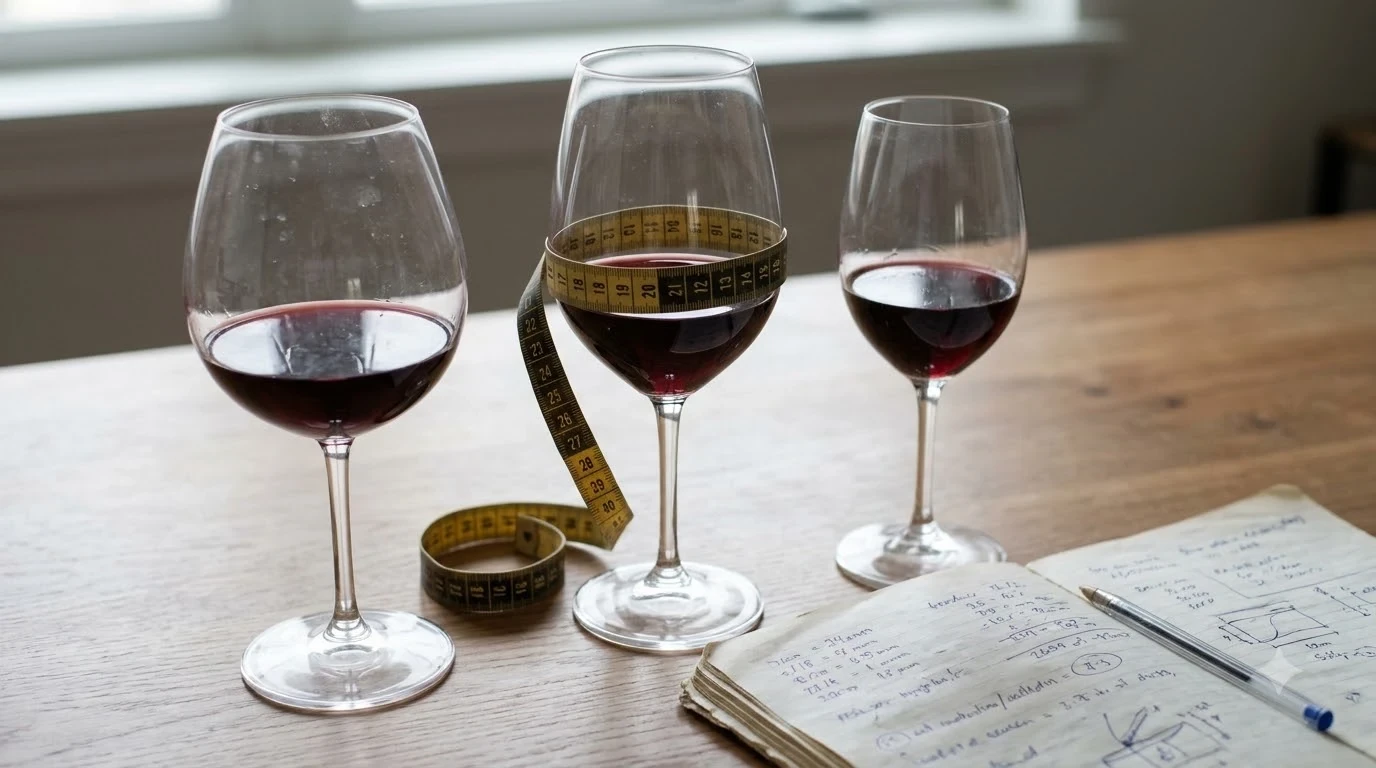

We may earn a commission when you buy through links on this page, at no extra cost to you. Learn more.
Luigi Bormioli wine glasses are a strong choice for wine drinkers who want clear, lead-free crystal, elegant bowl designs, and practical durability without automatically choosing delicate special-occasion stemware. The Italian glassmaker uses proprietary SON.hyx and SPARKX materials, with selected collections incorporating titanium-reinforced stems. Its range includes glasses for Cabernet Sauvignon, Burgundy, white wine, and sparkling wine, although specifications and warranty coverage vary between collections. The best purchase depends on choosing the right bowl shape, capacity, and construction for the wines you actually serve.
Wine glasses influence more than the appearance of a table. Bowl shape affects how aromas collect, rim design influences the drinking experience, and glass clarity makes it easier to appreciate a wine’s color. Luigi Bormioli approaches these details through a combination of Italian glassmaking, material engineering, and practical designs. Its catalog includes traditional stemware as well as more contemporary options, making the brand relevant to both casual wine drinkers and people who regularly host dinners. This review examines its construction, customer feedback, popular collections, limitations, and the details worth checking before purchasing.
Specs and Key Features
Luigi Bormioli’s strongest selling points are its lead-free glass compositions, clear finishes, and construction technologies designed to improve resistance to everyday wear. However, the company uses more than one glass formulation, so the technical specifications of one collection should not automatically be applied to another.
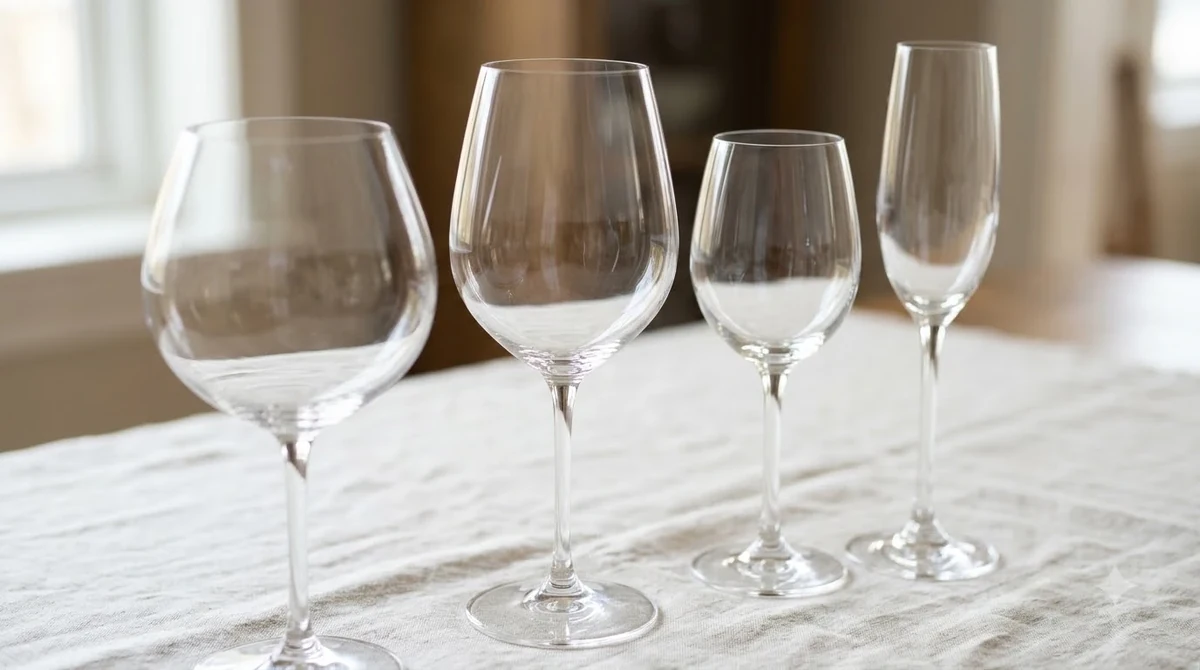
The two main material names to understand are SON.hyx and SPARKX. SON.hyx is the manufacturer’s high-tech crystal glass, while SPARKX is an ultra-clear, durable glass formulation. Both are designed to retain their appearance through repeated washing. Selected stemware also incorporates Titanium Reinforced treatment, which strengthens the stem against abrasion and breakage.
These features matter because a wine glass has several vulnerable areas. The rim can chip through contact with another glass, the stem can be damaged by twisting or uneven handling, and repeated washing can gradually affect clarity. Luigi Bormioli addresses these concerns through different manufacturing technologies rather than relying on glass thickness alone.
The following specifications distinguish manufacturer claims from individual retailer product details:
| Feature | Published specification | Practical significance |
|---|---|---|
| SON.hyx glass | More than 4,000 industrial washing cycles | Designed to retain clarity and brilliance |
| SPARKX glass | More than 2,000 industrial washing cycles | Designed for lasting transparency |
| SON.hyx impact resistance | 105% improvement claimed by manufacturer | Greater resistance to mechanical shocks |
| SON.hyx rim resistance | 37.5% improvement claimed by manufacturer | Additional protection around the drinking edge |
| Titanium Reinforced | 140% increased stem resistance claimed by manufacturer | Additional reinforcement in selected stemware |
| Optica wine glass | 18.5 oz; 3.7 inches wide; 8.9 inches tall | Generous capacity for red wine |
| Michelangelo Burgundy | 17 oz | Room for swirling and aroma development |
| Warranty | 25 years on specified collections | Limited protection against qualifying defects |
The washing-cycle figures refer to industrial testing reported by the manufacturer, not a guarantee that every glass will survive thousands of household dishwasher cycles. Actual longevity also depends on how glasses are loaded, stored, handled, and washed. Similarly, the impact-resistance figures describe the manufacturer’s stated comparisons, not immunity to accidental drops.
Another useful construction detail is the pulled-stem technique. According to the manufacturer’s FAQ, the bowl and stem of its stemware are made from one piece of glass without a visible joint or seam. This produces a continuous appearance and avoids a separate connection between the two components.
For a detailed explanation of the manufacturer’s material specifications, see its official materials and technology information. The important distinction is that the material, reinforcement, and warranty must all be checked at the collection level rather than assumed from the brand name.
What Owners Like
Customer feedback on Luigi Bormioli stemware frequently highlights appearance, comfortable proportions, and a feeling of quality. Positive experiences are particularly useful when they describe actual ownership over several years rather than simply commenting on how attractive a new set looks.
One recurring advantage is the clarity of the glass. Clear crystal allows drinkers to examine the color of a wine without distracting tint or excessive visual distortion. This is useful for comparing pale Sauvignon Blanc, golden Chardonnay, ruby Pinot Noir, and deeper Cabernet Sauvignon. The glass becomes a neutral viewing surface rather than another visual element competing with the wine.
Owners also appreciate the range of shapes. A generous Burgundy glass can provide more room for swirling, while a narrower white wine glass is easier to use for wines that benefit from more controlled exposure to air. Having these distinctions available makes the collection more interesting than a basic set of identical drinking glasses.
Weight and balance receive attention in customer feedback, although preferences differ. Some buyers appreciate a glass that feels substantial in the hand, while others prefer an extremely lightweight tasting glass. Luigi Bormioli offers different shapes and constructions, so a favorable comment about one collection should not be interpreted as a description of every model.
Long-term ownership experiences
One particularly useful Macy’s review describes 16 years of ownership of Michelangelo Burgundy glasses. The customer praised the proportions, weight, opening, and dishwasher performance, explaining that additional glasses were purchased to expand the collection. This is a meaningful example of long-term satisfaction because it concerns continued use rather than an initial impression.
Other customer comments on the same product mention comfortable handling and a relatively sturdy feel. The generously sized 17-ounce bowl is also attractive to people who regularly serve red wine. It provides enough room for a sensible pour without filling the bowl to its rim.
Optica receives positive attention for a different reason. Its vertical ribbing creates a more decorative appearance than a completely smooth wine glass. Wayfair’s customer feedback highlights the collection’s appearance and crystal quality, making it a possible choice for buyers who want stemware that contributes to the presentation of a dining table.
Useful designs rather than decoration alone
Some of the appeal comes from how the bowls are shaped. The Optica product description discusses a flat bowl base intended to increase headspace and encourage aeration. More room around the wine can help aromas collect inside the bowl, particularly when a modest serving is poured into a generously sized glass.
This does not mean that every large bowl automatically improves every wine. A delicate white wine may be better served in a more moderate shape, while a fuller-bodied red can benefit from additional room for swirling. The advantage is having a selection of designs that accommodates different drinking preferences.
For a broader look at the shapes and capacities that matter most, the guide to wine glasses provides a useful starting point before choosing a particular collection.
Common Complaints
Luigi Bormioli’s technical claims and positive owner feedback do not eliminate the possibility of breakage, chipping, or disappointment. The main purchasing concern is that improved resistance is not the same as unbreakable construction, and experiences can vary between collections and individual glasses.

Some retailer reviews describe glasses chipping or cracking during dishwasher use. Reports on other Luigi Bormioli drinkware mention cloudiness, accidental damage, and disappointment with warranty limitations. These complaints should not be treated as proof that every wine glass has the same weakness, but they are relevant reminders that glassware still needs careful handling.
For example, one negative Macy’s customer account describes multiple damaged Classico drinking glasses after a short period of dishwasher use. The same feedback raises concerns about replacement procedures. This is a different product category from stemware such as Michelangelo Burgundy, so it would be misleading to present that experience as a direct failure rate for the wine glasses. It does, however, demonstrate why manufacturer durability claims should not replace sensible care.
The difference between chipping and breaking
Warranty wording deserves particular attention. Luigi Bormioli’s published limited warranty identifies qualifying rim or foot chipping and washing-related dullness as covered problems for specific collections. It excludes completely broken products and damage caused by improper handling or inadequate maintenance.
This distinction can be frustrating if a buyer expects a long warranty to cover every possible accident. A glass that develops a qualifying chipped edge is not necessarily treated the same way as a glass that falls from a counter and shatters. The manufacturer also reserves the right to examine individual claims and determine whether replacement is justified.
Buyers should therefore avoid assuming that every Luigi Bormioli product has identical warranty coverage. The manufacturer specifically identifies covered collections, including Bach GP, Birrateque GPR2, Crescendo, Diamante, Optica, Regency, and Talismano. Other collections should not be presumed to qualify without confirmation.
Fragility and personal preferences
Another possible drawback is the stem itself. A long, thin stem creates an elegant appearance, but it also requires a different handling approach from a sturdy tumbler. People who frequently entertain large groups, wash dishes quickly, or store glasses tightly together may prefer shorter or stemless designs.
Some buyers may also find particular collections too substantial or too large. A generous Burgundy bowl looks impressive, but it takes more cabinet space and may not suit someone who prefers smaller servings. A large wine glass is not automatically the most versatile choice for every household.
Finally, collection availability and specifications differ between retailers. A product name alone may not reveal its exact capacity, material, or warranty eligibility. Buyers should compare the specific item rather than relying on a general brand description.
Who Should Buy and Who Should Skip
Luigi Bormioli is worth considering for people who want attractive, clear stemware with more attention to construction than ordinary everyday drinking glasses. It is particularly appealing to households that serve several wine styles and want different bowl shapes without building a collection entirely around delicate specialist glassware.
Regular red wine drinkers are a natural audience. A larger Bordeaux-style bowl can accommodate Cabernet Sauvignon and other fuller-bodied reds, while a Burgundy-style shape provides additional room for aromatic Pinot Noir. These differences make it easier to select an appropriate glass for a particular bottle or dinner menu.
People who regularly serve white wine also have options. Sauvignon Blanc benefits from a glass that supports its fresh aromas and high acidity, while Chardonnay can be served in a somewhat more generous bowl, particularly when the wine has noticeable oak influence or a fuller texture.
Best reasons to choose the brand
- You want clear, lead-free glass: The manufacturer identifies lead-free materials throughout its glassware range.
- You appreciate traditional stemware: The pulled-stem technique gives selected glasses a continuous bowl-and-stem appearance.
- You want different wine-specific shapes: Collections offer options for red, white, and sparkling wines.
- You prefer dishwasher-compatible glassware: Most products are dishwasher safe, subject to individual care instructions.
- You value material engineering: SON.hyx, SPARKX, and Titanium Reinforced provide identifiable construction features.
- You entertain regularly: The different capacities and designs can help create a coordinated table setting.
When another type of glass may be better
Buyers who prioritize maximum resistance to rough handling may be happier with simpler, thicker-sided glassware. A stemless design eliminates the traditional stem, reducing one vulnerable component, although the bowl can still be damaged through impact or improper storage.
Similarly, people who want the lightest possible tasting glasses should compare individual models before committing to a complete set. A substantial glass may feel reassuring to one person and cumbersome to another.
There is also little reason to buy several specialized shapes if most of the wine served at home is the same style. A versatile medium-to-large bowl may be more practical than purchasing separate glasses for every grape variety.
Anyone who wants to compare alternatives by intended use can begin with the guide to red wine glasses, particularly when Cabernet Sauvignon, Merlot, and Pinot Noir are regular purchases.
How It Compares to Alternatives
Luigi Bormioli competes in a category where appearance, material quality, shape, and handling are all important. Its main point of difference is the combination of proprietary glass formulations and selected stem reinforcement, rather than an emphasis on one particular type of wine glass.
Compared with ordinary everyday glassware, its lead-free crystal options offer a more refined appearance and greater attention to optical clarity. The brand also provides different bowl profiles that can be selected according to wine style. However, a more specialized glass is not necessarily better for someone who simply wants one dependable shape for all occasions.
Within the brand itself, SON.hyx and SPARKX are the most important material distinction. SON.hyx is the higher-performance option in the manufacturer’s published washing-cycle comparisons, with more than 4,000 industrial cycles. SPARKX is rated for more than 2,000 industrial cycles. Both are designed to retain clarity and brilliance.
| Comparison | SON.hyx | SPARKX |
|---|---|---|
| Material description | High-tech crystal glass | Ultra-clear durable glass |
| Industrial washing claim | 4,000+ cycles | 2,000+ cycles |
| Lead-free | Yes | Yes |
| Main emphasis | Clarity, brilliance, and strength | Transparency and durability |
| Best comparison point | Higher published washing-cycle resistance | Practical everyday glass performance |
These are manufacturer-reported technical distinctions, not a complete independent comparison of all possible breakage conditions. Both formulations can be appropriate for home use, and the actual glass shape may be more important to an individual wine drinker than the difference in washing-cycle claims.
Traditional stemware versus stemless alternatives
Traditional stemware remains useful because the drinker’s hand can hold the glass without warming the wine as directly through the bowl. This is especially relevant for chilled white wines and sparkling wines. A stem also provides room to swirl the wine while keeping fingerprints away from the main viewing surface.
Stemless glasses have a different practical advantage. They are generally easier to fit into crowded cabinets and may feel more comfortable in informal settings. However, holding the bowl transfers more hand warmth to the wine, and swirling can be less controlled.
Luigi Bormioli’s stemmed collections are more suitable for someone who enjoys traditional wine service. For a household that values compact storage and casual use, the selection of stemless wine glasses may be a better place to compare options.
Choosing by wine style
A Bordeaux-style glass is a sensible choice for Cabernet Sauvignon and structured red blends. Cabernet Sauvignon has relatively high tannin, and a broad bowl gives the drinker room to swirl and assess its aromas. A large Burgundy-style glass is better suited to aromatic Pinot Noir, which generally has lower-to-medium tannin and higher acidity.
White wine requires a slightly different approach. Sauvignon Blanc benefits from a moderate bowl that helps retain its fresh aromatic character, while Chardonnay can be served in a larger glass when more room for complex aromas is desirable. Sparkling wine generally benefits from a narrower flute or another purpose-designed sparkling glass.
The best comparison is therefore not simply which glass has the most advanced material. It is which glass combines suitable dimensions, comfortable handling, and construction that fits the way wine is served at home.
Care and Everyday Use
Luigi Bormioli glasses are designed for practical use, but their durability depends partly on correct handling. Dishwasher compatibility is helpful, yet even reinforced crystal can be damaged if glasses strike one another or are exposed to excessive pressure during loading.
For most households, careful dishwasher loading or gentle hand washing is the sensible approach. Leave enough space between individual glasses, avoid placing them where dishes can fall against their bowls, and remove them carefully once the washing cycle has finished.
Before purchasing, consider the dimensions of the glass as well as its stated capacity. The Optica 18.5-ounce glass, for example, is listed at 8.9 inches tall. That height may fit a standard cabinet comfortably but could be inconvenient in a compact dishwasher or a low storage shelf.
Dishwasher care
The manufacturer states that most of its glassware is dishwasher safe. Oversized and decorated pieces are exceptions for which hand washing is recommended. The packaging and specific product instructions remain important because a general statement about the brand does not establish identical care requirements for every item.
For dishwasher use, arrange the glasses so that they do not touch neighboring items. Secure the base without putting pressure on the stem, and avoid forcing a glass into a rack position that makes it unstable. A gentle glassware cycle, when available, is a sensible option.
Hard water can also leave mineral deposits that make clear glass look cloudy. This is not necessarily permanent damage to the glass itself. Appropriate dishwasher detergent, a suitable rinse aid, and regular dishwasher maintenance can help minimize visible residue.
Hand washing and storage
When hand washing, use warm rather than extremely hot water and a mild dishwashing detergent. Hold the bowl securely instead of twisting the stem while cleaning. A soft cloth or nonabrasive sponge is preferable to rough scouring materials that may scratch the surface.
Rinse thoroughly and dry with a clean lint-free cloth. Avoid holding the bowl in one hand and twisting the base in the other, because opposing pressure can stress the stem. Allowing the glass to air dry on a stable surface is another option.
For storage, leave enough space between glasses and avoid stacking traditional stemware. A cabinet shelf with adequate vertical clearance is preferable to squeezing tall bowls into a crowded space. If glasses are stored upside down, ensure that the rim rests on a clean, flat surface without excessive pressure.
Tip: Before buying a complete set, measure your cabinet and dishwasher rack. A generous 18.5-ounce wine glass may be attractive for red wine, but its height and bowl width should fit your everyday storage and cleaning routine.
Serving wine in the right glass
Correct serving temperature also matters. A beautiful glass cannot compensate for wine served too warm or too cold. As a practical reference, sparkling wine is generally served at 40–50 F, light whites and rosé at 45–50 F, fuller-bodied whites at 50–55 F, light reds at 55–60 F, and fuller-bodied reds at 60–65 F.
For most still wines, a 5-ounce pour in a 750-milliliter bottle produces approximately five glasses. Leaving room in the bowl makes swirling easier and gives aromas space to collect. Filling a large glass nearly to the rim removes much of the practical benefit of its generous shape.
For young, full-bodied reds, allowing the wine to breathe in the glass or decanting it for approximately 30–60 minutes may help soften its initial presentation. The glass should support the wine rather than dictate how much is poured or how long it is left exposed to air.
Frequently Asked Questions
Are Luigi Bormioli wine glasses suitable for professional wine tasting?
Selected collections are designed with wine tasting and sensory presentation in mind, particularly those with carefully shaped bowls and high optical clarity. The company also has an Accademia range dedicated to wine tasting and blending. Professional suitability still depends on the particular tasting protocol, glass dimensions, and the user’s preference for standardized glass shapes.
Can Luigi Bormioli wine glasses be used for cocktails?
Some traditional wine glasses can serve cocktails that benefit from a stemmed presentation, including certain spritzes and wine-based drinks. However, they are not interchangeable with every cocktail glass because martinis, highballs, and spirit-forward drinks have different serving requirements. Luigi Bormioli also produces dedicated cocktail and barware collections.
Does Luigi Bormioli make glasses suitable for wine gifts?
Yes. Collections with distinctive ribbing, generous red wine bowls, or traditional clear stemware can work well as gifts for wine enthusiasts. For a wedding or housewarming gift, a coordinated set of four is a practical starting point. Confirm the exact collection and warranty details before purchasing because not all ranges have the same coverage.
Can wine glasses develop a permanent smell after storage?
Glass itself is generally nonporous, so persistent odors usually come from residue, detergent, storage materials, or the surrounding cabinet rather than absorption into the glass. Wash the bowl and stem thoroughly, rinse well, and allow the glasses to dry completely before storing. A clean, ventilated cabinet also helps prevent unwanted odors from transferring to serving equipment.
Should matching Luigi Bormioli wine glasses always have identical capacities?
No. A coordinated collection can include different bowl sizes for different wine styles. For example, a Burgundy glass may have a wider bowl than a white wine glass, even though both share similar styling and materials. Capacity is only one consideration; bowl width, rim diameter, height, and balance also influence the drinking experience.
Luigi Bormioli is a compelling choice for wine drinkers who appreciate clear lead-free crystal, thoughtful bowl shapes, and construction designed for repeated use. SON.hyx, SPARKX, and titanium-reinforced stems provide useful technical distinctions, but collection-specific specifications and warranty terms deserve attention before buying. Choose the shape that matches your favorite wines, prioritize comfortable handling, and care for the glasses properly to get the most from the set.
More in Wine Glasses
 Zwiesel Glas Champagne Flutes for Durable Everyday Sparkling WineUpdated Nov 20, 2026
 Vera Wang Crystal Wine Glasses: Design, Quality and Buying AdviceUpdated Nov 20, 2026
 West Elm White Wine Glasses: Compare Designs for Better Everyday Wine ServiceUpdated Nov 20, 2026
 Zalto Stemless Wine Glasses: Discover Their Distinctive DesignsUpdated Nov 20, 2026
 Viski Champagne Glasses That Match Your Style and Sparkling WineUpdated Nov 20, 2026
 Vista Alegre Decanter Review: Crystal Style and Wine ServiceUpdated Nov 20, 2026