

We may earn a commission when you buy through links on this page, at no extra cost to you. Learn more.
The louis jadot beaujolais review verdict is that this Gamay-based French red is a worthwhile choice for drinkers who enjoy fresh berry flavors, lively acidity, and approachable structure. Its standard Beaujolais offers strawberry, black cherry, and peppery notes, while Louis Jadot Beaujolais-Villages provides a more structured alternative. Understanding the differences between these two wines makes it easier to select a bottle for casual dinners, entertaining, or pairing with food.
Louis Jadot is a familiar name in Burgundy, but its Beaujolais wines deserve attention in their own right. Made entirely from Gamay, these reds offer a different experience from the region’s more tannic Pinot Noir and Cabernet Sauvignon options. They can be enjoyed with everyday meals, served slightly cool, and matched with a surprisingly broad selection of foods. The key is knowing which bottling to choose and what characteristics to expect rather than assuming every wine carrying the Beaujolais name tastes alike.
Who This Is For
Louis Jadot Beaujolais is best suited to red-wine drinkers who prefer lively fruit, moderate structure, and freshness over heavy oak and aggressive tannins. Its Gamay character makes it particularly appealing to people looking for a versatile French red that works as comfortably at a casual dinner as it does at a small gathering.
The standard Louis Jadot Beaujolais uses 100% Gamay sourced from selected vineyards in southern Beaujolais, near Lyon. The producer identifies the region’s granitic soils as an influence on the wine’s light, expressive character. The resulting wine is described as plump and juicy, with strawberry and black cherry flavors accompanied by lively peppery notes. Those characteristics make it a sensible option for drinkers who enjoy fruit-forward reds but want something with more freshness than many heavier styles.
It is also a useful introduction to Gamay. People accustomed to Merlot or Pinot Noir may recognize some familiar red-fruit qualities, but Gamay brings its own combination of acidity, berry character, and gentle spice. Rather than relying on substantial oak influence or dense tannins, the wine’s appeal comes from its direct fruit expression and food-friendly structure. It can provide enough personality for someone interested in exploring French wine without requiring an extensive understanding of Burgundy’s classifications.
However, this is not necessarily the right choice for every red-wine preference. Someone who regularly chooses heavily extracted Cabernet Sauvignon, powerful Syrah, or richly oaked wines may find standard Beaujolais comparatively light. The wine is also not designed to deliver the pronounced tannic grip that accompanies a substantial steakhouse red. Those preferences are worth considering before choosing a bottle.
Louis Jadot Beaujolais-Villages deserves consideration if a drinker wants more weight and structure. Its northern Beaujolais origins, traditional Burgundian vinification, and extended maceration distinguish it from the standard bottling. Both wines are made from Gamay, but their production approaches and regional sourcing give them different personalities.
For a household that enjoys versatile reds, keeping both styles in mind is useful. Standard Beaujolais is a natural choice for lighter meals and informal occasions, while Beaujolais-Villages is worth considering for grilled vegetables, poultry, and dishes with more developed flavors. Readers exploring the producer’s wider range can also consult this overview of Louis Jadot wine to understand where its Beaujolais offerings fit into the portfolio.
Key Factors to Compare
The most important buying considerations are the appellation, Gamay character, production method, and desired body. Comparing standard Beaujolais with Beaujolais-Villages is more useful than judging the wines solely by the producer name because their fruit sources and winemaking approaches are different.
Louis Jadot’s standard Beaujolais comes from selected vineyards in southern Beaujolais. The producer identifies strawberries, black cherries, and peppery notes as its defining characteristics. Semi-carbonic maceration contributes additional tannins and structure, giving the wine a distinctive profile rather than simply producing a soft, uncomplicated fruit drink. The producer’s official Louis Jadot Beaujolais description provides its grape, tasting, pairing, and production details.
Beaujolais-Villages comes from northern Beaujolais, where granite and sandy subsoils contribute to a richer expression of Gamay. Kobrand explains that Louis Jadot uses the replis method, incorporating grapes from higher classifications among the region’s 10 Cru villages into the Beaujolais-Villages blend. The producer also uses whole-bunch harvesting and traditional Burgundian vinification for this bottling.
The following comparison summarizes the practical differences without assuming that one appellation will always be preferable. Vintage conditions can influence the balance, intensity, and texture of either wine.
| Comparison factor | Standard Beaujolais | Beaujolais-Villages |
|---|---|---|
| Grape composition | 100% Gamay | 100% Gamay |
| Fruit origin | Southern Beaujolais | Northern Beaujolais |
| Soil characteristics | Granitic soils | Granite and sandy subsoils |
| Winemaking approach | Semi-carbonic maceration | Traditional Burgundian vinification |
| Fruit profile | Strawberry and black cherry | Red berries, strawberry, black cherry |
| Additional character | Peppery notes | Spice and greater structural weight |
| Harvest approach | Not specified on the producer’s product page | Handpicked whole bunches |
| Extraction | Semi-carbonic maceration | Extended maceration |
| Grape variety count | 1 | 1 |
Body is another useful comparison. Gamay generally has lower tannin than Cabernet Sauvignon, and its fresh acidity makes it particularly adaptable at the table. Standard Beaujolais is the more straightforward choice for someone prioritizing brightness and easygoing fruit. Beaujolais-Villages is worth considering when a meal calls for a red with additional weight and a firmer finish.
Vintage information can also help. A particular year’s growing conditions can influence how ripe the fruit becomes and how much concentration develops. A warm growing season may produce riper, darker-fruited expressions, while cooler conditions can emphasize freshness and acidity. This is one reason the same wine name does not guarantee an identical experience from one vintage to another.
Kobrand lists Wine Enthusiast scores of 91 points for the 2024 Beaujolais-Villages and 90 points for the 2023 vintage. These are useful examples of critical recognition, but scores should remain secondary to individual taste. A person who prefers lighter, more immediately fruity reds may enjoy standard Beaujolais more than a wine with additional concentration.
For further background on the producer’s red-wine selection, the Louis Jadot red wine overview can help place these bottles alongside other styles in the range.
Step-by-Step: How to Choose and Enjoy a Bottle
Choosing Louis Jadot Beaujolais is relatively straightforward when the decision is broken into a few practical steps. Start with the desired body and flavor intensity, then consider the occasion, food, serving temperature, and vintage information.
-
Decide how much structure you want.
Choose standard Beaujolais if strawberry, black cherry, fresh acidity, and peppery notes sound appealing. Choose Beaujolais-Villages if you prefer a red with additional weight, extended maceration, and a more structured palate. Both are made from 100% Gamay, so the distinction is not a choice between grape varieties. -
Identify the occasion.
Standard Beaujolais makes sense for informal dinners, appetizers, cheese boards, and gatherings where guests may have different red-wine preferences. Beaujolais-Villages is a useful alternative for a more substantial meal involving grilled vegetables, poultry, or richer accompaniments. -
Consider the vintage.
Vintage variation affects ripeness, acidity, concentration, and tannin. The producer’s descriptions establish the characteristic fruit profiles of both bottlings, but the balance can change from harvest to harvest. Do not assume that every release will reproduce precisely the same tasting profile. -
Prepare the bottle at the right temperature.
Light reds generally show well at 55 to 60 degrees Fahrenheit. Put a warm bottle in the refrigerator briefly before serving rather than pouring it at a typical warm room temperature. Excessive chilling can mute the aromas, so allow the wine to warm slightly if it seems too closed. -
Choose an appropriate glass.
A standard red-wine glass with a moderately wide bowl is sufficient. The bowl provides space for swirling and allows strawberry, cherry, and peppery aromas to become more apparent. A specialized expensive glass is not essential to enjoy either bottling. -
Pour a sensible serving.
A standard wine serving is approximately 5 ounces. A 750 ml bottle therefore provides about five glasses, making one bottle suitable for a small dinner or a couple of hours of relaxed entertaining. -
Pair it with food and reassess the wine.
Begin with poultry, mild cheese, or appetizers. Then consider how the wine’s acidity interacts with the dish. A food pairing can make the fruit seem brighter and the overall experience more balanced than drinking the wine without food.
These steps are particularly helpful for people who are new to Beaujolais. Instead of choosing based on a familiar label or grape name alone, they connect the wine’s production style with the actual experience expected at the table.
Tip: Start with a serving temperature of 55 to 60 degrees Fahrenheit for a light red like Beaujolais. If the bottle has been stored at ordinary room temperature, a short refrigerator rest can help preserve its freshness and make the strawberry, cherry, and peppery aromas more noticeable.
It is also useful to taste the wine in stages. First, notice the fruit aromas before swirling. Then swirl the glass and see whether additional cherry, spice, or floral impressions emerge. Finally, pay attention to the finish and the balance between acidity and tannin. This simple approach helps distinguish a lighter, fruit-focused bottling from a more structured one without needing formal tasting experience.
Types and Styles Explained
Louis Jadot’s standard Beaujolais and Beaujolais-Villages are the two key styles to understand when shopping for the producer’s Gamay wines. Their shared grape variety creates a recognizable family resemblance, but differences in vineyard sourcing and winemaking lead to distinct drinking experiences.
Standard Louis Jadot Beaujolais
The standard bottling is sourced from selected vineyards in southern Beaujolais, near Lyon. According to Louis Jadot, the granitic soils support a light and expressive style of Gamay. Its tasting profile centers on strawberries and black cherries, with lively peppery notes adding a little complexity.
The producer uses semi-carbonic maceration to develop additional tannins and structure. This detail matters because Beaujolais is sometimes treated as though it always means an extremely light, soft red wine. Louis Jadot’s approach gives the standard bottling more structural character than that simplified expectation suggests.
This style makes sense for drinkers who want an uncomplicated introduction to French Gamay without giving up freshness. Its fruit-forward character can work with snacks, poultry, mild cheeses, and lighter meals. It is also a sensible bottle to consider when serving guests who prefer different levels of red-wine intensity.
Louis Jadot Beaujolais-Villages
Beaujolais-Villages represents a step toward a more substantial style. Its grapes come from northern Beaujolais, where granite and sandy subsoils contribute to a richer expression of Gamay. Kobrand explains that the vineyards contain a high percentage of manganese in their soils, while whole-bunch hand harvesting and traditional Burgundian vinification form part of the production approach.
One notable detail is the replis method. According to Kobrand, Louis Jadot incorporates grapes from higher classifications among the 10 Beaujolais Cru villages into its Beaujolais-Villages blend. This provides an additional dimension to the regional sourcing strategy and helps explain why the bottling deserves consideration beyond its position in the appellation hierarchy.
The winemaking also differs from standard Beaujolais. Louis Jadot describes its Beaujolais-Villages as traditionally vinified without carbonic maceration, while Kobrand identifies extended maceration as a way of extracting color and tannins. The resulting wine is described as crisp, juicy, fruit-forward, and pleasantly substantial in the mouth. The Kobrand Beaujolais-Villages product information provides further details about its vineyard sourcing, production, and tasting profile.
How the two styles differ in the glass
Standard Beaujolais is the more direct expression of the southern fruit profile, while Beaujolais-Villages brings a different combination of sourcing, extraction, and structure. The standard wine’s semi-carbonic method is not the same as the traditional Burgundian approach used for Beaujolais-Villages. These differences can influence texture and aromatic expression even though both wines are made entirely from Gamay.
For drinkers who enjoy fresh strawberry and cherry flavors with peppery accents, the standard bottling is an appealing starting point. Those who prefer additional concentration, a more substantial palate, and a firmer tannic impression may prefer Beaujolais-Villages.
Neither style should be treated as automatically superior. A lighter wine can be the better choice for a summer lunch, while a more structured red can be more appropriate for roasted poultry or a dinner with substantial vegetable dishes. The best selection depends on the occasion and the desired balance of fruit, acidity, and body.
Common Mistakes When Buying and Drinking Louis Jadot Beaujolais
The biggest mistake is assuming all Beaujolais wines are interchangeable. Appellation, grape sourcing, and fermentation techniques can create noticeable differences, even when the same producer and grape variety appear on the label.
One frequent misunderstanding is that Beaujolais must always be light, simple, and immediately fruity. Louis Jadot’s standard bottling uses semi-carbonic maceration to bring additional structure and tannins, while its Beaujolais-Villages uses extended maceration. These details make it clear that Gamay can offer more than uncomplicated red-berry flavors.
Another mistake is treating Beaujolais and Beaujolais-Villages as identical products. The former draws fruit from southern Beaujolais, while the latter comes from northern Beaujolais. Their production methods also differ. Someone specifically seeking the standard bottling’s semi-carbonic character may not have the same experience with Beaujolais-Villages.
Temperature is another common source of disappointment. Serving a light red too warm can make alcohol seem more noticeable and reduce the impression of freshness. On the other hand, serving it extremely cold can suppress aromas and make the wine seem less expressive. A temperature around 55 to 60 degrees Fahrenheit is a useful starting point for both styles.
Food matching deserves attention as well. A wine with fresh acidity can work well with poultry and rich appetizers, but highly tannic food pairings can change how the wine feels. Salt and fat tend to soften tannin, while strongly spicy dishes can make alcohol and tannin seem more pronounced. For this reason, extremely hot chili dishes are not always the easiest partners for a red wine, particularly if the meal also has intense seasoning.
Pairing oily fish with a heavily tannic red is another combination to approach cautiously. The texture and flavor can clash. If seafood is on the menu, consider a lighter preparation and a wine with less aggressive tannin rather than assuming that every red wine will complement the dish equally well.
Buyers should also avoid judging an entire producer range from one vintage. Growing conditions can affect fruit concentration, freshness, and tannin balance. A wine that tastes particularly ripe in one release may show more restrained fruit in another. The appellation and grape variety provide a useful starting point, but they do not guarantee an identical drinking experience.
Finally, do not confuse personal preference with wine quality. Someone who loves powerful, oak-influenced reds may simply prefer another style. Louis Jadot Beaujolais is designed around Gamay’s fruit and freshness, so its value is better judged by how well it delivers those qualities than by whether it resembles a much heavier wine.
Care and Storage Tips
Good storage and sensible serving practices help preserve the fruit and freshness that make Louis Jadot Beaujolais appealing. A consistent temperature, protection from direct light, and proper handling after opening are more important than complicated wine equipment.
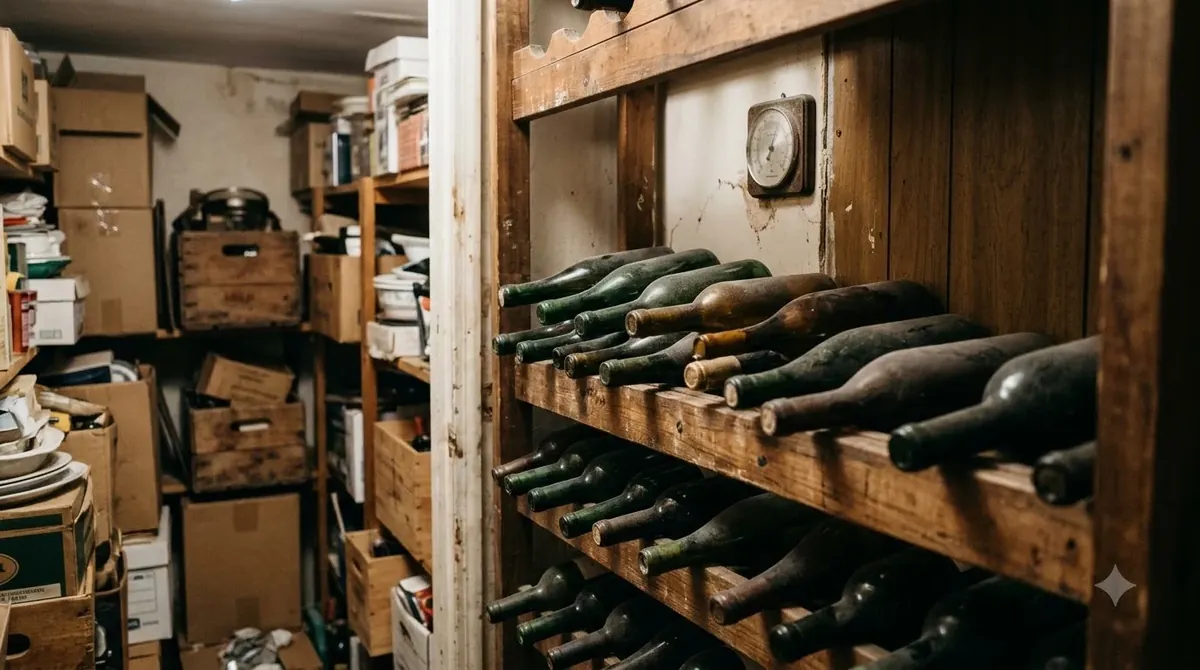
For an unopened bottle intended for short-term storage, a cool and stable environment is preferable to a warm kitchen or a sunny countertop. A temperature near 55 degrees Fahrenheit is a useful general target for wine storage. Avoid frequent temperature changes, strong vibrations, and locations near appliances that produce heat.
Store cork-finished bottles on their sides when appropriate, especially if they are being kept for longer periods. This helps maintain contact between the wine and the cork. Direct sunlight should also be avoided because light and heat can negatively affect the wine’s development.
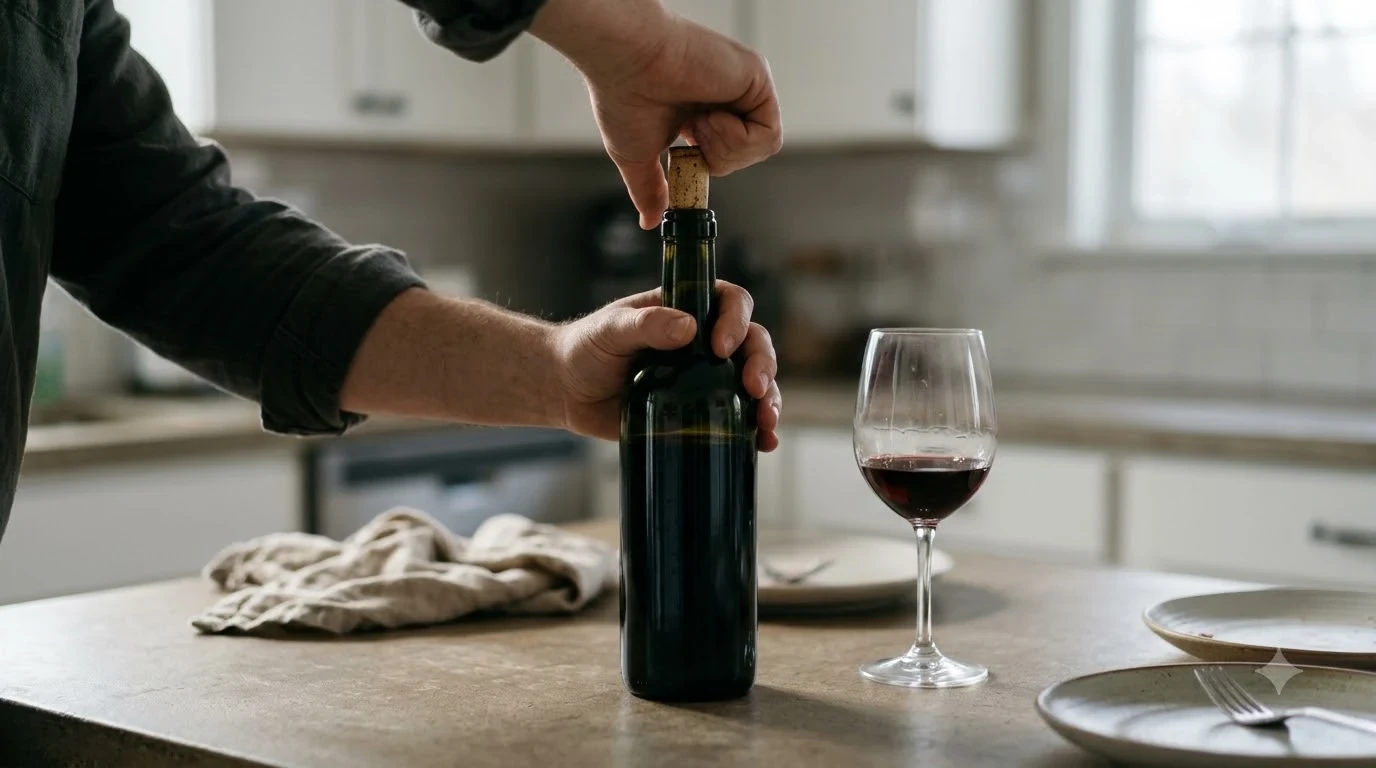
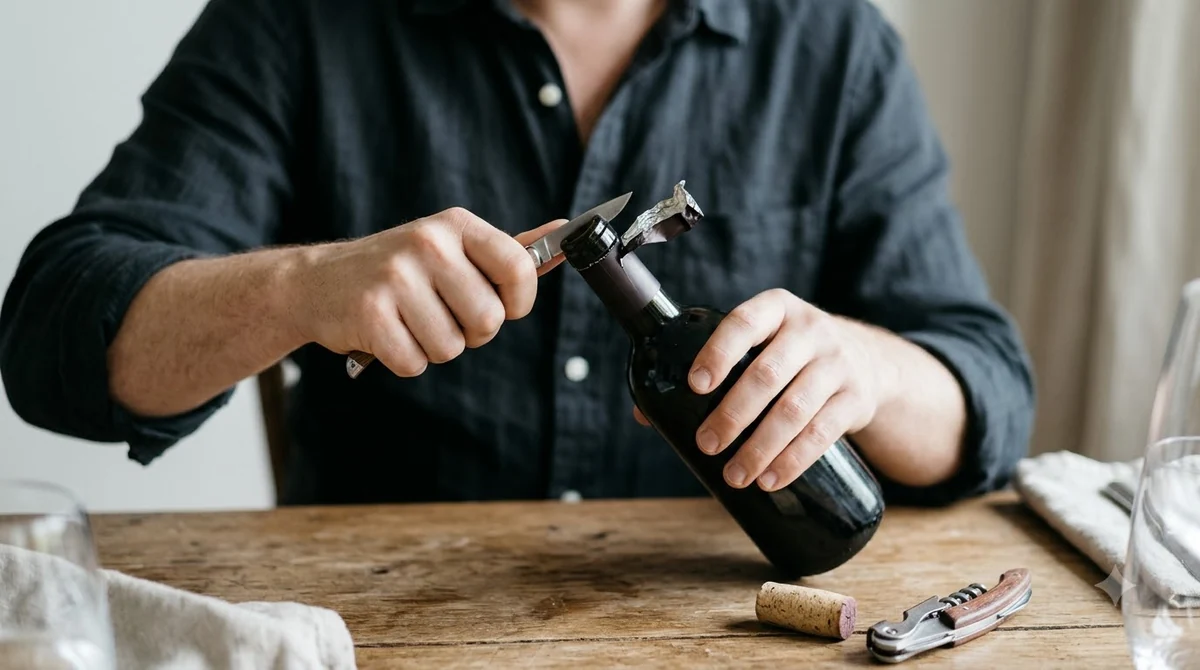
Neither standard Beaujolais nor Beaujolais-Villages needs elaborate preparation before serving. A basic red-wine glass, a suitable serving temperature, and a clean bottle opener are sufficient. Decanting is generally unnecessary for a fresh, accessible Beaujolais, although a brief period in the glass can allow its aromas to develop.
For a young, particularly concentrated red, decanting for 30 to 60 minutes can help soften the initial impression and expose more aromatic detail. This is an optional step rather than a requirement for every bottle. Swirling the wine in the glass is a simpler alternative when the goal is to encourage additional aromatic expression.
Keeping opened wine fresh
Once opened, reseal the bottle and keep it in the refrigerator, even if the wine is red. Cold storage slows oxidation and helps preserve its fruit character. Before serving again, allow the wine to approach its preferred drinking temperature rather than pouring it directly from the refrigerator.
As a general guideline, opened still wines usually remain in reasonable drinking condition for approximately three to five days when refrigerated and properly resealed. The actual result depends on the wine’s age, exposure to oxygen, and storage conditions. If the fruit becomes dull or the aroma turns noticeably stale, the wine has probably passed its best drinking point.
A vacuum stopper can reduce the amount of air in the bottle, although it cannot reverse oxidation that has already occurred. Keeping the remaining wine in a smaller, tightly closed bottle can also reduce air exposure. These simple measures are more practical than purchasing elaborate preservation systems for an everyday red.
When serving a bottle at a dinner party, avoid leaving it open on a warm table for several hours. Pour moderate servings and return the bottle to a cooler location between pours. This is particularly useful during outdoor meals and warm-weather gatherings, when rising temperatures can make the wine seem less balanced.
For a broader understanding of bottle selection, regional differences, and other producers, the Wine Brands resource provides a useful starting point for comparing French wine labels and their individual styles.
Frequently Asked Questions
Where is the Louis Jadot Beaujolais winery located?
Louis Jadot is a Burgundy producer associated with Beaune, France. Beaujolais is a separate wine region located south of the main Burgundy wine areas. The distinction helps explain why a Burgundy producer can make wines from both regional identities.
What does the word Gamay mean on a French wine label?
Gamay is the name of a red grape variety rather than an appellation or sweetness classification. It is especially associated with Beaujolais, where it produces wines ranging from straightforward regional reds to more concentrated Cru bottlings. The grape’s characteristics can vary according to vineyard location and winemaking decisions.
How many Cru appellations are there in Beaujolais?
Beaujolais has 10 recognized Cru appellations: Brouilly, Chénas, Chiroubles, Côte de Brouilly, Fleurie, Juliénas, Morgon, Moulin-à-Vent, Régnié, and Saint-Amour. These appellations represent distinct village-level wine identities within the region. They sit above Beaujolais-Villages in the regional appellation hierarchy.
Is Beaujolais part of Burgundy or a separate wine region?
Beaujolais is geographically and administratively associated with the wider Burgundy wine landscape in many commercial and historical contexts, but it has its own regional identity and appellation system. Its signature red grape is Gamay rather than Pinot Noir. That difference is one reason Beaujolais wines have a distinct profile from many classic Côte d’Or reds.
Does Beaujolais always mean Beaujolais Nouveau?
No. Beaujolais Nouveau is a particular early-release style, traditionally associated with the third Thursday of November. Standard Beaujolais, Beaujolais-Villages, and the 10 Cru appellations are different categories with their own production and maturation expectations. A bottle labeled simply Beaujolais should not automatically be assumed to be Nouveau.
Louis Jadot Beaujolais is a strong option for drinkers who value fresh Gamay fruit, lively acidity, and versatile food pairing rather than heavy tannins and pronounced oak. Choose the standard bottling for its southern Beaujolais character and semi-carbonic approach, or consider Beaujolais-Villages for additional structure and a different winemaking style. Served at the right temperature alongside suitable food, either wine can make an enjoyable addition to a French red-wine selection.
More in Wine Brands
 Louis Latour Wine Price: Compare Bottles by Style and TierUpdated Nov 20, 2026
 Yellow Tail Moscato Price: What to Expect Before You BuyUpdated Nov 20, 2026
 Sutter Home Sweet Red Review: Find the Right Food PairingsUpdated Nov 20, 2026
 Franzia Chillable Red Review: Find the Right Serving StyleUpdated Nov 20, 2026
 Veuve Clicquot Rose Review: Flavor, Food Pairings and Buying AdviceUpdated Nov 20, 2026
 Rombauer Wine Price: Compare Bottles Before You BuyUpdated Nov 20, 2026