
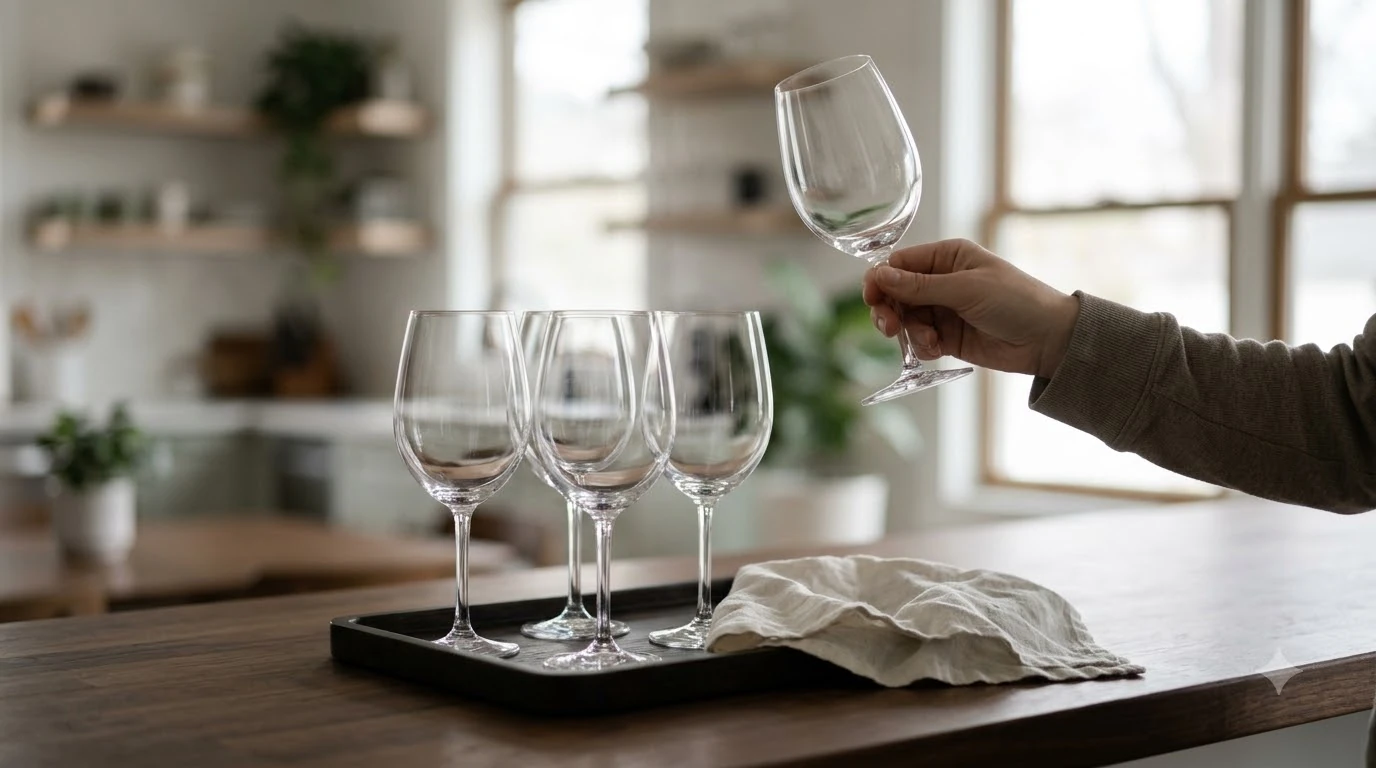

We may earn a commission when you buy through links on this page, at no extra cost to you. Learn more.
Lenox stemless wine glasses are a practical choice for everyday wine service, with the Tuscany Classics six-piece set offering 15-ounce capacity, handcrafted crystal construction, and a comfortable stem-free design. Their compact shape works well for casual dinners, entertaining, and households that prefer glasses without delicate stems. However, careful handling and proper drying remain important considerations when choosing this glassware.
Lenox offers several stemless glass styles, but Tuscany Classics is particularly relevant for shoppers looking for a versatile set rather than a seasonal decorative design. Its relatively short profile, rounded shape, and six-glass configuration make it suitable for regular meals and informal gatherings. Understanding its construction, capacity, maintenance requirements, and potential drawbacks will help determine whether this particular Lenox collection belongs in your kitchen.
Specs and Key Features
The Lenox Tuscany Classics Stemless Wine Glass set combines a traditional wine-glass bowl with a compact base instead of a separate stem and foot. Its 15-ounce capacity and six-piece configuration make it a useful general-purpose option for households serving several different wine styles.
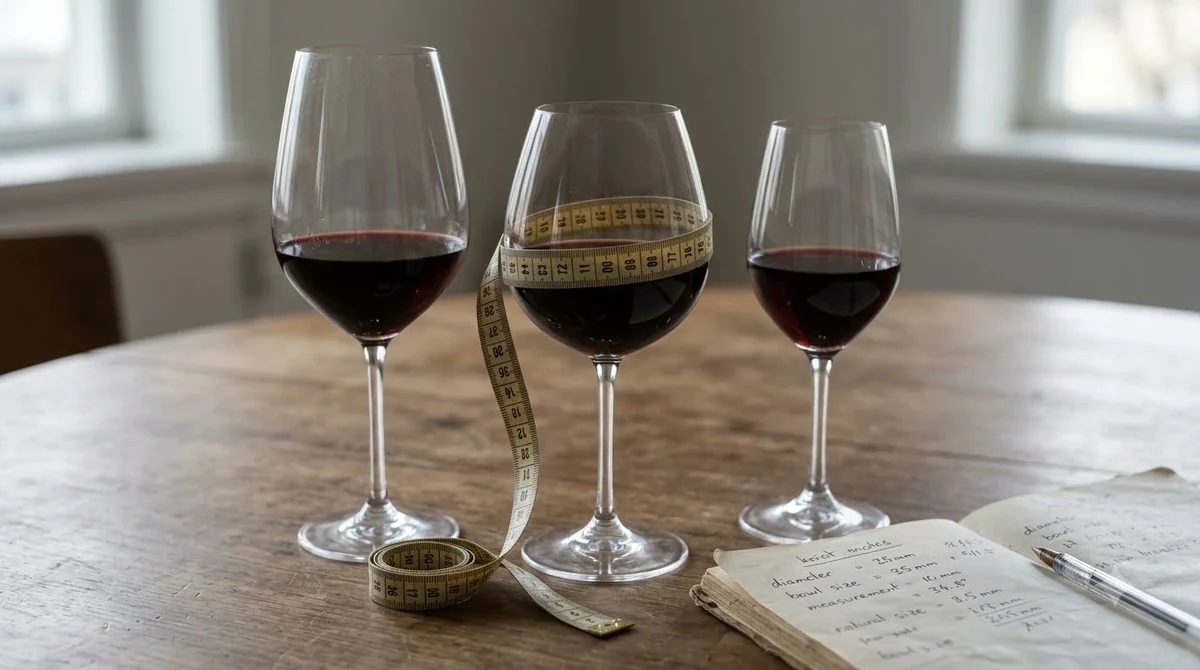
According to Lenox’s product specifications, each glass measures 4.75 inches tall and 2.75 inches in diameter. The relatively short height distinguishes this design from conventional stemmed wine glasses, while the rounded profile provides room for a moderate pour and some swirling.
The product description identifies the material as handcrafted crystal glass, with mouth-blown construction and fire-polished rims. These details contribute to the glass’s appearance and drinking experience. The fire-polished rim is particularly relevant because the edge is the part of the glass that makes direct contact with the lips.
Lenox lists the Tuscany Classics design in its wine glass collection, alongside separate red wine, white wine, flute, and stackable designs. The six-piece configuration is especially convenient for households that regularly serve wine to several people. Instead of purchasing individual glasses, buyers receive a coordinated set suitable for matching table settings.
The manufacturer’s Lenox wine glass collection provides the product specifications and shows how the stemless set fits into the broader Tuscany Classics range.
| Specification | Lenox Tuscany Classics |
|---|---|
| Product type | Stemless wine glasses |
| Set size | 6 glasses |
| Individual capacity | 15 ounces |
| Height | 4.75 inches |
| Diameter | 2.75 inches |
| Material | Handcrafted crystal glass |
| Construction | Mouth-blown |
| Rim treatment | Fire-polished |
| Design | Stemless, rounded shape |
| Dishwasher compatibility | Listed as dishwasher-safe |
| Durability description | Listed as break-resistant |
| Set configuration | Six matching glasses |
These specifications describe the Tuscany Classics six-piece model, not every Lenox stemless glass. Other collections may use different materials, decorative finishes, dimensions, and cleaning instructions. In particular, shoppers should distinguish ordinary clear wine glasses from decorative designs featuring printed patterns or seasonal artwork.
The 15-ounce capacity is generous enough for serving both red and white wine. Nevertheless, a glass’s total capacity should not be confused with its recommended serving volume. A standard wine pour is approximately 5 ounces, leaving sufficient room in the bowl for the wine’s aromas to develop.
For anyone comparing different shapes, the distinction between a compact stemless glass and a conventional wine glass is important. Stemless glasses are easier to position on crowded dining tables, but a traditional stem provides a convenient way to hold the glass without warming the wine directly through the bowl.
For a broader look at glass shapes and their intended uses, the guide to wine glasses explains how capacity, bowl shape, and rim design influence everyday wine service.
What Owners Like
Customer feedback about the Lenox Tuscany Classics stemless glasses generally highlights their appearance, convenient size, comfortable handling, and suitability for everyday use. The design appeals particularly to people who prefer a clean, uncomplicated glass that can serve different wines without requiring separate sets for every grape variety.
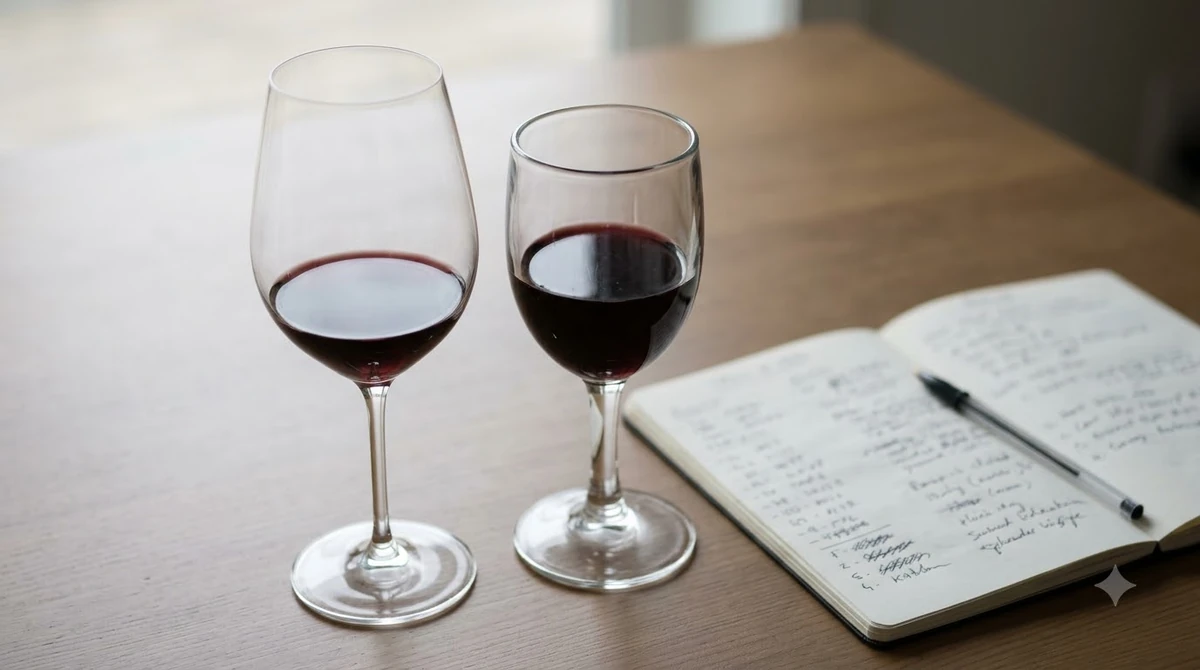
One frequently mentioned advantage is the overall appearance. The rounded bowl creates a familiar wine-glass silhouette, while the absence of a stem gives the glass a more relaxed appearance. It can fit comfortably into both traditional and contemporary dining settings without looking like specialized barware.
The transparent glass also makes it easy to appreciate the color of different wines. This is useful when serving pale Pinot Grigio, golden Chardonnay, ruby-colored Pinot Noir, or deeper Cabernet Sauvignon. Unlike heavily decorated glasses, a clear design does not interfere with visual appreciation of the wine.
Another advantage is the practical size. At 4.75 inches tall, the Tuscany Classics glass is relatively compact compared with many stemmed alternatives. This can make it easier to place on a coffee table, kitchen island, or smaller dining surface.
The absence of a projecting stem also eliminates one common point of accidental damage. Traditional stemmed glasses can break when their stems strike a countertop, another glass, or the edge of a dishwasher rack. A stemless design avoids that particular vulnerability, although the bowl itself remains breakable.
Versatility for different wine styles
The 15-ounce capacity makes the Tuscany Classics glass suitable for several popular wine categories. It is particularly useful for informal service where one consistent glass style is preferred over a collection of specialized shapes.
Cabernet Sauvignon and Syrah can be served in the glass without difficulty. These fuller-bodied reds benefit from some space in the bowl, although serious enthusiasts may prefer a larger, more specifically shaped red-wine glass for prolonged swirling and aroma development.
Pinot Noir and Merlot are also reasonable choices. Their different tannin profiles do not require completely different glassware for casual drinking. A single versatile glass can accommodate both, provided the serving temperature is appropriate.
White wines are equally straightforward. Sauvignon Blanc, Riesling, and Chardonnay can all be served in a 15-ounce stemless glass. However, smaller pours are particularly useful for whites because they help preserve the wine’s serving temperature during a meal.
For consumers who regularly serve several wine styles, the ability to use one matching set is a meaningful practical benefit. It also simplifies storage and makes setting the table easier when guests have different preferences.
A convenient format for entertaining
A six-glass set is a sensible configuration for small gatherings. It provides enough matching glasses for a dinner with several guests without requiring a particularly large storage cabinet.
The compact shape also reduces the amount of vertical space needed compared with many traditional wine-glass collections. This can be useful in cabinets with limited clearance, although buyers should still measure their available shelves rather than assume every stemless design will fit.
The uncomplicated appearance and comfortable shape make the glasses suitable for everyday use. Their relatively neutral design also works with different dinnerware styles and table settings.
Another practical benefit is that the glasses can serve beverages other than wine. Water, juice, and nonalcoholic sparkling drinks are reasonable uses for a versatile 15-ounce glass. This flexibility helps households get more regular use from a coordinated set.
Common Complaints
The main concern with Lenox Tuscany Classics stemless wine glasses is durability. Although Lenox describes the set as break-resistant, glass remains vulnerable to sudden impacts, twisting pressure, and collisions with other dishes.
It is important to distinguish break-resistant from unbreakable. A product description that identifies a glass as break-resistant does not guarantee that it will survive being dropped or knocked against a hard surface.
Buyers should also consider the practical consequences of a damaged glass. A chipped rim or cracked bowl is a reason to stop using the item rather than continue serving wine in it.
Handling and breakage
The stemless construction removes one common point of accidental damage, but the bowl itself still requires care. A glass can break when it strikes a hard countertop, another glass, or a metal object in a crowded dishwasher.
This is particularly relevant for households with busy kitchens or limited storage space where glassware frequently comes into contact with other items.
Some buyers may prefer a thicker, more utilitarian glass for frequent everyday use. Such alternatives can offer a different balance of weight, appearance, and durability, although they may not provide the same crystal-glass presentation.
The bottom indentation and dishwasher drying
The underside of a stemless glass deserves attention after washing. Depending on its shape, a recessed base can retain small amounts of water during a dishwasher cycle.
This issue is primarily a drying inconvenience rather than a problem with the wine itself. Water trapped underneath the base can remain after the washing cycle has finished, creating spots or requiring additional attention before the glass is returned to the cabinet.
For households that depend heavily on automatic dishwashing, this is a meaningful consideration. A glass can be dishwasher-safe and still require some manual drying to achieve a completely clean, polished appearance.
Understanding durability descriptions
Lenox describes the Tuscany Classics glasses as break-resistant. This is useful information, but it should not be interpreted as a guarantee against breakage.
Customer experiences can also differ depending on how glassware is transported, washed, stored, and used. Shipping damage, accidental impacts, and dishwasher contact are different circumstances and should not be treated as evidence of identical product weaknesses.
The most sensible approach is to handle the glasses like conventional crystal glassware. Their break-resistant description is useful, but it should not be treated as permission to stack, crowd, or handle the glasses roughly.
Who Should Buy and Who Should Skip
Lenox Tuscany Classics stemless wine glasses make the most sense for people who want attractive, versatile glassware for regular meals and informal entertaining. They are less suitable for buyers who prioritize maximum resistance to breakage or expect their dishwasher to handle every part of the cleaning and drying process.
Who should consider buying them
Everyday wine drinkers: People who enjoy a glass of wine with dinner but do not require specialized glassware for each grape variety should find the general-purpose design convenient. The 15-ounce capacity accommodates a standard 5-ounce serving with room remaining in the bowl.
Households with limited cabinet space: The 4.75-inch height offers a relatively compact alternative to taller stemmed glasses. This can be useful in kitchens with shorter shelves or cabinets containing several different types of drinkware.
Casual entertainers: The six-piece set provides matching glasses for a small gathering. The uncomplicated appearance works with everyday dinnerware and does not require a formal table setting.
People who prefer stemless glassware: Some drinkers simply find stemless glasses easier to hold and position. The rounded bowl offers a familiar wine-glass shape without the separate stem and foot.
Buyers seeking versatile drinkware: These glasses can serve red wine, white wine, water, and other cold beverages. That makes them useful beyond occasional wine service.
Who should skip them
Buyers seeking highly durable glassware: Anyone who frequently drops dishes or needs especially resilient everyday glasses should investigate tempered-glass alternatives. The Tuscany Classics construction is still glass and remains susceptible to breakage.
Formal wine enthusiasts: People who regularly compare delicate aromas or host structured wine tastings may prefer specialized stemmed glasses. A larger bowl and a stem that keeps hands away from the wine can make a noticeable difference during extended tasting sessions.
Dishwasher-only households: Buyers who want glasses that emerge from the dishwasher completely dry should consider whether occasional manual drying is acceptable. A recessed base can retain moisture depending on its position during washing.
People who prefer lightweight, highly specialized glassware: Those who prioritize a particular bowl shape for Burgundy, Bordeaux, or sparkling wine should compare dedicated alternatives before choosing an all-purpose stemless design.
Matching the glass to the wine
The Tuscany Classics design is versatile, but it is helpful to understand its limitations. Cabernet Sauvignon, Merlot, Pinot Noir, Chardonnay, and Sauvignon Blanc can all be served in a general-purpose glass. However, the shape is not necessarily optimized for every wine.
For fuller-bodied reds, a larger bowl may provide more space for swirling. For sparkling wines, a dedicated flute or tulip glass can preserve and display bubbles differently. For delicate aromatic whites, a more narrowly shaped bowl may be preferable.
Serving temperature also matters. Light whites and rosé are generally served around 45 to 50 degrees Fahrenheit, while full-bodied whites are better around 50 to 55 degrees Fahrenheit. Light reds generally benefit from 55 to 60 degrees Fahrenheit, and fuller reds from approximately 60 to 65 degrees Fahrenheit.
A stemless glass transfers some warmth from the hand to the wine through direct contact with the bowl. This is one reason why holding the glass around its lower portion and avoiding prolonged handling can be helpful when serving cooler wines.
For shoppers comparing different designs specifically for red wine, the guide to red wine glasses offers additional context about bowl size and shape.
How It Compares to Alternatives
The Lenox Tuscany Classics set occupies the general-purpose stemless category rather than the specialized wine-tasting category. Its most relevant comparison is with other stemless collections and conventional stemmed glasses, each of which serves a slightly different purpose.
Against conventional stemmed wine glasses
The most obvious difference is the absence of a stem. Traditional glasses have a bowl, stem, and foot, allowing drinkers to hold the glass without touching the bowl directly.
This arrangement can help maintain wine temperature, particularly for chilled whites and sparkling wines. It also provides a familiar structure for swirling and examining the wine.
The stemless format is more compact and removes one component that can break during handling. However, it does not eliminate the possibility of breaking the bowl. For buyers who value convenient everyday storage, Tuscany Classics has a practical advantage. For those who value traditional wine presentation, stemmed glasses may be preferable.
Against other stemless glasses
Not all stemless wine glasses are designed in the same way. Some emphasize thin rims and delicate crystal construction, while others prioritize thicker walls and everyday durability.
The Tuscany Classics set combines handcrafted crystal construction with a rounded shape and fire-polished rim. This gives it a traditional wine-glass appearance rather than the look of a basic drinking tumbler.
Buyers should also consider capacity. A 15-ounce glass provides room for a moderate serving and swirling, but larger stemless designs may be preferable for people who enjoy fuller-bodied reds and want additional space above the wine.
Other Lenox stemless collections provide different aesthetic choices. Its official collection includes Holiday and Butterfly Meadow designs, alongside Tuscany Classics. Seasonal patterns are worth considering for decorative entertaining, while the relatively simple Tuscany Classics design is easier to coordinate with different dining styles.
Against specialized wine glasses
Specialized wine glasses are designed around particular wine styles. Burgundy glasses generally have generous bowls, Bordeaux glasses provide a different shape for structured reds, and sparkling wine glasses emphasize the presentation of bubbles.
The Tuscany Classics glass does not replace all these specialized designs. Its strength is convenience, not maximum specialization. Someone who primarily drinks one type of wine and pays close attention to aroma may prefer a dedicated glass.
For a household that serves different wines throughout the week, however, a consistent six-piece set can be more practical than maintaining several different glassware collections.
Choosing the right collection
The best alternative depends on what matters most. Buyers who value presentation should consider traditional stemmed glassware. People who prioritize compact storage should compare different stemless options. Those who want decorative designs may prefer another Lenox pattern.
The stemless wine glasses comparison is useful for evaluating other designs based on capacity, construction, appearance, and everyday handling. It can also help identify whether the Tuscany Classics profile matches the buyer’s preferred drinking experience.
For a wider overview of manufacturers and glassware collections, the Glassware Brands section provides another starting point.
Care, Cleaning, and Everyday Use
Proper cleaning and storage can help Lenox Tuscany Classics glasses remain attractive over repeated use. Although the product is listed as dishwasher-safe, careful loading and drying are particularly important for maintaining clear glassware.
Hand-washing procedure
Hand-washing is a sensible option when cleaning only a few glasses or when you want to minimize contact with other dishes. Lenox recommends warm, soapy water and a soft cloth or sponge for glassware.
- Rinse the glass with moderately warm water after use to remove remaining wine.
- Add a small amount of mild dish detergent to warm water.
- Clean the interior and exterior using a soft sponge or cloth.
- Avoid abrasive scrubbers, scouring powders, and rough cleaning pads.
- Rinse thoroughly to remove detergent residue.
- Dry with a clean, lint-free towel, paying particular attention to the underside of the base.
- Store the glass in a secure cabinet where it cannot strike other glassware.
Avoid exposing the glass to sudden temperature changes. For example, pouring very hot water into a cold glass can create thermal stress. Lenox specifically advises against washing glassware with very hot or very cold water.
Using the dishwasher
Lenox lists the Tuscany Classics glasses as dishwasher-safe. However, dishwasher compatibility does not mean that the glasses should be placed wherever there is available space.
Lenox recommends placing dishwasher-safe glassware on the top rack, away from items that could knock against it. A gentle cycle and mild detergent are also recommended.
Spacing is especially important. Glasses should not touch each other, plates, metal utensils, or other hard objects during the washing cycle. Even relatively small movements can produce repeated contact and eventually lead to chips or cracks.
After the cycle finishes, inspect the underside of each glass. If water remains around the base, dry it manually before returning the glass to the cabinet.
Tip: After washing, lift each glass from the dishwasher and inspect its base before storing it. Dry any remaining moisture with a soft, lint-free towel. This simple step helps prevent residual moisture and visible water spots.
Preventing scratches and breakage
Storage is another important part of glassware maintenance. Although stemless glasses have no stems to snap, their bowls can still be damaged by contact with neighboring objects.
Leave enough space between individual glasses in a cabinet. Avoid placing heavy cookware or other kitchen items on top of them, and do not force a glass into a tightly packed shelf.
When washing several glasses by hand, avoid holding them by the rim while twisting the bowl. A gentle grip around the lower bowl is more appropriate than applying pressure to the rim or base.
Lenox also advises against using glassware that is visibly damaged, scratched, chipped, or cracked. Damaged glass should not remain in regular service.
Keeping the glass clear
Mineral deposits can develop when water evaporates from glassware, especially in areas with hard water. These deposits can make otherwise clean glasses appear cloudy.
Lenox recommends drying glassware promptly to help prevent mineral deposits. For persistent wine or tea stains, the company’s care guidance describes soaking glassware in warm water with baking soda or vinegar.
A soft towel is preferable to rough paper products or abrasive cleaning materials. It helps remove water without introducing scratches and can restore a clean appearance before the glasses are returned to storage.
For more detailed manufacturer instructions, consult the official Lenox glassware care guide, which covers hand-washing, dishwasher loading, drying, and storage.
With reasonable care, the Tuscany Classics design can remain a useful everyday set. The key is to treat it as conventional glassware rather than assuming its break-resistant description makes it immune to careless handling.
Frequently Asked Questions
Can Lenox Tuscany Classics glasses be used for cocktails?
Yes. Their 15-ounce capacity makes them suitable for serving drinks such as spritzes, simple mixed drinks, and nonalcoholic sparkling beverages. They are general-purpose drinkware rather than specialized cocktail glasses, so they may not replace dedicated martini or coupe glasses.
Can stemless wine glasses be used for outdoor entertaining?
They can be used for outdoor dinners and gatherings, but glass remains vulnerable to hard surfaces and accidental impacts. For picnics, poolside gatherings, and situations where breakage is a major concern, reusable plastic or other unbreakable drinkware may be a more practical choice.
Do stemless glasses affect how wine aromas are experienced?
They can. Bowl shape influences how aromas collect above the wine, while the opening affects how easily those aromas reach the nose. The Tuscany Classics design is a general-purpose option rather than a specialized aroma-focused glass for particular grape varieties.
Can Lenox Tuscany Classics glasses be stacked?
The product specifications describe a stemless shape but do not establish that this model is designed for stacking. Avoid stacking the glasses unless the manufacturer specifically confirms that the particular design supports it. Direct glass-on-glass contact can increase the risk of scratches and breakage.
Are all Lenox stemless glasses made from the same material?
No. Lenox’s wine collection includes different material categories, including crystal, non-lead crystal, European glass, and glass. Material and care requirements can differ between collections, so specifications for Tuscany Classics should not automatically be applied to decorative or seasonal designs.
Lenox Tuscany Classics stemless wine glasses are a sensible option for households seeking an attractive, versatile six-piece set with a generous 15-ounce capacity. Their compact shape and general-purpose design are appealing, although careful handling and drying deserve consideration. Buyers who value everyday convenience and are prepared to care for their glassware will find this collection worth comparing with other stemless designs before choosing their next set.
More in Wine Glasses
 Zwiesel Glas Champagne Flutes for Durable Everyday Sparkling WineUpdated Nov 20, 2026
 Vera Wang Crystal Wine Glasses: Design, Quality and Buying AdviceUpdated Nov 20, 2026
 West Elm White Wine Glasses: Compare Designs for Better Everyday Wine ServiceUpdated Nov 20, 2026
 Zalto Stemless Wine Glasses: Discover Their Distinctive DesignsUpdated Nov 20, 2026
 Viski Champagne Glasses That Match Your Style and Sparkling WineUpdated Nov 20, 2026
 Vista Alegre Decanter Review: Crystal Style and Wine ServiceUpdated Nov 20, 2026