

We may earn a commission when you buy through links on this page, at no extra cost to you. Learn more.
Lemberger wine is a dark-skinned red made from the Austrian grape also known as Blaufränkisch, and it is known for peppery spice, dark berry fruit and firm tannins. The name Lemberger is common in Germany and the United States, while Austria and Hungary use other names for the same grape. Its bold but fresh style makes it a practical red for everyday dinners.
This guide explains where the name comes from, what the wine tastes like, and where the grape is grown. It also covers food pairings, shopping and storage, and how Lemberger compares with Syrah and other reds you may already know.
What Is Lemberger Wine?
Lemberger is the American and German name for a red wine grape that is also called Blaufränkisch in Austria. The grape is a late-ripening variety, and it produces red wines that are usually rich in tannin with a pronounced spicy character. If you see either name on a bottle, you are looking at wine made from the same grape family.
The name history explains much of the confusion. According to the Vitis database entry from UC Davis, the grape is called Blaufränkisch in Austria, Lemberger in Germany, and Limberger or Lemberger in the United States. The German name is widely linked to the town of Lemberg in Lower Styria, which is in present-day Slovenia. A second synonym, Limberger, points to a place near Maissau in Lower Austria.
Lemberger is also an old variety with a tangled background. DNA studies show that Blaufränkisch is a cross between Gouais blanc and another grape, though the exact birthplace remains uncertain. For a buyer, the practical takeaway is simple. Lemberger and Blaufränkisch are two names for one grape, so a wine label may use either term without changing the style you can expect.
Flavor Profile and Style
Lemberger is usually a deeply colored red with dark fruit and a clear peppery edge. Most glasses show blackberry, dark cherry and plum notes, often with a spice quality that reviewers describe as black or white pepper. Its acidity is typically moderate to high, which keeps the wine lively rather than soft.
Structure depends heavily on how the wine was made. Unoaked versions tend to be lighter in body and more focused on fruit and spice. Wines that spend time in oak usually feel fuller and rounder, with extra texture from the barrel. Some producers in Germany make lighter, softer styles, so the same name can cover a range from fresh and savory to dense and firm.
Tannin is the feature most drinkers notice first. Lemberger often has enough grip to pair well with food, yet it rarely feels as heavy as the biggest red blends. When you read a tasting note, look for both the peppery spice and the fruit. A wine with only fruit may be a simpler style, while one with strong spice and firm tannin usually shows the traditional character of the grape.

Where Lemberger Is Grown
Lemberger has its strongest home in Central Europe. In Austria, Blaufränkisch is widely planted in the Burgenland region in the east, and it ranks as the second most important red grape in the country after Zweigelt. Mittelburgenland is especially associated with the variety, and several Austrian appellation rules allow it in specific blends and styles.
Outside Austria, the grape appears in several countries under local names. In Germany, it is often called Blauer Lemberger or Blauer Limberger, and the Württemberg region produces many of its wines. Hungary calls the grape Kékfrankos and uses it in the traditional blend Egri Bikavér. The Czech Republic and Slovakia use Frankovka names, and the grape also grows in Slovenia, Croatia, Romania and Bulgaria.
In the United States, Lemberger is grown in several states, including Pennsylvania, Washington, Michigan, New York and Virginia, according to the Wikipedia entry for the grape. Growing it is not simple. The vine buds early and can be hurt by spring frost, and it ripens late, so it does best on warmer sites. Purdue University’s guide to grape varieties for Indiana explains that late-ripening red varieties need the most heat accumulation during the season. Purdue’s Indiana grape variety guide is a useful reference for matching any late red grape to a climate.
Food Pairing Ideas for Lemberger
Lemberger works well with food because its acidity and tannin give it structure at the table. Pick dishes with some richness or spice, and the wine will feel balanced rather than sharp. Its peppery character also complements herbs and roasted vegetables.
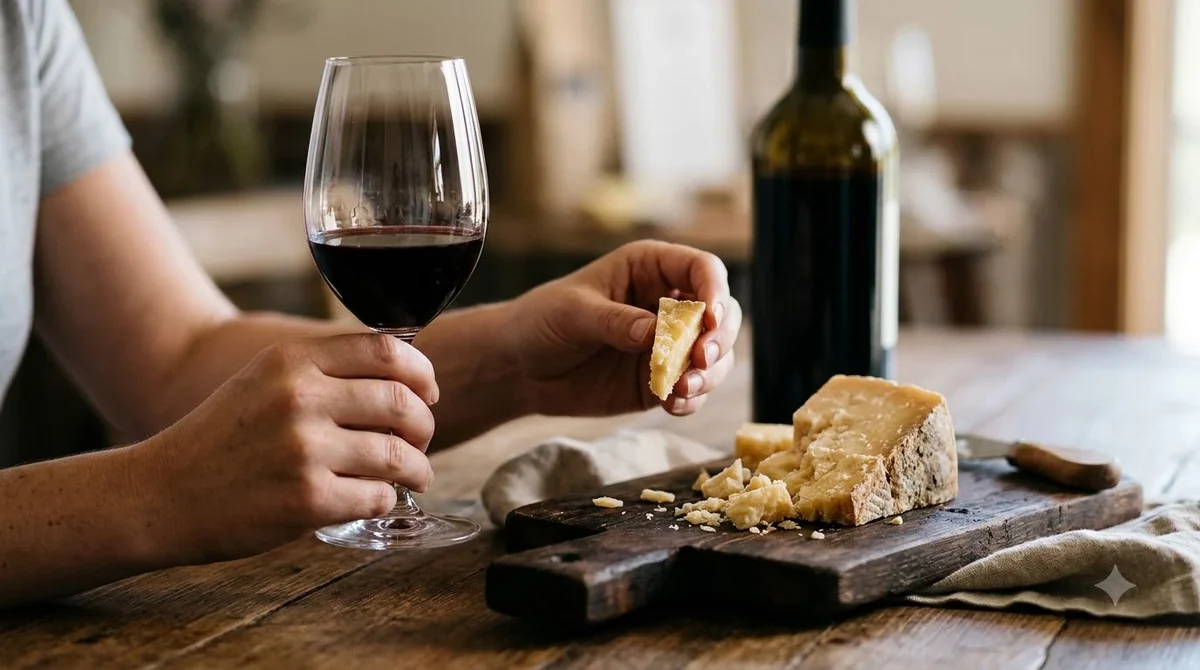
Grilled or roasted meats are a natural match. Pork chops, roast lamb, grilled sausages and burgers all pair well with the wine’s spice and fruit. Roast duck or a mushroom-based dish can also work, especially with a Lemberger that has been lightly oaked. The wine’s acidity helps it cut through fat without overwhelming the food.
For lighter meals, try tomato-based pasta, lentil stews or dishes with smoked paprika. Hungarian-style foods are a good regional match, since the grape is central to Egri Bikavér and the traditional cooking of that region. For a broader view of how wine types match dishes, you can browse Wine by Type, which groups styles by their core character.
Avoid very delicate fish or light salads, which can taste overpowered by the wine’s tannin and pepper. Cheese is also a mixed match. Semi-firm cheeses with some salt usually work better than very soft, mild cheeses. Serve the wine with enough food on the plate so that its structure feels supportive rather than heavy.
How to Buy and Store Lemberger
Shopping for Lemberger is easier when you know which labels to read. Look for the grape name on the bottle, since you may see Lemberger, Blaufränkisch, Limberger or a local name like Kékfrankos. Producer notes often describe whether the wine is unoaked, lightly oaked or fuller in style, and that detail helps you predict the body.
- Check the grape name on the label and note any synonym, so you know you are buying the same variety.
- Read the back label or producer website for oak information. Unoaked versions usually feel lighter.
- Choose a style based on the meal. Lighter bottles suit weeknight food, while fuller ones suit roasted or grilled dishes.
- Ask a retailer or check the producer’s technical sheet for details about acidity and tannin if you want a more structured wine.
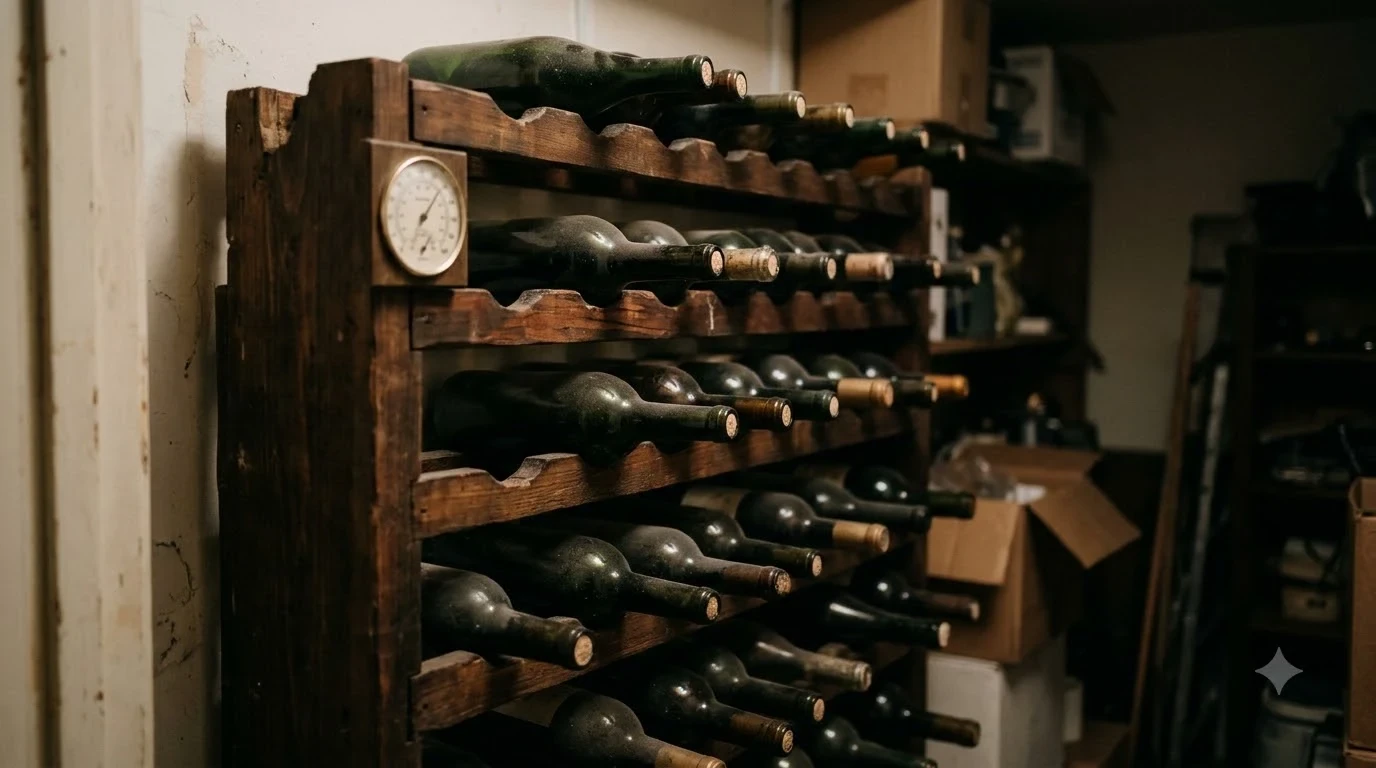
Storage follows the general rules for most red wines. Keep bottles away from heat and direct light, and store them on their side if you plan to keep a cork-sealed bottle for a while. Most Lemberger is made to drink within a few years, though fuller, oaked examples may reward longer cellaring. Check the producer’s guidance, since storage advice varies by style.
Tip: Open the bottle 20 to 30 minutes before serving if the wine tastes tight or very cold. The peppery fruit often opens up as it warms slightly in the glass.
Lemberger Compared to Other Red Wines
Lemberger is often compared with Syrah and Pinot noir, because all three can show fruit with a savory or spicy edge. The differences are mostly in the balance of spice, tannin and acidity. Comparing them side by side makes it easier to choose the right bottle for a particular meal.
| Trait | Lemberger (Blaufränkisch) | Syrah | Pinot noir |
|---|---|---|---|
| Main aroma | Dark berry with peppery spice | Dark fruit with pepper and smoke in many styles | Red berry, earthy and floral notes |
| Tannin | Often firm and noticeable | Often firm, varies by style | Usually softer and lighter |
| Acidity | Moderate to high | Moderate | Often moderate to high |
| Best food match | Roasted or grilled meats, spiced dishes | Grilled meats, stews, hearty fare | Roast poultry, salmon, mushroom dishes |
Lemberger tends to feel more savory and peppery than a typical Pinot noir, which is often lighter and more perfumed. Compared with many Syrah wines, Lemberger can feel brighter and more acidic, though both grapes can be full and dark depending on the winemaker. The Wikipedia entry notes that the grape has been called the Pinot noir of the East, a nickname tied to its spread and reputation in Eastern Europe.
If you enjoy a bright red with structure, Lemberger may suit you well. For a comparison with another dark, structured red, the chianti grape entry explains how a different Italian variety balances acidity and tannin. Reading about several reds side by side helps you learn which traits matter most to your palate.
Frequently Asked Questions
Is Lemberger the same as Blaufränkisch?
Yes. Lemberger is the name used in Germany and the United States for the same dark-skinned grape that Austrians call Blaufränkisch. Some labels also use Limberger or local names such as Kékfrankos in Hungary.
What does Lemberger wine taste like?
Lemberger usually shows dark berry fruit, black pepper and a spicy edge. It often has firm tannin and moderate to high acidity. Unoaked versions feel lighter, while oaked wines tend to be fuller and rounder.
Is Lemberger similar to Syrah?
They share dark fruit and peppery notes, so the comparison is common. Lemberger often feels brighter and more acidic, while Syrah styles vary widely. Tasting a few bottles of each will show you which style you prefer.
What foods go well with Lemberger?
Grilled and roasted meats, spiced sausages and hearty tomato-based dishes are good choices. Its acidity and tannin help it cut through richer foods. Very delicate fish or light salads are usually better with a lighter white wine.
Lemberger is a versatile red once you know its names and style. Start with a label that states whether the wine is oaked, and match it to a simple meal. For a wider view of red styles, the Wine by Type section is a good next step.
More in Wine Types & Grapes
 Zinfandel Sugar Content: Dry Red vs. White Zinfandel GramsUpdated Nov 21, 2026
 Best Zinfandel Substitute Options for Sipping and CookingUpdated Nov 21, 2026
 Zweigelt Food Pairing: Best Dishes, Cheeses, and Serving TipsUpdated Nov 21, 2026
 Zinfandel Tannins Explained: How Structure Shapes Every BottleUpdated Nov 21, 2026
 Zinfandel Sweetness Level: Dry Red vs. Sweet White Zin ExplainedUpdated Nov 21, 2026
 Xinomavro Food Pairing: Best Dishes, Styles, and Serving TipsUpdated Nov 21, 2026