


We may earn a commission when you buy through links on this page, at no extra cost to you. Learn more.
Le Creuset wine glasses are elegant, lead-free glassware designed for wine drinkers who want refined rims, carefully shaped bowls, and practical everyday usability. The collection includes dedicated white and Burgundy wine glasses, with different capacities and bowl shapes for different wine styles. Their machine-blown construction, five-year warranty, and occasional top-rack dishwasher compatibility make them appealing for entertaining and regular home use. However, buyers should consider their tall stems, storage requirements, and hand-washing recommendation before choosing a set.
Le Creuset is widely associated with colorful cookware, but its tabletop collection also includes glassware intended to complement a well-appointed dining table. Its wine glasses emphasize presentation without abandoning practical details such as lead-free materials, stable bases, and carefully finished rims. The important distinction is that the Burgundy and white wine designs serve different purposes rather than simply offering two decorative variations of the same glass. Understanding those differences helps determine whether this glassware is a worthwhile addition to a home wine collection.
Specs and Key Features of Le Creuset Wine Glasses
Le Creuset wine glasses combine machine-blown construction with relatively generous capacities and wine-specific bowl designs. The most useful comparison is between the 13 1/2-ounce white wine glass and the 23 1/2-ounce Burgundy glass, because their dimensions and shapes affect how different wines are presented.
The US white wine glass set includes four lead-free glass pieces, each measuring 10 inches tall and 3 inches across the mouth. Its narrow, elongated shape is intended to help retain aromas while limiting how quickly chilled wine warms in the glass. The manufacturer also highlights a thin rim and a carefully shaped bowl, features that matter to drinkers who prefer a more refined drinking experience.
The Burgundy model takes a different approach. Its wider bowl provides more room for swirling and aeration, making it suitable for aromatic red wines. At 23 1/2 fluid ounces, it offers considerably more capacity than the white wine version. Le Creuset describes this shape as a way to increase aeration and concentrate the complex aromas associated with delicate red wines.
| Specification | White Wine Glasses | Burgundy Wine Glasses |
|---|---|---|
| Set size | 4 glasses | 4 glasses |
| Capacity | 13 1/2 fl. oz. | 23 1/2 fl. oz. |
| Height | 10 inches | 9 3/4 inches |
| Mouth diameter | 3 inches | 3 1/3 inches |
| Material | Lead-free glass | Lead-free glass |
| Construction | Machine-blown | Machine-blown |
| Manufacturing country | Germany | Germany |
| Dishwasher guidance | Top rack; hand washing recommended | Top rack; hand washing recommended |
| Warranty | 5 years | 5 years |
These specifications come from Le Creuset’s US product listings. The red wine glass is marketed as a Burgundy glass in the US collection, so it is important not to assume that every red wine glass in another regional collection has identical dimensions. The UK listing, for example, describes a 700 ml balloon-shaped red wine glass. That capacity is approximately 23 2/3 fluid ounces, close to the US Burgundy model’s stated capacity, but regional product descriptions and specifications should be treated separately.
Another important feature is the five-year warranty. Le Creuset lists this coverage for its glassware, providing a defined period of protection against qualifying manufacturing defects. The warranty does not mean that ordinary accidental breakage, misuse, or damage from inappropriate handling is automatically covered. Buyers should review the applicable warranty terms before assuming that every broken glass qualifies for replacement.
The overall specifications suggest that these glasses are designed around presentation and practical home entertaining rather than extreme lightweight construction. Their lead-free glass, substantial bowls, and carefully finished rims provide a combination of characteristics that will appeal to people who appreciate attractive tableware. Those priorities are more relevant to the buying decision than the brand name alone.
What Owners Like About the Glassware
The strongest recurring positive themes in available owner feedback are appearance, refined rims, generous bowls, and a balance between an elegant appearance and practical handling. These characteristics make the glasses particularly attractive to people who want something more refined than ordinary everyday tumblers.
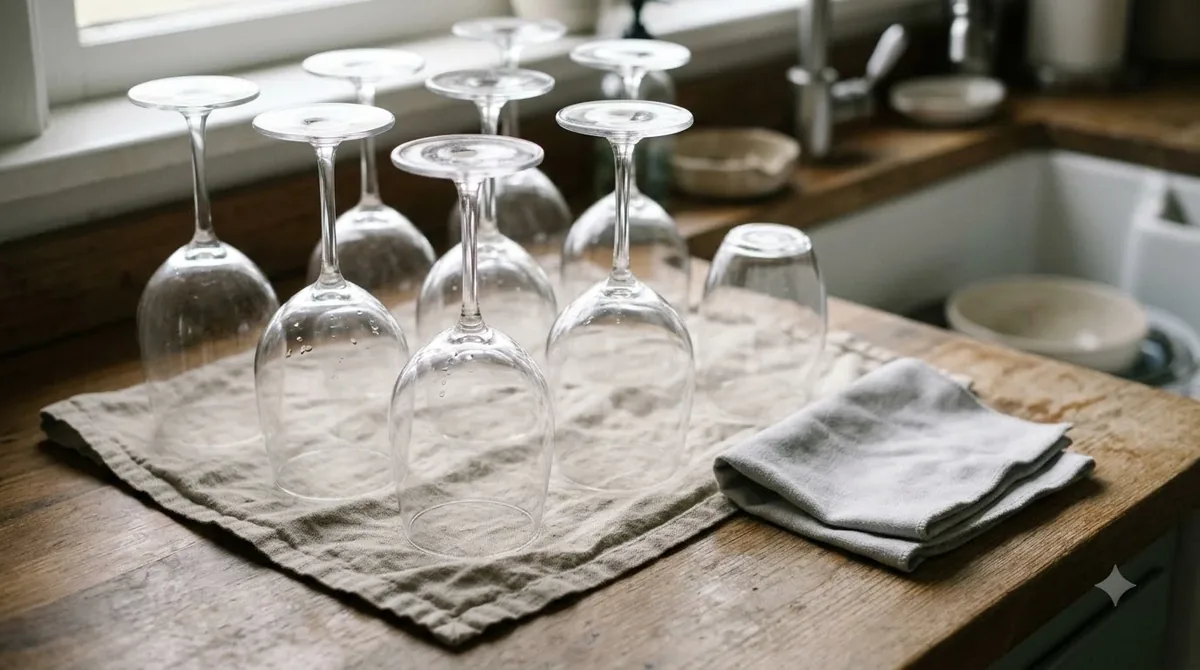
One Yuppiechef owner review of the red wine glasses praises their fine rims and elegant appearance while also describing them as less intimidating to handle than their delicate appearance might suggest. This is a useful observation because thin rims can make wine glasses feel more refined, but buyers often worry that an elegant design will be excessively fragile.
Another owner comment highlights the large bowl and the branding on the base. The generous bowl is particularly relevant to people who enjoy aromatic reds, because a wider opening allows more space for swirling. The branding detail also appeals to buyers who enjoy coordinated tableware and recognizable design elements.
The white wine glass feedback highlights a different advantage. An owner specifically appreciates the thin rims and dishwasher-safe construction, two characteristics that make the glasses appealing for serving crisp white wines. A thin rim provides a less intrusive drinking edge, while dishwasher compatibility offers a degree of convenience after entertaining.
Why the rim design matters
The rim is one of the first parts of a wine glass that the drinker encounters. A thin, smooth edge can make the transition between the glass and the mouth feel less noticeable than a thick, rounded edge. It does not automatically make the wine taste better, but it can contribute to a more pleasant drinking experience.
Le Creuset specifically identifies thin rims as a feature of its white wine glasses, while the UK red wine listing describes a fine rim. These details are consistent with the brand’s presentation-focused approach. People who appreciate carefully finished glassware may find this more compelling than a thick, heavy design intended primarily for casual handling.
Why the bowls appeal to wine drinkers
The different bowl sizes are another practical advantage. A 13 1/2-ounce white wine glass is more restrained than the 23 1/2-ounce Burgundy version, while the larger red wine glass allows room for swirling without bringing the wine too close to the rim.
That distinction is useful when serving different wines at the same dinner. A Sauvignon Blanc or Chardonnay generally benefits from a smaller, more controlled serving vessel, whereas Pinot Noir can be particularly expressive in a wider Burgundy-style bowl. The glass shape does not replace good serving temperature or wine quality, but it can make the presentation more appropriate.
There is an important qualification to the positive feedback: available owner comments are limited and come from a retailer outside the United States. They provide useful examples of individual experiences, not proof that every owner will have the same experience or that every production batch performs identically.
Common Complaints and Practical Limitations
Le Creuset wine glasses have several limitations that deserve consideration before purchasing. Their tall stems, substantial bowls, and recommendation for hand washing may be less convenient for people with compact cabinets, crowded dishwashers, or households where glassware receives frequent rough handling.
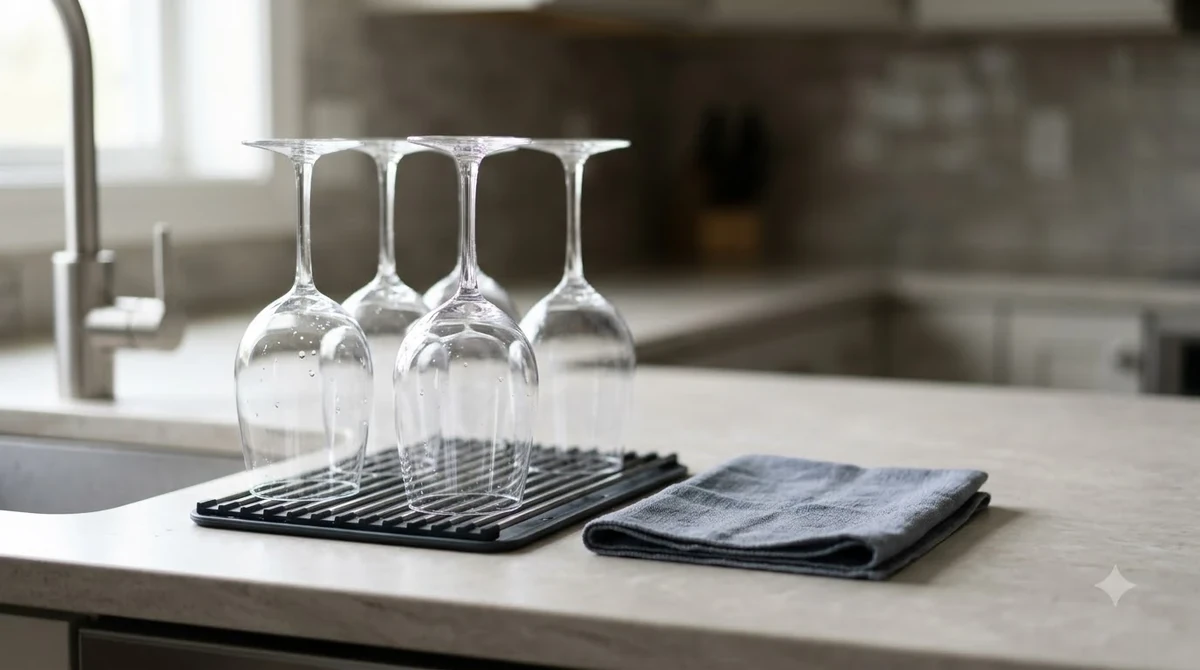
The white wine glasses measure 10 inches in height, which can create a storage challenge in kitchen cabinets with low shelves. Their height also makes it important to consider the vertical clearance inside a dishwasher. Even if a particular dishwasher has a suitable top rack, buyers should not assume that every machine can accommodate these glasses safely.
The Burgundy glasses have a different storage concern. Their 23 1/2-ounce capacity and wider bowl require more horizontal space than smaller wine glasses. A cabinet designed around narrow everyday tumblers may not provide enough room for them to stand without touching neighboring pieces.
Lead-free glass is not unbreakable glass
Le Creuset describes its wine glasses as premium lead-free glass engineered for greater durability. That is a useful material specification, but it should not be confused with a guarantee against breaking. Glass remains vulnerable to impacts, sudden temperature changes, and pressure on narrow sections such as stems.
The machine-blown construction and steady base are intended to provide a practical combination of durability and stability. Nevertheless, a glass that tips against a hard countertop or strikes another glass can still chip or crack. The appropriate expectation is carefully made glassware that deserves normal handling precautions, not an unbreakable alternative to conventional wine glasses.
Dishwasher compatibility has limits
One potential source of confusion is the difference between being dishwasher-safe and being recommended for routine dishwasher cleaning. Le Creuset says occasional cleaning in the top rack is safe, but its official care instructions still recommend hand washing.
That distinction matters for people who expect to place every glass in the dishwasher after every dinner. A top-rack-safe designation provides flexibility, but it does not mean that frequent machine cleaning is the manufacturer’s preferred approach. The company also recommends warm, soapy water and complete drying before storage.
Another limitation is the relatively specialized nature of the shapes. The white model is designed around white wine, while the Burgundy model has a large bowl intended for aromatic wines. Someone seeking a single compact glass for wine, water, cocktails, and casual entertaining may prefer a simpler universal design.
Finally, available independent owner feedback is not extensive enough to establish long-term breakage rates or compare durability statistically against competing manufacturers. Positive comments about perceived durability are encouraging, but they should not be interpreted as the result of a controlled comparison.
Who Should Buy Le Creuset Wine Glasses and Who Should Skip Them
Le Creuset wine glasses make the most sense for buyers who value coordinated table presentation, wine-specific shapes, and a recognizable glassware design. They are less suitable for households that prioritize compact storage, very lightweight glassware, or the convenience of routine dishwasher cleaning.
Who should consider buying them
Wine enthusiasts who regularly serve both red and white wines may appreciate having separate Burgundy and white wine glasses. The 13 1/2-ounce white glass provides a more controlled shape for chilled wines, while the larger Burgundy model offers room for swirling and aromatic development.
People who entertain guests frequently may also appreciate the four-piece set format. Four matching glasses create a consistent table setting for a small dinner party, a weekend meal, or a wine-focused gathering. Purchasing separate sets also makes it easier to select the right glass shape for the wines being served.
Le Creuset enthusiasts who already own coordinating dinnerware or cookware may find the glassware aesthetically appealing. The understated glass design can complement a range of table settings without relying on bright colors or elaborate decorative details.
Gift buyers have another reason to consider the collection. A four-piece set is a practical gift for someone who enjoys wine and appreciates well-presented dining accessories. The five-year warranty and German manufacturing origin also provide useful purchasing information when evaluating the product as a gift.
Who should skip them
People who frequently drop glassware, have limited cabinet space, or prefer inexpensive everyday drinking vessels may be better served by simpler alternatives. A large Burgundy bowl and a tall white wine glass are not necessarily the most practical options for a busy household where dishes are handled quickly and stored tightly.
Buyers who want an all-purpose wine glass should also compare more universal shapes. The dedicated white and Burgundy designs are useful for particular wine styles, but purchasing two different sets may be unnecessary for someone who drinks mostly one type of wine.
Those who rely heavily on their dishwasher should consider the manufacturer’s recommendation carefully. Although occasional top-rack dishwasher cleaning is permitted, hand washing remains the preferred care method. A household that wants to run every glass through frequent dishwasher cycles may prefer glassware with less restrictive cleaning guidance.
Choosing between the two shapes
The white wine model is the more straightforward choice for people who regularly drink Sauvignon Blanc, Riesling, Pinot Grigio, or Chardonnay. Its narrower bowl is appropriate for chilled wines, and its 13 1/2-ounce capacity is ample for a conventional serving.
The Burgundy model is more appropriate for Pinot Noir and other aromatic red wines. Its wider bowl gives the wine more room to interact with air, while its 23 1/2-ounce capacity provides space for swirling. People who primarily drink Cabernet Sauvignon or Syrah may still use it, but a different red wine shape may suit their preferences better.
Tip: Think about the wine you serve most frequently before choosing a set. If Pinot Noir and aromatic reds dominate your collection, the larger Burgundy glass is the more relevant purchase. If chilled whites are more common, the narrower white wine glass is the practical starting point.
For a wider look at different shapes, compare the options in our guide to wine glasses. It can help establish whether a dedicated Burgundy bowl or a more versatile universal design better matches your drinking habits.
How Le Creuset Compares to Alternative Wine Glasses
Le Creuset’s main selling points are its lead-free machine-blown glass, wine-specific shapes, and five-year warranty. Its closest alternatives are other dedicated wine glass designs, including general-purpose red wine glasses and stemless glassware, rather than products that simply carry a recognizable cookware brand name.
When comparing wine glasses, the most useful factors are capacity, bowl width, rim thickness, stem construction, stability, and cleaning requirements. A large bowl is not automatically superior, and a thinner rim does not necessarily indicate greater overall quality. The best design is the one that accommodates the wines being served and feels comfortable in regular use.
Le Creuset versus conventional red wine glasses
Conventional red wine glasses are available in a wide range of capacities and bowl proportions. Some use moderately sized bowls for everyday drinking, while others feature large balloon shapes intended for aromatic varieties such as Pinot Noir.
Le Creuset’s Burgundy glass belongs to the larger-bowl category. Its 23 1/2-ounce capacity gives it more room than many compact red wine designs. That makes it attractive for drinkers who appreciate swirling and aromatic presentation, although it may be unnecessarily large for someone who prefers a smaller, lighter glass.
For a closer look at different bowl proportions, our guide to red wine glasses provides additional context. Comparing bowl width and capacity is particularly useful when deciding whether a Burgundy-style shape makes sense for the reds most frequently served at home.
Le Creuset versus stemless wine glasses
Stemless wine glasses provide a different approach to everyday convenience. Their shorter profile makes them easier to fit into some cabinets, and their lack of stems removes one potential breakage point. They can also work well for informal meals and multipurpose table settings.
However, holding a stemless glass means that the hand is in direct contact with the bowl. This can warm chilled white wine more quickly, depending on the serving environment and how long the glass is held. Traditional stemmed glasses also make it easier to hold the vessel without touching the wine’s bowl.
Le Creuset’s traditional stemmed designs are therefore more appropriate for formal wine service and people who prefer conventional glassware proportions. Those who prioritize compactness and casual use can compare them with the alternatives in our stemless wine glasses guide.
Le Creuset versus other premium glassware
Premium glassware manufacturers often distinguish themselves through bowl geometry, glass composition, rim finishing, and weight. Some emphasize extremely thin, lightweight construction, while others favor greater resistance to everyday handling.
Le Creuset takes a middle-ground approach in its product descriptions. It emphasizes carefully shaped bowls and thin rims while also highlighting machine-blown construction, a steady base, and durability. This combination makes the collection appealing to people who want traditional wine glass proportions without choosing an exclusively delicate-looking design.
However, there is no basis for claiming that Le Creuset automatically delivers better aroma performance or longer service life than every premium competitor. Those comparisons require equivalent specifications and meaningful long-term testing. Buyers should compare the actual glass dimensions, material details, warranty conditions, and care recommendations rather than relying on branding alone.
For shoppers considering several manufacturers, the broader selection in Glassware Brands is a useful starting point. It places the purchase in the context of the wider glassware market and helps distinguish brand preference from functional differences.
Care, Storage, and Everyday Use
Le Creuset wine glasses are designed for special occasions and everyday serving, but appropriate cleaning and storage remain important. Their thin rims and tall stems benefit from careful handling, particularly when washing several glasses together.
Hand washing and drying
Le Creuset’s official recommendation is to wash glassware with warm, soapy water. Hold the glass securely around the bowl rather than gripping the stem tightly, and avoid twisting the stem and bowl in opposite directions. Excessive pressure at the connection point can create unnecessary stress.
Use a soft cleaning cloth or non-abrasive sponge to remove wine residue. Avoid rough scouring pads and hard objects that could scratch the surface. After washing, rinse thoroughly and allow the glasses to dry completely before putting them away.
The manufacturer’s care guidance specifically permits occasional cleaning in the top rack of the dishwasher. If using this option, position each glass securely and make sure that it cannot strike another item during the wash cycle. Do not force a tall glass into a rack that does not provide adequate clearance.
For the complete manufacturer instructions, see Le Creuset’s official glassware care guidance. It explains the distinction between occasional dishwasher use and the preferred hand-washing method.
Storage and cabinet organization
Store the glasses upright in a clean, dry cabinet where the rims are protected from contact with neighboring objects. Avoid tightly packed shelves, because small movements can cause glasses to strike one another. This is particularly important for the wide Burgundy bowls.
The white wine glasses require approximately 10 inches of vertical clearance, so measure cabinet space before buying. The Burgundy glasses are slightly shorter at 9 3/4 inches but have a wider opening, which means they may require more space across the shelf.
A dedicated glassware shelf is useful for households with several different wine glass shapes. Keeping the Burgundy glasses separate from narrower white wine glasses also reduces the likelihood of accidentally knocking their bowls together when taking out a piece.
Serving temperature and pouring
Glass shape works best when the wine is served at an appropriate temperature. Sparkling wine is generally served around 40 to 50 degrees Fahrenheit, while light whites and rosé are usually served around 45 to 50 degrees. Full-bodied whites are better suited to approximately 50 to 55 degrees.
Light reds generally benefit from serving temperatures around 55 to 60 degrees Fahrenheit, while fuller reds are typically served around 60 to 65 degrees. These temperatures are useful starting points, not rigid requirements. Personal preference and the wine’s style can justify small adjustments.
A conventional 5-ounce pour leaves room in both Le Creuset glass designs for observing the wine and, particularly in the Burgundy model, gently swirling it. Filling a large Burgundy glass close to its full capacity would defeat much of the practical advantage of its generous bowl.
After serving, return any remaining wine to the bottle or use an appropriate closure. Refrigeration is useful for preserving opened wine, even red wine, when it will be consumed later. Allow chilled red wine to warm slightly before serving again if necessary.
Protecting the glass during entertaining
When serving a group, avoid carrying several glasses by their stems or stacking them together. Use a stable tray and provide enough table space to prevent guests from knocking neighboring glasses over. A little additional care is especially useful when serving wines in wide-bowled Burgundy glasses.
For dinner parties, set out the glasses before opening the wine. This reduces handling during the busy part of the meal and makes it easier to inspect each piece for chips or cracks. A glass with a damaged rim should not be used for serving.
These basic precautions are not unique to Le Creuset, but they are especially relevant to tall, stemmed glassware. Proper care allows the refined design to remain part of the dining experience rather than becoming an inconvenience.
Frequently Asked Questions
Are Le Creuset wine glasses made in France?
No. The US white and Burgundy wine glass product listings identify Germany as their country of origin. Le Creuset is a French cookware brand, but its glassware is manufactured in Germany. The country associated with a brand should not be confused with the manufacturing location of an individual product.
Can Le Creuset wine glasses be used for cocktails?
Yes, they can be used for certain cocktails, although their shapes are designed primarily for wine. The large Burgundy bowl can accommodate drinks that benefit from a generous serving vessel, while the white wine glass can suit smaller chilled mixed drinks. Neither should be treated as a replacement for dedicated cocktail glassware when a particular cocktail requires a specialized shape.
Can Le Creuset wine glasses be used for sparkling wine?
They can hold sparkling wine, but the dedicated champagne flute is the more appropriate option in the brand’s US glassware collection. The narrower flute shape provides a different presentation and helps maintain the visual effect of rising bubbles. A white wine glass can be an alternative for someone who prefers a wider opening for appreciating sparkling wine aromas.
Are Le Creuset wine glasses suitable for professional restaurants?
They can be used for serving wine in a hospitality setting, but the warranty terms should be considered carefully. Le Creuset’s US warranty information excludes commercial use for its glassware. Restaurants and bars should therefore evaluate commercial-grade alternatives and their applicable replacement policies before selecting these sets for daily service.
Can replacement glasses be purchased individually?
The US product listings reviewed identify the wine glasses as four-piece sets rather than individual replacement pieces. Availability of individual pieces may depend on a retailer or regional assortment. If one glass breaks, contacting Le Creuset customer service with the product information is a sensible way to ask about replacement availability and applicable warranty coverage.
Le Creuset wine glasses are a strong option for buyers who appreciate elegant stemmed glassware, lead-free construction, and dedicated shapes for different wine styles. Their tall profiles and hand-washing recommendation require some consideration, but the refined rims, generous Burgundy bowl, and five-year warranty make them appealing for home entertaining. Choose the white set for regular chilled-wine service or the Burgundy set for aromatic reds, and prioritize the shape that best matches the wines served most often.
More in Wine Glasses
 Zwiesel Glas Champagne Flutes for Durable Everyday Sparkling WineUpdated Nov 20, 2026
 Vera Wang Crystal Wine Glasses: Design, Quality and Buying AdviceUpdated Nov 20, 2026
 West Elm White Wine Glasses: Compare Designs for Better Everyday Wine ServiceUpdated Nov 20, 2026
 Zalto Stemless Wine Glasses: Discover Their Distinctive DesignsUpdated Nov 20, 2026
 Viski Champagne Glasses That Match Your Style and Sparkling WineUpdated Nov 20, 2026
 Vista Alegre Decanter Review: Crystal Style and Wine ServiceUpdated Nov 20, 2026