

We may earn a commission when you buy through links on this page, at no extra cost to you. Learn more.
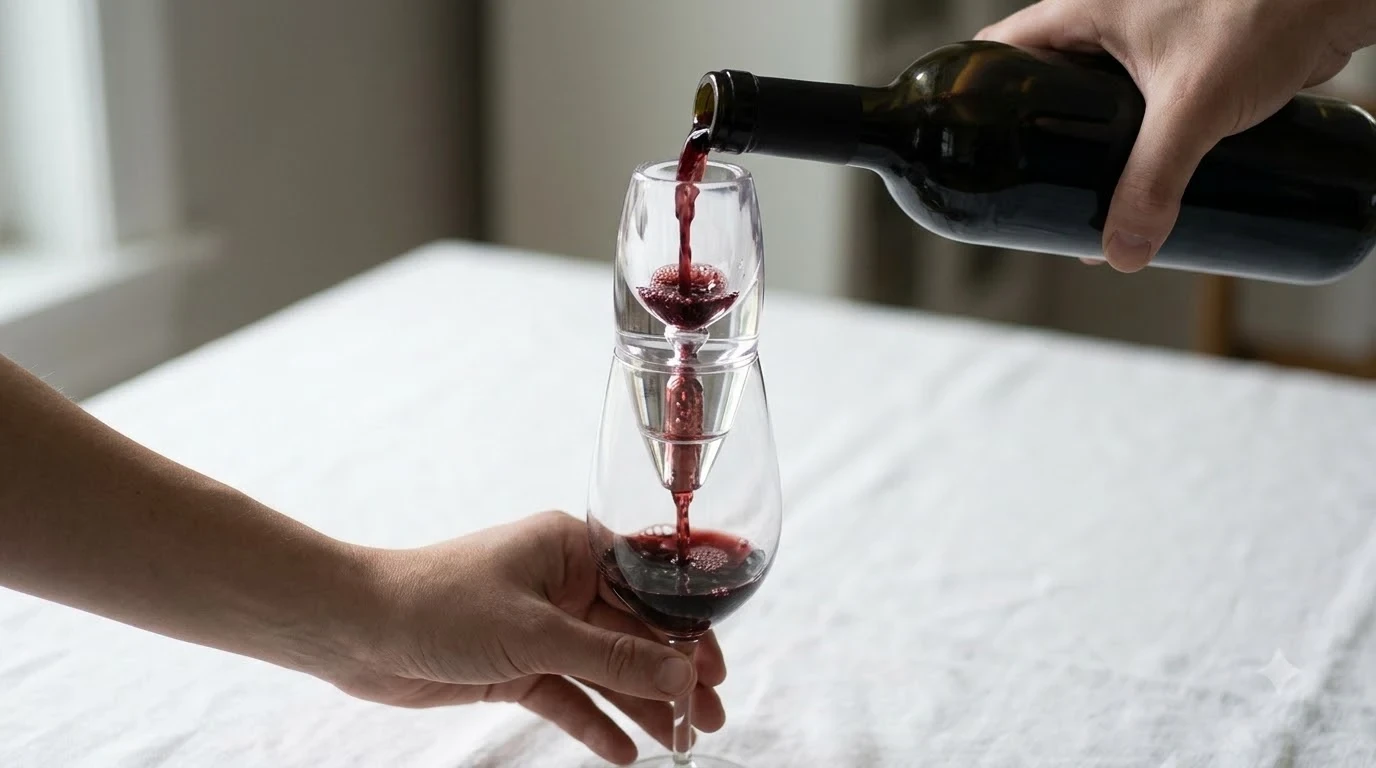
The le creuset wine aerator is a practical 3-in-1 wine accessory that aerates wine as it pours, controls the stream, and helps seal an opened bottle. Its stainless steel construction and integrated double-aeration chamber make it appealing for wine drinkers who want a compact alternative to a separate aerator and stopper. However, its main advantage is convenience rather than replacing the longer, more controlled oxygen exposure of a traditional decanter.
Le Creuset’s wine accessories combine practical serving functions with a polished appearance, and its aerator range follows that approach. The important distinction for shoppers is that the name covers different designs, including the older WA163 Aerator, Pourer and Stopper and the newer 3-in-1 Pourer/Aerator/Stopper sold through the US website. Both are designed to aerate wine during pouring, but buyers should compare the particular model’s dimensions, construction, and care instructions before purchasing.
Le Creuset WA163 Specs and Key Features
The Le Creuset aerator is designed for people who want aeration without bringing a separate decanter to the table. Its defining feature is a double-aeration chamber combined with a controlled pouring spout and bottle closure.
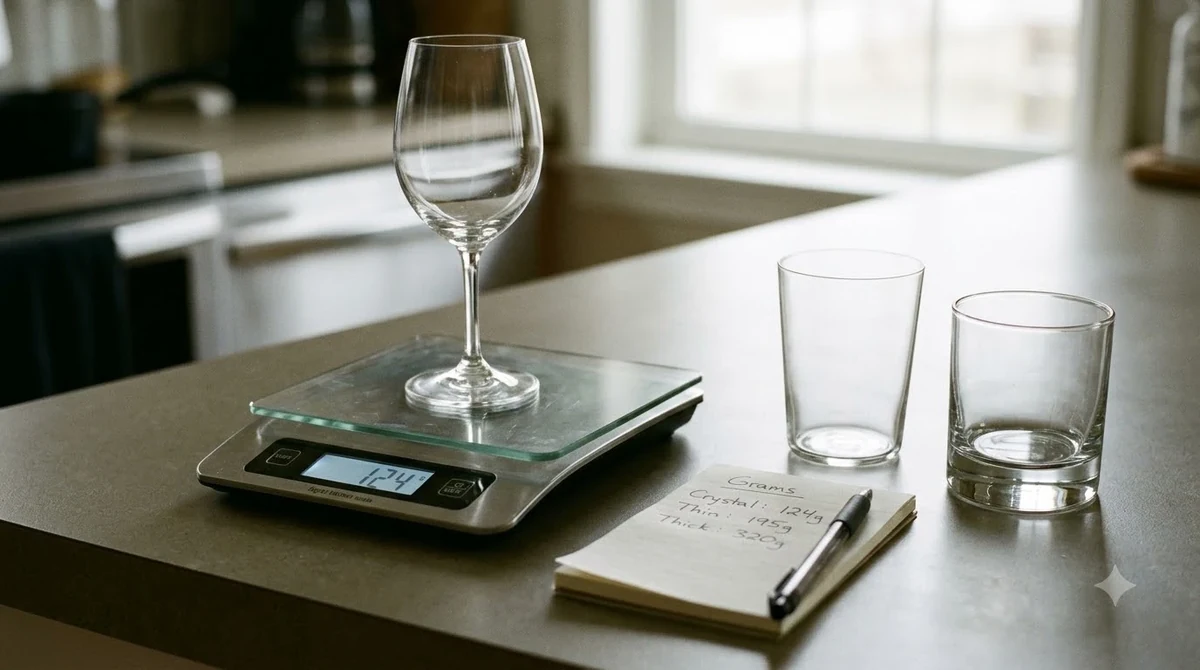
The older WA163 is a compact stainless steel accessory that sits in the neck of a wine bottle. Wine passes through its internal aeration chamber before leaving the spout, exposing the liquid to air as it is poured. This approach is useful when serving wine by the glass because the aeration happens during the normal pouring process rather than requiring an additional preparation step.
The newer US-listed 3-in-1 Pourer/Aerator/Stopper follows the same general idea. Le Creuset describes its design as a patented dual-aeration chamber that combines ventilation, pouring, and closure functions. Its listed dimensions are 1.1 inches long, 1.1 inches wide, and 4.4 inches high. The manufacturer identifies stainless steel construction and hand washing as the required cleaning method. Buyers can review the official Le Creuset 3-in-1 Pourer/Aerator/Stopper specifications before choosing a particular version.
| Specification | WA163 model | Current US 3-in-1 listing |
|---|---|---|
| Product design | Aerator, pourer, stopper | Aerator, pourer, stopper |
| Construction | Stainless steel | Stainless steel |
| Aeration system | Double-aeration chamber | Dual-aeration chamber |
| Dimensions | 2.9 × 2.9 × 11.2 cm | 1.1 × 1.1 × 4.4 inches |
| Cleaning | Hand wash | Hand wash |
| Primary use | Aerate while pouring and close bottle | Aerate while pouring and close bottle |
| Product quantity | Single accessory | One piece |
These measurements come from the respective Le Creuset product listings. The two product descriptions establish a similar purpose, but their specifications should not be treated as interchangeable. In particular, the WA163 dimensions belong to the older model, not automatically to every newer version carrying the same three functions.
The three functions are straightforward. First, the aeration chamber exposes wine to air as it passes through the accessory. Second, the pouring spout directs the stream into the glass. Third, the stopper mechanism closes the bottle when the wine is no longer being served. This combination reduces the number of separate accessories needed at a dinner table.
One detail deserves attention: aeration and preservation serve different purposes. The aerator introduces air while wine is being poured, whereas the stopper helps close the bottle afterward. Closing the bottle does not reverse oxidation or restore wine that has already lost freshness.
For buyers comparing the Le Creuset accessory with a conventional decanter, the main trade-off is time and control. A decanter allows a larger volume of wine to interact with air over a longer period. A bottle-neck aerator instead provides immediate, repeated aeration as individual glasses are poured.
What Owners Like About the Design
The strongest appeal of the Le Creuset wine aerator is its combination of three everyday functions in one small accessory. Its compact design, controlled pouring, and integrated stopper make it particularly convenient for households that serve wine a glass or two at a time.
The WA163’s double-aeration chamber is its most distinctive functional feature. According to Le Creuset, wine passes through the chamber while being poured, allowing air exposure without waiting for a full bottle to sit in a decanter. That can be useful with a young red wine that seems closed immediately after opening, especially when a quick serving is more important than a lengthy decanting process.
The stainless steel pouring edge is another practical detail. John Lewis describes the WA163 as having a controlled flow and a pouring edge intended to prevent drips. A well-directed stream can make serving easier, particularly when pouring into narrow wine glasses or when a bottle is being passed around a dining table.
Compatibility is also an important advantage. The WA163 product description and its instruction leaflet specify compatibility with both cork-sealed and screw-cap bottles. That makes the accessory more versatile than a stopper designed around just one closure style. It also means someone can use the same tool across different everyday wines rather than keeping separate equipment for screw-cap Sauvignon Blanc and cork-finished Cabernet Sauvignon.
The stopper function gives the product additional value. Instead of removing the aerator after every pour and finding another closure, the user can close the mechanism and keep the accessory in the bottle. The WA163 instructions describe opening and closing through a simple rotation of the upper section. Its low-profile design also allows refrigerator storage when closed.
Appearance is another consideration. Le Creuset’s stainless steel construction offers a restrained, polished look that suits formal table settings as well as casual meals. For someone purchasing a wine accessory as a gift, having a recognizable kitchen and dining brand attached to a useful three-function tool can make the product more appealing than a basic plastic pourer.
These advantages should be understood as design benefits rather than proof that every wine will taste dramatically different. Aeration can influence the way certain wines express their aromas and structure, but the result depends on the grape variety, wine age, production style, and serving conditions. A delicate older Pinot Noir may respond differently from a young, tannic Cabernet Sauvignon.
For a more complete understanding of aroma and flavor recognition, a structured tasting resource such as le nez du vin can complement an aerator. Learning to identify fruit, floral, spice, and oak aromas helps explain what changes in the glass rather than relying on the accessory alone.
Common Complaints and Practical Limitations
The main limitation of the Le Creuset wine aerator is that quick aeration is not the same as extended decanting. Its compact chamber provides air exposure during pouring, but it cannot offer the same preparation options as a full-size decanter.
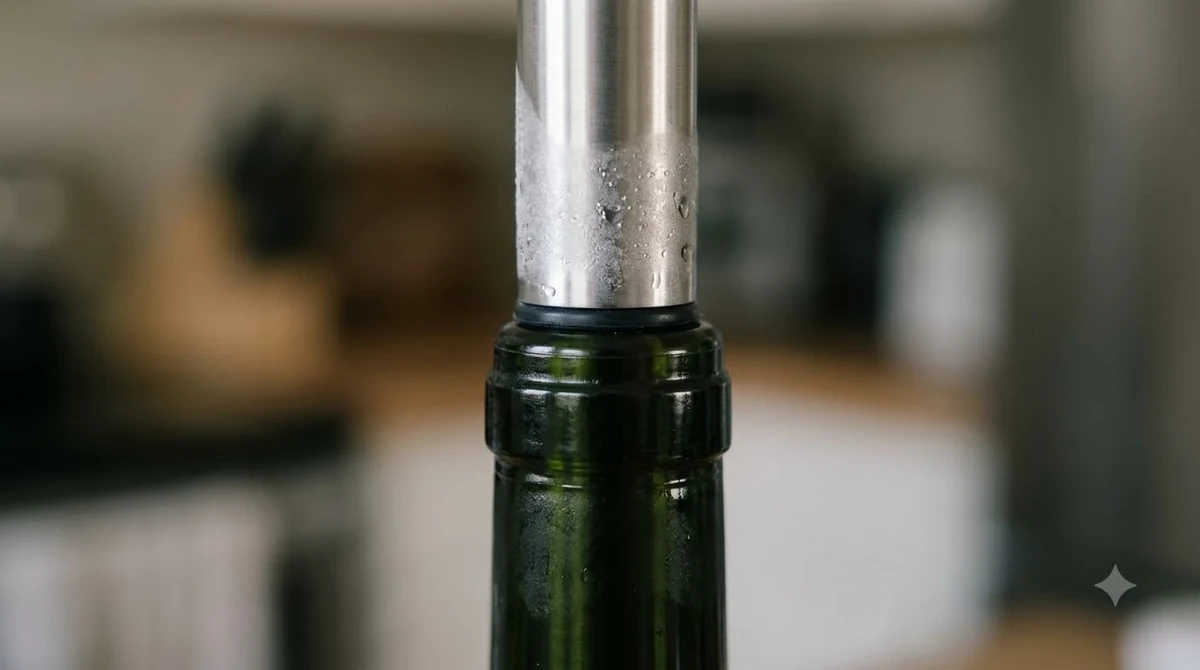
A bottle-neck aerator works with the wine passing through it at a particular moment. A decanter exposes a larger quantity of wine to air over time, and the wine can be left to rest before serving. For young, concentrated red wines with firm tannins, that longer process may be preferable. Someone opening a structured Bordeaux blend for a special dinner may want to decant the bottle 30 to 60 minutes before serving rather than depending exclusively on an aerator.
Another limitation is cleaning. Le Creuset specifies hand washing for both the newer US product and the WA163. This is less convenient than an accessory that can safely go into a dishwasher. Wine residue can remain inside small aeration passages, so rinsing the mechanism thoroughly is important. Simply wiping the outside is not enough to keep the internal wine-contact surfaces clean.
The internal chamber also creates more cleaning considerations than a basic pouring spout. Small openings and channels need adequate water flow to remove leftover wine. If residue dries inside the accessory, it may affect the cleanliness of a later pour or contribute unwanted odors.
Buyers should also avoid assuming that every Le Creuset aerator is the same product. The WA163 and the newer US-listed 3-in-1 accessory have similar descriptions, but the available product information does not establish that all model specifications, measurements, and mechanisms are identical. Checking the precise product listing before ordering is more reliable than relying on a generic product name.
There is also a practical limitation related to the wine itself. Aeration is not universally beneficial. Some delicate wines can lose their more subtle aromatic character with excessive exposure to oxygen. Older wines may also be fragile and need careful handling rather than aggressive ventilation. A compact aerator is therefore best regarded as a serving convenience, not a mandatory step for every bottle.
Finally, the stopper should not be mistaken for a long-term wine preservation system. It closes the bottle, but it does not remove oxygen from the remaining wine. Still wines generally retain their best opened-bottle character for approximately three to five days when refrigerated and properly closed, although the actual period varies by wine style and storage conditions.
For consumers who value dishwasher convenience, longer-term preservation, or more controlled aeration, a simpler accessory or a dedicated decanter may be a better match. The Le Creuset product makes the strongest case for people who prioritize a compact all-in-one design.
Who Should Buy the Le Creuset Wine Aerator?
The Le Creuset wine aerator makes the most sense for regular wine drinkers who want to improve the serving process without adding several pieces of equipment. It is particularly useful for households that open a bottle, pour a few glasses, and store the remainder for another occasion.
Someone who regularly drinks Cabernet Sauvignon, Syrah, or other structured reds may appreciate the ability to aerate wine as it is served. Cabernet Sauvignon typically has high tannin, while Syrah can have medium-plus to high tannin. Exposure to air can soften the impression of firmness in some wines and help their aromas become more expressive. The aerator offers a convenient starting point when there is no time to decant.
It is also suitable for casual hosts. During a dinner party, a bottle can be passed around and poured without a separate decanting station. The integrated stopper helps keep the accessory attached to the bottle between servings, reducing the number of small items that need to be stored or located.
People who appreciate compact, coordinated barware may also find the stainless steel design attractive. The combination of a pouring spout and stopper gives the product a clear everyday purpose, while the Le Creuset name may appeal to shoppers already familiar with the brand’s kitchen accessories.
Who should skip it?
People who mainly drink delicate older wines may prefer a traditional decanter or careful bottle service. Older Pinot Noir, for example, can be sensitive to excessive oxygen exposure. A gentle approach allows the wine to develop without automatically treating every bottle as though it needs aggressive aeration.
Buyers who want to prepare an entire bottle well before guests arrive should also consider a decanter. A dedicated vessel provides room for the full 750 ml bottle to rest and makes it easier to control the amount of air exposure. The aerator is more convenient for immediate service but offers less flexibility for advance preparation.
Someone who dislikes hand washing kitchen accessories may prefer another option. Both the current US listing and the WA163 instructions specify hand washing. That is a relevant ownership consideration for anyone who expects all barware to be dishwasher safe.
Finally, occasional wine drinkers who rarely open bottles may not need a specialized aerator at all. A simple pouring spout or conventional stopper may cover their requirements. The Le Creuset accessory earns its place through repeated use of its combined functions, not merely through its brand name.
How It Compares to Alternative Wine Aeration Methods
The Le Creuset wine aerator occupies a middle ground between a simple pouring spout and a dedicated decanter. Its appeal is immediate aeration with less preparation, while other methods offer different levels of control and convenience.
A traditional decanter is the most useful alternative for someone who wants to prepare a full bottle before serving. Its broad surface area exposes wine to air, and the container gives the wine time to develop. For a young full-bodied red, allowing approximately 30 to 60 minutes can be helpful. The Le Creuset aerator instead treats each pour as an opportunity for ventilation.
A basic wine pourer is another alternative. It can help direct wine into the glass and reduce drips, but it does not necessarily include an aeration chamber. It is suitable for drinkers who care more about controlled pouring than changing how wine interacts with air.
A standalone aerator offers a different arrangement. Some designs sit above the glass, while others attach to the bottle. These products may focus more directly on air introduction and may not include an integrated stopper. The Le Creuset accessory’s advantage is that it combines several jobs in one unit.
A decanter with aerator is another option for people who want a more involved serving setup. Some designs combine a pouring or aerating mechanism with a vessel for holding the wine. A decanter with aerator can be more suitable for hosting larger groups or preparing a full bottle ahead of time, although it requires more storage space and cleaning.
There is no universal winner between these methods. The right choice depends on how much wine is served at once, whether the bottle needs advance preparation, and how important easy cleanup is. The Le Creuset is strongest when immediate serving and a built-in closure matter more than full-bottle aeration.
The following comparison summarizes the main differences.
| Method | How it works | Best suited to | Main limitation |
|---|---|---|---|
| Le Creuset 3-in-1 aerator | Aerates during pouring | Everyday glass-by-glass service | Hand washing and limited control |
| Traditional decanter | Exposes a larger wine volume to air | Advance preparation and full bottles | Requires more storage and cleanup |
| Basic pourer | Directs the wine stream | Clean, controlled serving | No dedicated aeration chamber |
| Standalone aerator | Introduces air during dispensing | Quick aeration without a decanter | May require a separate stopper |
For consumers who want to explore other serving accessories, the Accessory Brands category provides another starting point for comparing wine-related equipment and choosing tools based on actual serving habits.
How to Use, Clean, and Store the Accessory
Correct use is straightforward, but the opening and closing mechanism should be operated properly. The WA163 instructions describe a secure bottle-neck fit, a rotating stopper, and a controlled pouring process.
- Prepare the bottle. Remove the cork or open the screw cap. Wipe away any loose residue around the bottle opening before inserting the accessory.
- Insert the aerator. Position the WA163 securely in the bottle neck. Its instructions specify compatibility with cork-sealed and screw-cap bottles.
- Open the stopper. Rotate the upper section counterclockwise until it reaches the fully extended position and clicks into place.
- Pour steadily. Tilt the bottle and allow the wine to pass through the aeration chamber and outer spout. Avoid sudden movements that can cause splashing.
- Close the mechanism. After serving, rotate the top clockwise until it clicks into the lower section.
- Clean after use. Follow the manufacturer’s hand-washing instructions and rinse the wine-contact passages thoroughly.
- Dry and store. Allow the accessory to dry before putting it away. The WA163 instructions specifically describe its low profile as suitable for refrigerator storage.
Tip: Test the aerator with a small pour before serving guests. This helps confirm that the accessory is seated correctly, the stopper is fully open, and the wine flows steadily without leaking around the bottle neck.
Cleaning deserves particular attention because wine contains pigments, tannins, and other compounds that can remain on surfaces after pouring. Red wines such as Cabernet Sauvignon and Syrah can leave visible residue if the accessory is not rinsed promptly. Cleaning soon after use is easier than allowing dried wine to accumulate inside the aeration chamber.
Use warm water and gentle cleaning methods appropriate for stainless steel. Avoid abrasive pads that can scratch polished surfaces. Because Le Creuset specifies hand washing, the accessory should not be placed in the dishwasher unless the instructions supplied with the particular product explicitly permit it.
Allow all internal passages to drain and dry. Storing the accessory while it remains wet can leave water inside small channels. Once dry, keep it somewhere clean and accessible with the other wine-serving tools.
When storing an opened bottle, remember that the stopper is a closure rather than a vacuum preservation system. Refrigeration is still useful for preserving opened wine, including red wine. Let chilled red wine warm toward its appropriate serving temperature before drinking: approximately 55 to 60 F for light reds and 60 to 65 F for full-bodied reds.
Frequently Asked Questions
Does the Le Creuset wine aerator work with sparkling wine?
The accessory is designed around ordinary still-wine pouring rather than preserving sparkling wine carbonation. Sparkling wine requires a pressure-retaining closure, and a regular aeration mechanism is not a substitute for a dedicated sparkling wine stopper. For Champagne or Prosecco, use equipment specifically designed for sparkling bottles.
Can the Le Creuset aerator be used with wine from a screw-cap bottle?
The WA163 instruction leaflet explicitly identifies both cork-sealed and screw-cap bottles as compatible. The important requirement is a secure fit in the bottle neck. Bottle-neck dimensions can vary, so a proper fit should be confirmed before pouring.
Does the Le Creuset aerator remove sediment from older red wine?
No. An aerator is not a sediment filter. Older red wines can develop deposits during bottle aging, and careful decanting can separate the clear wine from those deposits. Pouring slowly and leaving the sediment behind is more appropriate when serving a bottle with visible sediment.
Should white wine be passed through the Le Creuset aerator?
It can be used for still white wine if the bottle fit and serving method are appropriate, but most crisp whites do not need extensive aeration. Sauvignon Blanc and Riesling generally benefit from preserving their fresh acidity and aromatic character. A quick pour is often sufficient for everyday white-wine service.
Can the Le Creuset aerator be used to measure a standard wine serving?
No. It controls the wine stream but does not measure serving volume. A typical US wine serving is 5 ounces, and a standard 750 ml bottle provides approximately five such glasses. Measuring pours separately is useful when consistent serving sizes matter.
The Le Creuset wine aerator is a sensible choice for drinkers who value convenient aeration, controlled pouring, and bottle closure in one compact stainless steel accessory. Its limitations are equally clear: hand washing is required, and its quick-pour design cannot replace the flexibility of a traditional decanter. For regular wine service, that balance of convenience and functionality makes it a worthwhile accessory to consider.
More in Wine Accessories
 Coravin Vs Vacu Vin: Choose the Right Wine Saver for Your BottlesUpdated Nov 21, 2026
 Zwilling Wine Stopper Review: Preserve Open Bottles LongerUpdated Nov 21, 2026
 Wine Enthusiast Wine Preserver Review: Features, Benefits and LimitationsUpdated Nov 21, 2026
 Wine Enthusiast Wine Stopper: An Easier Way to Reseal Open BottlesUpdated Nov 21, 2026
 Vintorio Wine Opener: Two-Step Cork RemovalUpdated Nov 21, 2026
 Zwilling Wine Aerator Review: Aerate, Pour, and Seal With One ToolUpdated Nov 21, 2026