

We may earn a commission when you buy through links on this page, at no extra cost to you. Learn more.
The best lake chelan wineries include Karma Vineyards, Siren Song Winery, Benson Vineyards, Hard Row to Hoe Vineyards, Amos Rome Vineyards, and Wapato Point Cellars for distinctive Washington wines, scenic tasting experiences, and convenient access to Lake Chelan. The right choice depends on whether you prefer sparkling wine, expressive reds, relaxed tasting rooms, vineyard scenery, or food alongside your wine. Four main wine districts make it possible to organize a visit around the North Shore, South Shore, Downtown Chelan, and Downtown Manson rather than spending the entire day driving.
Lake Chelan is one of Washington’s more distinctive wine destinations, combining a relatively cool growing environment with a sunny eastern Washington climate and a spectacular lakeside setting. Its wineries offer opportunities to explore Syrah, Pinot Noir, Chardonnay, Riesling, and other varieties while enjoying vineyard views, restaurants, and small-town tasting rooms. A little planning helps visitors choose wineries that match their preferences instead of trying to visit every tasting room in one afternoon.
Who This Is For: Choosing the Right Lake Chelan Winery
Lake Chelan is particularly appealing to visitors who want wine tasting to be part of a broader getaway. Its wineries range from established estate properties to smaller tasting rooms, and the four wine districts provide different experiences for couples, groups, food-focused travelers, and serious wine enthusiasts.
First-time visitors should consider Benson Vineyards for its family-owned winery setting and panoramic lake views. Its North Shore location in Manson makes it a useful starting point for travelers who want a vineyard-focused experience rather than a downtown tasting room. Visitors can combine a vineyard visit with other nearby Manson destinations without immediately crossing to the opposite side of the lake.
Karma Vineyards is a particularly interesting option for sparkling-wine enthusiasts. Its South Shore location makes it a natural consideration for a route through the Chelan side of the wine valley. Visitors who enjoy traditional-method sparkling wine or want something different from the region’s still reds should consider including it in their itinerary.
For travelers who prioritize food and activities, Siren Song Winery and Restaurant deserves attention. Its combination of wine tasting and dining makes it a broader hospitality destination. It is particularly suitable for visitors who want to spend more time at one property rather than moving between several tasting rooms. Confirm current food service and event arrangements before making it the centerpiece of a visit.
Wine enthusiasts interested in the region’s individual producers should also consider Amos Rome Vineyards, Hard Row to Hoe Vineyards, and Wapato Point Cellars. These wineries offer different reasons to visit, from exploring local vineyard character to experiencing a distinctive winery identity and a welcoming tasting-room environment.
Not every traveler needs the same itinerary. A couple planning a relaxed weekend might choose two estate wineries, while a group staying in downtown Chelan may prefer several convenient tasting-room stops. Visitors interested in wine education should prioritize the wines themselves and ask about grape varieties, vineyard sources, fermentation, and aging rather than simply counting the number of tastings completed.
The same approach works for wine shopping at home. If a tasting inspires you to explore additional bottles, the site’s wine-buying resources can help explain grape varieties, labels, and how to choose bottles according to taste and occasion. Travelers comparing different American wine destinations can also explore the best Seneca Lake wineries for another lake-centered wine region in New York.
Key Factors to Compare Before Visiting
The most useful way to compare Lake Chelan wineries is by tasting experience, wine selection, location, and available food or outdoor amenities. The four established touring districts help visitors narrow their choices, while the region’s leading grapes provide a practical starting point for selecting tasting flights.
| Winery or district | Location | Best reason to visit | What to consider |
|---|---|---|---|
| Karma Vineyards | South Shore, Chelan | Sparkling wine | Specialist choice for sparkling-wine enthusiasts |
| Benson Vineyards | North Shore, Manson | Vineyard setting and panoramic views | Estate-style tasting experience |
| Siren Song Winery | South Shore, Chelan | Wine and dining | Suitable for a longer visit |
| Hard Row to Hoe Vineyards | North Shore, Manson | Distinctive historical character | Good for visitors seeking something different |
| Amos Rome Vineyards | North Shore, Manson | Local vineyard character | Useful for exploring regional wines |
| Wapato Point Cellars | Downtown Manson | Variety and welcoming tasting room | Convenient for a Manson itinerary |
| Rocky Pond Estate Winery | Downtown Chelan | Downtown tasting-room visit | Useful for a town-centered itinerary |
These distinctions matter because a scenic estate and an urban tasting room do not necessarily provide the same experience. A winery with food service may be a better destination for a leisurely afternoon, whereas a downtown location may be more convenient for someone planning to visit several businesses without repeatedly changing parking locations.
Wine selection deserves equal consideration. The Lake Chelan AVA’s leading varieties include Syrah, Pinot Noir, Chardonnay, Pinot Gris, Merlot, and Riesling. Visitors who usually drink full-bodied reds should seek Syrah and Merlot flights, while people who favor aromatic whites can begin with Riesling and Pinot Gris.
Location should influence the final decision. A winery on the North Shore may be relatively convenient to another Manson-area destination but less convenient to a South Shore stop than its distance on a map initially suggests. Lake roads, parking, seasonal traffic, and the time spent enjoying each tasting all affect a realistic itinerary.
Other practical considerations include reservations, outdoor seating, food availability, accessibility, and the winery’s current opening schedule. Some tasting rooms may operate differently during winter, harvest periods, holidays, or special events. Confirming those details before setting out is more useful than relying on an old itinerary.
Visitors who enjoy comparing wine regions can also look at the best Niagara-on-the-Lake wineries. That Ontario destination offers another useful point of comparison for travelers interested in cool-climate wines, regional specialties, and tasting-room experiences near a lake.
Step-by-Step: How to Plan a Lake Chelan Wine-Tasting Trip
A successful tasting trip starts with a manageable geographic route and a clear idea of what you want to drink. Planning around two to four wineries, allowing time for food, and arranging transportation before the first tasting makes the experience more enjoyable.
-
Choose your primary wine interest.
Begin by deciding whether the trip is mainly about sparkling wine, red varieties, white wines, or vineyard experiences. Karma Vineyards is an obvious starting point for sparkling-wine fans, while Benson Vineyards and Amos Rome Vineyards are useful considerations for visitors interested in estate and regional character.
-
Select one main district.
Use the four-district structure: North Shore, Downtown Chelan, South Shore, or Downtown Manson. If you have only one afternoon, choosing a single district can save considerable driving time. Manson visitors can look at Hard Row to Hoe, Benson Vineyards, and Amos Rome Vineyards, while South Shore visitors can consider Karma Vineyards and Siren Song Winery.
-
Choose two or three wineries that offer different experiences.
A balanced itinerary might combine an estate tasting with a food-focused destination and a more informal tasting room. For example, Benson Vineyards offers a vineyard-oriented experience, while Siren Song combines wine and dining. Avoid selecting several destinations simply because their names appear close together on a map.
-
Check reservations and operating hours.
Contact each winery to confirm tasting availability, reservation requirements, group policies, food service, and seasonal schedules. Ask whether a tasting flight requires an appointment and whether the winery accommodates larger parties. This is especially important for weekends, holiday periods, and organized group visits.
-
Arrange transportation.
Choose a designated driver or a professional transportation service before the trip. Tasting rooms are spread around the lake, and a convenient geographic route does not eliminate the need for safe transportation. Never plan to drive after drinking.
-
Start with lighter wines and move toward fuller styles.
When possible, taste sparkling wine and lighter whites before richer whites and reds. Finish with fuller-bodied Syrah or other more structured red wines. This progression helps keep stronger tannins and richer flavors from overwhelming delicate wines earlier in the flight.
-
Take useful tasting notes.
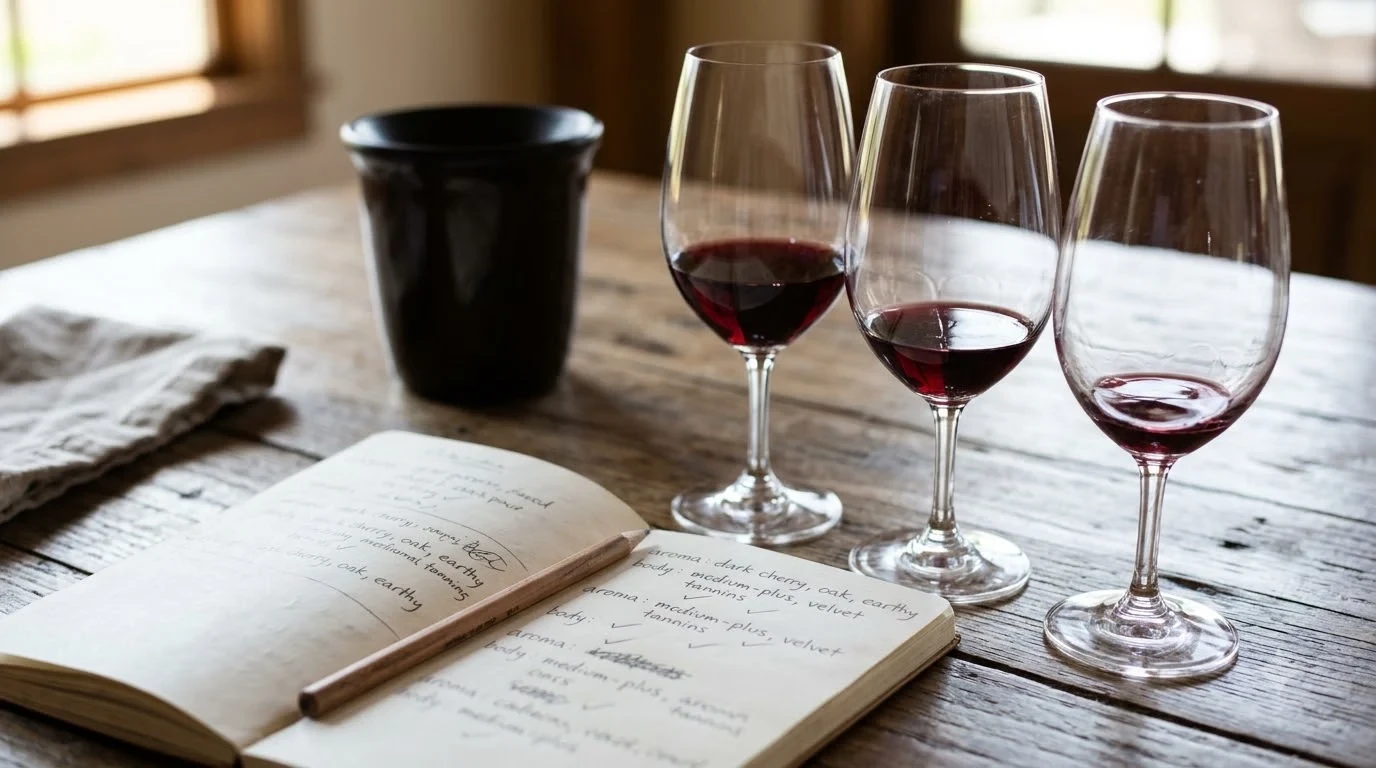
Record the producer, grape variety, vintage, acidity, body, tannin, and the flavors you notice. Write down which wines you would actually purchase. A short note about whether you prefer a fresh Pinot Noir or a more structured Syrah will be more useful later than a general description such as delicious.
-
Finish with food and a relaxed schedule.
Leave room for a meal or a substantial snack between tastings. Siren Song is worth considering for its dining offering, while other wineries may have different food arrangements. Allow time for scenic stops without making the entire trip dependent on a tightly packed schedule.
A practical first-day plan could begin with a North Shore vineyard visit, continue with another Manson-area producer, and finish with a meal. A separate day could focus on South Shore destinations. This arrangement gives visitors more time to appreciate each property and makes it easier to compare the wines without rushing.
Tip: Plan around three tasting destinations rather than trying to visit six or seven in one day. Allow approximately 60 to 90 minutes for a relaxed winery stop, plus travel and meal breaks. Actual tasting durations vary by winery and reservation format.
Types or Styles Explained: What to Taste in Lake Chelan
Lake Chelan is not limited to one signature grape or wine style. Its northern position within the Columbia Valley, lake-moderated temperatures, and distinctive soils support a range of white and red varieties, giving visitors several different directions to explore.
Syrah is one of the leading red varieties identified by the Washington State Wine Commission. It is generally a fuller-bodied wine with medium-plus to high tannin, depending on production and style. Look for dark-fruit flavors, savory notes, and enough structure to pair with grilled beef, lamb, or roasted mushrooms.
Pinot Noir provides a contrasting red-wine experience. It generally has low-to-medium tannin and relatively high acidity, making it useful for visitors who enjoy lighter reds with red-fruit character. It can work well with roast chicken, salmon, mushroom dishes, and moderately rich foods. For serving, a light Pinot Noir is often most enjoyable around 55 to 60 degrees Fahrenheit.
Merlot offers a softer alternative to Cabernet Sauvignon. Its medium tannin and generally approachable structure can suit people who want red wine without the firm grip of a highly tannic Cabernet. It is a useful choice with grilled poultry, burgers, and dishes containing moderate fat.
Chardonnay deserves attention from white-wine drinkers. Its acidity is generally medium, and its character can vary depending on whether the wine is made in a crisp, restrained style or receives oak treatment and malolactic fermentation. Serve fuller-bodied Chardonnay around 50 to 55 degrees Fahrenheit rather than extremely cold.
Pinot Gris and Riesling are useful starting points for visitors who prefer aromatic or refreshing white wines. Pinot Gris can provide pear, citrus, and orchard-fruit character. Riesling generally has high acidity and can range from dry to sweet, making it important to distinguish the sweetness level before ordering a flight.
Food pairing can make these differences easier to understand. Higher-acid Riesling and Pinot Gris can complement acidic foods, while the tannin in Syrah and Merlot becomes less prominent alongside salty or fatty dishes. Chili heat, however, can become more noticeable with wines high in alcohol or tannin, so a fruitier, lower-tannin selection may work better with spicy food.
Understanding the Lake Chelan growing environment
The geography helps explain why the region offers a different experience from some warmer Washington wine districts. According to the Washington State Wine Commission, the Lake Chelan AVA sits at approximately 1,100 feet above sea level and has granitic bedrock rather than the basalt common across much of the Columbia Valley. The commission’s Lake Chelan AVA regional profile also describes the influence of glacial sediments, volcanic ash, and pumice on the local growing environment.
The lake moderates temperatures, creating cooler summer days and warmer summer nights relative to surrounding areas. These conditions help support varieties associated with cooler climates, including Pinot Noir and Chardonnay. The region receives approximately 11 inches of average annual precipitation, according to the Washington State Wine Commission.
Visitors interested in terroir should ask wineries about vineyard elevation, grape sources, harvest decisions, fermentation vessels, and oak use. Comparing two Pinot Noir wines or two Chardonnays can reveal how winemaking choices affect the finished wine even when the grapes come from the same general appellation.
It is also useful to distinguish the Lake Chelan AVA from the larger Columbia Valley AVA. Lake Chelan is a sub-appellation within Columbia Valley, not a completely separate Washington wine region. Understanding that relationship makes it easier to interpret regional labels and compare local bottles with wines from elsewhere in Washington.
Common Mistakes When Visiting Lake Chelan Wineries
The biggest planning mistakes involve trying to cover too much territory, overlooking reservation requirements, and choosing wineries without considering the type of experience they offer. A thoughtful itinerary of three destinations can provide more value than a hurried tour of six tasting rooms.
Trying to visit every major winery in one day is a common mistake. The wine valley includes four distinct districts, and the lake’s geography makes it important to consider the route rather than just the number of businesses. Spending 60 to 90 minutes at each winery, followed by driving and meal breaks, can quickly fill an afternoon.
Ignoring the difference between estate wineries and downtown tasting rooms can also create disappointment. Visitors expecting extensive vineyard scenery may prefer Benson Vineyards or another estate-oriented property, while someone staying in downtown Chelan may value the convenience of Rocky Pond Estate Winery’s downtown location or Sigillo Cellars.
Assuming every winery offers the same wines is another missed opportunity. The AVA has several leading varieties, and individual producers have different selections and winemaking approaches. A tasting flight centered on Syrah may be very different from one focused on sparkling wine, Riesling, or Pinot Noir.
Failing to confirm food availability can make a full-day wine trip uncomfortable. Not every tasting room operates as a restaurant, and food service may vary by season or day of the week. Siren Song has a documented dining offering, but visitors should verify menus and service times before relying on any particular stop for lunch.
Overlooking transportation is a more serious mistake. Winery visits should be organized around a designated driver, hired transportation, or another safe travel arrangement. A scenic drive around Lake Chelan is not an appropriate reason to take chances after drinking.
Ordering without considering wine style can also lead to poor purchasing decisions. Someone who prefers lighter reds may not enjoy a high-tannin Syrah simply because it is a regional specialty. Similarly, visitors who expect sweet Riesling may be surprised by a dry example. Ask about sweetness, body, acidity, and tannin before choosing a bottle.
Finally, avoid buying several bottles before identifying your preferences. Taste different varieties, make notes, and choose wines that suit your palate and intended meals. The best souvenir is a bottle you genuinely want to open at home, not one purchased because the winery was the final stop on the itinerary.
Care and Storage Tips for Wine Purchased in Lake Chelan
Proper storage preserves the wine’s character after a tasting trip. Keep bottles away from direct sunlight and large temperature fluctuations, store cork-finished bottles on their sides, and avoid leaving wine in a hot vehicle during summer travel.
A storage temperature near 55 degrees Fahrenheit is a useful general target for bottles intended for longer keeping. A consistent environment matters more than repeatedly moving bottles between warm and cold locations. If a dedicated wine refrigerator is unavailable, choose a cool, dark place away from kitchen appliances, heating equipment, and windows.
Serving temperature also affects the way a wine tastes. Sparkling wines generally show well around 40 to 50 degrees Fahrenheit, while light whites and rosé are usually served around 45 to 50 degrees. Fuller-bodied whites such as Chardonnay often benefit from 50 to 55 degrees.
For red wines, lighter styles such as Pinot Noir can be served around 55 to 60 degrees Fahrenheit. Fuller-bodied reds, including Syrah and Merlot, are generally more enjoyable around 60 to 65 degrees. Serving a red wine too warm can make alcohol seem more prominent, while excessive chilling can suppress aromas and make tannins seem firmer.
Opened bottles require different handling. Refrigerated sparkling wine generally remains enjoyable for approximately one to three days, while opened still wines typically last around three to five days, depending on the wine, storage conditions, and exposure to oxygen. Use an appropriate sparkling-wine stopper to help preserve bubbles.
For a young, full-bodied red, decanting for approximately 30 to 60 minutes may help the wine open up. This can be particularly useful with a structured Syrah, although not every bottle needs decanting. Lighter Pinot Noir may require less aeration, and older wines should be handled more carefully because prolonged oxygen exposure can reduce freshness.
When transporting purchases from a Lake Chelan tasting room, keep the bottles shaded and avoid leaving them in a parked car. For longer journeys, insulated wine carriers provide additional protection against temperature changes. If you are flying, follow the airline’s current baggage rules and use suitable protective packaging.
These practices are particularly important when purchasing several different styles during a weekend trip. A crisp white, a sparkling wine, and a structured red do not need identical serving temperatures, but all benefit from stable storage and careful handling.
Frequently Asked Questions
Is Lake Chelan part of the Columbia Valley AVA?
Yes. Lake Chelan is a sub-appellation of the larger Columbia Valley AVA in Washington. Its separate designation recognizes distinctive geographic and growing conditions, including granitic bedrock and lake-moderated temperatures. This means a Lake Chelan wine can also be understood within the broader Columbia Valley wine-growing region.
How deep is Lake Chelan?
The Washington State Wine Commission describes Lake Chelan as reaching approximately 1,486 feet at its deepest point. It is also approximately 50.5 miles long and averages about one mile in width. Those geographic characteristics help explain the lake’s importance to the surrounding landscape and climate.
When were the first modern vinifera vines planted in Lake Chelan?
The region’s first modern-day vinifera plantings began in 1998. That makes Lake Chelan a relatively young modern wine-growing area compared with several longer-established European wine regions. Its AVA designation followed in 2009.
How much rain does the Lake Chelan AVA receive annually?
The Washington State Wine Commission reports average annual precipitation of approximately 11 inches. This relatively dry environment is an important part of the region’s growing conditions. Vineyard irrigation and site management remain important considerations for grape production.
Can visitors explore Lake Chelan wineries throughout the year?
Lake Chelan offers wine and tourism experiences beyond the traditional summer vacation season, but individual tasting rooms can change their schedules during winter and special-event periods. The Lake Chelan Wine Valley promotes activities throughout the year, including wine events and seasonal experiences. Visitors should confirm individual winery schedules and reservations before traveling.
The best lake chelan wineries offer more than attractive tasting rooms: they provide an opportunity to understand a distinctive Washington wine region through its sparkling wines, aromatic whites, structured reds, and vineyard settings. Start with two or three destinations that match your preferences, organize your route around one district, and leave enough time to enjoy the wines and scenery. Whether you choose Karma Vineyards for sparkling wine, Benson Vineyards for its vineyard setting, or Siren Song for wine and dining, a carefully planned visit makes Lake Chelan an especially rewarding wine destination.
More in Wine Buying Guides
 Cheap Red Blend: How to Find a Flavorful Bottle for LessUpdated Nov 20, 2026
 Pinot Grigio Gift: How to Choose a Bottle They’ll EnjoyUpdated Nov 20, 2026
 Best White Wine at Total Wine for Every MealUpdated Nov 20, 2026
 Wine Fridge Replacement Shelves: Find the Right FitUpdated Nov 20, 2026
 Best Sparkling Wine Under 20: Find Bubbles Worth BuyingUpdated Nov 20, 2026
 Best Wine For Birthday Celebrations With Perfect Party PairingsUpdated Nov 20, 2026