

We may earn a commission when you buy through links on this page, at no extra cost to you. Learn more.
Kosher wine alcohol content typically ranges from 10% to 15% ABV for conventional dry wines, although sweet kosher wines can contain considerably less alcohol and fortified styles can reach 20% or more. Kosher certification does not determine a wine’s strength, sweetness, or grape variety. The actual alcohol percentage depends on fermentation, grape sugar, winemaking decisions, and whether the producer makes a still, sparkling, sweet, or fortified wine.
Kosher wine covers a much wider selection than the sweet Concord bottles traditionally associated with Jewish holidays and family celebrations. Today’s choices include dry Cabernet Sauvignon, fruity Muscat, crisp white wines, rosé, and fortified wines. Understanding alcohol by volume (ABV) helps you choose a bottle that suits your meal, occasion, and preferred drinking style without confusing kosher certification with alcohol strength.
Typical Alcohol Content in Kosher Wine
Most conventional kosher dry wines contain approximately 10% to 15% alcohol by volume, the same general range found in comparable non-kosher wines. Sweet and semi-sweet kosher wines frequently fall below that range, while fortified examples can reach approximately 20% ABV or higher.
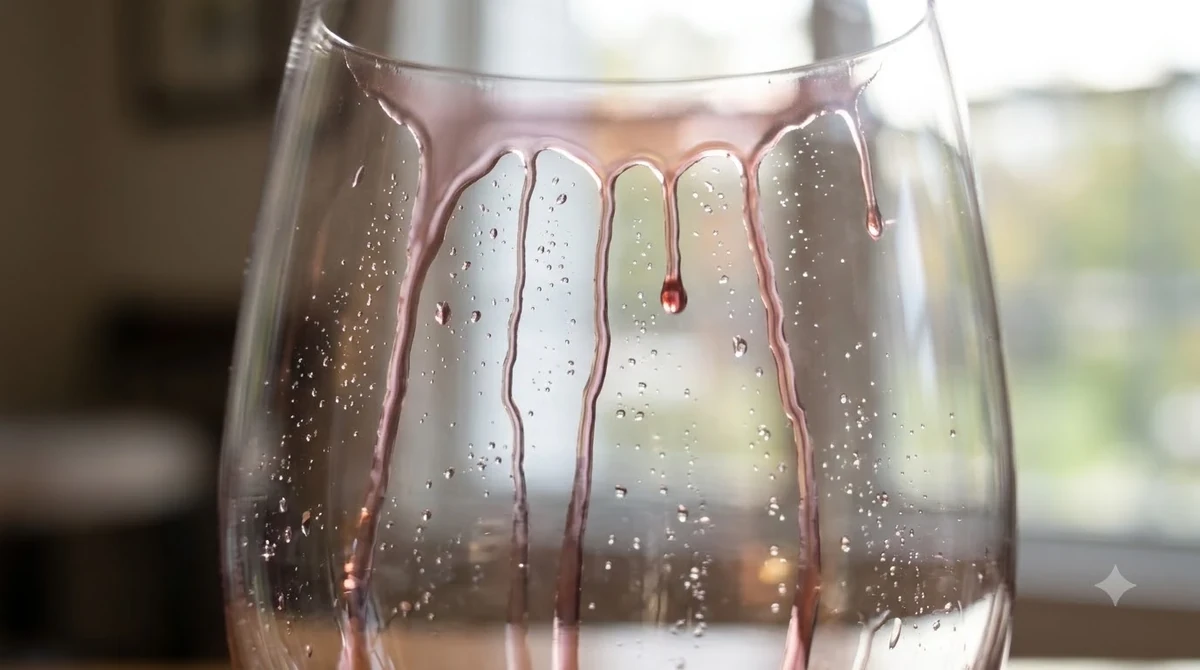
According to Rabbi Nachum Rabinowitz, Senior OU Rabbinic Coordinator, ordinary wine fermentation typically reaches between 10% and 15% ABV. Yeast converts the natural sugar in grape juice into alcohol, but rising alcohol levels eventually inhibit the yeast responsible for fermentation. Some particularly resilient yeast strains can continue working until approximately 17% or 18% ABV. The OU’s explanation of wine fermentation and kosher production provides additional detail about these processes.
This fermentation limit explains why most table wines fall within a relatively familiar alcohol range. A kosher Cabernet Sauvignon at 12% ABV is not inherently weaker or stronger because it carries kosher certification. It follows the same basic fermentation principles as a conventional Cabernet Sauvignon produced under different certification requirements.
Understanding the main ABV ranges
These ranges provide a useful starting point when comparing bottles. They are general style guidelines rather than mandatory limits imposed by kosher law.
- 4% to 7% ABV: Some light, sweet, and lower-alcohol kosher table wines.
- 8% to 10% ABV: Many fruity, semi-sweet, and sweet wines.
- 10% to 13% ABV: Common territory for many traditional dry table wines.
- 13% to 15% ABV: Full-bodied dry reds and some concentrated white wines.
- 15% to 18% ABV: Higher-alcohol wines that approach the upper range of ordinary fermentation.
- 19% to 22% ABV: Some fortified or port-style wines.
These categories overlap because grape variety, climate, ripeness, fermentation choices, and production methods all influence the finished wine. A dry red wine can have less alcohol than a sweet white wine, and a sweet fortified wine can be substantially stronger than either. The word kosher does not establish which category a bottle belongs to.
For a practical comparison, a 750 ml bottle containing 12% ABV has approximately 90 ml of pure alcohol. A bottle at 15% ABV contains approximately 112.5 ml. The difference is meaningful even though both wines occupy the conventional table-wine category.
How Sweetness and Wine Style Affect ABV
Sweetness and alcohol are related through fermentation, but they are not interchangeable measurements. Many sweet kosher wines have lower alcohol because fermentation is stopped before all the grape sugar becomes alcohol, while other sweet wines retain sweetness through different production methods.
Joseph Zakon Winery provides useful real-world examples across several wine styles. Its published lineup includes a 7% ABV Concord wine, a 9% ABV semi-sweet Concord wine, a 9% ABV Niagara Blanc, and a 12% ABV dry Cabernet Sauvignon. These examples show why choosing kosher wine by sweetness alone does not reliably predict its strength.
| Wine example | Style | Listed ABV |
|---|---|---|
| Farbrengen Melody | Sweet red blend | 4% |
| Muscatini Red | Sweet Muscat blend | 6.5% |
| Kesser Concord | Sweet red Concord | 7% |
| Seven Seventy | Semi-sweet Concord | 9% |
| Niagara Blanc | Sweet white wine | 9% |
| Kesser Cabernet Sauvignon | Dry red wine | 12% |
| Petite Sirah | Semi-dry red wine | 13% |
| Farbrengen Shtark | Sweet port-style red | 20% |
These are individual producer specifications, not universal alcohol standards for the wine categories. They demonstrate how much variation can exist within one kosher producer’s portfolio. The 4% Melody and 20% Shtark examples are particularly useful reminders that the term kosher does not describe a single alcohol level.
Sweet wines and residual sugar
Residual sugar is the natural grape sugar remaining after fermentation. When fermentation stops early, some sugar remains unconverted, producing a wine that can be both sweet and relatively low in alcohol. This is one reason traditional sweet Concord wines frequently have less alcohol than dry Cabernet Sauvignon.
However, sweetness does not guarantee low ABV. A producer can make a sweet wine with relatively high alcohol through different fermentation and fortification techniques. Port-style kosher wines are a good example. Joseph Zakon Winery lists Shtark, a sweet Chambourcin-based port-style wine, at 20% ABV.
Dryness also does not automatically mean high alcohol. A wine can finish dry at 11% ABV if fermentation converts most of its available sugar without producing a particularly high alcohol concentration. A dry wine at 14% ABV can have a fuller, warmer impression while containing little residual sugar.
If sweetness is your main preference, compare both the residual sugar information and ABV rather than relying on descriptions such as sweet, semi-sweet, semi-dry, or dessert wine. These terms describe different aspects of the finished wine.
What Determines Alcohol Levels During Winemaking?
The alcohol content of kosher wine is determined primarily by the amount of fermentable sugar in the grapes and how far fermentation proceeds. Climate, grape ripeness, yeast selection, and the winemaker’s decisions all influence the final percentage.
Winemaking begins with harvesting and crushing grapes. Yeast then converts the sugars in the juice into ethanol and carbon dioxide. The process continues until the yeast becomes inactive, the winemaker deliberately stops fermentation, or another production decision determines that the desired balance has been achieved.
Ripe grapes generally contain more sugar than less-ripe grapes, giving yeast more material to convert into alcohol. This is one reason warmer growing conditions can contribute to wines with higher potential alcohol, although vineyard practices, grape variety, harvest timing, and regional climate all affect the result.
Fermentation and alcohol production
Yeast is central to determining wine strength. As fermentation proceeds, sugar decreases and alcohol increases. Once the environment contains too much alcohol for the yeast to survive or remain active, fermentation slows and eventually stops.
According to the OU’s explanation of winemaking, ordinary fermentation commonly reaches 10% to 15% ABV. Certain resilient yeast strains can reach approximately 17% to 18%. These figures describe typical fermentation behavior rather than a fixed legal maximum for every wine.
To produce a lower-alcohol sweet wine, a winemaker may stop fermentation before the yeast converts all available sugar. The resulting wine retains more sweetness while developing less alcohol. This approach helps explain why some kosher Muscat and Concord wines are considerably lighter than conventional dry reds.
Grape variety and growing conditions
Different grape varieties have different ripening characteristics, flavor profiles, and typical sugar concentrations. Concord grapes, for example, are frequently used for sweet American-style kosher wines. Cabernet Sauvignon, Merlot, Petite Sirah, and other traditional wine grapes are also used to produce kosher wines with familiar dry red wine characteristics.
The producer’s published lineup illustrates this range. Its Concord grape wine is listed at 7% ABV, while its dry Cabernet Sauvignon is listed at 12%. Its Petite Sirah reaches 13% ABV despite being described as semi-dry with a soft, sweet finish.
Growing conditions also matter. Grapes harvested after a longer ripening period can accumulate additional sugar, potentially producing higher alcohol if fermentation proceeds fully. Cooler growing conditions and earlier harvesting may result in lower potential alcohol, although the final outcome depends on the grape variety and production choices.
Fortification and concentrated wine styles
Fortification is another important reason some kosher wines exceed the usual table-wine range. In fortified winemaking, a distilled spirit is added to the wine, increasing its final alcohol concentration. Depending on the production method, this addition can also preserve sweetness by interrupting fermentation.
Port-style wines are familiar examples of this approach. A kosher fortified wine can reach approximately 18% to 20% ABV or higher, making it considerably stronger than an ordinary 12% table wine. For more comparisons, see our explanations of Marsala alcohol content and tawny Port alcohol content.
The important distinction is that fortification is a winemaking decision, not a kosher requirement. A kosher fortified wine must still meet the relevant kosher production and ingredient requirements, but its higher alcohol comes from its production style rather than its religious certification.
Does Mevushal Wine Have Different Alcohol Content?
Mevushal wine is wine that has been cooked or heated according to applicable Jewish legal standards, allowing it to be handled by people who would otherwise be restricted from handling non-mevushal wine. This designation does not establish a particular ABV, and mevushal wine is not automatically stronger, weaker, sweeter, or drier than non-mevushal wine.
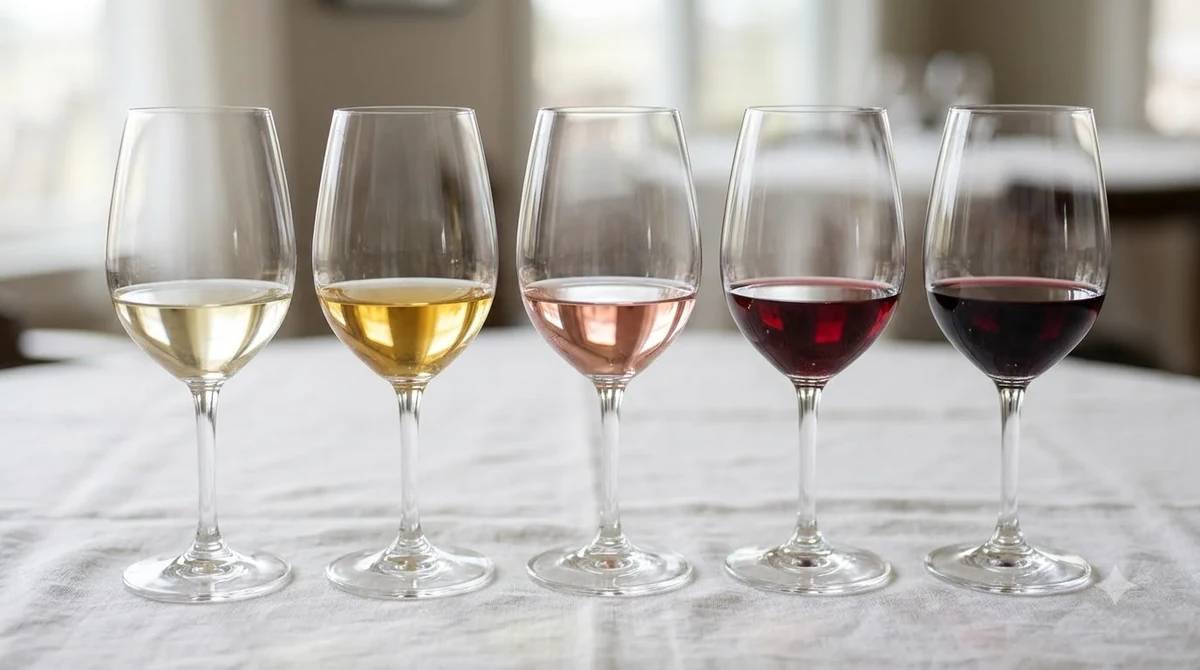
The Hebrew term mevushal means cooked. Chabad explains that kosher wine that has been boiled before bottling is called yayin mevushal. The cooking process changes the wine’s status under Jewish law, allowing it to be handled by non-Jews while retaining its kosher status. This distinction is particularly useful in restaurants, catering operations, and communal events where different people may serve the wine.
Non-mevushal wine is also fully capable of being kosher. The difference concerns handling rather than alcohol production. A bottle of non-mevushal Cabernet Sauvignon can contain exactly the same ABV as a mevushal version produced from the same grape variety.
Mevushal and pasteurization
Modern producers may use heating techniques such as pasteurization to satisfy applicable mevushal requirements. The precise temperatures and processes recognized by different Jewish legal authorities are not identical. The cRc discusses opinions that recognize 175°F, while other positions identify higher temperatures of 190°F or 212°F.
The OU also discusses a related label designation, mifustar, meaning pasteurized. Some authorities question whether every form of pasteurization qualifies as mevushal. Consequently, a bottle marked mifustar may be treated differently by consumers who follow stricter interpretations of the relevant rules.
These distinctions concern kosher handling requirements, not a wine’s alcohol percentage. Heating wine does not mean that the producer has added alcohol, fortified the wine, or deliberately increased its strength. The production method and the ABV are separate characteristics.
Choosing between mevushal and non-mevushal
For a private meal, the choice between mevushal and non-mevushal wine may depend on personal religious practice and the preferences of the people attending. At a catered event, restaurant, or wedding, mevushal wine is often a practical choice because it simplifies serving arrangements.
Look for a reliable kosher certification symbol as well as the relevant mevushal designation. A mevushal marking does not replace kosher certification. Chabad emphasizes that cooked wine must still carry reliable supervision, just like other kosher wines.
For non-mevushal bottles, appropriate handling after opening is important. The cRc explains that wine’s special handling rules are rooted in Jewish law concerning wine touched or moved by people outside the relevant religious requirements. Its explanation of kosher wine and mevushal requirements discusses the different accepted temperatures and pasteurization opinions. If the wine is intended for a shared event, the serving arrangements should be confirmed with the supervising kosher authority rather than assuming all certified bottles have identical handling rules.
How to Read a Kosher Wine Label and Compare ABV
The quickest way to determine the strength of kosher wine is to find the alcohol-by-volume percentage printed on the bottle. The ABV figure is a numerical measurement of the alcohol in the finished wine, while kosher certification and mevushal markings communicate different production and handling information.
On a US wine bottle, the alcohol percentage is commonly printed near the bottom of the front label or on the back label. You may see wording such as 12% alc./vol., 12% alcohol by volume, or simply 12% ABV. Each indicates the same basic measurement.
Three pieces of information to check
- ABV: This identifies the percentage of alcohol in the wine. Compare 7%, 12%, and 15% bottles to understand the difference in strength.
- Kosher certification: Look for a recognized hechsher or certification symbol appropriate to the standards you follow.
- Mevushal designation: This indicates whether the wine has undergone a cooking process recognized for mevushal purposes. A non-mevushal wine can still be kosher.
Other label descriptions provide useful information about the wine’s style. Concord, Cabernet Sauvignon, Muscat, and Petite Sirah identify grape varieties or grape-based blends. Sweet, semi-sweet, semi-dry, and dry describe the wine’s perceived or measured sweetness rather than directly indicating its alcohol content.
For example, a bottle labeled dry Cabernet Sauvignon at 12% ABV is a different proposition from a sweet Concord wine at 7% ABV. Both can be kosher, and both can be mevushal. Neither designation changes the meaning of the alcohol percentage.
Understanding bottle size and alcohol quantity
Standard wine bottles commonly contain 750 ml. At 12% ABV, that bottle contains approximately 90 ml of pure alcohol. At 15% ABV, the same bottle contains approximately 112.5 ml.
A useful calculation is to multiply the bottle volume by the ABV expressed as a decimal. For example, 750 ml multiplied by 0.12 equals 90 ml of pure alcohol. This calculation works for sweet, dry, mevushal, and fortified wines alike.
A typical 5 oz wine pour contains approximately 148 ml of wine. At 12% ABV, that serving contains approximately 17.8 ml of pure alcohol. A 5 oz pour of a 15% wine contains approximately 22.2 ml. These calculations make it easier to compare bottles that may look similar but have noticeably different alcohol concentrations.
Tip: Compare the ABV percentage before selecting a bottle, especially if you are choosing between sweet Concord wine, dry Cabernet Sauvignon, and fortified kosher Port. The words sweet, dry, and mevushal do not tell you how much alcohol the bottle contains.
For a broader introduction to the different styles available, explore our Wine by Type resource. It can help you understand where kosher bottles fit among familiar red, white, rosé, sparkling, dessert, and fortified wine categories. You can also compare ice wine alcohol content if you are interested in naturally sweet wines made from grapes harvested while frozen.
Serving Kosher Wine and Choosing the Right Style
Kosher wine should be served according to its style, body, and sweetness rather than its certification status. A light sweet Concord wine, a full-bodied Cabernet Sauvignon, and a fortified Port-style wine benefit from different serving temperatures and food pairings.
Light kosher reds generally show their fruit best around 55°F to 60°F, while fuller-bodied reds are usually served around 60°F to 65°F. Light whites and rosé are generally best around 45°F to 50°F, while fuller whites benefit from approximately 50°F to 55°F.
Serving temperatures by wine style
- Light sweet red wines: Approximately 55°F to 60°F.
- Full-bodied dry reds: Approximately 60°F to 65°F.
- Light white wines: Approximately 45°F to 50°F.
- Full-bodied white wines: Approximately 50°F to 55°F.
- Sweet white and dessert wines: Approximately 43°F to 50°F.
- Sparkling wines: Approximately 40°F to 50°F.
Serving temperature can influence how alcohol feels in the mouth. A wine served too warm may emphasize its alcoholic warmth, particularly when it contains 14% or 15% ABV. Cooling a wine appropriately can help preserve freshness and make its fruit and acidity easier to appreciate.
Food pairings for different alcohol levels
Lower-alcohol sweet kosher wines can pair well with lightly seasoned dishes, fruit-based desserts, and foods that benefit from a touch of sweetness. Concord wines are particularly familiar alongside traditional holiday meals and fruit desserts. A wine should generally be at least as sweet as the dessert served with it; otherwise, the wine may taste less fruity and more acidic.
Dry kosher Cabernet Sauvignon and Petite Sirah work better with substantial dishes such as grilled beef, roasted lamb, and hearty stews. Cabernet Sauvignon typically has high tannin, while Petite Sirah can also have considerable structure. Salt and fat help soften tannin, making rich meat dishes useful partners.
For lighter meals, a lower-alcohol kosher white or rosé may be more appropriate. Sauvignon Blanc and Riesling generally have high acidity, which helps them work with acidic foods and bright sauces. Chardonnay usually has medium acidity and can suit richer poultry dishes or creamy preparations.
Alcohol level also matters with spicy dishes. Higher-alcohol wines can make chili heat feel more intense, especially when paired with tannic reds. A lighter wine with lower alcohol and a little residual sweetness can be a more comfortable choice for spicy food.
Storage and serving after opening
Store unopened wine bottles on their sides when they have natural cork closures, in a cool location near 55°F. Avoid large temperature fluctuations, direct sunlight, and unnecessary vibration. Proper storage helps preserve the wine’s freshness and flavor regardless of whether it is mevushal or non-mevushal.
After opening, keep still wine refrigerated and generally aim to finish it within 3 to 5 days. Sparkling wine usually keeps for approximately 1 to 3 days with a suitable sparkling-wine stopper. Fortified wines can remain enjoyable for several weeks, depending on their style and storage conditions.
For non-mevushal wine, ordinary storage recommendations do not replace the relevant kosher handling requirements. Keep the opened bottle under the supervision and handling arrangements appropriate to the kosher standards being followed. This is especially important when the wine is served in a shared household or at a large event.
Frequently Asked Questions
Is kosher wine considered real wine?
Yes. Kosher wine is genuine fermented grape wine produced under kosher requirements. In the United States, wine must meet applicable federal standards, including the minimum alcohol threshold for wine classification. Kosher certification concerns religious production requirements rather than whether the beverage is genuine wine.
Can kosher wine contain no alcohol?
Yes. Kosher grape juice is available and can be certified for kosher use, including Passover when it meets the applicable additional requirements. Grape juice is not the same product as ordinary fermented wine, even though both come from grapes. Some kosher grape juices also carry a mevushal designation.
Does kosher wine have to be made from Concord grapes?
No. Kosher wine can be produced from many grape varieties, including Cabernet Sauvignon, Merlot, Chardonnay, Muscat, and Sauvignon Blanc. Concord is a familiar traditional choice in some American kosher wine selections, but it is not a religious requirement. International producers also make kosher wines from grapes commonly grown in their respective regions.
Can kosher wine be sparkling?
Yes. Kosher sparkling wine can be produced using the same broad methods used for other sparkling wines. Traditional-method sparkling wines undergo a second fermentation in the bottle, while tank-method wines undergo their second fermentation in a pressurized tank. The production method does not determine whether the wine is kosher; appropriate certification and supervision are still required.
Does kosher wine always qualify as kosher for Passover?
No. Year-round kosher certification and kosher-for-Passover certification are distinct considerations. Passover production may involve additional scrutiny of yeast-growing materials, enzymes, processing aids, and previously used barrels. A bottle intended for Passover should carry the appropriate certification for that holiday rather than relying solely on its ordinary kosher symbol.
Kosher wine alcohol content varies with the same factors that influence other wines: grape sugar, fermentation, sweetness, and production style. Whether you prefer a 7% Concord, a 12% Cabernet Sauvignon, or a 20% fortified kosher wine, the ABV on the label is the most reliable starting point. Compare that number with the wine’s sweetness, serving temperature, and kosher certification to select a bottle suited to your table and occasion.
More in Wine Types & Grapes
 Zinfandel Sugar Content: Dry Red vs. White Zinfandel GramsUpdated Nov 21, 2026
 Best Zinfandel Substitute Options for Sipping and CookingUpdated Nov 21, 2026
 Zweigelt Food Pairing: Best Dishes, Cheeses, and Serving TipsUpdated Nov 21, 2026
 Zinfandel Tannins Explained: How Structure Shapes Every BottleUpdated Nov 21, 2026
 Zinfandel Sweetness Level: Dry Red vs. Sweet White Zin ExplainedUpdated Nov 21, 2026
 Xinomavro Food Pairing: Best Dishes, Styles, and Serving TipsUpdated Nov 21, 2026