

We may earn a commission when you buy through links on this page, at no extra cost to you. Learn more.
The jancis robinson decanter collection includes a distinctive universal wine glass designed to serve red, white, sparkling, sweet, and fortified wines in one versatile shape. Created by wine expert Jancis Robinson and British designer Richard Brendon, the collection combines a tulip-shaped bowl, lightweight lead-free crystal, and a particularly fine rim. The Original mouth-blown glass prioritizes delicate craftsmanship, while the Precision machine-made version offers the same dimensions with a slightly sturdier construction.
The Jancis Robinson wine glass takes a different approach from traditional glassware collections that assign a separate vessel to Cabernet Sauvignon, Chardonnay, Pinot Noir, and Champagne. Its central idea is straightforward: one thoughtfully designed glass should provide enough room for different wines to release their aromas without requiring an extensive collection of specialized stemware. That approach makes it particularly interesting for wine enthusiasts who appreciate thoughtful design but have limited cabinet space. This review examines its construction, practical strengths, limitations, and suitability for different drinking habits.
Specs and Key Features of the Jancis Robinson Wine Glass
The defining feature is its universal tulip-shaped bowl, developed to accommodate a wide range of wine styles without changing the overall glass shape. Its proportions balance aroma development, comfortable handling, and a fine drinking rim.
The Original is mouth-blown by experienced glassmakers using lightweight, lead-free crystal. According to the manufacturer, the collection was developed through a close partnership between Robinson and Richard Brendon, combining wine knowledge with product design. The result is a stemmed glass with a generous bowl and relatively narrow opening, allowing different wines to develop their aromatic expression.
The published specifications for the Original glass provide a useful indication of its physical size. CVNE’s product listing gives a height of 22.4 cm, a diameter of 9 cm, and a design capacity based on a 125 ml serving. That serving measurement is not the maximum volume of the vessel; it describes the intended pour that leaves sufficient room for swirling and aroma development.
| Specification | Original | Precision |
|---|---|---|
| Construction | Mouth-blown | Machine-made |
| Material | Lead-free crystal | Lead-free crystal |
| Height | 22.4 cm | Same as Original |
| Diameter | 9 cm | Same as Original |
| Designed serving | 125 ml | Same as Original |
| Bowl shape | Tulip-shaped | Tulip-shaped |
| Rim and stem | Thinner construction | Slightly thicker construction |
| Dishwasher care | Recommended | Recommended |
One important distinction is that the two versions are intended to deliver the same basic wine-tasting experience. Robinson explained that the Precision glass retains the Original’s shape and size but uses machine production to achieve greater consistency between individual pieces. Its slightly thicker stem and rim also make it a practical alternative for environments where glasses are handled frequently.
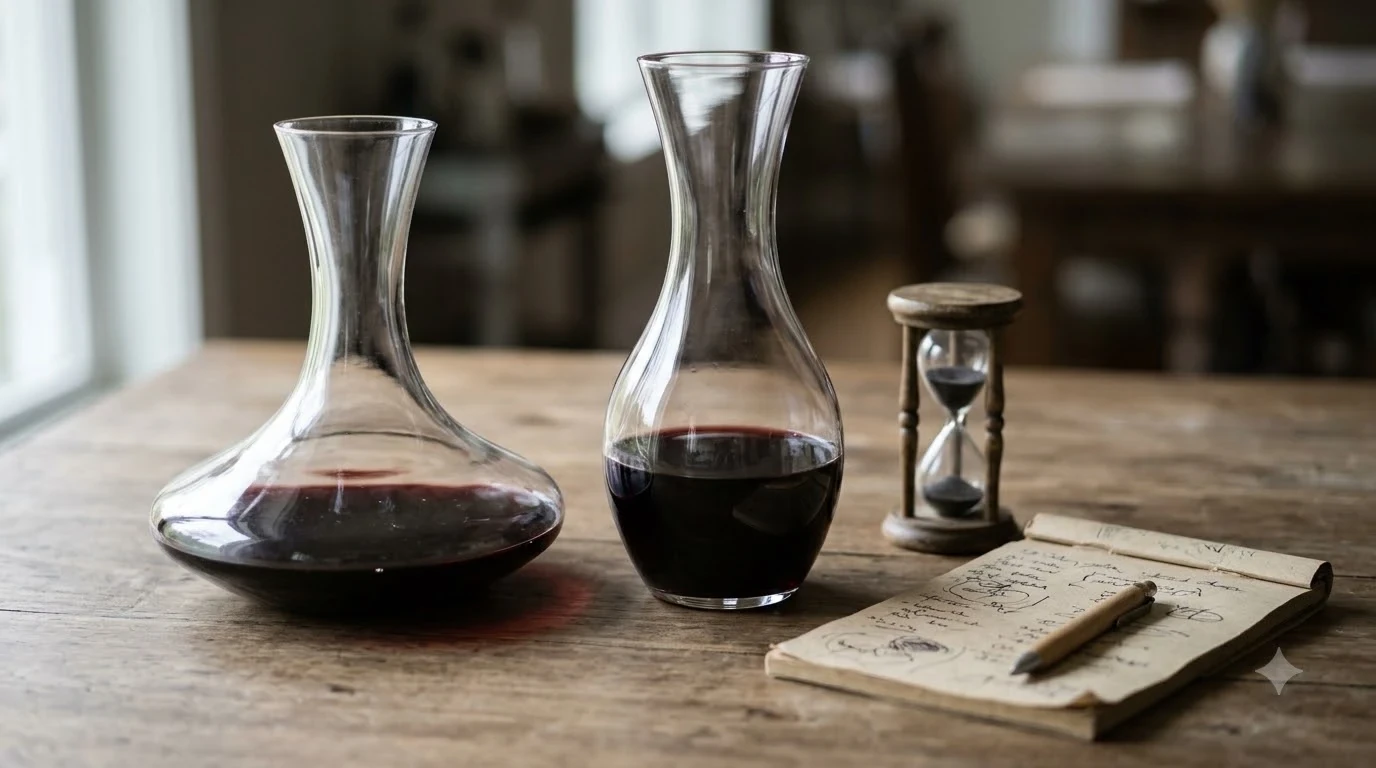
The collection extends beyond the primary stemmed glass. It includes a matching stemless glass, a Young Wine Decanter for wines benefiting from aeration, and a Mature Wine Decanter designed to separate older wines from sediment. These additional pieces follow the same general design language, although the two decanters have different functional purposes.
What Owners and Wine Professionals Like
The collection’s strongest selling point is its ability to cover several wine categories with one recognizable glass shape. Wine professionals and enthusiasts who prefer to focus on the wine rather than maintain numerous specialized glasses may find this approach particularly appealing.
Jancis Robinson developed the concept partly because she questioned the assumption that red wines automatically deserve larger, more aroma-focused glasses than white wines. White Burgundy, mature Riesling, aged Chenin Blanc, and other complex whites can benefit from room for aromatic development just as much as structured red wines. A universal bowl makes sense for drinkers who regularly alternate between these styles.
The fine rim is another important design feature. A thick drinking edge can make the physical presence of the glass more noticeable, whereas a thin rim generally creates a less intrusive transition between the vessel and the mouth. The Original emphasizes this detail through its mouth-blown construction. It is particularly attractive to people who appreciate lightweight glassware and carefully finished table settings.
The tulip shape also offers practical versatility. Its wider lower bowl provides room to swirl a modest serving, while the narrower opening helps direct aromas toward the nose. A 125 ml pour leaves enough space for this movement without filling the glass excessively. This is useful with aromatic Sauvignon Blanc, floral Riesling, medium-bodied Pinot Noir, and fuller-bodied Cabernet Sauvignon.
Another advantage is that the collection is designed around ordinary cleaning routines. Both versions are dishwasher-recommended, which is an important consideration for anyone purchasing fine crystal for regular use rather than occasional formal dinners. The design brief explicitly included dishwasher compatibility, rather than treating convenient cleaning as an afterthought.
The Precision option addresses a different preference. In her explanation of the newer glass, Robinson describes it as a machine-made alternative with the same dimensions and shape as the Original. Its thicker stem and rim make it a sensible consideration for busy households, restaurants, tasting events, and other settings where consistent replacement pieces matter. The distinction is explained in Jancis Robinson’s comparison of the Original and Precision wine glasses.
There is also an organizational advantage. Instead of storing separate collections for red, white, and sparkling wine, owners can use one main glass shape for several occasions. That does not mean specialized glasses are unnecessary, but it can reduce the number of different vessels needed for an everyday wine collection.
The broader collection has received positive comments from wine professionals, including sommelier Rajat Parr, whose testimonial appears on the manufacturer’s collection page. Such endorsements provide useful context about its professional appeal, although they should not be treated as independent proof that one universal glass will outperform every specialized alternative.
Common Complaints and Practical Limitations
The main drawback is the delicate character of the Original, which is part of its appeal but also creates practical considerations. Buyers who regularly handle glassware in busy kitchens or crowded entertaining spaces may prefer the more substantial Precision construction.
Mouth-blown crystal is valued for its lightness and handcrafted character, but individual pieces can have subtle differences. That is normal for handmade glassware rather than necessarily indicating a manufacturing problem. However, someone expecting every glass in a six-piece collection to feel perfectly identical may prefer machine-made production.
The stem is another consideration. A long, relatively slender stem creates an elegant silhouette and keeps the hand away from the bowl, helping avoid unnecessary warming of chilled wines. However, it also requires more careful handling than a short-stemmed or stemless vessel. Precision’s thicker stem provides a little more reassurance, but neither version should be treated like an everyday tumbler.
Storage can be an issue for households with limited cabinet clearance. At approximately 22.4 cm tall, the Original needs sufficient vertical space, and its 9 cm diameter requires room around the bowl. A cabinet that accommodates compact white wine glasses may not comfortably fit several of these larger universal glasses.
Another limitation involves people who prefer a strongly varietal-specific tasting experience. A dedicated Burgundy bowl, Bordeaux glass, or narrow sparkling-wine vessel has a different shape for a reason. A universal glass can perform well across different categories, but it cannot reproduce every specialized design’s particular serving characteristics.
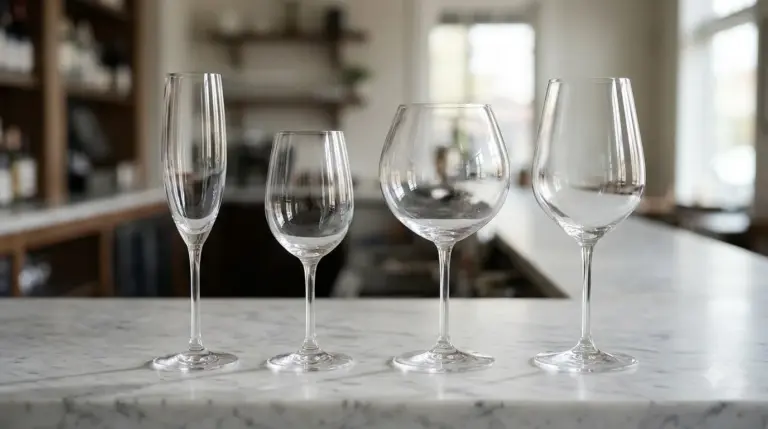
For example, a broad Burgundy glass provides more space for swirling delicate Pinot Noir and aromatic Nebbiolo. A tall Champagne flute emphasizes the upward movement of bubbles and takes up less table space. The Jancis Robinson design offers a compromise between these approaches rather than replacing every specialist vessel in every situation.
Finally, the collection is positioned as design-focused fine glassware rather than inexpensive everyday stemware. Buyers who are mainly concerned about replacing broken glasses at minimal cost may find a simpler machine-made universal glass more suitable. The Precision version provides a more practical entry into the collection’s design philosophy, but the overall concept still prioritizes refined glassware.
Who Should Buy the Jancis Robinson Glass and Who Should Skip It
The Jancis Robinson universal glass is particularly suitable for people who enjoy different wine styles and want a consistent tasting vessel. It is also appealing to enthusiasts who value fine crystal, restrained design, and a smaller collection of multipurpose glassware.
Consider the Original if the craftsmanship and lightweight feel are central to your purchasing decision. It is a strong candidate for personal wine tastings, dinner parties, and occasions where delicate stemware contributes to the experience. Its mouth-blown construction and fine rim make it the more traditional choice within the collection.
Choose Precision if your priority is consistency and a slightly sturdier feel. The machine-made construction produces matching pieces, while the thicker stem and rim provide a practical advantage for regular use. Restaurants, wine clubs, and households that entertain frequently may appreciate this distinction.
The collection is also suitable for people who regularly drink more than one wine category. Someone who enjoys Champagne with appetizers, Chardonnay with seafood, and Pinot Noir with dinner may appreciate using the same general glass shape throughout the meal.
However, buyers who primarily serve one particular style should consider whether specialized glassware would better suit their needs. A person who mainly drinks aged Bordeaux may prefer a dedicated Bordeaux bowl, while a Champagne enthusiast who prioritizes extended sparkling-wine service may want a purpose-built sparkling glass.
Tip: Before choosing between Original and Precision, consider how frequently the glasses will be handled, washed, and stored. The Original emphasizes mouth-blown craftsmanship, while Precision retains the same overall dimensions with a thicker stem and rim. For a busy household, the practical differences may matter more than the visual distinction.
It is also important to consider how many glasses are needed. A two-piece set may suit a couple who regularly enjoy wine together, while a six-piece collection is more convenient for family dinners and small gatherings. For households that entertain larger groups, Precision’s consistent machine-made construction is worth considering.
Those who already own several specialized glasses do not necessarily need to replace them. The Jancis Robinson glass can instead become the primary everyday option, with specialist stemware reserved for particular bottles and occasions.
How It Compares to Alternative Wine Glasses
The Jancis Robinson collection occupies the universal-glass category, which places it between basic multipurpose stemware and specialized glasses designed for individual wine styles. Its most useful comparison is not simply how it looks, but how its proportions fit different drinking habits.
Traditional universal glasses generally aim to accommodate several categories without becoming excessively large or difficult to store. The Jancis Robinson version takes that concept further through a carefully considered bowl, a thin rim, and the choice between handcrafted and machine-made production. The official Jancis Robinson Collection description outlines the intended use across sparkling, still, fortified, and sweet wines.
For households that regularly serve Cabernet Sauvignon, Merlot, and Syrah, dedicated red wine glasses can still offer advantages. Cabernet Sauvignon benefits from a larger bowl with room for swirling, while Pinot Noir is often served in a broad Burgundy-style vessel. The universal Jancis Robinson shape offers flexibility but does not provide the same specialized proportions as every dedicated red glass.
For white wine drinkers, the comparison is slightly different. Many conventional white wine glasses have smaller bowls to help maintain cooler serving temperatures. The larger universal design provides additional room for aromatic expression, but it also means owners should pay attention to serving temperature and pour size. Light whites generally work well around 45 to 50 degrees Fahrenheit, while fuller-bodied Chardonnay is commonly served around 50 to 55 degrees Fahrenheit.
Champagne presents another interesting comparison. A dedicated flute is narrower and taller, while a coupe has a broad, shallow bowl. The Jancis Robinson universal glass offers more space for examining aromas than many conventional flutes. That makes it appealing for Champagne drinkers who prefer to explore the wine’s aromatic character rather than focus exclusively on the visual presentation of bubbles.
For a broader comparison of available shapes, the guide to wine glasses provides a useful starting point. Drinkers who primarily serve Cabernet Sauvignon, Merlot, and other structured reds can also compare the collection with more specialized red wine glasses.
There is no universal winner across every category. A dedicated specialist glass can be a better match for a particular wine, while the Jancis Robinson design offers a practical way to enjoy a wider selection without maintaining multiple collections. The right decision depends on whether versatility or specialized performance matters more to the buyer.
Care, Cleaning, and Long-Term Storage
Proper care is important for preserving the appearance and functionality of fine crystal. Although the manufacturer recommends dishwasher cleaning, careful loading and sensible storage remain important for both Original and Precision glasses.
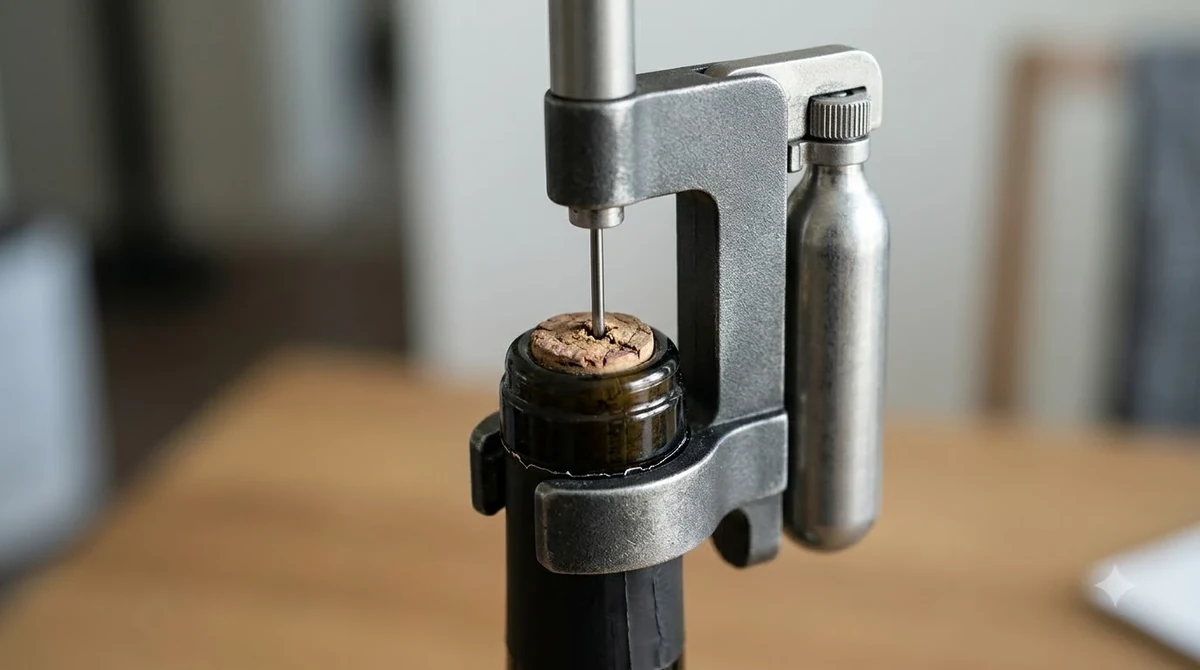
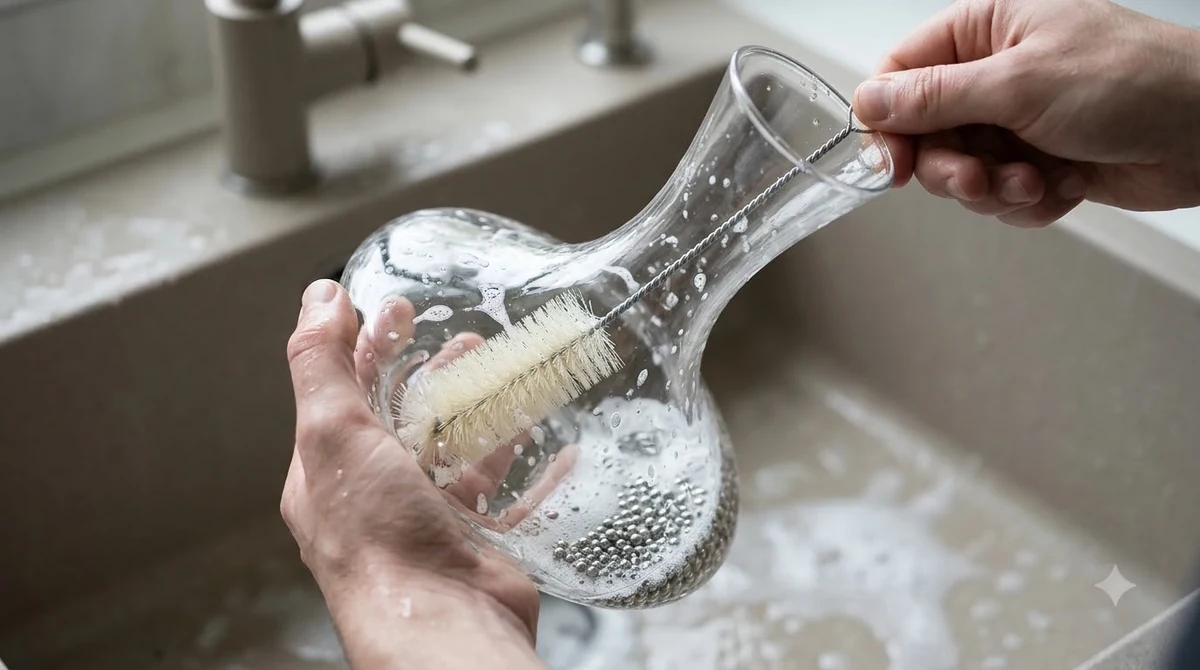
Start by separating the glasses from heavy cookware, plates, and metal utensils inside the dishwasher. Avoid positioning the bowls where they can touch other items during the wash cycle. The stem should remain stable, and there should be enough clearance above the rim to prevent contact with the upper rack.
For everyday handling, hold the glass by its stem or lower portion rather than gripping the bowl tightly. This reduces fingerprints and helps prevent hand warmth from affecting chilled wines. Avoid twisting the stem while holding the bowl, particularly when removing a glass from the dishwasher or polishing it.
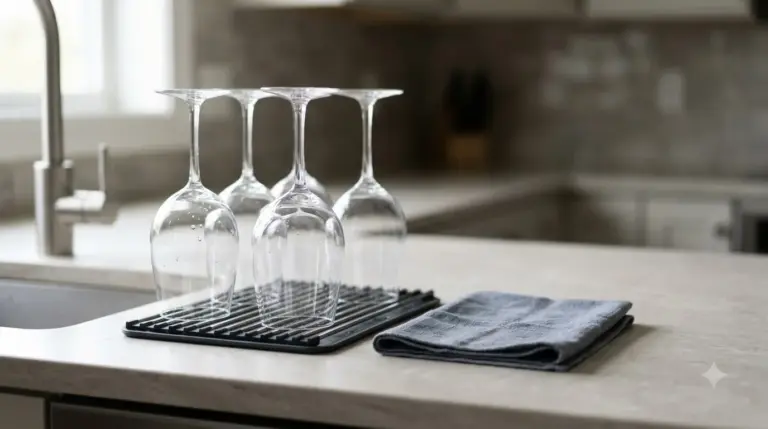
After cleaning, allow the glasses to dry in a secure position. If polishing is necessary, use a clean microfiber or lint-free glass cloth. Hold the bowl and base carefully rather than applying twisting pressure between the stem and bowl. This is especially important with delicate mouth-blown crystal.
Storage deserves similar attention. Keep the glasses upright in a cabinet with enough clearance between neighboring pieces. Storing delicate rims directly against one another can increase the risk of chips and scratches. Avoid placing heavy items inside the bowls, and do not stack the stemmed glasses.
For wine service, a modest 125 ml pour is a sensible starting point. It leaves room for swirling and helps prevent spills when moving the glass around the table. A standard 750 ml bottle provides approximately five traditional 5 oz servings, so the vessel can comfortably accommodate normal dinner-party portions.
Temperature also influences how well the glass performs. Sparkling wine is generally served around 40 to 50 degrees Fahrenheit, light whites and rosé around 45 to 50 degrees, and full-bodied reds around 60 to 65 degrees. Using the same glass does not mean serving every wine at the same temperature; the wine itself still determines the ideal serving conditions.
Owners who also purchase the matching decanters should remember that the Young Wine Decanter and Mature Wine Decanter have different purposes. The wide-bodied young-wine design encourages aeration, while the narrower mature-wine vessel is intended to separate sediment with less unnecessary oxygen exposure. They are useful complementary pieces rather than interchangeable accessories.
Frequently Asked Questions
Is the Jancis Robinson glass manufactured in Europe?
The collection is associated with British designer Richard Brendon and wine expert Jancis Robinson. Production details should be distinguished between the collection’s design origin and the manufacturing location of individual products. Buyers seeking country-of-origin information should confirm the details for the specific glass and retailer.
How can buyers identify the Precision glass?
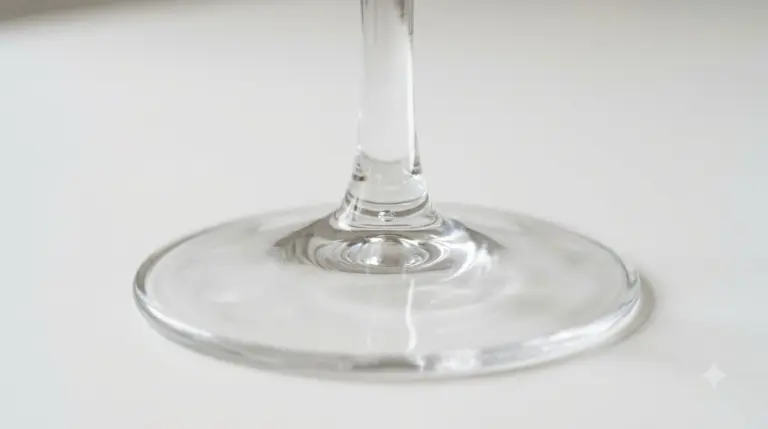
The Precision version carries a small asterisk on its base alongside the JR x RB logo. This identifying detail distinguishes it from the Original mouth-blown version. The packaging also differs between the two versions.
Can the Jancis Robinson glass be used for Port and Sherry?
Yes. The collection was specifically conceived to accommodate fortified wines alongside conventional table wines. Its universal design is intended for Port, Sherry, and other fortified styles rather than requiring a separate vessel for each category.
Does the collection include a matching stemless glass?
Yes. The collection includes a stemless wine and water glass that follows the curvature of the main stemmed design. Its dual-purpose concept allows it to serve as a water glass or an alternative wine vessel for people who prefer stemless glassware.
What is the difference between the Young and Mature Wine Decanters?
The Young Wine Decanter has a broad body designed to increase the wine’s contact with air and provide room for swirling. The Mature Wine Decanter has a narrower shape and a stopper, with a 75 cl capacity according to Harpers, making it suitable for separating mature wine from sediment while limiting oxygen exposure.
The Jancis Robinson collection is an appealing choice for wine enthusiasts who value one versatile glass rather than a cabinet full of specialized shapes. Original is the more delicate, handcrafted option, while Precision provides the same dimensions with a sturdier construction. For buyers who appreciate thoughtful design, fine crystal, and practical versatility, this collection deserves serious consideration.
More in Wine Glasses
 Spiegelau Crystal Wine Glasses That Bring Clarity to Every PourUpdated Nov 21, 2026
 Zalto Crystal Wine Glasses: Are They Worth the Investment?Updated Nov 21, 2026
 Villeroy And Boch White Wine Glasses for a More Cohesive TableUpdated Nov 21, 2026
 Zalto Wine Glasses On Sale: Find the Right Denk’Art GlassUpdated Nov 21, 2026
 Zwiesel Glas Champagne Glasses: Features, Quality and Buying AdviceUpdated Nov 21, 2026
 Zwiesel Glas Decanter Review: A Durable, Elegant Choice for Wine ServiceUpdated Nov 21, 2026