

We may earn a commission when you buy through links on this page, at no extra cost to you. Learn more.
Whether is sherry keto friendly depends entirely on the style you pour, because dry sherry styles contain under 0.5 grams of sugar per 3-ounce glass while sweet styles pack over 10 to 20 grams. Bone-dry styles like Fino, Manzanilla, Amontillado, Palo Cortado, and dry Oloroso contain no more than 5 grams of residual sugar per liter, making them among the lowest-carb wines available. In contrast, sweetened and dessert bottlings such as Pale Cream, Medium, Cream, Moscatel, and Pedro Ximénez contain 5 to over 212 grams of sugar per liter and do not fit a ketogenic carbohydrate budget.
Many American wine drinkers assume all fortified wines are syrupy after-dinner pours, yet traditional Andalusian sherry spans a wider dryness spectrum than almost any other wine category. Understanding how Jerez producers ferment, fortify, and age their wines makes it straightforward to pick a bottle that fits a strict low-carb lifestyle.
Sugar and Carb Breakdown by Sherry Style
Dry sherry styles have under 5 grams of residual sugar per liter, which translates to less than 0.45 grams of sugar in a standard 3-ounce pour, whereas sweet sherry styles range from 5 grams to more than 212 grams of sugar per liter. Because sherry is a fortified wine with higher alcohol by volume than standard table wine, typical servings are smaller, keeping total carbohydrate intake remarkably low for dry expressions.

According to regulatory classifications from the Consejo Regulador of Jerez-Xérès-Sherry, dry sherries—known locally as vinos generosos—are fermented completely to dryness before fortification. This category includes Fino, Manzanilla, Amontillado, Palo Cortado, and unblended Oloroso. Because yeasts consume virtually all grape sugars during initial fermentation, the resulting wines hold at most 5 grams of residual sugar per liter. Across a traditional 3-ounce (roughly 90-milliliter) serving, that ceiling equals 0.45 grams of sugar, and many bottlings test near 1 to 2 grams per liter, or roughly 0.1 to 0.2 grams per pour.
Sweetened and naturally sweet sherries follow a completely different trajectory and carry substantial carbohydrates. Blended styles, categorized as vinos generosos de licor, start with a dry base wine that winemakers sweeten using concentrated grape must or sweet Pedro Ximénez wine. Pale Cream stays under 115 grams of sugar per liter, Medium spans 5 to 115 grams per liter (split between Medium Dry under 45 grams and Medium Sweet over 45 grams), and Cream exceeds 115 grams per liter. At the top of the sweetness scale, naturally sweet Moscatel and Pedro Ximénez are made from sun-dried grapes whose fermentation is halted early, pushing residual sugar past 212 grams per liter—roughly 19 grams or more of sugar in a single 3-ounce glass.
Compared to conventional low-carb table wines, dry sherry holds its own easily. If you already enjoy crisp whites and wonder is pinot grigio keto friendly or is chardonnay keto friendly, a 5-ounce glass of dry table wine typically delivers 2 to 4 grams of carbs. A 3-ounce glass of Fino or Oloroso delivers a fraction of that amount while offering far greater aromatic intensity, meaning a small pour satisfies slowly over an entire evening.
| Sherry Style | Aging Method | ABV Range | Residual Sugar (g/L) | Approx. Sugar per 3 oz Pour | Keto Status |
|---|---|---|---|---|---|
| Manzanilla | Biological (under flor) | 15%–17% | Up to 5 g/L | 0.1–0.45 g | Keto-friendly |
| Fino | Biological (under flor) | 15%–17% | Up to 5 g/L | 0.1–0.45 g | Keto-friendly |
| Amontillado | Biological, then oxidative | 16%–22% | Up to 5 g/L | 0.1–0.45 g | Keto-friendly |
| Palo Cortado | Biological start, oxidative finish | 17%–22% | Up to 5 g/L | 0.1–0.45 g | Keto-friendly |
| Oloroso (Dry) | Oxidative only | 17%–22% | Up to 5 g/L | 0.1–0.45 g | Keto-friendly |
| Pale Cream | Biological + concentrated must | 15.5%–22% | Under 115 g/L | Up to 10 g | Avoid on keto |
| Medium | Generoso + sweet wine/must | 15%–22% | 5–115 g/L | 0.5–10 g | Avoid on keto |
| Cream | Oloroso + Pedro Ximénez | 15.5%–22% | Over 115 g/L | 10+ g | Avoid on keto |
| Pedro Ximénez (PX) | Sun-dried grapes, oxidative | 15%–22% | Over 212 g/L | 19+ g | Avoid on keto |
How Winemaking Shapes Sugar and Alcohol Levels
Winemakers in southern Spain’s Jerez triangle create dry sherry by fermenting Palomino grapes completely dry to roughly 11 percent alcohol before adding neutral grape spirit. How much spirit they add determines whether the wine ages biologically under a yeast layer or oxidatively in contact with air, neither of which adds sugar.
Every traditional dry sherry begins with Palomino Fino grapes harvested from chalky albariza soils around Jerez de la Frontera, El Puerto de Santa María, and Sanlúcar de Barrameda. Producers ferment the juice in stainless steel tanks until yeast converts every trace of fermentable grape sugar into alcohol and carbon dioxide. Because fortification happens after fermentation finishes—unlike Port, where brandy stops fermentation early to trap grape sweetness—dry sherry starts its barrel life completely devoid of sugar.
Once fermented, winemakers classify the base wines and fortify them with distilled grape spirit. Wines destined for Fino or Manzanilla are fortified to around 15 to 15.5 percent ABV. At that specific alcohol strength, a natural film of indigenous yeast called flor forms on the surface of the wine inside partially filled American oak casks. As reviewers at VinePair explain, this flor layer acts as a protective blanket against oxygen while consuming trace glycerin and volatile acids, leaving behind a bone-dry, saline wine with notes of green almond and bread dough.
If winemakers fortify the base wine higher, to 17 or 18 percent ABV, the alcohol prevents flor from surviving. These wines age oxidatively inside the dynamic solera blending system, slowly concentrating through evaporation as water escapes through the oak staves. Over years or decades, Oloroso and Amontillado climb to between 17 and 22 percent ABV and develop rich walnut, toasted hazelnut, and leather aromas—yet they remain chemically dry despite tasting rounded and supple on the palate.
Best Keto-Friendly Sherry Styles to Drink
The five dry sherry styles—Manzanilla, Fino, Amontillado, Palo Cortado, and dry Oloroso—all contain fewer than 0.5 grams of carbs per 3-ounce glass and offer distinct flavor profiles for different occasions. Choosing among them comes down to whether you prefer crisp, coastal freshness or deep, nutty richness.
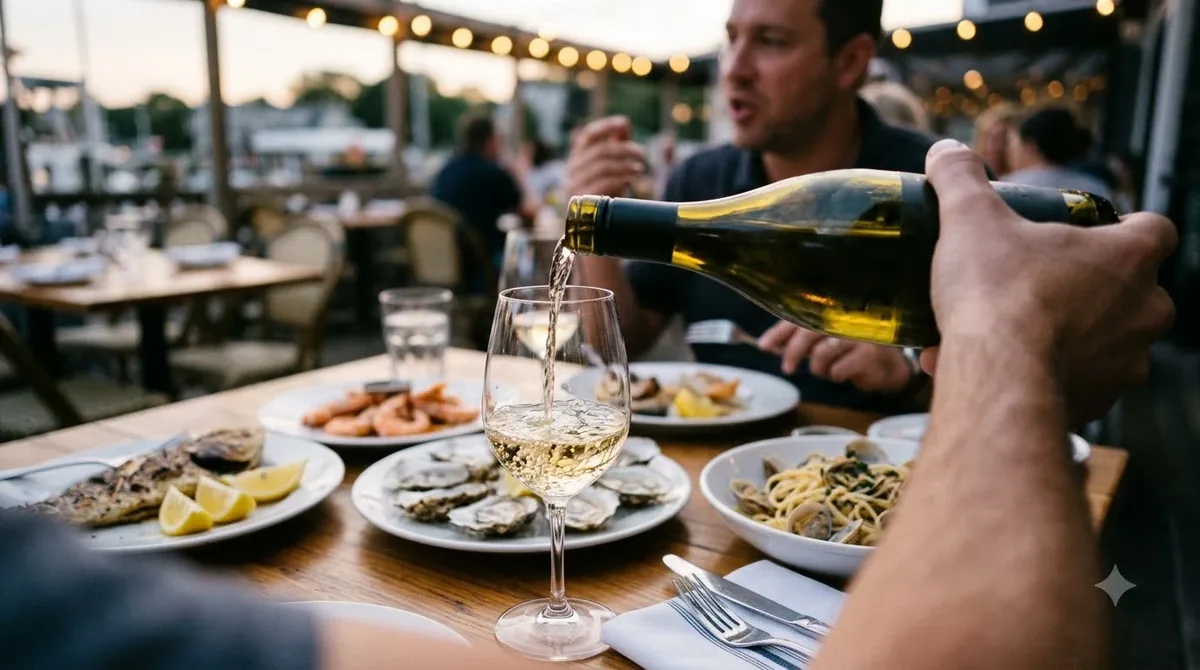
Fino and Manzanilla are the lightest, brightest choices for low-carb drinkers. Fino ages under flor in Jerez de la Frontera or El Puerto de Santa María, delivering sharp acidity, lemon pith, blanched almond, and a savory, briny finish. Manzanilla undergoes the exact same biological aging exclusively in the coastal town of Sanlúcar de Barrameda, where humid Atlantic breezes encourage thicker flor growth and impart an unmistakable sea-spray salinity. Both sit around 15 to 17 percent ABV and work effortlessly as pre-dinner aperitifs in place of sparkling wines—much like checking whether is cava keto friendly when planning a low-carb happy hour.
Amontillado bridges the gap between fresh and rich styles. It starts life aging under flor like a Fino, then loses its yeast veil—either naturally over time or through a second fortification—and finishes aging oxidatively. The result is an amber-colored wine at 16 to 22 percent ABV that pairs Fino’s brisk, salty backbone with roasted hazelnut, dried citrus peel, and subtle tobacco notes. It offers a hint of perceived warmth without any actual sugar.
Palo Cortado and Dry Oloroso sit at the full-bodied end of the dry spectrum. Palo Cortado begins as a Fino candidate whose flor mysteriously disappears early, prompting cellarmasters to reclassify it for oxidative aging; it combines the lifted aromatics of Amontillado with the velvety weight of Oloroso. Dry Oloroso skips flor entirely, aging oxidatively from day one to reach 17 to 22 percent ABV with intense flavors of toasted walnut, dried fig, and baking spice. Both feel remarkably plush in the mouth, satisfying cravings for richer pours while staying strictly low-carb.
Sherry Bottles and Labels to Avoid on Keto
Sweet sherries, blended cream styles, and supermarket cooking sherry introduce significant carbohydrates or unwanted additives that can stall ketosis. Reading the front label carefully prevents mistaking a high-sugar dessert wine or a salted kitchen condiment for an authentic dry pouring wine.
Any bottle labeled Cream, Pale Cream, Medium, Pedro Ximénez (PX), or Moscatel contains added grape must or sun-dried grape wine. Cream sherry blends dry Oloroso with sweet Pedro Ximénez to exceed 115 grams of sugar per liter, tasting like liquid raisins and toffee. Even Pale Cream—which looks pale like a Fino—is sweetened with concentrated grape must up to 115 grams per liter. On rare occasions, older export labels may read “Dry Sack” for a Medium sherry; despite the word “dry” in the brand name, Medium styles contain up to 115 grams of sugar per liter, so always verify the official style classification on the label.
Grocery-store cooking sherry sold near the vinegar aisle is another pitfall. Unlike authentic Spanish sherry from the D.O. Jerez-Xérès-Sherry, mass-market cooking sherry is low-grade wine heavily dosed with salt and preservatives—and occasionally corn syrup or caramel coloring—so it can be sold outside liquor stores. Authentic dry Fino or Amontillado costs little more, tastes infinitely cleaner, and works both in your glass and in low-carb pan sauces.
Tip: Treat Fino and Manzanilla like delicate white wines once opened—recork the bottle, store it upright in the refrigerator, and finish it within one to two weeks before oxidation dulls its crisp, low-carb freshness.
How to Serve and Pair Dry Sherry on a Low-Carb Diet
Serve Fino and Manzanilla chilled at 43 to 46°F (6 to 8°C) and darker dry styles like Amontillado, Palo Cortado, and Oloroso lightly chilled at 54 to 57°F (12 to 14°C) in a standard white wine glass. Because sherry carries 15 to 22 percent ABV, a 3-ounce pour is the ideal serving size for pacing both alcohol and flavor.
Proper glassware and temperature make a dramatic difference in how dry sherry tastes without sugar to mask flaws. Skip tiny thimble-sized glasses, which trap alcohol vapors and mute aromatics, and reach instead for a regular white wine glass. Chilling Fino and Manzanilla straight from the refrigerator keeps their high acidity razor-sharp, while pulling Amontillado or Oloroso from the fridge 20 minutes before pouring allows their complex nutty aromatics to open fully.
Dry sherry is arguably the single most versatile food wine in the broader Wine by Type landscape, and classic Andalusian tapas align naturally with ketogenic eating. Fino and Manzanilla cut effortlessly through salty, high-fat snacks like Marcona almonds, green olives, jamón serrano, grilled shrimp, and oysters. Amontillado and Palo Cortado shine alongside roasted mushrooms, charcuterie boards, roasted chicken, and aged Manchego cheese. Dry Oloroso has enough structure and 18 to 20 percent ABV grip to stand up to braised beef short ribs, oxtail, and blue cheese.
You can also mix dry sherry into zero-sugar cocktails. Replacing sweet vermouth or sugary mixers with dry Amontillado or Fino keeps bar drinks low-carb—for example, stirring 2 ounces of gin with 1 ounce of dry Fino and a dash of orange bitters creates a crisp Tuxedo-style Martini with under 0.2 grams of carbs.
Frequently Asked Questions
Does dry sherry have any hidden sugars?
No, authentic dry sherry from Spain cannot legally contain more than 5 grams of residual sugar per liter under D.O. Jerez-Xérès-Sherry regulations. Styles labeled Fino, Manzanilla, Amontillado, Palo Cortado, and dry Oloroso are fermented completely dry before fortification, leaving less than 0.45 grams of sugar in a standard 3-ounce glass.
Why does dry Oloroso taste slightly sweet if it has almost no carbs?
Dry Oloroso gets its impression of sweetness from extended oxidative aging in oak casks rather than residual sugar. As water evaporates through the wood over years in the solera system, glycerin, alcohol, and nutty oak compounds concentrate, creating a round, velvety texture that tricks the palate into perceiving richness without adding carbohydrates.
How many carbs are in a 3-ounce serving of Fino sherry?
A 3-ounce (90-milliliter) pour of Fino sherry contains between 0.1 and 0.45 grams of carbohydrates, depending on the specific producer’s fermentation dryness. Because Fino ages under a layer of flor yeast that consumes trace glycerin and residual sugars, it is consistently one of the lowest-carb alcoholic beverages you can order.
Can I use dry sherry for keto cooking?
Yes, authentic dry Fino, Amontillado, or Oloroso adds deep savory umami to keto pan sauces, mushroom sautés, and braised meats for negligible carbs. Just avoid supermarket “cooking sherry” sold near the vinegar, which often contains added salt, preservatives, and sweeteners, and use a real Spanish bottle from the wine shop instead.
Dry sherry proves that following a ketogenic diet never requires giving up complex, historic wines. Stick to authentic Spanish bottles labeled Fino, Manzanilla, Amontillado, Palo Cortado, or dry Oloroso, keep pours around 3 ounces, and enjoy one of the most food-friendly low-carb drinks in the wine world.
More in Wine Types & Grapes
 Zinfandel Sugar Content: Dry Red vs. White Zinfandel GramsUpdated Nov 21, 2026
 Best Zinfandel Substitute Options for Sipping and CookingUpdated Nov 21, 2026
 Zweigelt Food Pairing: Best Dishes, Cheeses, and Serving TipsUpdated Nov 21, 2026
 Zinfandel Tannins Explained: How Structure Shapes Every BottleUpdated Nov 21, 2026
 Zinfandel Sweetness Level: Dry Red vs. Sweet White Zin ExplainedUpdated Nov 21, 2026
 Xinomavro Food Pairing: Best Dishes, Styles, and Serving TipsUpdated Nov 21, 2026