

We may earn a commission when you buy through links on this page, at no extra cost to you. Learn more.
is riesling gluten free? Yes, plain Riesling made from grapes is generally considered gluten-free because grapes and wine yeast do not naturally contain gluten. That applies to dry, off-dry, and sweet styles, whether the bottle comes from Germany, Austria, Washington, or another Riesling region. The main exceptions to watch are flavored wine drinks and unusual production or handling practices that could introduce gluten after harvest.
Riesling is a white wine grape, not a grain, and its finished wine is usually made from fermented grape juice. That makes a standard bottle a straightforward choice for many people avoiding gluten, but it helps to understand the difference between pure wine and products sold alongside it. This guide explains what goes into Riesling, where cross-contact questions come from, what to ask a winery, and how to identify a conventional bottle.
Plain Riesling Is Generally Gluten-Free
Pure, unflavored Riesling is naturally gluten-free in the same way that other conventional grape wines are. Its base ingredient is the Riesling grape, and the wine is not brewed from wheat, barley, or rye. Beyond Celiac specifically lists Riesling among wine styles that are naturally gluten-free, while noting that added flavorings and some other ingredients can change the picture.
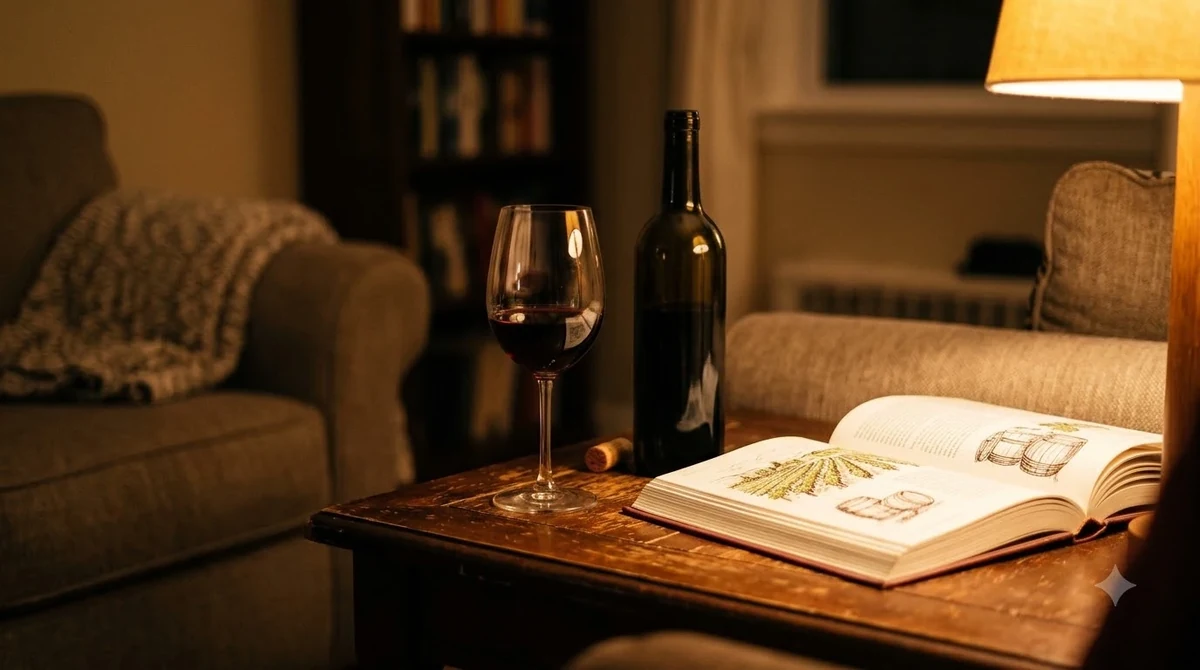
This answer applies across Riesling sweetness levels. A bottle labeled trocken, or dry, is still grape wine; a feinherb or off-dry bottling is still grape wine; and a sweet late-harvest Riesling is still made from grapes. The words on the label describe the wine’s balance of sweetness and acidity, not the presence of wheat or another gluten-containing grain. The same general principle applies to Riesling from the Mosel, Rheingau, Alsace, Austria’s Wachau, and the Columbia Valley in Washington.
It is useful to separate the grape variety from the finished beverage category. A bottle that simply says Riesling, with an alcohol percentage and a named producer or region, is ordinarily a conventional wine. A canned Riesling spritz, a fruit-flavored wine cocktail, or a sweetened malt-based cooler may use Riesling as a flavor cue or component without being plain Riesling wine. The front label can make these products look similar, so the product description and ingredient statement matter more than a Riesling image or name by itself.
The Grape-to-Wine Process Starts Without Gluten
Traditional Riesling begins with harvested grapes, and the core steps do not call for wheat, barley, or rye. The basic sequence is harvesting, crushing and pressing, fermentation, clarification, and then aging or bottling. The fruit supplies the fermentable sugar, while wine yeast converts that sugar into alcohol and carbon dioxide.
Grapes themselves are naturally gluten-free, and the ordinary fermentation of grape juice does not require a gluten-containing grain. This is why plain Riesling is treated differently from beer made with barley malt. Beer production often relies directly on a gluten-containing cereal grain; Riesling production relies on grapes. Even though both drinks are fermented, fermentation alone does not make a beverage gluten-free—the starting ingredients and later production choices matter.
The vineyard stage is not generally a reason to assume Riesling contains gluten. The Gluten Intolerance Group describes possible agricultural cross-contact as a theoretical point to consider, particularly where vineyards share land or handling systems with grain crops, but it also notes that wine grapes and grain crops typically do not share harvesting equipment. At the winery, grape crushers and presses are normally dedicated to fruit rather than bread, pasta, or malt production. Those routine practices help explain why the ordinary wine process presents a low gluten concern.
Fining Agents Are Usually Not a Gluten Source
After fermentation, a winemaker may fine a wine to remove suspended particles and improve clarity or stability. The fining materials commonly described for wine include bentonite clay, egg whites, casein, isinglass, gelatin, and plant proteins; these are not gluten-containing grains. A wine can therefore be fined and remain gluten-free.
Fining is sometimes raised in gluten discussions because a substance is added to the wine after fermentation. The important question is what the substance is, not simply whether the winemaker adds something. The Gluten Intolerance Group notes that wheat gluten has been explored as a fining material in research, but says using gluten for this purpose is not common in current winemaking. Wine Enthusiast also reports that the U.S. list of authorized wine treatment materials does not include gluten-containing ingredients, supporting the expectation that most conventionally produced bottles are free from gluten ingredients.
For context, the U.S. gluten-free labeling benchmark for foods is less than 20 parts per million, or ppm, of gluten. Wine labeling is also subject to the Alcohol and Tobacco Tax and Trade Bureau for most wines at 7 percent alcohol by volume or higher, rather than the FDA’s ordinary packaged-food labeling rules. TTB permits a voluntary gluten-free statement for products made without gluten-containing ingredients when producers take appropriate measures to prevent cross-contact. That framework helps explain why a wine can be naturally gluten-free even when the bottle does not display a gluten-free claim.
Oak Barrel Sealing Is a Historical, Low-Level Concern
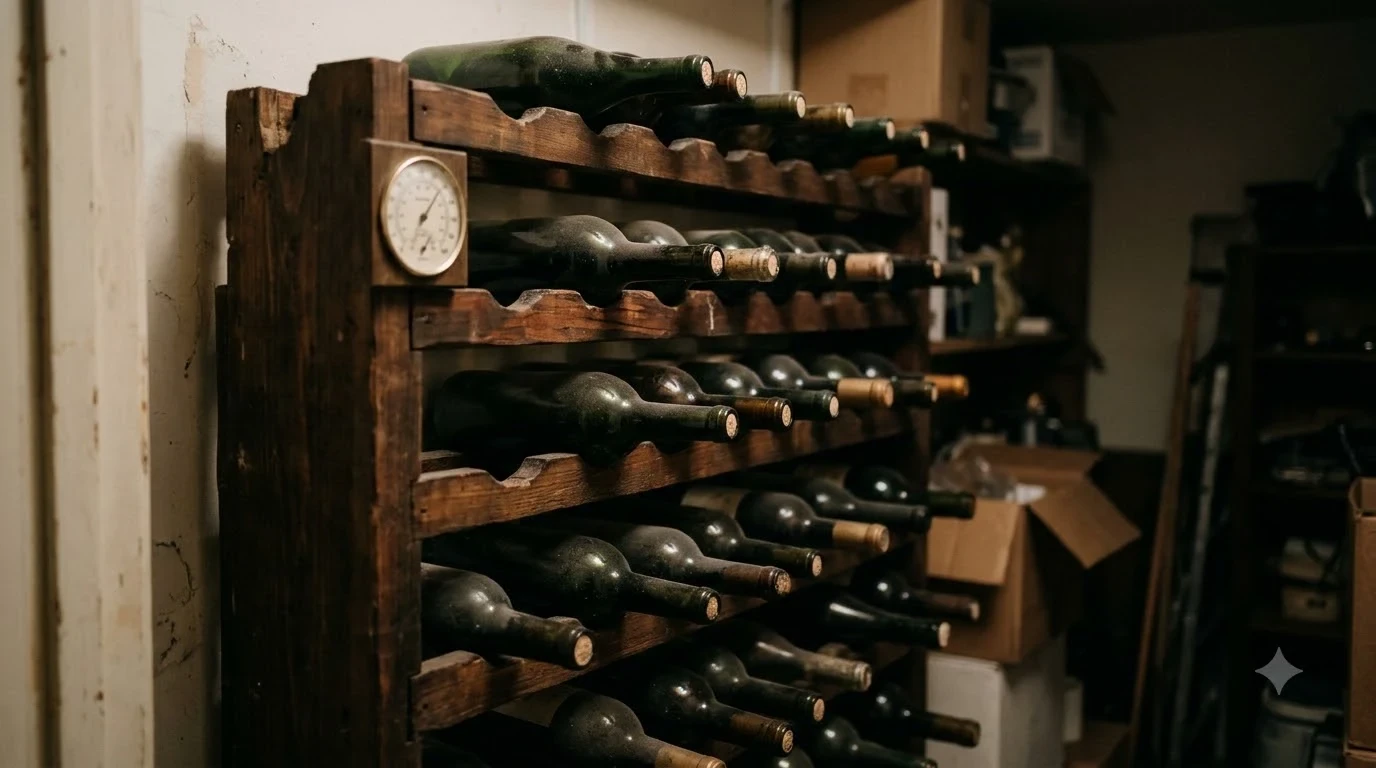
Some people ask about oak aging because traditional barrel makers sometimes used a small amount of wheat-flour paste to seal the ends of wine barrels. That practice created a theoretical route for gluten contact, but it is not a defining part of Riesling production, and modern barrel sealing commonly uses paraffin, wax, or other non-wheat materials. Many wines are also fermented or aged in stainless-steel tanks, which do not involve a wheat-paste barrel seal.
Wine Enthusiast reports that a major barrel maker moved away from wheat flour in 2019, switching to gluten-free buckwheat flour and paraffin to seal barrel heads. It also reports that a California winery used paraffin and beeswax for its barrel heads beginning in 2020. Those examples do not prove that every winery uses the same process, but they show why the old wheat-paste concern should not be treated as a routine feature of current wine production.
Testing has also helped put the concern in perspective. A 2012 evaluation of barrel-aged Cabernet Sauvignon and Merlot reported results below the assays’ lower quantification limits: less than 5 ppm with one method and less than 10 ppm with another. Those samples were not Riesling, so the figures should not be presented as a direct test of every Riesling bottle. They are relevant background on the historical barrel question, but they cannot certify an individual wine or replace information from its producer.
Some Rieslings may be fermented or aged in stainless steel, while other producers use oak. If the production method matters to your decision, ask whether the wine was aged in stainless steel or oak and, if oak was used, what the winery uses to seal its barrels. A straightforward answer about the winery’s current materials is more useful than assuming every oak-aged wine has the same exposure history.
Flavored Wine Drinks Need a Separate Ingredient Check
A conventional bottle of Riesling is not the same thing as a Riesling-flavored beverage. Wine coolers, canned wine cocktails, premixed spritzers, and fruit-flavored drinks can include ingredients beyond fermented grape juice. Some wine coolers use barley malt as their base, and barley is a gluten-containing grain; flavorings, colorings, or other additions may also make a product different from plain wine.
Read the product description closely when the packaging uses words such as cooler, cocktail, spritzer, punch, or malt beverage. A drink may contain wine but also include a separate malt base, a flavor blend, or other components. The word Riesling on the front does not establish that the entire drink is made only from Riesling grapes. The same distinction applies to ready-to-drink cans and bottles sold in the wine aisle: the format does not automatically make a beverage unsafe, but the formulation needs to be considered separately from a traditional wine.
Restaurant pours can also create a little uncertainty if the server is describing a house-made Riesling cocktail rather than a straight glass of wine. Ask whether the drink is simply Riesling from a bottle or whether it includes a mixer, cordial, flavored syrup, or other packaged ingredient. A glass poured from a standard bottle is a different product from a wine-based cocktail prepared behind the bar. This is also why a product page for pure Riesling should not be used as evidence about a similarly named cooler or spritz.
Choosing and Serving a Straight Riesling
For the clearest choice, look for a conventional bottle identified as Riesling wine rather than a flavored or malt-based drink. A named region such as Mosel, Rheingau, Alsace, or Washington’s Columbia Valley can help identify the wine style, while a producer’s website or customer-service team can answer questions about fining, barrel materials, and production controls when greater certainty is needed.
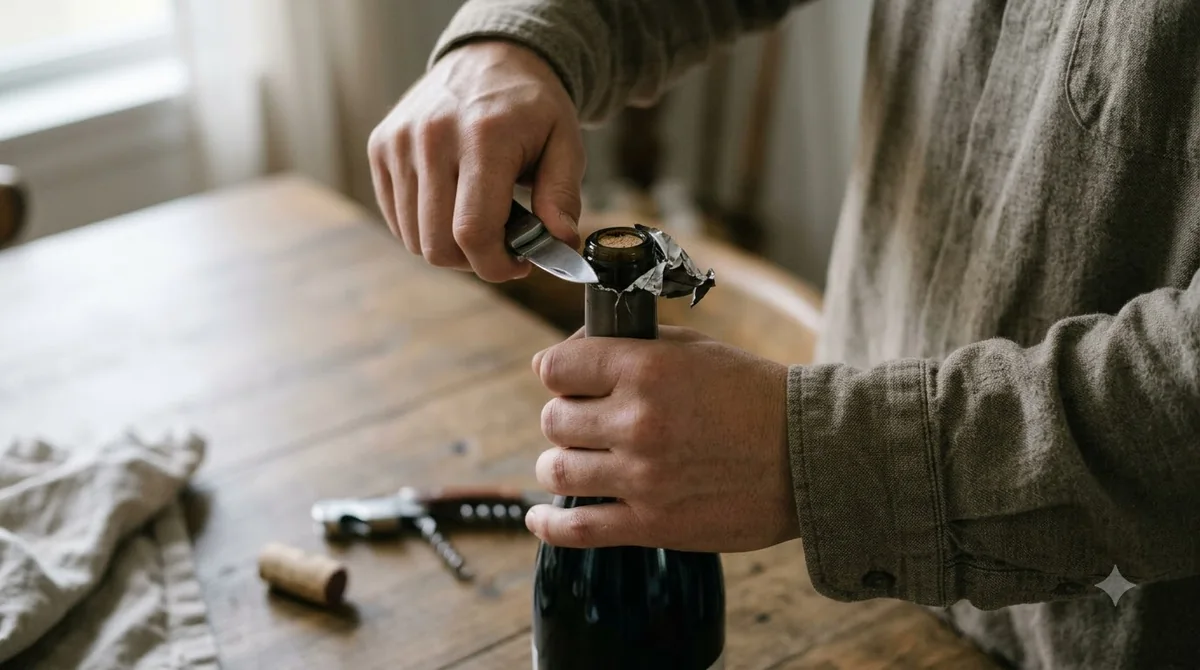
When contacting a winery, keep the questions concrete. Ask whether the wine is made solely from grapes, whether any wheat-, barley-, or rye-derived ingredient is used in fining or processing, and whether production or storage involves possible gluten cross-contact. If the wine is oak-aged, ask how the barrel heads are sealed. A winery may not have a gluten-free certification or a test report for each vintage, but it can often describe its normal production methods. A missing gluten-free logo does not by itself mean the wine contains gluten, since the claim is voluntary.
Serving details can help distinguish styles without confusing sweetness with gluten status. Riesling can range from bone-dry to sweet, and its naturally high acidity often keeps even sweeter examples lively. Light-bodied Riesling is generally best served cool, around 45–50°F; a richer, fuller white may be served closer to 50–55°F. A standard 750 ml bottle yields about five 5-ounce pours, which is a useful planning guide for a dinner or tasting.
| Detail | Typical figure or range | How to use it |
|---|---|---|
| Gluten-free labeling benchmark for foods | Less than 20 ppm | A U.S. standard for a voluntary gluten-free food claim; alcohol rules have a separate regulator for most wine |
| Light white wine serving temperature | 45–50°F | A useful range for many fresh, lighter Rieslings |
| Fuller white wine serving temperature | 50–55°F | Useful for richer styles that show more texture with slightly less chill |
| Standard bottle and pour | 750 ml; about five 5-ounce glasses | A practical estimate when planning servings |
Food pairing is another way to understand Riesling’s range. Its acidity can work well with fish, pork, and dishes that include citrus or aromatic herbs; sweeter styles can balance spicy Thai or Chinese dishes, as Beyond Celiac notes. The wine’s acidity is especially useful with foods that have noticeable acidity themselves, while a sweeter Riesling can pair well with a dish that has a touch of sweetness or heat. Gluten status, however, comes from the wine and any additions—not from whether the pairing is savory or sweet.
Tip: When ordering, say “a glass of straight Riesling from the bottle, please” rather than asking for a Riesling spritz or cooler. That simple distinction helps separate conventional grape wine from a mixed beverage that may contain added ingredients.
For readers comparing other grape varieties, the same distinction between pure wine and flavored drinks applies to is sauvignon blanc gluten free, is pinot noir gluten free, and is cabernet sauvignon gluten free. The grape variety changes the wine’s taste, acidity, and tannin, but it does not turn ordinary grape wine into a grain-based beverage. More background on grape varieties and wine styles is available in Wine by Type.
Wine Enthusiast’s overview of wine and potential gluten cross-contact discusses fining, traditional barrel seals, and the generally low risk reported for conventional wine. For U.S. labeling details, the TTB’s gluten-content ruling explains when a wine producer may make a gluten-free claim and the need to prevent cross-contact.
Frequently Asked Questions
These quick answers address common questions about sweetness, regions such as the Mosel and Columbia Valley, U.S. TTB labeling, and restaurant service. They can help clarify how wine styles and production details relate to the gluten question.
Does a sweet Riesling contain more gluten than a dry Riesling?
No. A winemaker can leave some grape sugar unfermented by stopping fermentation before all of it is converted to alcohol, or select very ripe, late-harvest fruit for a sweeter style. That choice changes sweetness and alcohol balance, not the grape’s gluten status.
Is German Riesling different from Washington Riesling for gluten purposes?
The place name alone does not determine gluten status. German labels may use terms such as Kabinett or Auslese to identify a traditional ripeness category, while Alsace bottles often make the grape name prominent. Those regional labeling customs describe wine style and origin; they do not identify gluten-containing ingredients.
Can a Riesling label say “gluten-free” in the United States?
Yes. For a fermented product, TTB’s framework relies on records showing the ingredients met the gluten-free definition before fermentation and that the producer evaluated and controlled possible cross-contact during processing. A producer cannot simply rely on a finished-wine test that claims to quantify gluten precisely, because validated methods for that measurement in fermented products are not available.
Is Riesling vinegar the same as Riesling wine?
No. Riesling vinegar is a separate fermented condiment made by converting wine or grape-based liquid into acetic acid, so it is not interchangeable with drinking wine. Wine vinegar and malt vinegar have different starting materials: malt vinegar is made from barley, a gluten-containing grain. Seasoned or flavored vinegar products can also contain ingredients beyond the base vinegar.
Does the color of a Riesling-based drink tell you whether it contains gluten?
No. A simple spritzer can be made by combining straight Riesling with plain club soda, while a commercial premixed spritzer may use a broader formula. The added mixer or flavor system—not the wine’s color—determines whether the finished drink includes any unexpected ingredients.
Plain Riesling is generally a gluten-free grape wine, whether it is dry, off-dry, or sweet. The main distinction is between a conventional bottle and a flavored or mixed drink with additional ingredients. For extra confidence, choose straight Riesling and ask the producer about any specific cellar or handling concern that matters to you.
More in Wine Types & Grapes
 Zinfandel Sugar Content: Dry Red vs. White Zinfandel GramsUpdated Nov 21, 2026
 Best Zinfandel Substitute Options for Sipping and CookingUpdated Nov 21, 2026
 Zweigelt Food Pairing: Best Dishes, Cheeses, and Serving TipsUpdated Nov 21, 2026
 Zinfandel Tannins Explained: How Structure Shapes Every BottleUpdated Nov 21, 2026
 Zinfandel Sweetness Level: Dry Red vs. Sweet White Zin ExplainedUpdated Nov 21, 2026
 Xinomavro Food Pairing: Best Dishes, Styles, and Serving TipsUpdated Nov 21, 2026