

We may earn a commission when you buy through links on this page, at no extra cost to you. Learn more.
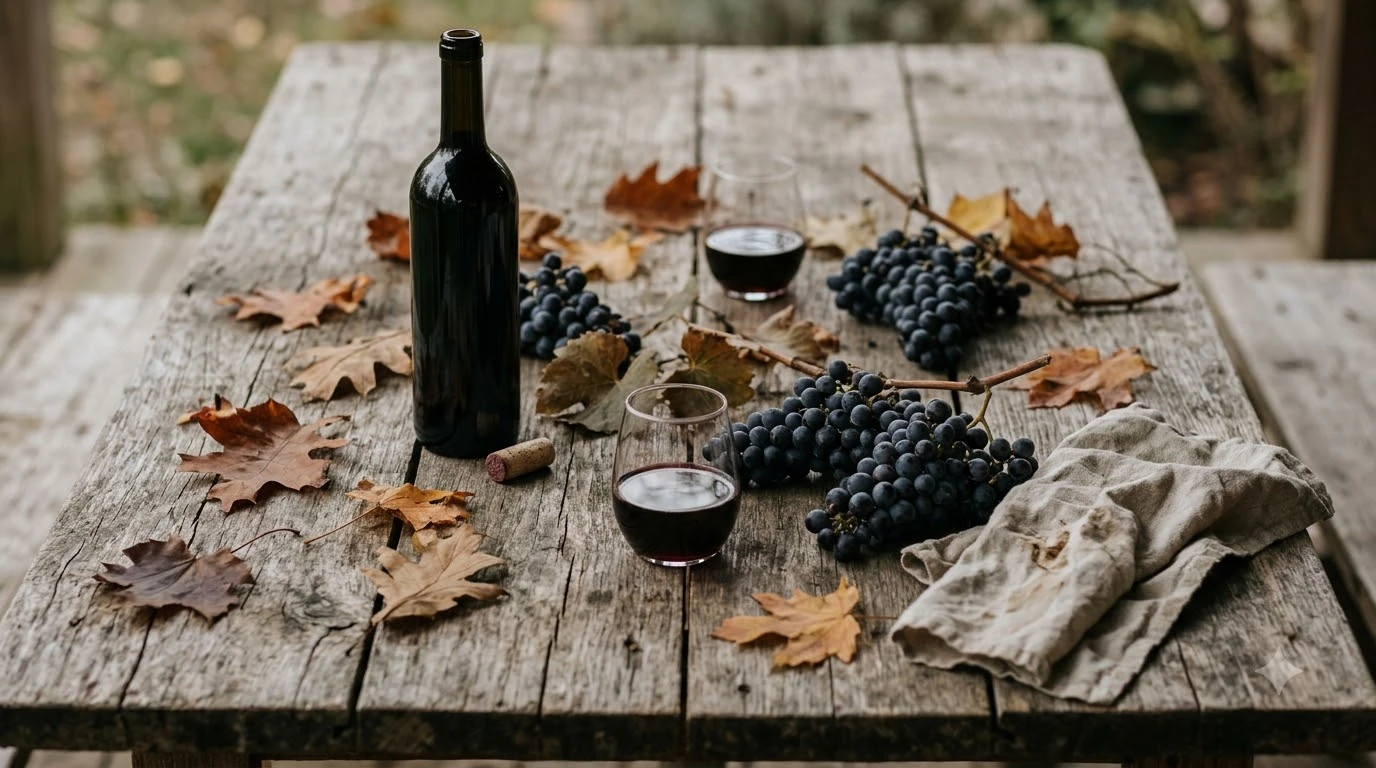
Whether is marsala vegan depends entirely on the specific producer and how the wine is clarified before bottling. While Marsala starts with plant-based grapes, yeast, and grape spirit, many winemakers rely on animal-derived fining agents such as isinglass, egg whites, casein, or gelatin to remove haze and sediment. If a producer uses mineral clays like bentonite, plant proteins, or skips fining altogether, the finished Marsala is completely suitable for a vegan diet.
Because winemakers in the United States and the European Union are not legally required to print processing aids on bottle labels, shopping for a plant-based bottle of this classic Sicilian fortified wine requires a closer look at cellar practices. Understanding what goes into Marsala—from its indigenous coastal grapes to the clarifying agents used in the barrel room—makes it much easier to choose a bottle you can pour or cook with in full confidence.
What Marsala Wine Actually Is
Marsala is a fortified wine produced exclusively in the province of Trapani on the western coast of Sicily, where it has held Denominazione di Origine Controllata (DOC) status since 1969. Like other fortified styles such as Port, Sherry, and Madeira, it begins as a standard base wine that is strengthened with a neutral grape spirit, raising its alcohol content to between 17% and 20% by volume.
Most authentic Marsala is crafted from three indigenous white Sicilian grape varieties: Grillo, Inzolia, and Catarratto, with Damaschino occasionally playing a supporting role. According to Wine Folly’s guide to the Marsala wine region, Grillo contributes spice, nuttiness, and a subtle coastal salinity, while Inzolia adds aromatic richness and body. For ruby-colored styles, producers turn to local red grapes including Nero d’Avola, Perricone, and Nerello Mascalese.
At its core, every ingredient required to make traditional Marsala is agricultural and plant-derived. Grapes, fermentation yeasts, distilled grape brandy, and optional sweetening components like mosto cotto (cooked grape must) or mistella (unfermented grape juice fortified with brandy) contain no animal products. The reason Marsala is not automatically vegan lies not in its recipe, but in a post-fermentation clarification step known as fining.
How Fining Agents Affect Vegan Status
Newly fermented and fortified wine naturally contains suspended proteins, tannins, and microscopic yeast particles that give it a cloudy appearance and a slightly rough mouthfeel. To achieve visual brilliance and structural smoothness before bottling, many wineries introduce fining agents that bind to those suspended solids so they can settle to the bottom and be filtered out.
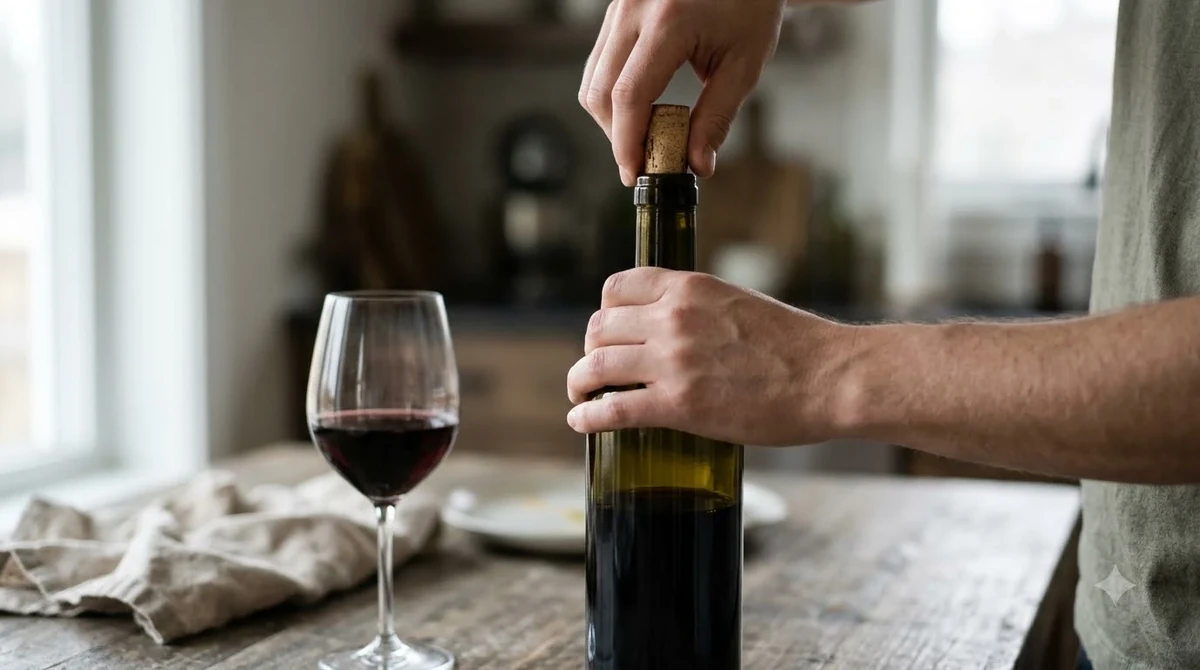
While fining agents are removed prior to bottling, trace amounts can remain, and the intentional use of animal products during production disqualifies a wine from being vegan. Traditional cellars frequently use casein (a milk protein) to brighten white wine bases, egg albumen (egg whites) to soften astringency, gelatin derived from animal collagen, or isinglass harvested from fish swim bladders.
Modern and vegan-conscious producers achieve the exact same clarity without animal inputs by turning to mineral or plant-based alternatives. Bentonite—a naturally occurring, negatively charged volcanic clay—is widely favored for stabilizing white wines, while pea protein, potato protein, and activated charcoal perform similar clarifying tasks. Some artisanal Sicilian houses skip fining entirely, allowing gravity and extended barrel maturation to clarify the wine naturally.
| Fining Agent | Source Material | Common Role in Winemaking | Vegan Friendly? |
|---|---|---|---|
| Bentonite | Natural mineral clay | Removes unstable proteins and haze in white wines | Yes |
| Pea or Potato Protein | Legumes and tubers | Binds to bitter tannins and suspended solids | Yes |
| Activated Charcoal | Carbonized plant matter | Corrects excess color and off-odors | Yes |
| Casein | Cow’s milk protein | Brightens color and removes phenolic bitterness | No |
| Egg Albumen | Chicken egg whites | Softens harsh tannins in red and structured wines | No |
| Isinglass | Fish swim bladders | Clarifies white and sparkling wines rapidly | No |
| Gelatin | Animal collagen | Strips heavy tannins and clarifies cloudy batches | No |
Marsala Styles, Aging Tiers, and Ingredients
Marsala is classified along three distinct axes: color, sweetness, and minimum barrel aging, and none of these categories guarantees whether a bottle is vegan. Understanding how each tier is constructed helps clarify why checking the specific producer matters far more than selecting a particular style.
Color divides Marsala into Oro (golden, made from white grapes), Ambra (amber, darkened with cooked grape must), and Rubino (ruby, made from red grapes). Sweetness spans from Secco (dry, with up to 40 grams of residual sugar per liter), through Semisecco (off-dry, 41 to 100 grams per liter), to Dolce (sweet, exceeding 100 grams per liter). Because Rubino relies on red grape skins rich in tannins, winemakers are statistically more likely to consider gelatin or egg whites for softening, whereas Oro and Ambra bases more commonly encounter casein or bentonite—much like the dynamics explained in our guide on whether white wine is vegan.
Aging tiers range from Fine (aged at least one year, minimum 17% to 17.5% ABV) and Superiore (at least two years, 18% ABV) up to Superiore Riserva (four years), Vergine or Soleras (five years), and Vergine Stravecchio (ten years or more). According to Difford’s Guide to Marsala, producers are prohibited from adding sugar or cooked must to Vergine wines, meaning their complexity derives strictly from base wine, grape spirit, and long wood aging. Even in these purist tiers, however, a winery may still fine the base wine before barrel maturation.
Cooking Marsala vs. Authentic DOC Marsala
Many shoppers encounter Marsala in the grocery store aisle rather than a wine shop, where bottles labeled “Marsala cooking wine” sit next to vinegars and oils. These culinary products sit completely outside the Sicilian DOC regulations and require separate scrutiny from a vegan perspective.
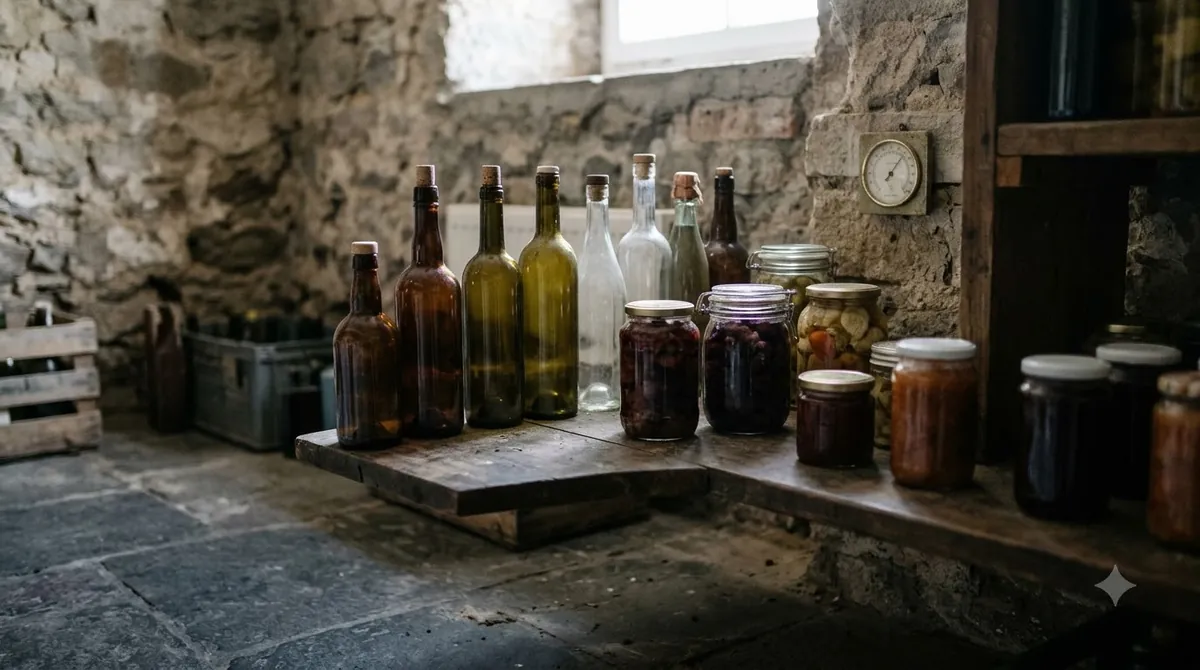
Commercial cooking Marsala is typically a lower-alcohol wine product blended with salt, preservatives, and occasionally artificial colorings or flavor enhancers to make it shelf-stable and unpalatable as a beverage. While salt and sulfites are vegan, the bulk base wine used in mass-market cooking brands is frequently clarified with inexpensive animal-derived fining agents like gelatin or casein, and manufacturers rarely publish detailed ingredient sourcing.
By contrast, using an authentic dry (Secco) DOC Marsala for pan sauces, mushrooms, or braised dishes yields dramatically better culinary flavor while giving you far greater transparency. Real Sicilian producers maintain technical sheets for importers and consumers, allowing you to confirm vegan status before opening the bottle for dinner—and you can read more about how Marsala’s alcohol content behaves during simmering and reduction.
Tip: Never assume a bottle labeled “organic” or “unfiltered” is automatically vegan; organic rules govern vineyard farming rather than cellar fining agents, and an unfiltered wine may still have been fined earlier in production.
How to Verify If a Bottle of Marsala Is Vegan
Because ingredient disclosures remain voluntary for most wine bottles sold in the United States, confirming a Marsala’s vegan status comes down to a few reliable verification habits. Combining label inspection with digital databases takes the guesswork out of shopping.
Start by examining both the front and back labels for an official certification mark, such as the Vegan Society sunflower, the Certified Vegan logo from Vegan Action, or a plain-text statement reading “Suitable for Vegans.” Producers who invest in plant-based fining increasingly highlight it on their packaging as a selling point, a trend that also makes checking whether Prosecco is vegan much easier than it was a decade ago.
When a bottle carries no explicit claim, search the producer and specific bottling on Barnivore, a crowd-verified directory that archives direct email confirmations from wineries worldwide. Because winemakers occasionally adjust their fining protocols from one vintage or aging tier to the next, always match the exact cuvée—such as Superiore Secco versus Fine Dolce—or send a brief inquiry directly to the winery’s hospitality or export team.
Frequently Asked Questions
Is Marsala cooking wine vegan?
Not necessarily. Supermarket Marsala cooking wines are salted, non-DOC products made from bulk wine that is often clarified with animal-derived fining agents like casein or gelatin. Unless the bottle explicitly carries a vegan label or producer confirmation, it is safer to cook with a verified vegan DOC Marsala.
Are sulfites in Marsala wine animal-derived?
No, sulfites are entirely vegan. Sulfur dioxide occurs naturally during fermentation and is also added in small amounts as an antioxidant and preservative, but it contains no animal byproducts. A “Contains Sulfites” warning on a Marsala label has no bearing on whether the wine is plant-based.
Does organic Marsala mean the wine is vegan?
No, organic certification and vegan status address two separate stages of winemaking. Organic standards regulate how grapes are farmed in Sicily without synthetic pesticides or fertilizers, but they still permit traditional animal fining agents such as egg whites and milk protein inside the winery.
Is Marsala Vergine always vegan because it has no additives?
No, even though Marsala Vergine prohibits added sugar or cooked grape must, it is not automatically vegan. Winemakers can still use animal-derived fining agents like isinglass or casein to clarify the base wine prior to its mandatory five-year barrel aging.
Checking a bottle’s back label or spending thirty seconds on a winery database ensures your next glass or pan sauce aligns with a plant-based lifestyle. Once you identify a Sicilian producer that relies on bentonite clay or natural settling, you can enjoy authentic Marsala in both savory recipes and classic desserts with complete peace of mind.
More in Wine Types & Grapes
 Zinfandel Sugar Content: Dry Red vs. White Zinfandel GramsUpdated Nov 21, 2026
 Best Zinfandel Substitute Options for Sipping and CookingUpdated Nov 21, 2026
 Zweigelt Food Pairing: Best Dishes, Cheeses, and Serving TipsUpdated Nov 21, 2026
 Zinfandel Tannins Explained: How Structure Shapes Every BottleUpdated Nov 21, 2026
 Zinfandel Sweetness Level: Dry Red vs. Sweet White Zin ExplainedUpdated Nov 21, 2026
 Xinomavro Food Pairing: Best Dishes, Styles, and Serving TipsUpdated Nov 21, 2026