

We may earn a commission when you buy through links on this page, at no extra cost to you. Learn more.
Yes, is malbec gluten free is a question with a clear answer: traditional unflavored Malbec wine is naturally gluten-free because it is made solely from fermented wine grapes and yeast. Neither the fruit itself nor standard alcoholic fermentation contains wheat, barley, or rye. Under FDA guidelines, finished wines sit well below the 20 parts per million threshold required for gluten-free status, though flavored wine coolers or pre-mixed wine cocktails may introduce grain-derived additives.
Understanding how Malbec moves from vineyard harvest to bottle clarifies why the grape poses virtually no gluten concern for everyday wine drinkers, while also highlighting the few cellar practices and bottled wine beverages worth checking before pouring a glass.
What Is Malbec and Why Is It Gluten-Free?
Malbec is a dark-skinned red wine grape that produces deeply colored, fruit-forward red wines without any cereal grains in its recipe. Because winemakers rely on grape sugars and yeast rather than malted barley or wheat, pure Malbec belongs alongside other Wine by Type varietals that are naturally free of gluten.
At its core, red winemaking is a straightforward agricultural fermentation. Growers harvest ripe Malbec clusters, crush the berries to release juice and skins, and allow yeast strains to convert natural grape sugars into alcohol and carbon dioxide. None of these primary ingredients—Vitis vinifera grapes, native or cultured yeast, and small amounts of sulfites used for freshness—contain gluten proteins. Unlike beer or malt beverages, which depend on steeped barley or wheat mash for fermentable carbohydrates, grape wine gets all of its sugar directly from the fruit on the vine.
Confusion around gluten in red wine usually stems from two secondary cellar steps rather than the grape itself: clarification and barrel aging. According to Beyond Celiac, unadulterated Malbec is safe on a gluten-free diet, even though trace cross-contact has historically been discussed around fining agents and oak cask sealants. In modern commercial wineries, common fining materials include bentonite clay, egg whites, or pea protein rather than wheat gluten, and independent laboratory testing shows that even wines aged in traditional barrels sealed with wheat flour paste consistently measure well under the federal 20 ppm limit.
Flavor Profile and Winemaking Styles
Malbec is celebrated for its plush texture, dark fruit character, and approachable structure, making it a staple for drinkers who enjoy bold reds without harsh astringency. Most bottlings sit in a dry, full-bodied style with medium tannins, medium-low acidity, and an alcohol by volume ranging from 13.5% to 15%.

When poured into a glass, Malbec stands out immediately for its opaque, inky purple-red hue and magenta rim. On the nose and palate, classic examples deliver ripe blackberry, black plum, and dark cherry notes layered with subtle hints of violet, cocoa, and sweet baking spice. According to Wine Folly, top-rated examples typically show total acidity around 4 to 6 grams per liter and a pH between 3.65 and 3.75, which explains why the wine feels round and velvety rather than sharp on the mid-palate.
Winemakers shape Malbec into two primary stylistic expressions depending on vessel choice and extraction. Unoaked or stainless-steel-fermented bottlings emphasize bright red plum, crushed violets, and juicy freshness while eliminating any theoretical contact with oak barrel paste. Conversely, reserve-tier Malbec aged in French or American oak barrels develops richer flavors of vanilla, mocha, leather, and toasted cedar alongside denser tannins built for bottle aging.
Where Malbec Grows Best
Although Malbec originated in southwestern France, Argentina now dominates global cultivation and accounts for over 75% of the world’s Malbec production across roughly 100,000 acres planted worldwide. High-elevation vineyards with intense sunlight and cool nights bring out the grape’s signature color and balanced acidity.
In Argentina’s Mendoza province—particularly in the Uco Valley and Luján de Cuyo—vineyards sit between 3,000 and 4,000 feet above sea level. Reviewers at Wine Folly note that Malbec struggles to retain natural acidity in warm, low-lying sites, whereas dramatic diurnal temperature swings in the Andes foothills slow down sugar accumulation and lock in vibrant freshness. These high-altitude Argentine bottlings tend to taste lush, floral, and generously fruited.
Back in its ancestral home of Cahors in southwest France, Malbec—often called Côt locally—takes on a distinctly firmer, more rustic personality. Cooler maritime-influenced weather and limestone-clay soils yield wines with darker savory notes of black currant, espresso, graphite, and grippier tannins. Smaller plantings in California, Washington State, and Chile bridge the gap between these two poles, offering ripe dark berry fruit framed by structured oak.
How Malbec Compares to Other Gluten-Free Wines
Every classic single-varietal wine made purely from fermented grapes shares Malbec’s naturally gluten-free foundation, though each grape brings different cellar traditions and tasting profiles to the table. Reviewing how popular varietals compare makes it easy to pick a safe bottle that matches your palate.
| Wine Varietal | Gluten Status | Typical ABV | Body & Tannin | Common Aging Vessel |
|---|---|---|---|---|
| Malbec | Naturally gluten-free (unflavored) | 13.5%–15% | Full body, medium tannins | Oak barrels or stainless steel |
| Cabernet Sauvignon | Naturally gluten-free (unflavored) | 13.5%–15% | Full body, high tannins | French or American oak barrels |
| Pinot Noir | Naturally gluten-free (unflavored) | 12.5%–14% | Light-to-medium body, low tannins | French oak barrels or steel |
| Sauvignon Blanc | Naturally gluten-free (unflavored) | 12%–13.5% | Light body, crisp high acidity | Stainless steel tanks |
Just like Malbec, full-bodied reds such as is cabernet sauvignon gluten free and lighter reds covered in our guide on is pinot noir gluten free rely strictly on grape fermentation without grain inputs. If you prefer crisp white wines aged almost exclusively in stainless steel tanks, checking is sauvignon blanc gluten free shows how tank fermentation removes oak barrel contact altogether.
The real dividing line on retail shelves is between traditional table wine and flavored wine-based drinks. Bottled wine coolers, spritzers, and sweetened wine cocktails frequently incorporate barley malt, artificial flavorings, or grain-derived colorings that are unsafe for gluten-free diets. Sticking to standard 750 mL bottlings labeled simply with the grape variety and region keeps you firmly in safe territory.
How to Serve and Store Malbec
Proper serving temperature and brief aeration keep Malbec’s dark fruit lifted and prevent its alcohol from feeling heavy on the palate. Aim for a slightly cool cellar temperature between 60°F and 68°F rather than warm kitchen room temperature.
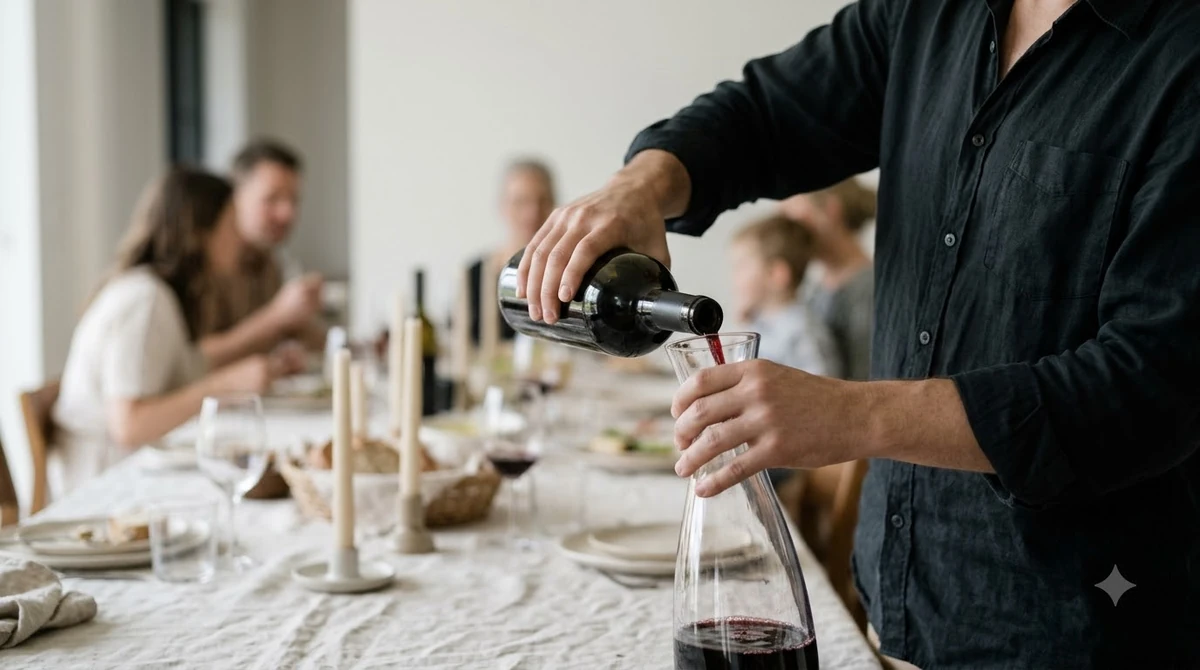
Because modern American homes typically sit around 68°F to 70°F, placing a bottle of Malbec in the refrigerator for 20 to 30 minutes before pulling the cork brings it right into its sweet spot. Serving the wine too warm makes the alcohol taste hot and muddles its floral violet aromatics, while chilling it too cold tightens the tannins and mutes the plum and blackberry fruit. Pouring into a large-bowled red wine glass gives the aromas plenty of surface area to open up.
Giving Malbec 30 minutes in a decanter before dinner softens young tannins and lets subtle spice and floral notes emerge. While entry-level, fruit-driven bottles are crafted to be enjoyed within three to five years of the vintage date, structured high-altitude or oak-aged reserves can cellar gracefully for five to ten years in a cool, dark spot.
Tip: Put your bottle of Malbec in the fridge for 20 minutes before opening so it lands right around 62°F, keeping the dark berry fruit bright and the alcohol balanced.
Gluten-Free Food Pairings for Malbec
Malbec’s medium tannins, plush berry fruit, and savory undertones make it one of the most versatile red wines for naturally gluten-free meals. Its richness stands up to charred proteins and earthy vegetables without overwhelming the plate.
Grilled meats are the classic match, especially Argentine-style skirt steak or ribeye seasoned simply with sea salt and paired with herb-driven chimichurri. The wine’s ripe plum fruit and moderate tannin grip cut cleanly through marbled beef, while its herbal and peppery nuances echo fresh parsley, garlic, and oregano. Roast lamb, pork tenderloin, and slow-braised beef short ribs also pair effortlessly with structured, oak-aged bottles.
For meatless or lighter gluten-free dinners, lean into umami-rich ingredients that mirror Malbec’s earthy depth. Roasted portobello mushrooms, black bean stews, grilled eggplant, and aged hard cheeses like Manchego or sharp cheddar bring out the wine’s velvety texture. Because Malbec lacks the searing tannins of young Cabernet Sauvignon, it also works nicely alongside mildly spiced dishes like cumin-rubbed roasted squash or smoky chipotle chili.
How to Choose a Bottle Safely
Shopping for a gluten-free Malbec comes down to reading the label for purity, checking alcohol and oak cues for your preferred style, and knowing what to avoid. Most single-varietal bottles on the wine aisle require no special hunting once you know the basics.
Start by choosing traditional, unflavored Malbec labeled with a specific wine region—such as Mendoza, Uco Valley, Luján de Cuyo, or Cahors—rather than sweetened novelty wine beverages. Under Alcohol and Tobacco Tax and Trade Bureau (TTB) guidelines, wineries may include a gluten-free claim on labels when no gluten-containing ingredients are used and cross-contact is prevented, though the vast majority of producers do not pay for third-party certification because grape wine is inherently gluten-free.
If you want extra peace of mind or prefer a crisper taste, check the back label for clues about fermentation and aging. Bottles listing an ABV near 13.5% and mentioning stainless steel aging deliver pure fruit expression with zero barrel contact, while bottles closer to 14.5% or 15% ABV indicate riper fruit and richer oak influence.
Frequently Asked Questions
Is Malbec wine safe for people with celiac disease?
Yes, traditional unflavored Malbec wine is naturally gluten-free and widely considered safe for people with celiac disease by major advocacy organizations like Beyond Celiac. It is fermented exclusively from wine grapes and yeast without wheat, barley, or rye. Even in rare cases where oak barrels are sealed with wheat paste, testing shows gluten levels stay well below the FDA limit of 20 parts per million.
Can oak barrels or fining agents add gluten to Malbec?
Modern winemakers rarely use gluten-derived fining agents, relying instead on bentonite clay, egg whites, or vegan pea proteins to clarify wine. While some traditional coopers historically used small amounts of wheat flour paste to seal oak barrel heads, studies show finished wines contain well under 20 ppm of gluten. Drinkers who want to avoid barrel contact altogether can select unoaked Malbec aged in stainless steel tanks.
Are all Malbec wine drinks and coolers gluten-free?
No, pre-mixed wine coolers, flavored wine beverages, and certain bottled wine cocktails are not automatically gluten-free. Many wine coolers are formulated with barley malt or grain-based flavor additives that contain gluten. Always stick to pure, unflavored table wine or check ingredient labels carefully on canned and flavored wine products.
Why does Malbec sometimes cause headaches or stomach upset if it has no gluten?
When someone feels unwell after drinking Malbec, the culprit is typically alcohol content, naturally occurring sulfites, histamines, or grape tannins rather than gluten. Malbec often carries 13.5% to 15% ABV alongside rich polyphenol compounds from its thick dark skins. Drinking water alongside your glass and serving the wine slightly cool can make higher-alcohol reds much easier to enjoy.
Whether you pour a vibrant, unoaked bottle from Mendoza or an earthy reserve from Cahors, pure Malbec brings rich dark-fruit character to the table without wheat, barley, or rye. Keeping an eye out for unflavored table wines and serving your bottle lightly chilled lets you enjoy every glass with confidence.
More in Wine Types & Grapes
 Zinfandel Sugar Content: Dry Red vs. White Zinfandel GramsUpdated Nov 21, 2026
 Best Zinfandel Substitute Options for Sipping and CookingUpdated Nov 21, 2026
 Zweigelt Food Pairing: Best Dishes, Cheeses, and Serving TipsUpdated Nov 21, 2026
 Zinfandel Tannins Explained: How Structure Shapes Every BottleUpdated Nov 21, 2026
 Zinfandel Sweetness Level: Dry Red vs. Sweet White Zin ExplainedUpdated Nov 21, 2026
 Xinomavro Food Pairing: Best Dishes, Styles, and Serving TipsUpdated Nov 21, 2026