

We may earn a commission when you buy through links on this page, at no extra cost to you. Learn more.
Is La Crema Chardonnay good? Yes, La Crema Chardonnay is a good choice for wine drinkers who enjoy fruit-forward California white wine with refreshing acidity, moderate oak influence, and a rounded texture. Its Sonoma Coast bottling combines citrus, pear, apple, and peach flavors with subtle oak and a richer finish. It is particularly appealing if you want a Chardonnay that feels flavorful and polished without being overwhelmingly buttery or heavy.
La Crema is a recognizable name for people exploring California Chardonnay, but whether its wines suit your preferences depends on the particular bottling and the style you enjoy. The Sonoma Coast Chardonnay offers a useful starting point because its fruit character, balanced acidity, and oak make it approachable with food or on its own. Understanding its sweetness, texture, alcohol content, and regional differences can help you decide whether it deserves a place in your wine collection.
Who Should Choose La Crema Chardonnay?
La Crema Chardonnay is best suited to people who enjoy recognizable fruit flavors, a medium-bodied white wine, and enough acidity to keep a richer texture from feeling heavy. Its Sonoma Coast expression is particularly appealing to drinkers who want a California Chardonnay that balances freshness with some creamy, oak-influenced character.
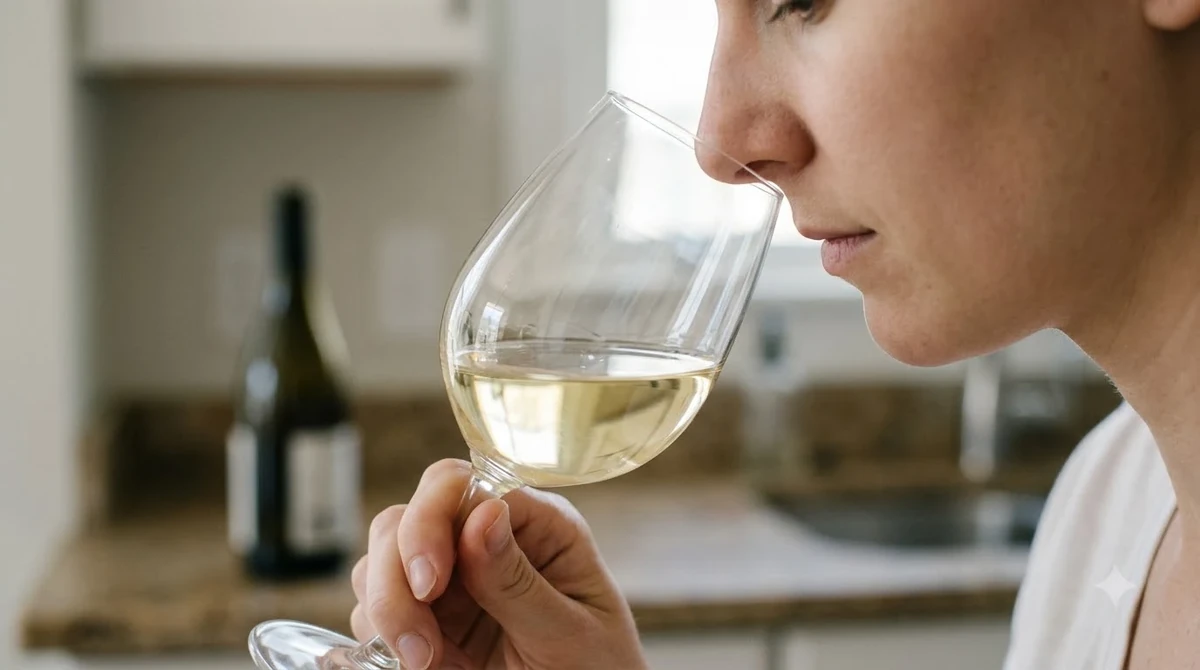
One of its main attractions is the combination of citrus and orchard fruit. La Crema’s description of the 2024 Sonoma Coast Chardonnay identifies Meyer lemon, pear, white flowers, crisp apple, golden peach, and pineapple. These flavors create a profile that is fruity without necessarily tasting sugary. A wine can have ripe fruit aromas and flavors while remaining dry, and that distinction matters when deciding whether this Chardonnay matches your preferences.
It is also a reasonable choice for people who enjoy Chardonnay but do not want every bottle to taste heavily of butter, vanilla, or toasted wood. The producer describes subtle oak hints in the Sonoma Coast bottling, while Wine Enthusiast’s review of the 2024 vintage emphasizes citrus, peach, apple, lively acidity, and a clean finish. Together, these descriptions suggest a style in which fruit and freshness remain important alongside the richer elements.
However, someone who strongly prefers extremely lean, unoaked whites might find La Crema’s Chardonnay richer than expected. If your favorite wines are sharply mineral Sauvignon Blancs or very light Pinot Grigio, the rounded texture and peach-driven fruit of California Chardonnay may represent a noticeable change.
Who will probably enjoy it?
- Chardonnay drinkers who like apple, pear, citrus, and peach flavors.
- People who appreciate some oak character without wanting an aggressively buttery profile.
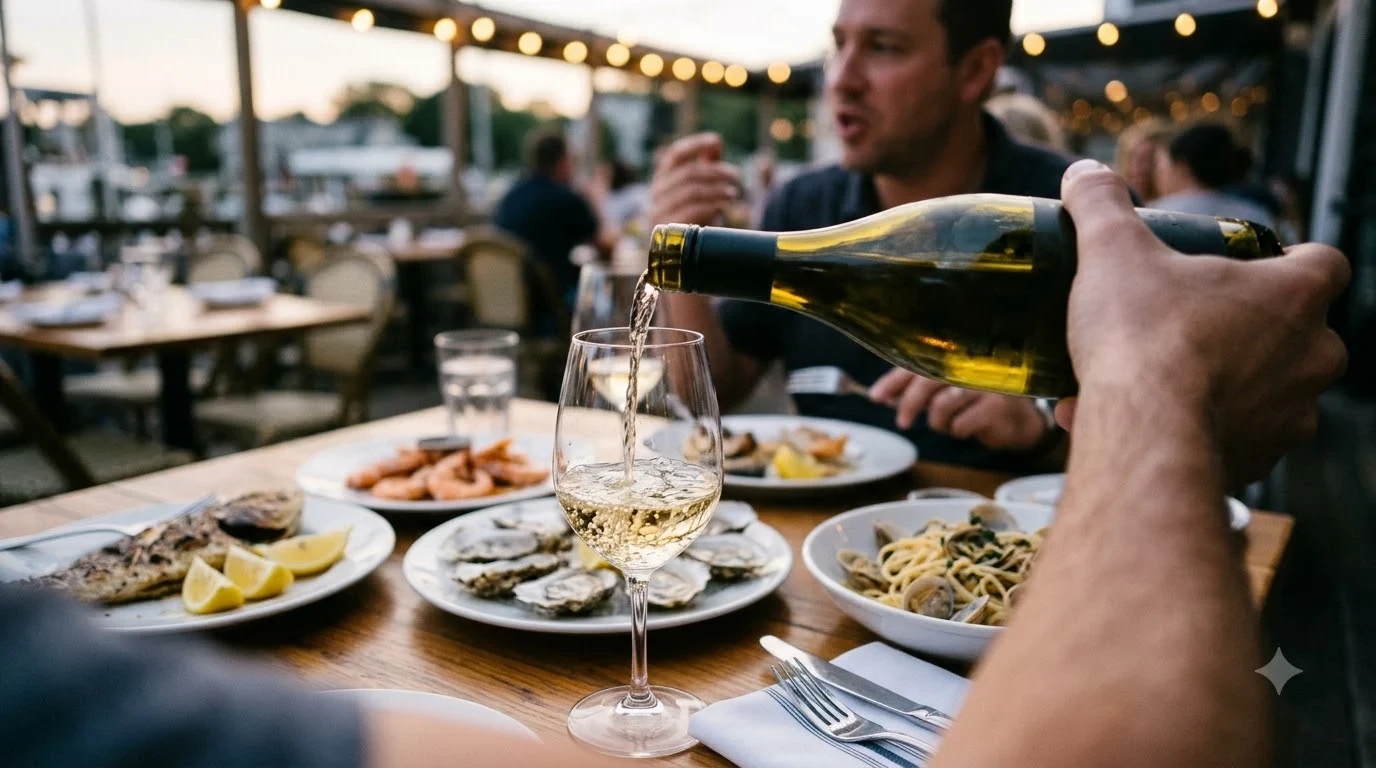
- Hosts looking for a versatile white wine to serve with seafood or roast chicken.
- Wine beginners who want an approachable introduction to California Chardonnay.
- Drinkers who prefer a dry white wine with noticeable fruit rather than pronounced sweetness.
People seeking a very sweet wine, a strongly mineral white, or a powerful, intensely buttery Chardonnay may want to compare other styles before choosing. The best starting point is understanding how La Crema balances fruit, acidity, and oak.
Key Factors to Compare Before Buying
Three important considerations are flavor, acidity, and alcohol content. The 2024 Sonoma Coast bottling provides measurable details that help explain its style, while independent tasting commentary offers another perspective on how those characteristics come together.
| Factor | La Crema Sonoma Coast Chardonnay | What It Means |
|---|---|---|
| Grape composition | 100% Chardonnay | A varietal white wine made entirely from Chardonnay. |
| Alcohol | 13.5% ABV | A moderate-to-full alcohol level for a dry California white. |
| Bottle size | 750 ml | Approximately five standard 5-ounce pours. |
| Vintage used for reference | 2024 | The vintage identified on the producer’s product description. |
| Primary fruit notes | Meyer lemon, pear, apple, peach, pineapple | A combination of citrus, orchard fruit, and tropical fruit. |
| Oak character | Subtle oak hints | Some richness without an explicitly dominant toasted-wood profile. |
| Acidity | Described as balanced and lively | Helps offset the wine’s fuller fruit and texture. |
| Serving temperature | 50–55°F | A suitable range for fuller-bodied white wine. |
The grape composition and alcohol figure come directly from La Crema’s product information. The serving range follows standard recommendations for full-bodied white wine rather than a specific producer instruction. These details are useful because a Chardonnay’s alcohol level, acidity, and texture can influence how it feels alongside food.
Wine Enthusiast’s review of the 2024 Sonoma Coast Chardonnay identifies fresh citrus, white peach, Gala apple, pear tart, pineapple, chalky minerality, and green herbs. It also describes lively acidity and a light, clean finish. That independent description is useful for understanding why the wine can feel refreshing despite its richer fruit character. The complete Wine Enthusiast review of La Crema 2024 Sonoma Coast Chardonnay provides additional tasting detail.
For more detail about the wine’s aroma and flavor profile, see our guide to La Crema Chardonnay tasting notes. It helps distinguish the flavors commonly associated with the Sonoma Coast bottling from the characteristics you might encounter in other Chardonnay styles.
How important is alcohol content?
Alcohol affects perceived warmth, body, and the overall balance of a wine. At 13.5% ABV, the 2024 Sonoma Coast Chardonnay is not an especially low-alcohol white wine, but its acidity and fruit profile help prevent the wine from feeling excessively heavy.
Alcohol content is also useful when comparing different bottlings. Some La Crema Chardonnays from other regions and vintages have different reported alcohol levels. For a more detailed explanation, consult our article about La Crema Chardonnay alcohol content.
Tip: Do not judge a Chardonnay’s sweetness by how much ripe fruit you smell. Meyer lemon, pear, pineapple, and peach aromas can appear in a completely dry wine. Look at the wine’s overall style and tasting description rather than assuming fruity means sweet.
Step-by-Step: How to Decide Whether It Suits Your Taste
Choosing La Crema Chardonnay becomes easier when you compare your own preferences with the wine’s identifiable characteristics. A few simple checks can help you avoid buying a bottle that is too rich, too fruity, or too restrained for your palate.
-
Decide whether you prefer dry or sweet wine.
La Crema’s Sonoma Coast Chardonnay is best approached as a dry white wine. Its ripe pear, peach, apple, and pineapple flavors create fruitiness, but those characteristics do not automatically indicate residual sugar. If you normally enjoy dry Chardonnay, this is a sensible starting point.
-
Think about your preferred level of oak.
Some Chardonnay drinkers actively seek vanilla, butter, toast, and creamy barrel character. Others prefer citrus, green apple, and mineral notes. La Crema describes subtle oak hints in its Sonoma Coast bottling, making it a reasonable middle ground for people who enjoy some richness without wanting an overwhelmingly oaky wine.
-
Compare acidity and body.
Chardonnay generally has medium acidity, although climate and winemaking influence the final impression. The 2024 La Crema Sonoma Coast description emphasizes balanced acidity, while Wine Enthusiast describes it as lively. This combination helps the wine maintain freshness alongside its richer fruit flavors.
-
Choose the right regional expression.
La Crema produces Chardonnay associated with several California and Oregon growing regions. Sonoma Coast, Monterey, and Russian River Valley examples can have different fruit, texture, and ripeness profiles. A regional designation is therefore useful when comparing bottles rather than assuming every wine carrying the La Crema name tastes identical.
-
Consider what you will serve with it.
If you are planning seafood, roast chicken, or a creamy pasta dish, La Crema Chardonnay is a practical candidate. Its acidity can refresh the palate, while its fruit and texture complement richer ingredients. For a light salad with sharp vinaigrette, a more acidic Sauvignon Blanc might be a better match.
-
Check the vintage and bottle details.
Look at the regional designation, vintage, bottle size, and alcohol percentage. The 2024 Sonoma Coast example is 100% Chardonnay at 13.5% ABV in a 750 ml bottle. These details give you a more reliable comparison than relying on the brand name alone.
-
Serve it at an appropriate temperature.
Chill a fuller-bodied Chardonnay to approximately 50–55°F. Serving it much colder can suppress its aromas, while serving it too warm can make alcohol and richness more noticeable. Allow a refrigerated bottle a short time to warm slightly before pouring if it seems overly cold.
These steps are particularly useful if you are choosing a bottle for guests with different wine preferences. A balanced Chardonnay can appeal to both fruit-focused drinkers and people who appreciate a richer white wine, although it will not satisfy everyone equally.
Types and Styles of La Crema Chardonnay Explained
La Crema Chardonnay should not be treated as one completely uniform wine. Regional origin, fruit ripeness, oak treatment, and vintage conditions all contribute to the finished character, so identifying the particular bottling is important.
Sonoma Coast Chardonnay
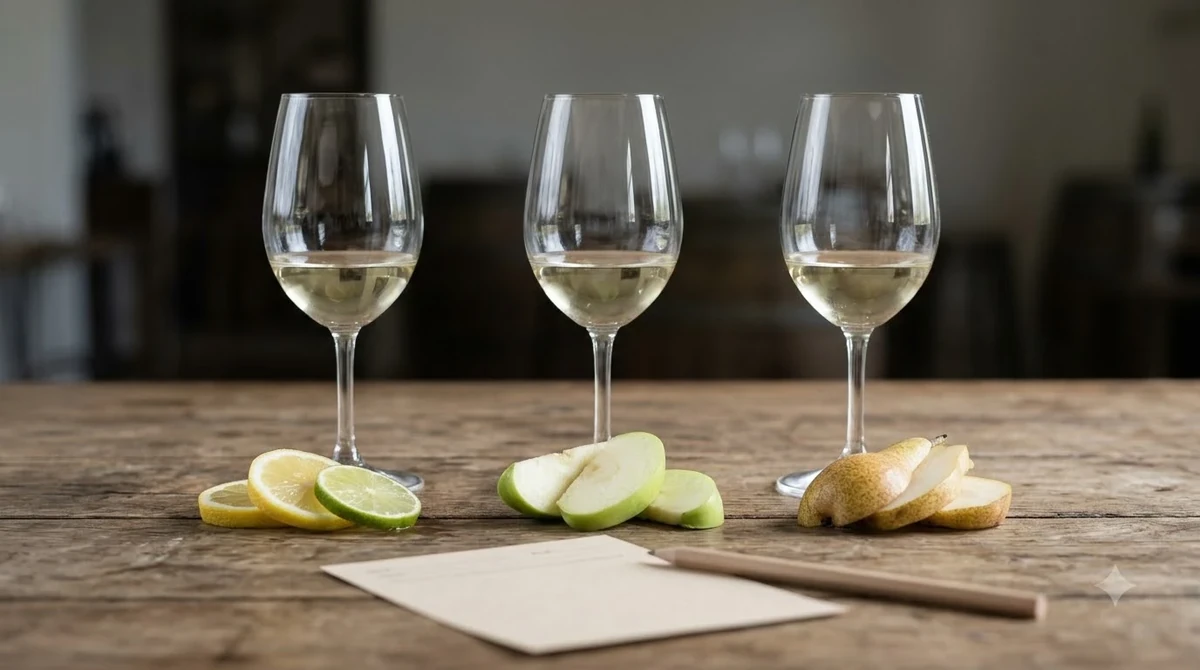
The Sonoma Coast bottling is a useful introduction to the producer’s Chardonnay style. The 2024 description combines Meyer lemon, pear, white flowers, crisp apple, golden peach, and pineapple with subtle oak hints and graham cracker pie crust character.
Its combination of fruit, richness, and balanced acidity makes it versatile at the dinner table. It is especially suitable for people who enjoy a recognizable California Chardonnay profile but still want citrus freshness. The 2024 bottle’s 13.5% ABV also provides a useful benchmark when comparing other wines in the range.
Monterey Chardonnay
Monterey Chardonnay is another regional expression worth considering. The broader Central Coast setting can produce wines with bright citrus and orchard-fruit character, although the exact profile depends on vineyard location, growing conditions, and winemaking decisions.
La Crema’s 2024 Monterey Chardonnay provides a useful comparison. Wine Enthusiast describes lemon zest, lime pith, sliced apple, Meyer lemon, and nectarine in that bottling. Its tasting description emphasizes an energetic profile, making it a possible alternative for people who prioritize citrus and freshness.
Russian River Valley Chardonnay
Russian River Valley Chardonnay offers another style to explore within the broader La Crema range. The region is associated with Chardonnay and Pinot Noir, and its cooler growing areas can support wines that combine ripe fruit with refreshing acidity.
La Crema’s Russian River Valley Chardonnay description identifies nectarine, pineapple blossoms, Meyer lemon, and crème brûlée. It also describes a richly textured white wine with citrus blossom, apple, nectarine, lemon meringue pie, and caramel character. This makes it an interesting choice for people who enjoy a fuller, more textured expression.
How oak changes the experience
Oak is one of the most important factors in Chardonnay’s flavor and texture. Fermentation and aging in oak barrels can contribute vanilla, spice, toast, and a broader mouthfeel, while stainless-steel fermentation generally preserves a more direct expression of fruit.
La Crema’s 2022 Sonoma Coast technical sheet provides a useful example of its winemaking approach for that particular vintage. It describes approximately six months of barrel maturation, a combination of French and American oak, and 17% new oak. It also describes monthly lees stirring and approximately six months of aging on lees. These are details for the 2022 vintage, not specifications that should automatically be applied to every newer bottle.
Lees aging can contribute texture and a richer impression without necessarily making the wine sweet. This helps explain how a Chardonnay can have noticeable weight and a rounded finish while retaining enough acidity to remain refreshing.
For people who enjoy exploring wine producers, our broader Wine Brands resource provides additional context for comparing California wineries and their different approaches to familiar grape varieties.
For the current Sonoma Coast bottling’s composition, tasting description, and pairing suggestions, consult the official La Crema Sonoma Coast Chardonnay product information.
Common Mistakes When Choosing La Crema Chardonnay
The most common purchasing mistake is assuming that all Chardonnay tastes the same. La Crema’s regional bottlings, oak treatment, and vintage differences can produce meaningful changes in flavor and texture.
Assuming fruity means sweet
Ripe apple, pear, peach, and pineapple are common Chardonnay flavor descriptions. They refer to fruit aromas and flavors rather than necessarily indicating added sweetness or substantial residual sugar.
The 2022 Sonoma Coast technical sheet reports residual sugar of 0.2 g/L, demonstrating how fruit-forward flavors can coexist with a very dry wine. That measurement belongs to the 2022 bottling and should not automatically be applied to the 2024 wine.
Expecting every bottle to taste buttery
Butter is often associated with Chardonnay because malolactic fermentation can convert sharper malic acid into softer lactic acid, contributing to a rounder impression. Oak aging and lees contact can also influence texture and flavor.
However, La Crema’s Sonoma Coast Chardonnay is not necessarily an intensely buttery wine. Its producer emphasizes citrus, pear, peach, and subtle oak, while Wine Enthusiast highlights lively acidity and a clean finish. People seeking a strongly buttery style should compare specific bottlings rather than assuming that the grape or brand guarantees that characteristic.
Buying by brand name alone
A winery’s name is only one part of a bottle’s identity. Regional origin, vintage, and winemaking decisions influence the final wine, so a Sonoma Coast Chardonnay should not automatically be considered interchangeable with a Monterey or Russian River Valley bottling.
This is particularly important when buying several bottles for an event. If consistency matters, choosing the same regional expression and vintage is generally a better approach than mixing different bottles based solely on the producer’s name.
Serving the wine too cold
White wine is often served straight from a very cold refrigerator. However, excessive chilling can make Chardonnay’s fruit and oak aromas harder to appreciate. A fuller-bodied Chardonnay is generally better served around 50–55°F than at the colder temperatures commonly used for sparkling wine.
Pairing it with the wrong food
Not every dish benefits from Chardonnay’s combination of fruit and richness. Highly acidic sauces can make a moderately acidic wine seem flat, while very spicy dishes can make alcohol more noticeable and increase the perception of heat.
Oily fish can also be challenging with tannic red wines, although that is less of a concern with a white Chardonnay. The better approach is to consider the preparation method, sauce, seasoning, and overall richness of the dish rather than pairing by the main ingredient alone.
Care, Storage, Serving, and Food Pairing Tips
La Crema Chardonnay is most enjoyable when served at the right temperature and paired with food that complements its fruit and acidity. Proper storage also helps preserve the wine’s freshness and prevents unnecessary flavor deterioration.
Best serving temperature
Serve La Crema Chardonnay at approximately 50–55°F. This range is appropriate for fuller-bodied white wines and allows the wine’s citrus, pear, peach, and oak-related aromas to become more apparent.
If the bottle has been stored in a refrigerator, take it out briefly before serving. Pour a small amount and allow the wine to develop in the glass. If the aromas seem muted, giving it a few minutes to warm slightly can make a noticeable difference.
Food pairings that work particularly well
La Crema specifically recommends several seafood dishes for its Sonoma Coast Chardonnay. Cracked crab, lobster, shrimp, and scallops served with buttery or creamy sauces are natural choices because the wine’s fruit and acidity can complement the richness of the food.
Roast chicken is another strong pairing. The savory flavors of roasted poultry work well with the apple and pear character of Chardonnay, while the wine’s fuller texture makes it substantial enough to accompany a main course.
- Crab: Serve with melted butter, lemon, or a light seafood sauce.
- Lobster: Pair with a moderate amount of butter to complement the wine’s richness.
- Shrimp: Grilled or sautéed shrimp with lemon and herbs works particularly well.
- Scallops: Pan-seared scallops provide a delicate, slightly sweet contrast.
- Roast chicken: Pair with herbs, roasted vegetables, or a creamy pan sauce.
- Butternut squash risotto: Its creamy texture and gentle sweetness complement Chardonnay’s fruit character.
There is also room for dessert. La Crema specifically suggests Key lime pie as a pairing. Its citrus character can provide an interesting connection with the wine’s Meyer lemon notes, although dessert should generally be no sweeter than the wine if you want to avoid making the wine seem sour or bitter.
Storage recommendations
Store unopened Chardonnay in a cool, dark location with relatively stable temperatures. A temperature near 55°F is a useful general target for wine storage. Avoid placing bottles in direct sunlight, beside ovens, or in locations exposed to repeated temperature fluctuations.
If storing bottles with natural cork closures for an extended period, keeping them on their sides helps maintain contact between the wine and cork. Avoid unnecessary movement and strong vibrations, especially when keeping bottles for several months.
How long does an opened bottle last?
After opening, reseal the bottle securely and keep it refrigerated. Most opened still wines are best consumed within approximately three to five days, although the actual period depends on exposure to oxygen, storage temperature, and the wine’s condition.
Use a suitable wine stopper to reduce exposure to air. Before serving another glass, smell and taste a small amount to check whether the wine still has its fresh fruit character. If the aromas have become dull or noticeably oxidized, it may no longer offer the experience intended by the producer.
How much should you pour?
A standard wine serving is approximately 5 ounces. A 750 ml bottle therefore provides about five standard glasses, making it relatively easy to estimate how many bottles are needed for a dinner party.
For a meal with several courses, consider smaller pours so guests can enjoy the Chardonnay without filling their glasses excessively. This is especially helpful when the wine is being served alongside other alcoholic beverages.
Frequently Asked Questions
Is La Crema Chardonnay considered a premium wine?
La Crema is an established California wine producer with regional Chardonnay offerings and more specifically sourced bottlings. Its Sonoma Coast Chardonnay is positioned as an approachable regional wine, while vineyard-designated expressions can offer a different level of specificity and character. The term premium is subjective, so compare the particular bottling rather than judging every wine under the brand by the same standard.
Does La Crema Chardonnay contain oak flavors?
Yes, oak can contribute to the character of La Crema Chardonnay. The producer describes subtle oak hints in its Sonoma Coast bottling, and its 2022 technical information documents the use of French and American oak barrels. The intensity of these characteristics can differ according to vintage and winemaking choices.
Can La Crema Chardonnay be used for cooking?
Yes, dry Chardonnay can be used in recipes that call for white wine. It works particularly well in cream sauces, chicken dishes, seafood preparations, and risotto. Avoid using a bottle that has developed pronounced oxidation or unpleasant vinegar-like aromas, since those flavors can carry into the finished dish.
Should La Crema Chardonnay be decanted?
Decanting is generally unnecessary for a young, fresh Chardonnay intended for everyday drinking. Instead, pour it into a suitable white wine glass and give it a few minutes to open. A brief period of aeration may help a more concentrated or restrained bottling reveal additional aromas.
Is La Crema Chardonnay suitable for a wine tasting party?
Yes. It can be a useful reference wine in a Chardonnay tasting because its citrus, orchard-fruit, acidity, and oak characteristics provide several points for comparison. Serve it alongside an unoaked Chardonnay and a richer barrel-influenced example so guests can identify differences in texture, aroma, and winemaking style.
Overall, La Crema Chardonnay is a worthwhile choice for people who enjoy dry, fruit-forward white wine with balanced acidity and a touch of oak. The Sonoma Coast bottling is a particularly approachable starting point, offering citrus, pear, apple, peach, and a rounded finish that works well with seafood, chicken, and creamy dishes. If those characteristics match your preferences, La Crema deserves consideration the next time you are choosing a California Chardonnay.
More in Wine Brands
 Louis Latour Wine Price: Compare Bottles by Style and TierUpdated Nov 20, 2026
 Yellow Tail Moscato Price: What to Expect Before You BuyUpdated Nov 20, 2026
 Sutter Home Sweet Red Review: Find the Right Food PairingsUpdated Nov 20, 2026
 Franzia Chillable Red Review: Find the Right Serving StyleUpdated Nov 20, 2026
 Veuve Clicquot Rose Review: Flavor, Food Pairings and Buying AdviceUpdated Nov 20, 2026
 Rombauer Wine Price: Compare Bottles Before You BuyUpdated Nov 20, 2026