

We may earn a commission when you buy through links on this page, at no extra cost to you. Learn more.
Is Josh Cellars wine good? Yes, Josh Cellars makes good, approachable wines for everyday drinking, particularly its Cabernet Sauvignon, Pinot Noir, Chardonnay, and Reserve selections. The brand focuses on accessible California wines with familiar fruit flavors, balanced styles, and broad appeal rather than highly distinctive, age-worthy bottles. Independent reviews show that quality varies across the range, so choosing the right grape variety and collection matters more than relying on the brand name alone.
Josh Cellars is a familiar name on American wine shelves, with a portfolio that includes reds, whites, rosé, sparkling wines, and newer blends. Its wines appeal to shoppers who want recognizable varieties without needing extensive wine knowledge. However, not every bottle offers the same level of complexity or character. This guide examines the brand’s strengths, the differences between its main styles, and how to decide whether a Josh Cellars bottle belongs on your shopping list.
Who Josh Cellars Wine Is For
Josh Cellars is a sensible choice for drinkers who prefer approachable, fruit-forward wines that work for ordinary meals and casual gatherings. Its familiar grape varieties and relatively straightforward flavor profiles make the range accessible to beginners and experienced drinkers who want an uncomplicated bottle.
The brand was created by Joseph Carr in 2007 as a tribute to his father, Josh. The producer’s story emphasizes dedication, perseverance, and a commitment to California wine. Winemaker Wayne Donaldson took over the winemaking in 2009, and the portfolio developed into a broad selection of varietal wines and Reserve bottlings. The producer’s official brand history explains the family inspiration behind the name and the development of the range.
For someone just starting to explore wine, the advantage is variety. A shopper can choose Cabernet Sauvignon for a fuller red, Pinot Noir for a lighter red, or Sauvignon Blanc for a crisp white without having to learn an unfamiliar collection of grape names. Chardonnay offers another accessible option for people who prefer a rounder white wine.
Josh Cellars is particularly suitable for these types of drinkers:
- Everyday wine drinkers: People who want a dependable style for dinner, a relaxed evening, or a small gathering.
- New wine drinkers: Shoppers who recognize familiar varieties such as Cabernet Sauvignon, Merlot, and Chardonnay.
- Fruit-forward wine fans: People who enjoy black cherry, plum, citrus, peach, and other recognizable fruit characteristics.
- Casual hosts: Anyone who wants a selection of red and white wines that can accommodate different food preferences.
- Reserve wine explorers: Drinkers interested in more regional expression and additional oak influence without immediately moving into specialized collectible wines.
There are also reasons some shoppers might prefer another producer. Collectors looking for highly distinctive vineyard character, extended aging potential, or wines with unusual production methods may find the standard Josh Cellars range relatively conventional. Similarly, someone who dislikes oak influence should pay attention to the specific Chardonnay and Reserve bottling rather than assuming every wine has the same profile.
The important distinction is between an enjoyable everyday wine and a particularly memorable bottle. Josh Cellars generally serves the first purpose well, while certain Reserve wines provide more ambition and structure. The brand is best approached as a collection of individual wines rather than a guarantee that every bottle will deliver identical quality.
Shoppers comparing several producers can also explore our broader Wine Brands resource to understand how grape variety, regional identity, and production style influence a brand’s overall appeal.
Key Factors to Compare Before Buying Josh Cellars
The most useful way to judge Josh Cellars is to compare grape variety, collection, regional origin, flavor intensity, and food compatibility. These factors help explain why two wines carrying the same label can deliver noticeably different drinking experiences.
Independent reviews provide useful evidence that the range has some strong individual performers. Wine Enthusiast awarded the 2021 California Reserve Cabernet Sauvignon 91 points and described plum, dark cherry, dried herbs, black tea, and a dry finish. The review is available in its Josh Cellars Reserve Cabernet Sauvignon assessment. Its score places the wine in the publication’s excellent category, although a favorable review of one bottling should not be treated as a verdict on the entire portfolio.
| Comparison factor | What to look for | Best suited to |
|---|---|---|
| Grape variety | Cabernet, Merlot, Pinot Noir, Chardonnay, or Sauvignon Blanc | Matching your preferred wine style |
| Collection | Standard Josh Cellars or Reserve | Choosing between approachable and more developed styles |
| Origin | California, North Coast, Paso Robles, Sonoma, or Santa Barbara | Exploring regional differences |
| Body | Light, medium, or full | Matching the wine to food and personal preference |
| Tannin | Low, medium, or high | Choosing the texture of a red wine |
| Acidity | Fresh and crisp or softer and rounder | Finding a suitable white or red wine |
| Oak influence | Subtle, noticeable, or pronounced | Drinkers who prefer different levels of richness |
| Serving temperature | Approximately 45–65°F, depending on style | Getting the most from the bottle |
Grape variety should be the first consideration. Cabernet Sauvignon typically has higher tannin and more substantial structure than Merlot. Pinot Noir generally has low to medium tannin and higher acidity, making it a useful choice for people who prefer lighter reds. Sauvignon Blanc is usually more refreshing and acidic than Chardonnay, which generally has medium acidity and can show a rounder texture.
Collection matters too. The producer describes Reserve wines as coming from designated growing areas, including Lodi and California’s North Coast, with more time spent maturing in oak. Its Bourbon Barrel Aged Cabernet Sauvignon is a particularly distinctive example because bourbon barrels contribute an additional layer of flavor.
Regional information can help narrow down the choice. The producer identifies Napa Valley, Sonoma Valley, Mendocino County, and the Central Coast among the California growing regions used for most of its wines. Its DOC Prosecco and DOC Prosecco Rosé are produced in Veneto, Italy, rather than California.
Finally, consider how the wine will be served. A bottle intended for grilled steak has different requirements from one intended for seafood or a summer lunch. A structured Cabernet Sauvignon can work well with richer meat dishes, while Sauvignon Blanc is a natural option for lighter meals and dishes with fresh herbs.
Step-by-Step: How to Choose a Josh Cellars Bottle
Choosing a suitable bottle becomes easier when you start with your preferred flavor profile and work toward a specific variety. The following steps provide a practical buying process for someone browsing the standard and Reserve ranges.
-
Decide between red, white, rosé, and sparkling wine.
Begin with the broadest preference. Choose red for richer fruit and tannin, white for freshness or a rounder texture, rosé for a lighter fruit-driven style, or sparkling wine for bubbles and celebratory occasions. If you are buying for several people, consider choosing one red and one white.
-
Select a grape variety that matches your taste.
Choose Cabernet Sauvignon if you enjoy black fruit and firmer structure. Merlot is generally softer, while Pinot Noir is more delicate and often emphasizes cherry and red-fruit flavors. For whites, Sauvignon Blanc is the fresher choice, whereas Chardonnay can offer a fuller profile.
-
Choose between the standard and Reserve collections.
The standard range is a logical starting point for uncomplicated everyday drinking. Reserve is worth considering if you want a more regionally specified wine or additional oak influence. For example, the producer identifies Paso Robles and North Coast Cabernet Sauvignon among its Reserve offerings.
-
Consider the occasion and food pairing.
For grilled beef, look toward Cabernet Sauvignon. For roasted chicken, consider Pinot Noir or Chardonnay. Sauvignon Blanc is useful with seafood, salads, and herb-based dishes. A sparkling Prosecco can work as an aperitif or with lighter appetizers.
-
Compare independent reviews of the particular bottling.
Do not assume that a positive review of one Josh Cellars wine applies to the entire portfolio. Look for the exact grape, collection, and region. A 91-point Reserve Cabernet Sauvignon review, for example, says something about that particular bottling rather than every Cabernet Sauvignon produced under the label.
-
Check the vintage and bottle presentation.
Wine changes with age and storage conditions. Look at the vintage where one is provided, and avoid bottles with damaged closures, leakage, or signs of poor storage. For a wine intended for immediate drinking, a sound, properly stored bottle matters more than choosing an older vintage simply because it has been on the shelf longer.
-
Serve the wine at an appropriate temperature.
Serving temperature affects how fruit, acidity, alcohol, and oak are perceived. Light reds benefit from modest chilling, while full-bodied reds should not be served excessively warm. White wines generally need more cooling to retain freshness.
Tip: If you are buying Josh Cellars for the first time, start with a familiar grape variety rather than choosing a bottle solely because it belongs to the Reserve collection. A standard Cabernet Sauvignon or Chardonnay may be a more useful introduction if you already know which style you enjoy.
For a first purchase, it is also helpful to avoid buying several bottles of an unfamiliar style at once. Try one Cabernet Sauvignon or Pinot Noir alongside a white wine, then compare the differences in body, acidity, and fruit character. This gives you a clearer idea of which part of the portfolio suits your preferences.
Types and Styles of Josh Cellars Wine Explained
Josh Cellars offers a broad portfolio, but the main buying decision usually comes down to red wines, white wines, rosé, sparkling selections, and Reserve bottlings. Each category has a different purpose, so the best choice depends on whether you prefer richness, freshness, softness, or bubbles.
Cabernet Sauvignon
Cabernet Sauvignon is one of the brand’s most recognizable wines and a strong starting point for people who prefer fuller-bodied reds. The grape is naturally high in tannin, which contributes structure and a drying sensation. Typical flavors include black cherry, blackberry, plum, and sometimes vanilla or toasted oak.
Total Wine’s description of the standard Josh Cellars Cabernet Sauvignon highlights dark fruit, cinnamon, clove, vanilla, and toasted oak, with soft tannins. Wine Enthusiast’s review of the 2021 California Cabernet Sauvignon describes black-cherry compote, grape jelly, chocolate, and toasted wood. These descriptions suggest an approachable, fruit-led style rather than a particularly austere or restrained Cabernet.
For food, pair Cabernet Sauvignon with grilled steak, burgers, roast beef, or hard cheeses. Salt and fat can soften the perception of tannin, making richer dishes useful companions. Serve fuller Cabernet at approximately 60–65°F rather than at a warm room temperature.
Merlot
Merlot is generally softer and less tannic than Cabernet Sauvignon. It often features plum, black cherry, red fruit, and gentle spice. This makes it suitable for people who enjoy red wine but do not want the firmer grip associated with Cabernet.
Josh Cellars includes Merlot in its main portfolio. It is a practical choice for pasta with tomato-based sauce, roast chicken, meatloaf, and moderately seasoned dishes. Because Merlot usually has medium tannin, it can also work with food that would be less comfortable alongside a more forceful red.
Pinot Noir
Pinot Noir is one of the more interesting varieties in the portfolio for shoppers who prefer lighter reds. It generally has low to medium tannin and relatively high acidity, with flavors that can include cherry, strawberry, raspberry, earth, and herbs.
There is encouraging independent review evidence for the category. Wine Enthusiast awarded the 2021 Josh Cellars Central Coast Pinot Noir 92 points, describing baked strawberry, cherry compote, sage, thyme, and roasted-meat characteristics. Its review of the 2024 Family Reserve Santa Barbara County Pinot Noir awarded 90 points, identifying cherry cordial, clove, struck stone, toasted herbs, and baked fruit.
These reviews demonstrate that the Pinot Noir range deserves consideration rather than being overlooked in favor of the better-known Cabernet Sauvignon. It is particularly suitable for roast chicken, mushroom dishes, salmon, and pork. Serve it slightly cool, around 55–60°F.
Chardonnay
Chardonnay is a useful option for people who prefer a white wine with more body than Sauvignon Blanc. Depending on its production style, Chardonnay can offer citrus, apple, peach, tropical fruit, creaminess, and oak-related flavors.
Wine Enthusiast awarded the 2022 Josh Cellars California Chardonnay 88 points, describing lemon, lime, jasmine blossom, white peach, and nectarine. Total Wine’s description also highlights tropical fruit, citrus, honey, peach, lemon oil, and subtle oak.
The style makes Chardonnay a versatile partner for roast chicken, creamy pasta, grilled shrimp, and dishes with butter-based sauces. Serve fuller Chardonnay at approximately 50–55°F to retain freshness while allowing its richer texture to show.
Sauvignon Blanc and Pinot Grigio
Sauvignon Blanc is the better choice for shoppers who prioritize freshness, citrus, and lively acidity. Typical characteristics include lime, grapefruit, green apple, herbs, and sometimes grassy or tropical notes. Josh Cellars’ 2024 Reserve Sauvignon Blanc from Sonoma received 89 points from Wine Enthusiast, with a review describing tart lime, grass, jalapeño, grapefruit, lemon, white peach, and citrus blossom.
Pinot Grigio is another option for people who want a lighter, uncomplicated white. It generally offers citrus, pear, green apple, and a clean finish. Both wines can work with salads, grilled vegetables, seafood, and lighter poultry dishes.
Rosé and Sparkling Wines
Rosé fills the gap between red and white wine, offering red-fruit character with a refreshing presentation. It is a useful choice for outdoor meals, light appetizers, grilled vegetables, and casual lunches. The brand also offers Prosecco and Prosecco Rosé from Veneto, Italy.
Prosecco is made primarily from the Glera grape and uses the tank method for its second fermentation. This process produces fresh, fruit-forward sparkling wine. It is commonly around 11–12% ABV, although the precise alcohol content depends on the bottling. For sparkling wine, serve at approximately 40–50°F.
For readers interested in the pink-wine selection, our dedicated Josh Cellars rosé overview provides a more focused look at this style and where it fits within the portfolio.
Reserve and Special Releases
The Reserve collection is designed for shoppers seeking more regional specificity and additional oak development. According to the producer, Reserve wines use grapes from designated appellations, including Lodi and the North Coast, and spend more time maturing in oak than standard wines.
The Bourbon Barrel Aged Cabernet Sauvignon is an example of a more distinctive style. Aging in bourbon barrels adds another layer of character to the Cabernet’s fruit and oak profile. The producer also offers Bourbon Barrel Aged Zinfandel, making this part of the range worth exploring for drinkers who enjoy richer, more pronounced flavors.
Other portfolio additions include Seaswept, which provides a different approach to white wine. Wine Enthusiast awarded the 2024 Seaswept White Blend 88 points, noting peach, white nectarine, pear, Meyer lemon, and basil. It offers another route for people who want something beyond the familiar single-grape categories.
Overall, the strongest reason to explore Josh Cellars is the variety of choices. The brand provides enough styles to accommodate different occasions without requiring shoppers to move between several unfamiliar producers.
Common Mistakes When Buying Josh Cellars Wine
The biggest buying mistake is assuming that every Josh Cellars wine tastes the same or delivers the same quality. The portfolio covers several grape varieties, regions, and production styles, so choosing a bottle based only on its recognizable label can lead to disappointment.
Assuming every Cabernet is identical
Cabernet Sauvignon from the standard range and Cabernet Sauvignon from Reserve are not necessarily interchangeable. Regional origin, oak treatment, and winemaking decisions influence the finished wine. A standard California bottling may offer a straightforward dark-fruit profile, while a Reserve wine may show additional oak character and a different balance of fruit and structure.
It is also a mistake to assume that a more prestigious-sounding regional designation guarantees a better match for your taste. Some drinkers prefer softer, fruitier wines, while others enjoy more structured bottles. The right choice depends on preference, not simply the wording on the front label.
Choosing a wine without considering tannin
Cabernet Sauvignon is typically higher in tannin than Merlot or Pinot Noir. This difference affects how the wine feels alongside food. A high-tannin red can work beautifully with a fatty steak but feel overly drying alongside delicate seafood.
For a lighter meal, Pinot Noir is often a more flexible red choice. Its acidity and comparatively restrained tannin can work well with poultry, mushrooms, and some fish preparations. Oily fish can clash with tannic reds, so a white wine or lighter red is generally a safer option.
Confusing fruitiness with sweetness
A wine can smell or taste strongly of ripe fruit while still being dry. Black cherry, plum, peach, and tropical-fruit flavors do not automatically indicate residual sugar. This distinction matters when choosing between Josh Cellars’ reds and whites.
Similarly, acidity can make a wine seem particularly crisp without making it sweet. Sauvignon Blanc, for example, commonly has high acidity. Chardonnay generally has medium acidity and may feel rounder, especially when oak contributes additional texture.
Ignoring serving temperature
Serving a red wine too warm can make alcohol seem more prominent and reduce its freshness. Serving a white wine too cold can suppress its aromas and make its flavors less expressive.
A light Pinot Noir should generally be served around 55–60°F, while a full Cabernet Sauvignon is better around 60–65°F. Sauvignon Blanc and other light whites are generally more enjoyable around 45–50°F.
Buying Reserve without understanding oak
Reserve is not automatically the correct choice for every drinker. Additional oak maturation can introduce notes of vanilla, spice, toast, and sometimes a richer impression of texture. Those characteristics are appealing to some people but can be distracting to others.
Someone who prefers crisp, citrus-driven white wine may be happier with Sauvignon Blanc than an oak-influenced Chardonnay. Similarly, a person who prefers bright red fruit may favor Pinot Noir over a heavily oak-influenced Cabernet.
Judging the whole brand from one bottle
A disappointing experience with one variety should not automatically rule out the entire producer. Wine Enthusiast’s reviews illustrate the variation: its 2021 California Cabernet Sauvignon received 87 points, while its 2021 Reserve Cabernet Sauvignon received 91 points and its 2021 Central Coast Pinot Noir received 92 points.
These differences make it sensible to evaluate individual wines. The same approach applies to other producers, but it is particularly important with large portfolios that include both everyday bottlings and more specialized collections.
Care and Storage Tips for Josh Cellars Wine
Proper storage and serving can make a noticeable difference to any Josh Cellars bottle. Stable temperatures, limited exposure to light, and appropriate serving conditions help preserve the wine’s intended character.
Store unopened bottles correctly
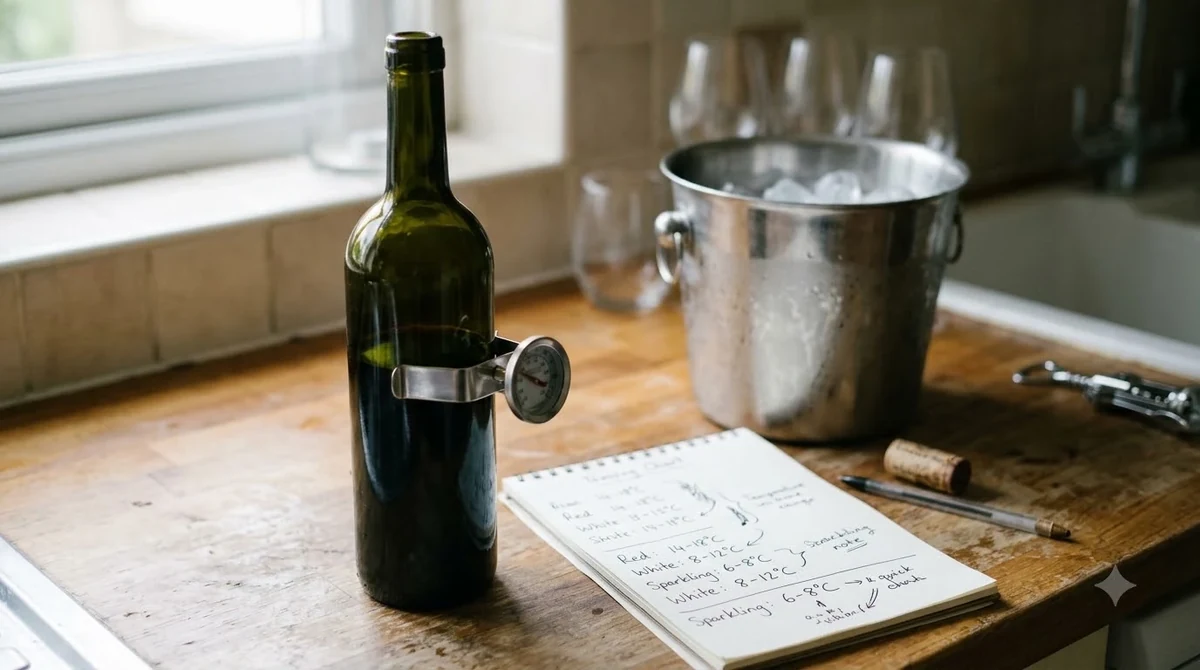
For longer storage, keep wine in a cool, dark place near 55°F with relatively stable conditions. Avoid areas that experience large temperature changes, such as kitchen cupboards next to an oven or cabinets exposed to direct sunlight.
Bottles sealed with natural cork are generally best stored on their sides for extended storage, which helps keep the cork in contact with the wine. Screw-cap bottles do not require horizontal storage for this purpose, although keeping them in a stable position is still sensible.
Josh Cellars wines are primarily approachable bottles intended for relatively accessible drinking rather than long-term cellaring. There is little reason to hold an ordinary everyday bottling for years in the hope that it will become substantially better. Enjoy it within a reasonable period and follow the storage requirements appropriate to the style.
Use the right serving temperature
Serving temperatures should reflect the variety and body of the wine rather than a simple red-versus-white rule.
- Sparkling wine: 40–50°F.
- Light white wine and rosé: 45–50°F.
- Fuller white wine: 50–55°F.
- Light red wine: 55–60°F.
- Full-bodied red wine: 60–65°F.
- Sweet white wine: 43–50°F.
A refrigerator is usually colder than the ideal serving temperature for most wines. Allow a bottle to warm slightly after removing it from the refrigerator, particularly if it is a fuller Chardonnay. For a red wine, a short period of chilling can improve freshness if the room is warm.
Decant fuller reds when appropriate
Young, full-bodied red wines can benefit from exposure to air before serving. A young Cabernet Sauvignon with noticeable tannin may become more expressive after 30–60 minutes in a decanter. This is not essential for every Josh Cellars bottle, especially lighter Pinot Noir or uncomplicated everyday wines.
Decanting can also help separate sediment from older red wines, although sediment is less likely to be a concern with young, accessible bottlings. Pour slowly and stop when visible sediment approaches the neck of the bottle.
Preserve opened bottles
Once opened, wine begins interacting with oxygen. Replacing the cork or screw cap and refrigerating the bottle can help slow deterioration, including for red wine. A cool refrigerator is generally preferable to leaving an opened bottle on a warm kitchen counter.
Typical storage periods after opening are:
- Sparkling wine: approximately 1–3 days with a suitable sparkling-wine stopper.
- Still red and white wines: approximately 3–5 days.
- Fortified wines: several weeks, depending on style.
- Bag-in-box wine: approximately 4–6 weeks after opening, depending on the packaging and storage conditions.
These are general guidelines rather than guarantees. A delicate white may lose its freshness sooner than a fuller red, while a wine with more structure may remain enjoyable for longer. If the aroma becomes noticeably dull, oxidized, or unpleasant, its best drinking period has probably passed.
Use appropriate glassware
You do not need an expensive collection of specialist glasses to enjoy Josh Cellars. A medium-sized wine glass with enough room to swirl is suitable for most red and white wines. A larger bowl can help fuller Cabernet Sauvignon release its aromas, while a narrower glass can work well for crisp whites.
For sparkling wine, a tulip-shaped glass can provide a useful compromise between aroma and bubble retention. The traditional narrow flute preserves a stream of bubbles but provides less room to appreciate aromas.
Serving size also matters. A standard wine pour is approximately 5 ounces, meaning a 750 ml bottle provides roughly five glasses. This makes it easier to plan the quantity needed for a meal or small gathering.
Frequently Asked Questions
Is Josh Cellars considered a premium wine brand?
Josh Cellars is positioned as an accessible American wine brand with both standard and Reserve selections. Its Reserve portfolio offers more specifically identified growing regions and additional oak maturation, but the brand is not primarily positioned as a luxury collectible producer. Its appeal is centered on approachable wines and a broad selection of familiar styles.
Who owns Josh Cellars?
Josh Cellars was founded by Joseph Carr, who created the brand in honor of his father. The brand is part of the Deutsch Family Wine & Spirits portfolio. Its original family tribute remains central to the producer’s brand story.
Does Josh Cellars make organic wine?
The presence of California grapes or a Reserve designation does not establish that a particular wine is certified organic. Organic certification is a separate production and labeling matter. Shoppers specifically seeking certified organic wine should look for an explicit certification on the individual bottle or supporting producer information.
Does Josh Cellars offer non-alcoholic wine?
Yes. The producer’s portfolio includes non-alcoholic selections, including a sparkling option. These products are distinct from the standard alcoholic wine range, so shoppers should compare the individual product description and alcohol information rather than assume that all bottles under the brand have the same composition.
Can you visit a Josh Cellars winery or tasting room?
The producer states that it does not have a winery open to the public. This means shoppers should not plan a vineyard tasting visit based on the brand name alone. Retailers, restaurants, and bars are the more practical places to find its wines.
Josh Cellars is a good option for drinkers seeking accessible, familiar wines, with particularly encouraging independent reviews for selected Pinot Noir and Reserve Cabernet Sauvignon bottlings. The smartest approach is to choose by grape variety, regional designation, and preferred flavor profile rather than assuming every bottle offers the same experience. For everyday drinking and casual meals, several wines in the portfolio are worth considering.
More in Wine Brands
 Louis Latour Wine Price: Compare Bottles by Style and TierUpdated Nov 20, 2026
 Yellow Tail Moscato Price: What to Expect Before You BuyUpdated Nov 20, 2026
 Sutter Home Sweet Red Review: Find the Right Food PairingsUpdated Nov 20, 2026
 Franzia Chillable Red Review: Find the Right Serving StyleUpdated Nov 20, 2026
 Veuve Clicquot Rose Review: Flavor, Food Pairings and Buying AdviceUpdated Nov 20, 2026
 Rombauer Wine Price: Compare Bottles Before You BuyUpdated Nov 20, 2026