

We may earn a commission when you buy through links on this page, at no extra cost to you. Learn more.
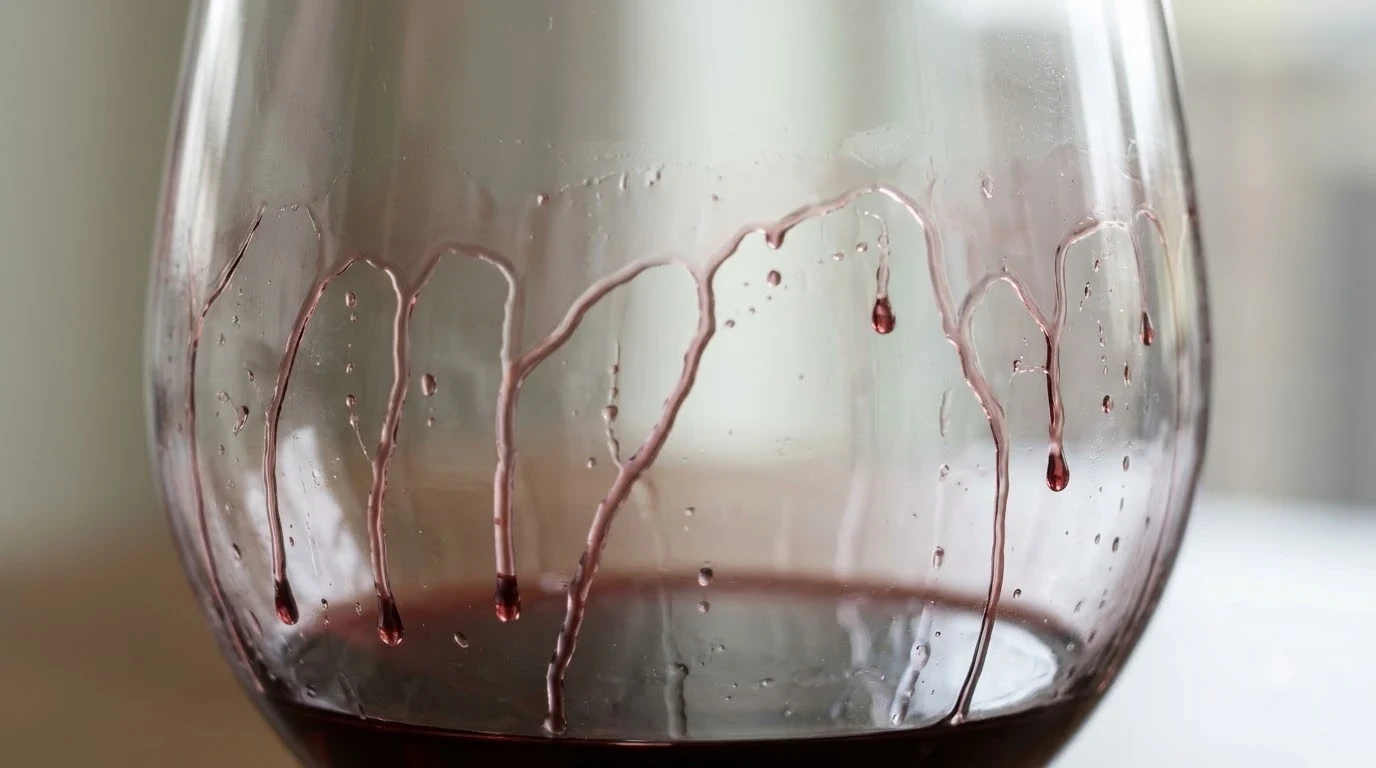
When asking is dry red wine keto friendly, the answer is yes—a standard 5-ounce pour typically contains between 0 and 4 grams of net carbohydrates. Because fermentation converts almost all natural grape sugars into alcohol, classic dry styles like Pinot Noir, Cabernet Sauvignon, and Merlot fit easily into a daily limit of 20 to 30 grams of carbs. Selecting bottles with lower alcohol by volume (under 13.5% ABV) and minimal residual sugar keeps both carbohydrate counts and overall calories in check.
Following a low-carb or ketogenic lifestyle does not mean giving up a glass of wine with dinner, provided you know how winemaking affects the nutrition in your glass. Unlike beer or sweet cocktails, traditional table wines are fermented until nearly all the grape sugars are gone, leaving behind flavor, acidity, and tannins rather than heavy carbohydrates. Understanding what makes a red wine truly dry—and which styles quietly hide extra sugar—makes choosing a keto-compatible bottle straightforward at any wine shop or restaurant.
What Makes a Red Wine Keto Friendly
A red wine fits a ketogenic diet when yeast consumes virtually all the glucose and fructose in the grape juice during fermentation, leaving minimal residual sugar behind. For most keto plans that restrict daily intake to roughly 20 to 30 grams of net carbs, a wine with less than 3 grams per liter of residual sugar translates to well under 1 gram of sugar per glass.
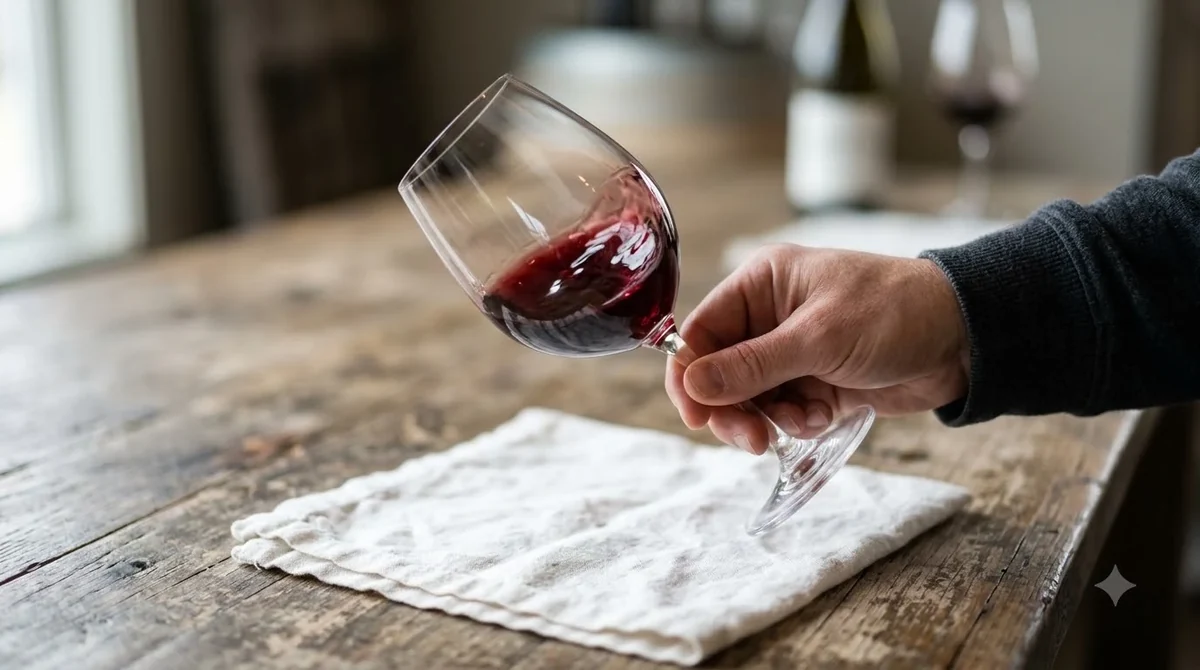
Every wine begins as sweet grape juice, and during fermentation, yeasts such as Saccharomyces cerevisiae convert those natural sugars into ethanol and carbon dioxide. When a winemaker allows fermentation to run to completion, the resulting wine is considered dry. According to Wine Folly’s guide to keto wines, multiplying a wine’s residual sugar in grams per liter by 0.15 gives you the approximate grams of sugar carbs in a standard 150-milliliter (5-ounce) serving.
Even when a bottle tastes dry on the palate, trace carbohydrates from unfermented grape solids, glycerol, and organic acids can bring the total count to roughly 1 to 4 grams per 5-ounce pour. High acidity and firm tannins in red grapes often mask slight amounts of leftover sugar, which is why mass-market red blends can sometimes carry higher carb counts than expected without tasting overtly sweet. Checking a producer’s technical sheet for residual sugar (often abbreviated as RS) is the most reliable way to verify how dry a bottle actually is.
Alcohol by volume also plays a practical role in how your body processes a glass of wine on keto. While ethanol itself contains zero carbohydrates, it carries about 7.1 calories per gram, and the liver prioritizes metabolizing alcohol before burning dietary or stored fat. Choosing dry red wines around 13.5% ABV or lower keeps a 5-ounce glass near 108 to 120 calories, preventing a single pour from stalling your daily energy balance.
Carbs and Sugar in Popular Red Wine Styles
Most classic dry red varietals fall between 2 and 4 grams of total carbohydrates per 5-ounce serving, whereas sweet red blends, fortified wines, and late-harvest styles climb rapidly into double digits. Comparing common red styles side by side shows how grape variety and winemaking tradition shape the numbers in your glass.
| Red Wine Style (5 oz Pour) | Typical ABV | Residual Sugar | Estimated Carbs | Keto Suitability |
|---|---|---|---|---|
| Pinot Noir (Oregon, Burgundy) | 12.5% – 13.5% | Under 2 g/L | ~2 – 3.5 g | Excellent |
| Cabernet Sauvignon (Dry) | 13.5% – 14.5% | Under 3 g/L | ~3 – 4 g | Very Good |
| Merlot (Dry) | 13.0% – 14.5% | Under 3 g/L | ~3 – 4 g | Very Good |
| Chianti / Sangiovese | 12.5% – 13.5% | Under 2 g/L | ~2.5 – 3.5 g | Excellent |
| Rioja / Tempranillo | 13.0% – 14.0% | Under 2 g/L | ~2.5 – 3.5 g | Excellent |
| Zinfandel / Shiraz (Ripe Styles) | 14.5% – 16.0% | 2 – 10 g/L | ~4 – 5 g | Moderate (Watch Pours) |
| Sweet Red Blends | 11.0% – 13.5% | 15 – 45 g/L | ~8 – 15 g | Avoid on Keto |
| Port (3 oz Dessert Pour) | 19.0% – 20.0% | 90 – 120 g/L | ~10 – 14 g | Avoid on Keto |
Cool-climate Pinot Noir from regions like Oregon’s Willamette Valley or Burgundy in France is widely cited by sommeliers as one of the safest red picks for carb-conscious drinkers. Because cooler growing seasons produce grapes with lower starting sugar levels, these wines finish fermentation with modest alcohol levels and virtually zero leftover sugar. Wine educators interviewed by VinePair on carbs in wine note that regional Pinot Noir typically carries fewer carbohydrates than warm-climate reds made from overripe fruit.
Traditional European reds such as Chianti, Rioja, Barolo, and dry Bordeaux blends also prioritize complete fermentation and savory structure over fruit sweetness. In contrast, warm-climate Zinfandel, Shiraz, and Amarone are harvested at higher ripeness, resulting in higher alcohol levels and occasionally a touch of residual sugar that pushes carb counts slightly higher. If you enjoy exploring different categories across Wine by Type, sticking to classic Old World appellations or cool-climate New World bottlings provides reliable dryness.
Dry Red Wine vs. White and Sparkling Options
Dry red wine contains roughly the same carbohydrate range as dry white wine—about 1 to 4 grams per 5-ounce glass—though lighter whites and bone-dry sparkling wines often edge slightly lower in calories and alcohol. Understanding how color and carbonation affect sugar levels helps when deciding what to pour.

At the table, the difference between a crisp dry white and a light-bodied dry red comes down to tenths of a gram of carbohydrates rather than any dramatic nutritional gap. If you are comparing whether is dry white wine keto friendly alongside red options, Sauvignon Blanc, Chablis, and unoaked Chardonnay sit in the exact same low-carb bracket as Pinot Noir. Specific light-bodied whites like Pinot Grigio offer bright acidity at lower alcohol levels, which you can explore further in our breakdown of whether is pinot grigio keto friendly.
Sparkling wines add another layer because winemakers label sweetness levels directly on the bottle using regulated terms. Bottles marked Brut Nature or Extra Brut contain minimal added dosage after secondary fermentation, keeping carbohydrates around 1 to 2 grams per glass. Spanish sparkling wine follows the same strict dryness tiers, making it easy to verify if is cava keto friendly when you want bubbles instead of a still red.
How to Spot Low-Carb Bottles at the Store
Because U.S. wine labels rarely list nutrition facts or carbohydrate counts, reading regional clues, alcohol percentages, and winemaking terms on the bottle is the best way to avoid hidden sugar. A few quick label checks separate bone-dry reds from mass-produced wines sweetened for broad appeal.
Start by checking the alcohol by volume printed on the front or back label. Dry red wines fermented from ripe grapes generally land between 12.5% and 14.5% ABV; if a red table wine lists a noticeably low ABV around 9% to 11% without coming from an ultra-cool region, fermentation was likely stopped early, leaving unfermented sugar in the bottle. Conversely, massive reds at 15.5% ABV or higher pack extra alcohol calories and sometimes retain a few grams of residual sugar from ultra-ripe fruit.
Next, pay attention to marketing language on the back label. Words like “jammy,” “lush,” “velvety,” “smooth,” or “sweet red” on inexpensive bottles frequently signal that a winery left residual sugar or added grape concentrate to soften rough tannins. Small-production and estate-bottled wines from regions with strict appellation laws—such as Rioja Crianza, Chianti Classico, Coteaux Bourguignons, or Willamette Valley Pinot Noir—rarely use sweetening additives. When shopping online or at a specialty shop, searching the wine’s name alongside “tech sheet” or “residual sugar” will often pull up the exact laboratory analysis from the winery.
Tip: Measure your pour with a kitchen scale or a 5-ounce measuring cup at home for a week—oversized wine glasses easily hold 8 to 10 ounces, which doubles your carb and calorie intake without you realizing it.
Serving and Pairing Dry Red Wine on Keto
Serving dry red wine at the right temperature and pairing it with whole, low-carb foods enhances its natural fruit and spice flavors so you never miss the sweetness of higher-carb drinks. Proper temperature control also keeps alcohol heat from overwhelming delicate aromas.
Light-bodied reds like Pinot Noir, Gamay, and Mencía shine when served slightly cool at 55°F to 60°F—about 15 to 20 minutes in the refrigerator before opening. Fuller-bodied bottles such as Cabernet Sauvignon, Merlot, and Syrah show best at cellar temperature between 60°F and 65°F. Serving red wine too warm at 75°F room temperature emphasizes alcohol vapors and makes dry tannins taste bitter, whereas a gentle chill sharpens acidity and highlights fresh berry notes.
Ketogenic meals built around healthy fats and proteins are natural partners for dry red wine. The firm tannins in Cabernet Sauvignon or Nebbiolo bind to the proteins and fats in a ribeye steak, roast lamb, or aged hard cheeses like Parmigiano-Reggiano and Comté, softening the wine’s astringency on your palate. Lighter reds like Oregon Pinot Noir pair effortlessly with grilled salmon, roasted duck breast, or wild mushrooms sautéed in butter and herbs, giving you a restaurant-caliber meal with almost zero added carbohydrates.
Frequently Asked Questions
How many carbs are in a glass of dry red wine?
A standard 5-ounce pour of dry red wine typically contains between 0 and 4 grams of net carbohydrates, with most classic styles averaging around 2 to 3.5 grams. Less than 1 gram of that total usually comes from actual residual grape sugar, while the remainder comes from trace organic compounds and glycerol created during fermentation.
Which dry red wine has the fewest carbs for keto?
Cool-climate Pinot Noir from Oregon or Burgundy, along with traditional European reds like Chianti and Rioja, generally offer the lowest carbohydrate counts at roughly 2 to 3 grams per 5-ounce glass. Because these wines are fermented completely dry from grapes with moderate sugar levels, they keep both residual sugar and alcohol calories low.
Does drinking dry red wine kick you out of ketosis?
A single 5-ounce glass of dry red wine will not break ketosis on its own as long as its 2 to 4 grams of carbs fit within your daily macro allowance. However, your liver temporarily pauses fat burning to metabolize the alcohol first, so sticking to one measured glass with a low-carb meal prevents stalling your progress.
Are expensive dry red wines lower in carbs than cheap ones?
Higher-priced and small-producer dry red wines often contain less residual sugar than mass-market budget bottles because traditional winemakers allow fermentation to finish naturally without adding sweetening concentrates. While you do not need to buy luxury bottles, choosing estate-grown or regional appellation reds usually guarantees a drier finish than inexpensive commercial blends.
Dry red wine can remain a regular part of a ketogenic routine when you stick to verified dry styles and mindful 5-ounce pours. By favoring cool-climate or traditional European reds over sweet commercial blends, you get full complexity and classic food-pairing versatility while keeping daily carbohydrates firmly under control.
More in Wine Types & Grapes
 What Does Mourvèdre Taste Like? Flavor Profile, Regions, and PairingsUpdated Nov 20, 2026
 What Does Marsanne Taste Like? Flavors, Styles, and Food PairingsUpdated Nov 20, 2026
 What Does Malvasia Taste Like? Styles, Flavors, and Food PairingsUpdated Nov 20, 2026
 What Does Grenache Blanc Taste Like? Flavor Profile, Styles, and PairingsUpdated Nov 20, 2026
 What Does Garnacha Taste Like? Key Flavors, Styles, and Pairing TipsUpdated Nov 20, 2026
 What Does Fruit Wine Taste Like? A Complete Flavor and Style BreakdownUpdated Nov 20, 2026