

We may earn a commission when you buy through links on this page, at no extra cost to you. Learn more.
When asking is cremant gluten free, the direct answer is yes, because traditional French sparkling wine is made exclusively from fermented grape juice without any gluten-containing grains. Like almost all pure wines, standard Crémant meets the FDA threshold of containing fewer than 20 parts per million of gluten. Exceptions are rare and only occur if a producer adds flavorings after fermentation or uses wheat paste to seal oak barrels during aging.
Understanding how traditional sparkling wine is produced helps explain why it fits comfortably into a gluten-free lifestyle while still offering the celebratory bubbles and crisp acidity of Champagne. From vineyard harvest to the final corking, every step of authentic Crémant production relies on fruit, yeast, and careful cellar handling rather than barley, wheat, or rye.
What Makes Crémant Naturally Gluten Free
Crémant is a French sparkling wine crafted using the exact same traditional bottle-fermentation method as Champagne, relying solely on grapes and yeast. Because grapes are naturally free of gluten proteins, the base wine contains no wheat, barley, or rye at any stage of primary fermentation.
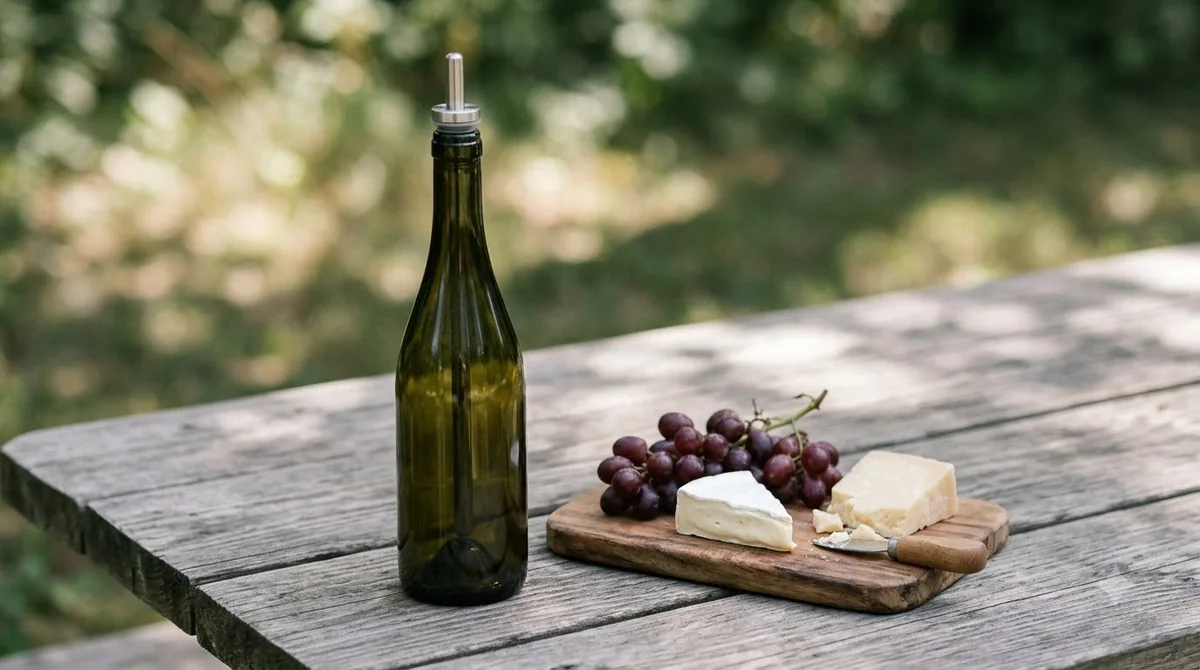
To earn the Crémant designation under French appellation laws, winemakers must harvest grapes by hand and press whole clusters gently to extract pure, delicate juice. That juice undergoes a first fermentation in stainless steel tanks or neutral vessels to create a still, dry base wine. Winemakers then bottle this base wine along with a small mixture of yeast and sugar—known as the liqueur de tirage—to trigger a second fermentation right inside the sealed glass bottle.
During this second fermentation, the yeast consumes the added sugar and releases carbon dioxide, which dissolves into the wine and creates fine, persistent bubbles. After the wine rests on its spent yeast cells, or lees, for at least nine months, the sediment is removed through riddling and disgorgement. None of these legally mandated steps involve cereal grains, making plain Crémant inherently safe for people avoiding gluten.
Even the final step before corking—adding a small splash of wine and cane or beet sugar called the dosage—uses only grape-derived liquid and pure sucrose. This stands in stark contrast to beer, malt beverages, or grain-based spirits, where gluten-containing grains form the foundation of the fermentable sugars. Whether you prefer a crisp white style or a fruity rosé, the core ingredients remain completely free of gluten.
Where Crémant Comes From and Key Grapes
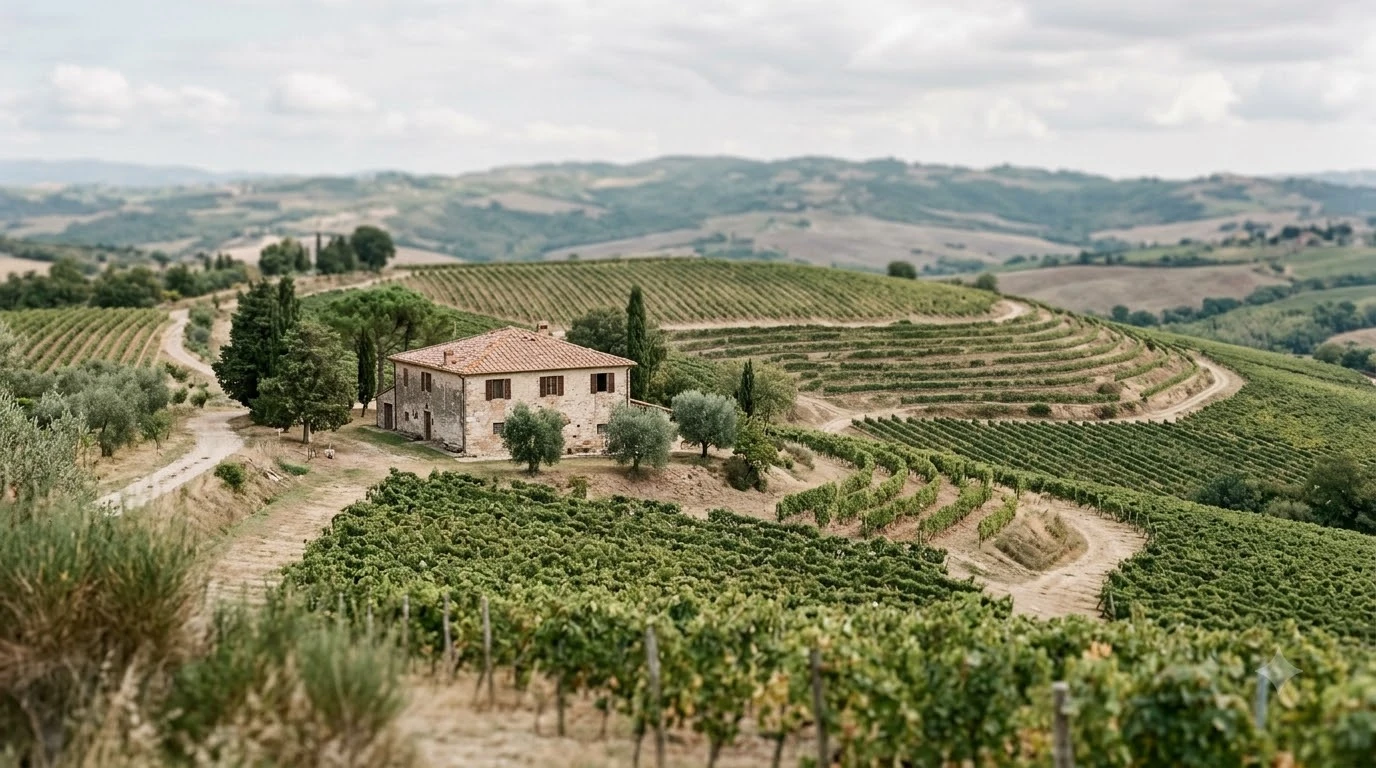
France recognizes eight official Crémant appellations located outside the Champagne region, each relying on regional grape varieties that are completely free of gluten. According to Wine Folly, these appellations span diverse climates across France, producing distinct styles that mirror the local terroir of each area.
Crémant de Loire and Crémant de Bourgogne are two of the most widely available styles in American wine shops. In the Loire Valley, producers frequently blend Chenin Blanc, Chardonnay, and Cabernet Franc to create crisp, orchard-fruit-driven sparkling wines. Meanwhile, Crémant de Bourgogne uses the exact same primary grapes found in Champagne—Pinot Noir and Chardonnay—yielding structured, creamy bottles with bright minerality. If you already enjoy still red wines and have wondered is pinot noir gluten free, you will find the exact same gluten-free grape profile at the heart of Burgundy’s sparkling wines.
Further east, Crémant d’Alsace accounts for a massive share of French Crémant production and typically highlights Pinot Blanc, Pinot Gris, Riesling, and Auxerrois. In southwestern France, Crémant de Limoux is one of the world’s oldest sparkling wine regions, blending Mauzac with Chardonnay and Chenin Blanc for vibrant green apple and citrus notes. Across Bordeaux, Jura, Die, and Savoie, regional rules dictate specific local grapes, yet every single appellation prohibits grain additives.
| Appellation | Primary Grape Varieties | Typical Flavor Profile | Gluten Status |
|---|---|---|---|
| Crémant de Bourgogne | Pinot Noir, Chardonnay, Gamay, Aligoté | Crisp apple, brioche, white flowers, bright citrus | Naturally gluten free |
| Crémant de Loire | Chenin Blanc, Chardonnay, Cabernet Franc | Quince, pear, honeyed citrus, chalky minerality | Naturally gluten free |
| Crémant d’Alsace | Pinot Blanc, Pinot Gris, Riesling, Pinot Noir | White peach, lemon zest, crisp floral notes | Naturally gluten free |
| Crémant de Limoux | Mauzac, Chardonnay, Chenin Blanc | Green apple, toasted almond, fresh herbs | Naturally gluten free |
| Crémant de Bordeaux | Sémillon, Sauvignon Blanc, Merlot, Cabernet Franc | Grapefruit, white currant, lively acidity | Naturally gluten free |
Potential Cross-Contact Risks in Winemaking
While the grape juice itself contains zero gluten, rare cellar practices can introduce trace amounts of gluten proteins into finished wine. Understanding these uncommon exceptions helps shoppers with celiac disease or severe sensitivities verify how a specific bottle was aged and finished.

According to Beyond Celiac, the primary theoretical concern in traditional winemaking involves the use of wheat paste to seal the heads of oak barrels. Historically, coopers mixed wheat flour with water to form a natural adhesive that prevented leaks around barrel staves and bungs. However, modern sparkling wine producers overwhelmingly ferment and age Crémant in inert stainless steel tanks to preserve fresh fruit character and crisp acidity, bypassing oak barrels entirely.
Even when a winemaker chooses to age a reserve cuvée in oak barrels, contemporary cooperages almost always rely on food-grade paraffin wax or mechanical precision rather than flour paste. Furthermore, studies cited by celiac advocacy groups show that even when wine contacts a wheat-sealed barrel, the resulting gluten levels typically measure well below the FDA limit of 20 parts per million. Still, those with extreme sensitivity often favor unoaked, stainless-steel-fermented Crémant for total peace of mind.
A second area to watch involves fining agents—substances added briefly before bottling to clarify hazy wine by binding to suspended particles. Common wine fining agents include bentonite clay, egg whites, casein from milk, and isinglass from fish, none of which contain gluten. Gluten-derived fining agents are exceedingly rare in French appellation wines, and they settle to the bottom of the tank and get filtered out prior to bottling anyway.
Tip: Stick to authentic French Crémant carrying an official AOC label rather than pre-mixed sparkling wine cocktails, as bottled spritzes and flavored wine coolers sometimes add malt-based flavorings or undisclosed syrups.
Flavor Profiles and Sweetness Levels
Crémant offers a wide spectrum of flavors and sweetness levels, ranging from bone-dry aperitif styles to lightly sweet dessert companions. Reading the French sweetness designation on the front label tells you immediately how much residual sugar remains in the finished bottle.
The vast majority of Crémant exported to the United States is labeled Brut, meaning it contains fewer than 12 grams of residual sugar per liter and tastes dry, crisp, and refreshing. If you prefer an even sharper, ultra-dry profile with zero added dosage, look for bottles labeled Brut Nature or Extra Brut. These dry styles highlight bright orchard fruit, lemon curd, wet stone, and subtle toasted brioche notes developed during months of aging on the lees.
For drinkers who enjoy a hint of fruit-forward softness, Sec and Demi-Sec bottles contain higher levels of pure grape or cane sugar added during the dosage stage. Demi-Sec Crémant pairs wonderfully with fruit tarts, spiced dishes, or salty blue cheeses without introducing any gluten ingredients. Rosé versions—especially Crémant de Bourgogne Rosé and Crémant de Loire Rosé—deliver vibrant wild strawberry, raspberry, and blood orange flavors alongside the same crisp, gluten-free structure.
Exploring different Wine by Type reveals how Crémant bridges the gap between everyday Prosecco and prestige Champagne. Because Crémant undergoes secondary fermentation in the bottle rather than a pressurized steel tank, its bubbles feel finer, creamier, and more persistent on the palate while maintaining clean, unadulterated ingredients.
How to Serve and Pair Crémant
Serving Crémant at the right temperature and in proper glassware brings out its delicate aromatics and fine mousse without muting its crisp acidity. Chill the bottle in the refrigerator for at least three hours, or submerge it in a bucket filled with equal parts ice and water for 25 minutes, until it reaches a serving temperature between 43 and 47 degrees Fahrenheit.
Rather than pouring Crémant into ultra-narrow champagne flutes—which trap aromas and flatten the wine’s complexity—use a tulip-shaped sparkling wine glass or a standard white wine glass. The wider bowl allows floral, citrus, and toasted brioche aromatics to open up while still preserving a lively stream of bubbles. Just as you might serve a crisp white wine when verifying is sauvignon blanc gluten free for a dinner party, giving Crémant room to breathe enhances every sip.
At the dinner table, Crémant is remarkably versatile and shines alongside naturally gluten-free dishes. Its high acidity cuts cleanly through rich, salty foods like aged Comté cheese, roasted almonds, prosciutto-wrapped melon, and pan-seared scallops. For a classic French pairing, serve chilled Crémant de Loire with fresh oysters on the half shell, grilled salmon, or roast chicken with herbs.
Frequently Asked Questions
Is Crémant safe for people with celiac disease?
Yes, standard French Crémant is considered safe for people with celiac disease because it is made solely from fermented grapes and contains fewer than 20 parts per million of gluten. French appellation laws strictly regulate the ingredients, prohibiting grain-based additives. If you have extreme sensitivity, choosing stainless-steel-fermented Crémant avoids even the tiny theoretical risk of oak barrel wheat paste.
Does Crémant contain yeast that has gluten?
No, the wine yeast used for primary and secondary fermentation in Crémant does not contain gluten. Unlike brewer’s yeast salvaged from beer production—which can carry barley residue—winemaking yeast is cultured specifically for grape juice on gluten-free substrates. Once fermentation finishes, the spent yeast cells are removed from the bottle during disgorgement.
Are flavored sparkling wines or Crémant cocktails gluten free?
Pure Crémant is gluten free, but pre-bottled sparkling wine cocktails, mimosas, or flavored spritzes may contain added flavorings, syrups, or malt beverages that introduce gluten. Always check the ingredient label on flavored wine products, or mix plain Crémant yourself at home with fresh citrus juice or pure fruit purée.
Is Crémant vegan as well as gluten free?
While all unflavored Crémant is gluten free, not every bottle is certified vegan. Some winemakers use animal-derived fining agents such as egg whites, milk casein, or fish isinglass to clarify the base wine before bottling. Many producers now use vegan-friendly bentonite clay instead and note vegan status on the back label.
Whether you are hosting a celebratory brunch or simply looking for a crisp weeknight aperitif, Crémant delivers classic French sparkling elegance without gluten concerns. By checking the label for traditional AOC designations and avoiding pre-mixed flavored wine drinks, you can pour every glass with confidence.
More in Wine Types & Grapes
 Zinfandel Sugar Content: Dry Red vs. White Zinfandel GramsUpdated Nov 21, 2026
 Best Zinfandel Substitute Options for Sipping and CookingUpdated Nov 21, 2026
 Zweigelt Food Pairing: Best Dishes, Cheeses, and Serving TipsUpdated Nov 21, 2026
 Zinfandel Tannins Explained: How Structure Shapes Every BottleUpdated Nov 21, 2026
 Zinfandel Sweetness Level: Dry Red vs. Sweet White Zin ExplainedUpdated Nov 21, 2026
 Xinomavro Food Pairing: Best Dishes, Styles, and Serving TipsUpdated Nov 21, 2026