

We may earn a commission when you buy through links on this page, at no extra cost to you. Learn more.
Is cooking wine gluten free? Not always: ordinary grape wine is naturally gluten-free, but some bottled cooking wines, particularly Asian rice cooking wines, contain wheat or other gluten-containing ingredients. The distinction matters because cooking wine is not one standardized product, and different manufacturers use different ingredients and production methods. Checking the ingredient list and allergen declaration is essential when choosing a bottle for a gluten-free recipe, especially if someone eating the meal has celiac disease.
Cooking wine adds acidity, aroma, and depth to dishes such as beef stew, pan sauces, risotto, seafood, and marinades. However, the name on the bottle does not guarantee that its contents are simply fermented grapes or rice. Some products contain wheat, malt ingredients, flavorings, and other additions. Understanding the difference between ordinary wine, rice wine, and prepared cooking wine makes it easier to choose an appropriate ingredient without changing the character of a recipe.
Why Some Cooking Wines Contain Gluten
Ordinary wine made from grapes is naturally gluten-free, but prepared cooking wine can contain additional ingredients that change its gluten status. The main concern is not the alcohol itself but the grains, flavorings, and other ingredients introduced during manufacturing.

Traditional grape wine starts with grapes, which do not naturally contain gluten. Fermentation converts grape sugars into alcohol, and this process does not require wheat, barley, or rye. Consequently, a plain bottle of dry red or white wine is generally a suitable ingredient for gluten-free cooking.
Commercial cooking wine is a broader category. Manufacturers may add salt, preservatives, flavorings, or other ingredients to create a product intended specifically for culinary use. Some cooking wines are also made from fermented grain-based beverages rather than grape wine. These differences explain why two bottles displaying the words cooking wine can have very different ingredient profiles.
Wheat is an especially important ingredient to recognize. Some Asian cooking wines use wheat alongside rice during fermentation. In these products, wheat is not simply a trace possibility associated with manufacturing equipment; it is an intentionally listed ingredient.
For example, Lee Kum Kee Aged Cooking Wine contains Chinese rice wine made from rice, water, and wheat, followed by additional water and salt. The manufacturer specifically identifies wheat as an allergen. This is a clear example of why the phrase rice wine does not automatically mean gluten-free.
Another important distinction is between an ingredient’s original source and the finished beverage. Distillation removes proteins from the starting materials, but fermentation does not work in the same way. A fermented beverage made with wheat or barley therefore requires a different assessment from a pure distilled spirit.
For a broader overview of grape varieties and wine styles, explore Wine by Type, which helps distinguish ordinary table wines from specialty alcoholic beverages.
Different Types of Cooking Wine and Their Gluten Status
The type of cooking wine makes a significant difference to ingredient selection. Plain grape wine is generally gluten-free, while certain rice wines and prepared cooking wines contain wheat, barley malt, or other ingredients that require closer examination.

The following comparison highlights the main categories found in grocery stores and specialty food shops. It distinguishes naturally gluten-free wine styles from products that may contain gluten because of their ingredients or production methods.
| Cooking wine type | Typical gluten status | What to know |
|---|---|---|
| Dry white grape wine | Generally gluten-free | Made from fermented grapes without gluten ingredients. |
| Dry red grape wine | Generally gluten-free | Plain Cabernet Sauvignon and Pinot Noir are examples. |
| Plain rosé wine | Generally gluten-free | Ordinary grape-based rosé is naturally gluten-free. |
| Chinese rice cooking wine | Product-dependent | Some varieties contain wheat as a fermentation ingredient. |
| Shaoxing-style cooking wine | Product-dependent | Traditional formulations may include wheat alongside rice. |
| Prepared cooking wine | Product-dependent | Added flavorings and other ingredients require checking. |
| Wine coolers | Product-dependent | Some products contain barley malt or wheat-derived ingredients. |
| Plain sake | Generally gluten-free | Traditional sake is generally made from rice, water, yeast, and koji without barley malt. |
Plain dry white wine is often the simplest replacement for commercial cooking wine. Chardonnay, Sauvignon Blanc, and Pinot Grigio are useful choices for many recipes because they provide acidity without introducing the additional ingredients found in some prepared products.
Dry red wines also work well in recipes that need darker fruit flavors and more structure. Cabernet Sauvignon and Pinot Noir are two familiar options, although their flavor profiles are quite different. Cabernet Sauvignon generally contributes firmer tannin, while Pinot Noir is typically lighter and more delicate.
Rice-based cooking wines need particular attention. The word rice describes one component of the product, not necessarily the complete ingredient list. A manufacturer may use wheat during fermentation, so a rice-based label alone cannot establish that the finished bottle is gluten-free.
Prepared cooking wines can also differ in salt content and flavor intensity. A bottle intended for stir-frying may have a substantially different seasoning profile from a dry grape wine intended for deglazing a pan. Choosing an alternative should therefore account for both gluten ingredients and the recipe’s intended flavor.
How to Read Cooking Wine Ingredient Labels
The ingredient list and allergen statement are the most useful starting points when evaluating cooking wine. Look for wheat, barley, rye, malt, and other gluten-containing ingredients rather than assuming that a bottle is suitable because its name includes wine or rice.
Start with the full ingredient declaration. Wheat, wheat flour, wheat protein, barley malt, malt extract, malt flavoring, and rye are important terms to recognize. If any of these appear in a product that has not been established as gluten-free, it is not an appropriate choice for a gluten-free recipe.
Pay attention to the difference between rice and wheat ingredients. A bottle might prominently advertise fermented rice wine while listing wheat in smaller print on the back. Lee Kum Kee Aged Cooking Wine provides a practical illustration: its published ingredient list identifies Chinese rice wine made from rice, water, and wheat, and its allergen section explicitly names wheat.
Salt is another common ingredient in commercial cooking wine, although salt itself is not a source of gluten. It matters because it changes how the product should be used in a recipe. A salted cooking wine may require reducing the amount of soy sauce, broth, or additional salt in the dish.
Flavorings and preservatives also deserve attention. Their presence does not automatically mean that a product contains gluten, but they can make an ingredient declaration more complicated. When the manufacturer does not provide enough information to establish the source of an ingredient, contacting the company is a sensible next step.
Understanding gluten-free labeling
In the United States, the FDA gluten-free labeling standard uses a threshold of less than 20 parts per million of gluten in a finished food carrying a gluten-free claim. This standard provides a useful reference when comparing labeled products.
Alcoholic beverages also have regulatory considerations. The Alcohol and Tobacco Tax and Trade Bureau, or TTB, explains how gluten-content claims may be used on regulated wine and spirits. Its Ruling 2020-2 permits qualifying gluten-free statements when the applicable requirements are met, including appropriate controls against gluten cross-contact.
One complication is that fermented foods do not have the same testing considerations as ordinary unfermented foods. The FDA has identified limitations in scientifically valid methods for measuring gluten in fermented and hydrolyzed products. This is why manufacturers’ ingredient controls and production practices matter alongside laboratory testing.
For additional background, the TTB’s gluten labeling ruling explains the requirements for qualifying gluten-related claims on regulated alcoholic beverages.
Tip: Do not assume that cooking removes gluten from a bottle of wheat-containing cooking wine. Choose a verified gluten-free ingredient before it enters the pan rather than relying on heat or evaporation to change its gluten status.
Is Chinese Rice Wine and Shaoxing Cooking Wine Gluten Free?
Chinese rice cooking wine is not automatically gluten-free because some traditional fermented rice wine formulations use wheat as well as rice. Shaoxing-style cooking wine is particularly important to investigate because the grain combination can differ from one manufacturer to another.
Rice wine is a broad description rather than a guarantee of a particular recipe. Fermentation can involve rice, water, yeast, and other ingredients, depending on the beverage and regional production tradition. Some Chinese rice wines use wheat during fermentation, meaning the finished product cannot be treated as equivalent to plain grape wine.
Shaoxing wine is commonly used in Chinese cooking to add aroma and savory complexity. It appears in recipes for stir-fried vegetables, braised pork, dumpling fillings, marinades, and seafood. Its distinctive flavor is useful in small quantities, but its suitability for gluten-free cooking depends on the specific formulation.
Consider the Lee Kum Kee example again. Its Aged Cooking Wine is made from selected three-year-aged yellow rice wine, but its published ingredients include wheat. The company also lists wheat under allergens. Its 500 ml bottle is marketed for several cooking methods, including steaming, stir-frying, marinating, blanching, simmering, and stewing.
This example demonstrates an important shopping distinction: a product can be made primarily from rice and still contain an explicitly declared gluten-containing grain. The presence of rice does not cancel out the presence of wheat.
Other Asian cooking ingredients can create similar confusion. Rice vinegar, mirin, sake, and rice cooking wine are not interchangeable categories. Their production methods, fermentation ingredients, alcohol content, and added flavorings can differ considerably.
Traditional sake made without barley malt is generally considered gluten-free by celiac organizations. However, a rice wine specifically formulated for cooking may have a different ingredient composition. A product should be evaluated according to its own formulation rather than the general reputation of its beverage category.
Choosing an alternative for Asian recipes
If a recipe calls for Shaoxing wine, a dry sherry or plain dry white grape wine can provide a useful alternative, depending on the dish. Dry sherry offers a savory, slightly nutty character, while white wine contributes acidity and fruit notes.
For stir-fries and marinades, use a small amount of the alternative and adjust the other seasonings. A recipe calling for two tablespoons of cooking wine does not necessarily need a completely different volume of substitute. Begin with the same quantity, then balance the salt, sweetness, and acidity.
When the distinctive character of Chinese rice wine is essential, look for a product whose manufacturer explicitly confirms that it is gluten-free. A naturally gluten-free rice beverage is not automatically a direct flavor replacement for every variety of Shaoxing cooking wine.
Best Gluten-Free Substitutes for Cooking Wine
Plain grape wine is usually the easiest substitute for commercial cooking wine containing wheat. Dry white wine works particularly well in seafood, chicken, and vegetable dishes, while dry red wine is more suitable for beef, lamb, and richly flavored sauces.
For white-wine recipes, Sauvignon Blanc provides crisp acidity and citrus-like character. Chardonnay is another option, especially in creamy sauces, chicken dishes, and mushroom preparations. Pinot Grigio offers a lighter flavor that works in simple vegetable sautés and delicate seafood dishes.
For red-wine recipes, Pinot Noir is useful when a dish needs moderate structure without overpowering its other ingredients. Cabernet Sauvignon provides more tannin and a fuller flavor, making it suitable for hearty beef preparations and long-simmered sauces.
Dry sherry is another possible substitute, provided the specific product is verified as gluten-free. Its nutty, savory character makes it useful in mushroom sauces, braised meat, and some Asian-inspired recipes. Avoid assuming that every fortified or flavored wine product has the same ingredient composition.
For recipes that need wine’s acidity rather than its alcohol or aroma, a combination of broth and a small amount of suitable vinegar can work. White wine vinegar or red wine vinegar can contribute acidity, while chicken, beef, or vegetable broth provides the liquid volume and savory background.
Vinegar requires the same attention to product type. Plain distilled vinegar and ordinary wine vinegar are generally considered gluten-free, whereas malt vinegar is made from barley malt and is not suitable for a gluten-free diet. The distinction is important when substituting ingredients in marinades and sauces.
| Recipe | Suggested substitute | Flavor contribution |
|---|---|---|
| Chicken piccata | Dry Sauvignon Blanc | Fresh acidity and citrus character |
| Beef stew | Dry Cabernet Sauvignon | Dark fruit and firmer structure |
| Mushroom sauce | Dry sherry | Nutty, savory depth |
| Seafood pasta | Dry Pinot Grigio | Light fruit and acidity |
| Creamy chicken sauce | Unoaked Chardonnay | Moderate acidity and restrained fruit |
| Asian-inspired stir-fry | Dry white wine | Light acidity without wheat-based rice wine |
| Nonalcoholic marinade | Broth with wine vinegar | Savory liquid and acidity |
Substitution ratios depend on the recipe and the concentration of the ingredients. For most straightforward sauces, replacing cooking wine with an equal quantity of dry wine is a reasonable starting point. When using vinegar, begin with a much smaller amount because its acidity is more concentrated than wine.
Wine also changes flavor as it reduces. A small quantity added to a hot pan can concentrate its acidity and aroma, while a larger quantity simmered in a stew contributes more liquid and develops a different balance. Select a substitute according to the dish rather than using one bottle for every cooking application.
Cooking With Gluten-Free Wine Without Changing the Recipe
Using ordinary dry wine instead of prepared cooking wine can preserve much of a recipe’s intended character. The most important adjustments involve salt, acidity, reduction time, and the wine’s flavor intensity.
Commercial cooking wine is frequently seasoned with salt, whereas ordinary table wine is not. If a recipe was written specifically for salted cooking wine, replacing it with an equal amount of unsalted grape wine may make the finished dish less salty. This is usually easy to correct by adjusting the other seasonings near the end of cooking.
For pan sauces, dry white wine can deglaze the browned residue left after cooking chicken or seafood. Add the wine after removing the main ingredient, scrape the pan gently, and allow some of the liquid to reduce. Broth, butter, herbs, and other ingredients can then be incorporated to create the finished sauce.
Red wine works differently in braises and stews. Cabernet Sauvignon can contribute substantial structure and dark fruit notes, while Pinot Noir offers a lighter profile. For a recipe that simmers for several hours, choose a wine whose acidity and flavor can complement the meat, vegetables, and stock.
In risotto, wine is typically added after the rice has been lightly toasted and before the stock is incorporated. A dry white wine provides acidity and aroma that balance the starchiness of the rice and the richness of ingredients such as butter and Parmesan. The same approach works with gluten-free rice varieties.
Marinades require a little more consideration. Wine contributes liquid and acidity, but it is not the only ingredient responsible for flavor. Herbs, garlic, citrus, spices, oil, and suitable seasonings all play a role. If a recipe originally calls for Chinese cooking wine, replacing it with a plain dry white wine may create a slightly different but still balanced result.
Does heating wine remove gluten?
Heating is not a reliable way to make a gluten-containing ingredient suitable for a gluten-free recipe. Gluten is a protein, and ordinary simmering, boiling, roasting, or baking does not provide a dependable method for eliminating it.
Reducing a sauce for 10 minutes or simmering a beef stew for three hours should not be treated as a substitute for selecting appropriate ingredients. If a cooking wine contains wheat or barley malt, replacing it before cooking is the sensible approach.
There is also a difference between alcohol evaporation and protein removal. Alcohol can evaporate during cooking, depending on the temperature, cooking time, surface area, and preparation method. That process does not establish that other ingredients in the wine have disappeared.
The same principle applies to marinades. Even if a marinade is discarded after use, an ingredient containing gluten should not be assumed safe simply because the food will later be grilled or roasted.
Choose a suitable wine before beginning preparation. This makes the cooking process more straightforward and avoids depending on uncertain changes during heating.
Choosing Gluten-Free Wines for Different Recipes
The best wine for cooking depends on the food, sauce, and desired flavor rather than simply whether the bottle is red or white. Ordinary grape wines are generally gluten-free, so the next decision is matching their acidity, tannin, and body to the ingredients.
For seafood and delicate fish, Sauvignon Blanc and Pinot Grigio are useful choices. Their acidity complements many preparations involving lemon, herbs, shellfish, and light sauces. Avoid using a heavily tannic red wine with oily fish because the combination can create an unpleasant flavor balance.
Chicken offers greater flexibility. Chardonnay works in creamy preparations, while Sauvignon Blanc is useful in lemon-based sauces. Pinot Noir can also suit roasted chicken, particularly when mushrooms, onions, and other earthy ingredients are part of the recipe.
Beef dishes often benefit from red wine. Cabernet Sauvignon has high tannin and a substantial structure, making it a familiar choice for braised short ribs and rich beef stews. Pinot Noir is a lighter alternative for mushroom sauces and less intensely flavored preparations.
Vegetable dishes can work with either red or white wine, depending on the main ingredients. Sauvignon Blanc suits asparagus, zucchini, and lighter vegetable preparations, while Pinot Noir can complement roasted mushrooms and root vegetables.
For tomato-based sauces, acidity is particularly important. Tomatoes are naturally acidic, so a wine with enough freshness can complement the sauce without making it taste flat. Sauvignon Blanc and lighter dry reds are both possible options, depending on whether the dish contains meat, seafood, or vegetables.
When choosing a wine for cooking, avoid bottles with prominent sweetness unless the recipe specifically calls for it. A sweet wine can make a savory sauce taste unbalanced, especially when combined with caramelized onions, honey, or naturally sweet vegetables.
Serving and storing leftover cooking wine
A bottle purchased for cooking does not have to be used entirely in one meal. Plain wine can also be served at the table, provided its style suits the food. Light whites and rosé are generally served around 45 to 50 degrees Fahrenheit, while full-bodied whites are usually served around 50 to 55 degrees.
Light red wines are commonly served at 55 to 60 degrees Fahrenheit, and fuller red wines at 60 to 65 degrees. These temperatures help preserve the balance of acidity, fruit, and structure in the finished wine.
Once opened, still wine generally keeps for approximately three to five days in the refrigerator when properly sealed. Sparkling wine typically keeps for one to three days, depending on its closure and storage conditions. These are general quality guidelines rather than guarantees.
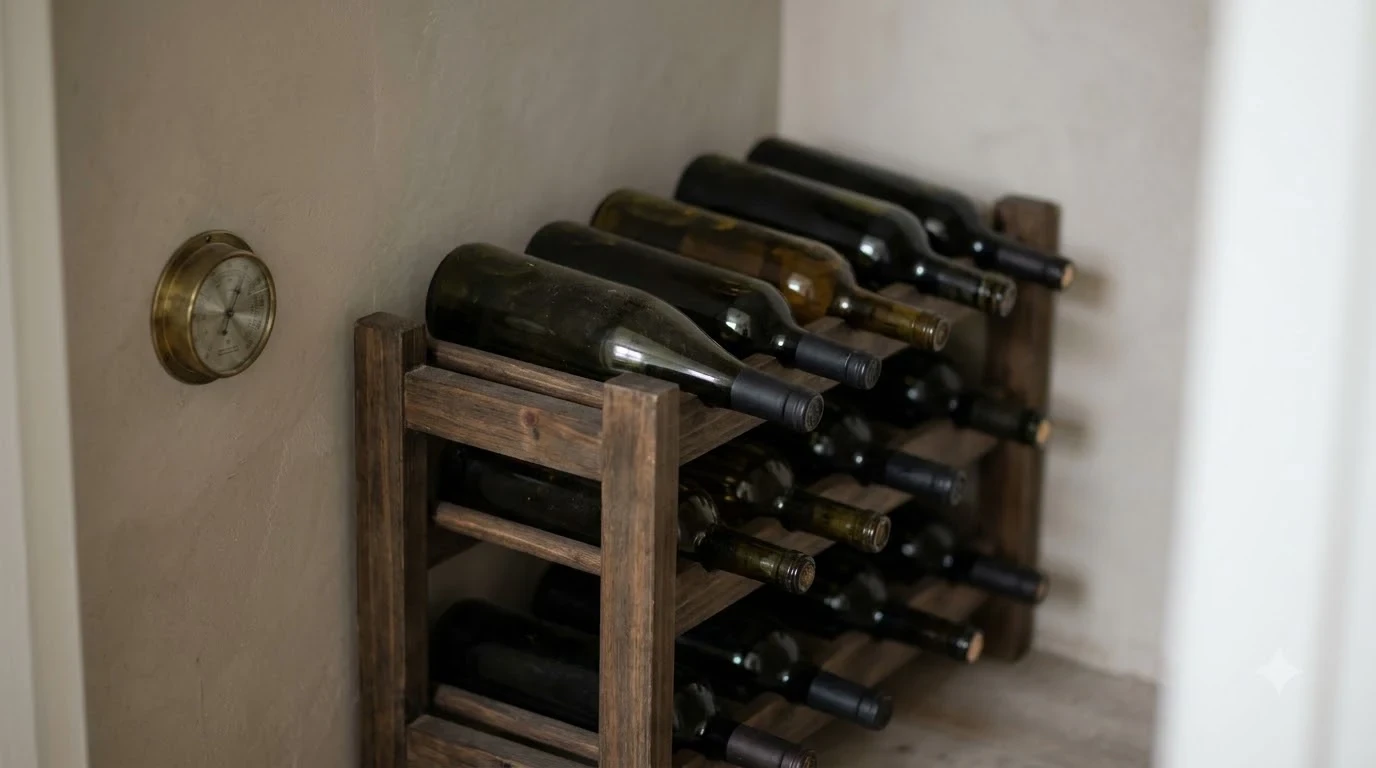
Store unopened wine bottles on their sides when they have natural cork closures, in a relatively cool environment near 55 degrees Fahrenheit. Avoid prolonged exposure to heat, direct sunlight, and large temperature fluctuations.
For more information about individual grape varieties, compare is sauvignon blanc gluten free, is pinot noir gluten free, and is cabernet sauvignon gluten free. These varieties offer different flavor profiles while sharing the naturally gluten-free characteristics of ordinary grape wine.
Frequently Asked Questions
Is cooking wine gluten free after the alcohol evaporates?
No. Alcohol evaporation and gluten removal are different processes. A simmering sauce may lose some of its alcohol, but that does not establish that gluten-containing proteins have been eliminated. A wine containing wheat should not be treated as gluten-free after cooking.
Is mirin gluten free?
Traditional mirin is a Japanese rice-based seasoning, but commercial versions can contain additional ingredients, including seasonings and other additives. The ingredient composition varies between products and manufacturers. Evaluate the particular bottle rather than assuming that every sweet rice seasoning has the same gluten status.
Is cooking wine the same as wine vinegar?
No. Cooking wine is an alcoholic beverage or prepared wine product, whereas wine vinegar is produced through further fermentation that converts alcohol into acetic acid. Wine vinegar is commonly used in salad dressings, marinades, and sauces. Plain wine vinegar is generally gluten-free, but malt vinegar is a different product made from barley malt.
Can wine aged in oak barrels contain gluten?
Some traditional barrels have been sealed using wheat-based paste, which has raised questions about possible gluten transfer. Research discussed by Beyond Celiac found measurements below the lower quantification limits of 5 and 10 parts per million in the examined wines. Ordinary wine aged in these barrels is generally considered gluten-free.
Is wine made from wheat automatically gluten free if it is distilled?
Pure distilled alcohol is generally considered free of gluten protein because distillation separates alcohol from nonvolatile proteins. However, this principle does not automatically apply to fermented wheat-based cooking wine. Ingredients added after distillation also need to be evaluated separately.
Cooking wine can be part of gluten-free cooking, but the distinction between ordinary grape wine and prepared grain-based cooking wine matters. Choose plain dry wine or a cooking product whose manufacturer confirms its gluten-free status, and pay particular attention to wheat in rice wine ingredients. With the right bottle, dishes such as risotto, beef stew, seafood pasta, and pan sauces can retain their intended flavor without relying on uncertain ingredients.
More in Wine Types & Grapes
 Zinfandel Sugar Content: Dry Red vs. White Zinfandel GramsUpdated Nov 21, 2026
 Best Zinfandel Substitute Options for Sipping and CookingUpdated Nov 21, 2026
 Zweigelt Food Pairing: Best Dishes, Cheeses, and Serving TipsUpdated Nov 21, 2026
 Zinfandel Tannins Explained: How Structure Shapes Every BottleUpdated Nov 21, 2026
 Zinfandel Sweetness Level: Dry Red vs. Sweet White Zin ExplainedUpdated Nov 21, 2026
 Xinomavro Food Pairing: Best Dishes, Styles, and Serving TipsUpdated Nov 21, 2026