

We may earn a commission when you buy through links on this page, at no extra cost to you. Learn more.
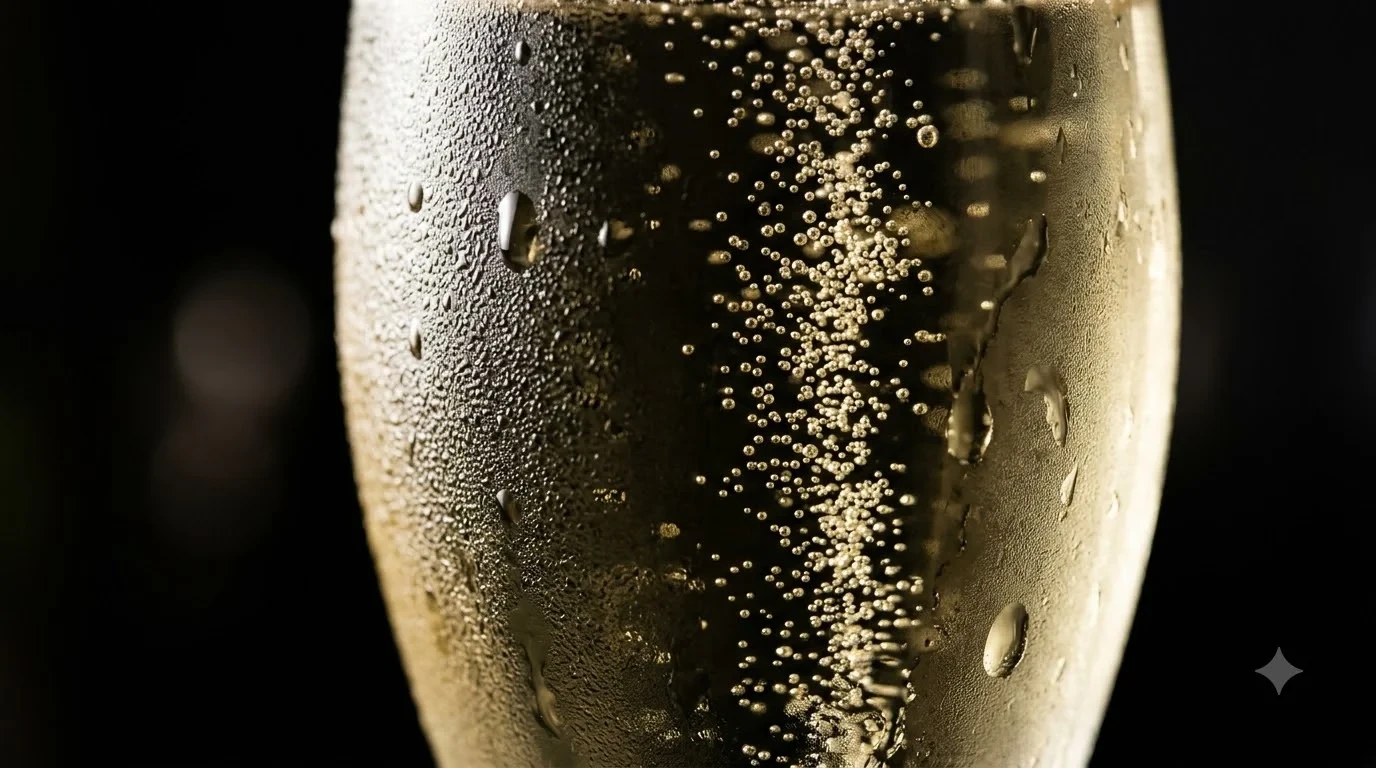
Is champagne keto friendly? Dry styles can fit a keto plan in small servings, because most of the carbohydrate in champagne is residual sugar, and brut and drier bottles hold very little of it. The wine itself has almost no carbs beyond that sugar. Sweeter styles such as demi-sec carry enough sugar to matter, so the label’s sweetness word is the main thing to check before pouring.
Keto eaters usually count net carbs for the whole day, so a drink is worth a quick look before it goes on the table. Champagne looks like a natural fit for a celebration, but its sugar content depends heavily on the style printed on the bottle. This guide explains where the carbs come from, how the sweetness categories map to grams of sugar, and how to pick a bottle that keeps the drink simple.
Where the Carbs in Champagne Come From
Champagne is made from grapes, and the grapes contain natural sugar. Most of that sugar is turned into alcohol during the first fermentation. A small amount of yeast and sugar is then added for the second fermentation inside the bottle, which creates the bubbles. Most of that added sugar is consumed by the yeast as well.
What remains is called residual sugar, and it is the part that adds carbohydrate to the glass. The alcohol itself contributes calories but not carbs. This is why two bottles with the same alcohol percentage can have very different carb counts: the difference comes from the sugar left in the wine.

How Sweetness Levels Map to Grams of Sugar
Once the wine has aged and the sediment has been removed, producers add a small mixture of wine and cane sugar called the dosage. The dosage sets the final sweetness. Most of the bottles on store shelves are brut, which means the wine is dry in the way most people expect.
The ranges below are the residual sugar limits for each category, expressed in grams per liter. They are useful for comparing bottles, even though the exact number on a given label is not always printed.
| Sweetness on the label | Residual sugar (g/L) | Keto fit |
|---|---|---|
| Brut Zero (also called Brut Nature) | Under 3 | Lowest sugar, easiest choice |
| Extra Brut | Under 6 | Very low sugar |
| Brut | Under 12 | Low sugar, usually fine in small pours |
| Extra Dry | 12 to 17 | Count the pour carefully |
| Sec | 17 to 32 | Noticeable sugar |
| Demi-sec | 32 to 50 | Highest sugar, usually the least suitable |
Note that the word “dry” can be confusing. In champagne, “sec” actually means sweeter than “brut,” so a bottle labeled sec is not the dry option many shoppers expect.
Estimating the Carbs in a Glass
A standard pour is about 150 milliliters. At the brut ceiling of 12 grams per liter, that works out to roughly 1.8 grams of sugar in a glass. At the demi-sec floor of 32 grams per liter, the same pour holds about 4.8 grams. Those numbers are estimates based on the category limits, not on lab tests of a specific bottle, but they show why the category matters more than the brand.
For a keto plan, the difference between a brut Zero and a demi-sec is several grams per glass, and that can add up if you pour two or three glasses over an evening. Writing the pour size down and counting it like any other carb keeps the decision simple.
Tip: Bottles marked “Brut Nature” or “Zero Dosage” have no added sugar, so they are the most predictable choice when you track carbs closely.
Choosing a Bottle That Fits Your Plan
Start by reading the sweetness word on the front label, then check the back label for any sugar or dosage information. Many producers list the style but not the grams, so the category is often the best guide you will get.
Non-vintage brut is the most common and usually the lowest-cost option in the dry range. Vintage bottles and prestige cuvées are often brut as well, though their flavor may feel richer. If you want to be sure, look for Brut Nature or Extra Brut on the label.
Retailers sometimes list a bottle as “dry” in a shelf tag or a tasting note without giving the official category. Those words are not regulated in the same way as the dosage terms, so the printed category on the bottle or the producer’s technical sheet is the safer source. If the sheet is not available, a bottle that tastes crisp and tart is usually a drier style, while a bottle with a round, honeyed finish is more likely to be sec or demi-sec.
Keep in mind that the sugar level can vary a little between batches of the same brand, because each blend and dosage is set separately. This is another reason to treat the category as a guide rather than an exact figure, and to pour a measured glass the first time you try a new label.
Common Mistakes When Counting Champagne Carbs
The most common mistake is assuming that every sparkling wine behaves the same way. Prosecco, cava and champagne each have their own sweetness rules, and a bottle of prosecco labeled extra dry can sit higher on the sugar scale than a bottle of brut champagne. The category word is the only reliable comparison, so check it on each bottle rather than relying on the grape or the region.
A second mistake is ignoring the size of the pour. Restaurant glasses are often larger than the standard 150 milliliters, and a generous pour can double the carb count of a glass without changing the wine. Measuring with a jigger or a marked flute once or twice is usually enough to learn what a normal serving looks like.
Finally, many people forget that cocktails made with champagne add their own sugar. Syrups, liqueurs and fruit juices can contribute more carbs than the wine does, so a mimosa or a bellini is a different drink from a plain glass of brut. Keeping the wine dry and adding only a small amount of fresh fruit keeps the total easier to track.
Drinks and Pairings That Keep Carbs Low
A dry glass pairs well with many low-carb foods, including oysters, soft cheeses, and grilled seafood. Sweet champagne is better saved for dessert, which is usually not on a keto menu anyway. For mixed drinks, a splash of dry sparkling wine with fresh fruit adds carbs faster than most people expect, so measuring the pour helps.
If you want to read more about how the wine is made and why the sugar varies, the Wikipedia entry on champagne covers the second fermentation and the dosage step in detail. For ideas on how the bubbles fit into a meal, see our guide on cooking with champagne, and if you are looking for a non-alcoholic option, the champagne substitute guide lists lower-sugar alternatives.
Frequently Asked Questions
Is champagne keto friendly in general?
Dry champagne can fit a keto plan in small pours because its residual sugar is low. Sweeter styles such as sec and demi-sec contain much more sugar and are harder to fit into a strict daily carb limit.
What is the lowest-carb champagne?
Bottles labeled Brut Nature or Brut Zero have the least residual sugar, typically under 3 grams per liter. Extra Brut is the next step, under 6 grams per liter.
Does the alcohol in champagne add carbs?
No. Alcohol contributes calories but not carbohydrate. The carbs in champagne come almost entirely from the sugar left in the wine after fermentation and from the dosage added before corking.
Is prosecco a better keto choice than champagne?
It depends on the style. Both wines come in dry and sweeter versions, so the label’s sweetness word matters more than the name. Compare the sugar categories directly before choosing.
Champagne can work for a keto evening when you choose a dry style and measure the pour. Start with a brut or drier bottle, keep an eye on the sweetness word, and count the glass as part of your daily carbs. For more on the wine, see our wine by type hub.
More in Wine Types & Grapes
 Zinfandel Sugar Content: Dry Red vs. White Zinfandel GramsUpdated Nov 21, 2026
 Best Zinfandel Substitute Options for Sipping and CookingUpdated Nov 21, 2026
 Zweigelt Food Pairing: Best Dishes, Cheeses, and Serving TipsUpdated Nov 21, 2026
 Zinfandel Tannins Explained: How Structure Shapes Every BottleUpdated Nov 21, 2026
 Zinfandel Sweetness Level: Dry Red vs. Sweet White Zin ExplainedUpdated Nov 21, 2026
 Xinomavro Food Pairing: Best Dishes, Styles, and Serving TipsUpdated Nov 21, 2026