

We may earn a commission when you buy through links on this page, at no extra cost to you. Learn more.
Is Barefoot Riesling good? Yes, Barefoot Riesling is a good choice for casual wine drinkers who enjoy a fruity, slightly sweet white wine with refreshing acidity and an approachable flavor profile. Its apple, peach, citrus, and honey notes make it easy to enjoy without extensive wine knowledge. It is particularly appealing for everyday sipping, casual gatherings, and meals with a little spice, although drinkers who prefer completely dry, mineral-driven Riesling may find it too sweet and straightforward.
Barefoot California Riesling occupies a useful place in the affordable white wine category: it offers recognizable fruit flavors, gentle sweetness, and a refreshing finish rather than the complexity associated with more expensive, traditionally styled Rieslings. The producer describes it as unoaked and refreshingly sweet, while independent tasting descriptions highlight pineapple, pear, citrus, and honey. Understanding its sweetness, alcohol level, food compatibility, and intended drinking style makes it easier to decide whether this bottle belongs in your wine rotation.
Who Should Choose Barefoot Riesling?
Barefoot Riesling is best suited to people who enjoy approachable white wines with noticeable fruit and some sweetness. Its light-bodied California style, gentle honey character, and crisp acidity make it a practical choice for relaxed drinking rather than formal wine occasions.
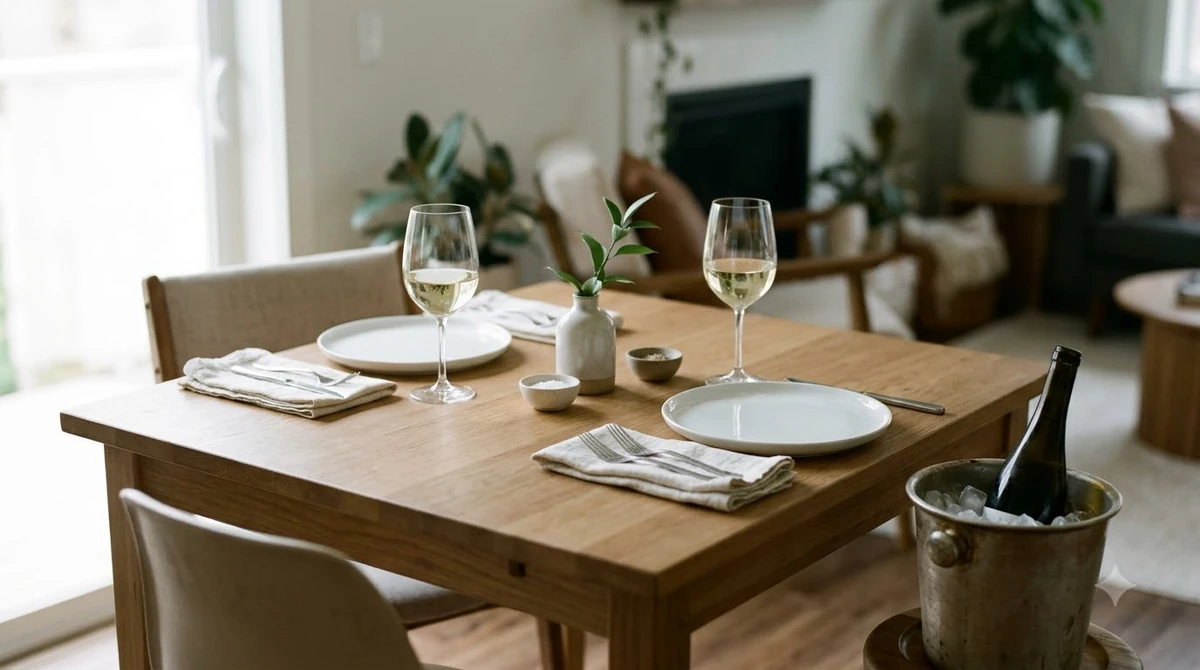
The first group likely to appreciate this wine is anyone who finds very dry white wines too sharp or austere. Riesling naturally offers a combination of fruit character and acidity, and Barefoot emphasizes that balance with juicy tree fruit, honey, and a refreshing finish. The producer specifically describes the wine as fruit-forward, unoaked, and food-friendly. That combination gives it an uncomplicated personality that works for people who want recognizable flavors instead of subtle oak, earthy aromas, or intense mineral characteristics.
It is also worth considering for occasional wine drinkers who do not want to spend time learning complicated wine terminology. The apple, peach, lemon, and floral notes are familiar, while the softer sweetness makes the wine approachable on its own. Someone who usually orders Moscato, sweeter Chardonnay, or fruity white blends may find Barefoot Riesling an appealing alternative.
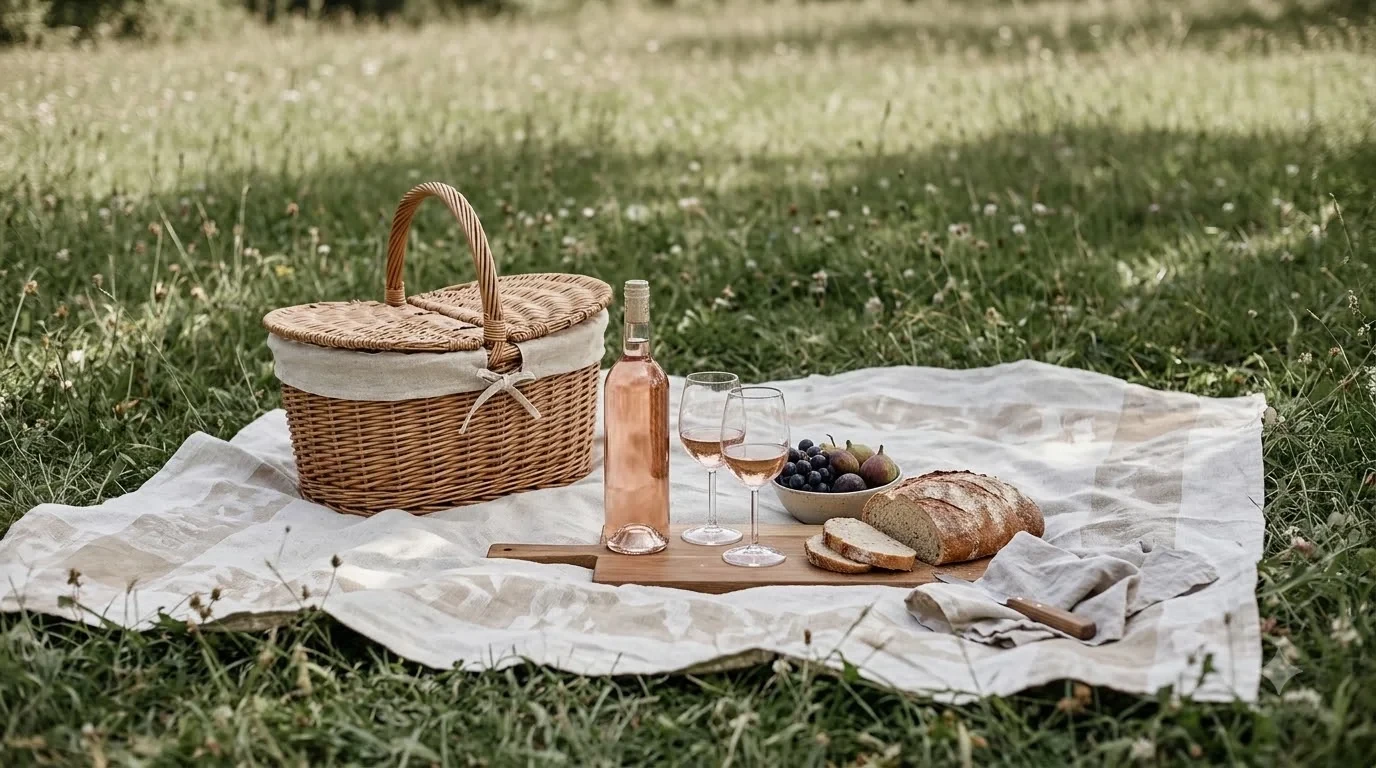
Another suitable audience is people planning casual meals or gatherings. A chilled bottle can accompany grilled chicken, mild cheese, fruit platters, Asian-inspired food, and lightly spicy dishes. Its acidity provides some freshness, while its fruit character offers a pleasant contrast to salty or spicy flavors.
However, Barefoot Riesling is not automatically the right choice for every white wine drinker. Those who regularly choose bone-dry German Riesling, dry Alsace Riesling, or crisp Sauvignon Blanc may prefer a wine with less apparent sweetness and more pronounced mineral or herbal character. Drinkers seeking a complex wine for extended cellar aging should also consider a different category.
Think of Barefoot as an everyday, fruit-focused white rather than a bottle intended to demonstrate the full range of Riesling’s regional expression. Its appeal comes from accessibility, familiar flavors, and uncomplicated enjoyment.
Key Factors to Compare Before Buying
The most important buying considerations are sweetness, fruit intensity, acidity, alcohol content, and bottle size. These characteristics determine whether Barefoot Riesling suits your preferences and how well it fits the occasion.
Sweetness deserves particular attention because Riesling can range from bone-dry to intensely sweet. Barefoot describes its version as refreshingly sweet, while Tastings characterizes its reviewed non-vintage California bottle as off-dry. Its tasting description explains that lively acidity balances lightly candied fruit flavors. This is an important distinction: the wine has sweetness, but it is not necessarily a heavy dessert-style white.
Fruit intensity is another defining characteristic. Expect a recognizable combination of apple, peach, citrus, and tropical fruit rather than subtle, restrained aromas. Tastings identifies pineapple, green mango, poached pear, and clover honey in its reviewed bottle. Wine Enthusiast also identifies pineapple, nectarine, and lemon, describing a candy-like, jammy impression associated with residual sugar. The exact impression can vary with the particular bottling and the conditions in which the wine is served.
Acidity helps keep the sweetness from becoming one-dimensional. Riesling is naturally a high-acid grape, and Barefoot’s producer specifically mentions crisp acidity. That freshness is useful with food because it helps counter the richness of certain dishes and gives the finish a more refreshing character. A wine that combines noticeable fruit sweetness with lively acidity can feel more balanced than one that tastes sweet without enough freshness.
Alcohol content is another practical comparison point. Tastings recorded 8% ABV for its reviewed non-vintage bottle, while Wine Enthusiast’s historical review listing records 11.5% for a different reviewed bottle. These are separate published evaluations, not proof that every current bottle has either percentage. The figure printed on the bottle you purchase is the appropriate reference for that specific product.
| Buying factor | Barefoot Riesling profile | What it means |
|---|---|---|
| Wine type | White Riesling | Fruit-focused white wine |
| Origin | California, USA | Approachable California style |
| Sweetness | Refreshingly sweet; reviewed as off-dry | Suitable for sweetness-friendly palates |
| Body | Light to medium | Easygoing rather than heavy |
| Acidity | Crisp and refreshing | Balances fruit sweetness |
| Oak influence | Unoaked | Fruit remains the main focus |
| Alcohol | Published reviews include 8% and 11.5% | Figures refer to different reviewed bottles |
| Standard bottle | 750 ml | Approximately five 5-ounce servings |
| Other formats | 187 ml, 500 ml, 1.5 L, 3 L | Options for different occasions |
Bottle size can make a difference when buying for a particular occasion. Barefoot lists formats ranging from 187 ml individual servings to a 3 L container. A standard 750 ml bottle provides approximately five servings when poured at 5 oz each. A 1.5 L bottle provides approximately ten equivalent servings, making larger formats practical for groups.
These factors are more useful than judging a wine solely by its sweetness label. Two bottles described as slightly sweet can taste quite different depending on acidity, fruit concentration, alcohol, and overall balance. Barefoot’s appeal comes from the combination of these elements rather than sweetness alone. For the producer’s description of the wine’s character and available formats, see the official Barefoot Riesling product page.
Step-by-Step: How to Decide Whether Barefoot Riesling Is Right for You
A few straightforward comparisons can help you choose confidently. Start with your preferred sweetness level, then consider flavor, alcohol, food, and serving temperature before purchasing.
-
Decide how much sweetness you enjoy.
If you usually prefer Moscato, off-dry Riesling, or fruity white wine, Barefoot is a sensible option to consider. If you exclusively drink bone-dry Sauvignon Blanc or crisp Chablis, its sweeter fruit profile may be less appealing. The producer itself describes the wine as refreshingly sweet, so it should not be treated as a completely dry white.
-
Consider the fruit flavors you prefer.
Barefoot Riesling emphasizes apple, peach, citrus, and honey, with pineapple and floral notes appearing in independent tasting descriptions. These flavors suit drinkers who enjoy expressive fruit rather than restrained herbal or mineral aromas. For additional product details, see our overview of Barefoot Riesling.
-
Check the alcohol percentage.
Published descriptions do not all report the same ABV. Tastings recorded 8% for its reviewed bottle, while Wine Enthusiast records 11.5% for a different historical reviewed bottle. This difference makes the actual bottle’s alcohol percentage an important purchasing consideration, particularly if you compare it with other wines. Read our explanation of Barefoot Riesling alcohol content for more detail.
-
Think about the food you plan to serve.
For spicy noodles, barbecue chicken, mildly seasoned seafood, or fruit and cheese platters, the combination of fruit and acidity can work well. If your menu consists mainly of delicate, very dry dishes, consider whether the wine’s sweetness will complement the flavors rather than dominate them.
-
Choose an appropriate bottle format.
A 750 ml bottle is suitable for a small dinner or a few individual glasses. For larger gatherings, Barefoot also lists 1.5 L and 3 L formats. A 187 ml bottle can be convenient when an individual serving is more appropriate than opening a full bottle.
-
Plan to serve it chilled.
Refrigerate the wine before serving and aim for approximately 45–50°F. This temperature range suits light, fruit-focused white wines and helps maintain a refreshing impression. Avoid serving it so cold that the fruit aromas become difficult to appreciate.
-
Compare the style with your usual wine.
If you enjoy sweet whites, Barefoot may be an easy addition. If you prefer a leaner, more mineral-driven Riesling, compare it with a dry German or Alsace example before deciding. The goal is to find a sweetness and acidity balance that matches your own taste.
This process also helps prevent a common purchasing mistake: selecting Riesling simply because you recognize the grape name. Riesling is capable of producing very different styles, so the producer’s description and the particular bottle’s characteristics matter.
Tip: If you are unsure about Barefoot Riesling’s sweetness, begin with a well-chilled small serving. Its fruit, honey, and acidity become easier to assess when the wine is not excessively warm or cold.
Types and Styles of Riesling Explained
Riesling is a versatile grape variety, not a guarantee of one specific sweetness level. Understanding the differences between dry, off-dry, sweet, and dessert-style Riesling helps explain where Barefoot fits in the broader category.
Dry Riesling contains little perceptible sweetness and usually emphasizes citrus, green apple, mineral character, and refreshing acidity. German Trocken Riesling is one familiar example of a dry style. Wine Enthusiast explains that the German term trocken indicates dry wine. These wines are often suitable for people who enjoy crisp white wines and prefer acidity over sweetness.
Off-dry Riesling has a modest amount of sweetness balanced by acidity. This is a useful middle ground because the wine can taste fruity and slightly sweet without becoming syrupy. Tastings describes its reviewed Barefoot NV Riesling as off-dry, noting that its acidity balances the lightly candied fruit character. This classification helps explain why some drinkers experience Barefoot as gently sweet rather than intensely sugary.
Sweet Riesling has a more noticeable sweet impression, often accompanied by ripe apple, peach, pineapple, and honey flavors. Barefoot’s own product description uses the phrase refreshingly sweet. This is the general direction to consider if your preference is for white wines with recognizable sweetness and approachable fruit.
Dessert-style Riesling can be substantially sweeter and more concentrated than everyday table wine. Some examples are produced from very ripe or specially selected grapes, and they can have intense honey, apricot, and tropical fruit characteristics. Barefoot should not automatically be grouped with these richer dessert wines simply because its producer describes it as sweet.
How Barefoot compares with common white wine preferences
For someone who regularly drinks Moscato, Barefoot Riesling can provide a familiar fruit-forward experience while offering a different combination of acidity and citrus. Moscato often emphasizes floral aromas and grape-like sweetness, whereas Barefoot Riesling highlights apple, peach, lemon, and honey.
Compared with Sauvignon Blanc, Barefoot is generally a better match for someone who prefers sweetness and softer fruit flavors. Sauvignon Blanc is typically more overtly acidic and often emphasizes grassy, herbal, or citrus characteristics. A drinker who likes its crispness but wants a gentler, sweeter profile may find Barefoot more appealing.
Compared with Chardonnay, the difference is partly about oak and texture. Chardonnay can range from lean and unoaked to rich and buttery, depending on its production style. Barefoot Riesling is specifically described by its producer as unoaked, making fruit and acidity more prominent than vanilla, toast, or buttery flavors associated with some Chardonnay styles.
Riesling also deserves consideration as a food wine. Its acidity and fruit can complement dishes that are difficult to pair with heavier, less acidic whites. For example, a slightly sweet Riesling can provide a useful contrast to the heat of a Thai curry or spicy chicken dish.
These comparisons show why Barefoot can be a good choice even for people who do not normally purchase Riesling. The grape offers a wide range of styles, and the approachable California interpretation is one accessible entry point.
Common Mistakes When Choosing Barefoot Riesling
The biggest mistakes involve confusing sweetness with quality, assuming every Riesling tastes the same, and overlooking the importance of serving temperature. Understanding these differences makes it easier to appreciate what Barefoot offers without expecting it to taste like a completely different style of wine.
Assuming all Riesling is dry: Riesling can be dry, off-dry, sweet, or dessert-style. Barefoot specifically promotes its California version as refreshingly sweet. Someone expecting a bone-dry white wine may be surprised by the fruit-forward profile.
Assuming sweetness means poor quality: Sweetness is a stylistic characteristic, not an automatic indicator of quality. A wine can have residual sugar and still offer refreshing acidity, attractive fruit, and balance. Tastings’ description of Barefoot’s acidity balancing its lightly candied sweetness illustrates this point.
Confusing fruit flavors with added flavoring: Apple, peach, pineapple, and honey descriptions refer to the sensory impressions associated with the wine. They do not establish that those ingredients have been added. Barefoot describes its Riesling in terms of juicy tree fruit and honey character, while independent reviewers identify similar aromatic and flavor impressions.
Expecting expensive-wine complexity: Barefoot is positioned as an accessible, uncomplicated California Riesling. Its strongest selling points are familiarity, fruit-forward character, and ease of enjoyment. Expecting the layered mineral complexity, distinctive regional character, or extended aging potential of a premium Riesling can create unrealistic expectations.
Ignoring differences between alcohol listings: Published ABV figures are not completely consistent. Tastings records 8% for its reviewed bottle, whereas Wine Enthusiast records 11.5% for a different historical reviewed bottle. This is why the actual bottle’s alcohol percentage deserves separate consideration rather than relying on an assumed universal figure.
Choosing food that exaggerates the wrong characteristics: Very spicy food can make a wine’s alcohol and tannin seem more pronounced, while sweetness and acidity can help create a more balanced pairing. Barefoot’s fruit-forward profile is generally more suitable for moderately spicy meals than for dishes dominated by extreme chili heat.
Serving it too warm: White wine served at room temperature can seem less refreshing, and its sweetness may become more noticeable. Chilling Barefoot Riesling to approximately 45–50°F gives it a brighter, more refreshing presentation.
Expecting a specific sweetness measurement from every bottle: Published tasting descriptions and product information can differ. Sweetness perception depends on residual sugar, acidity, fruit concentration, and serving conditions. For more detail, consult our explanation of Barefoot Riesling sugar content.
Ultimately, the best way to avoid disappointment is to match the bottle with the kind of wine you already enjoy. Barefoot is not intended to satisfy every possible Riesling preference, and that is perfectly reasonable for a wine with a clearly defined, accessible style.
Care and Storage Tips for Better Enjoyment
Barefoot Riesling does not require elaborate preparation. Proper refrigeration, sensible serving temperatures, and appropriate storage after opening are enough to preserve its fresh fruit character for everyday enjoyment.
Chill before opening. Place the bottle in the refrigerator for several hours before serving. Aim for approximately 45–50°F, which is appropriate for light, fruit-forward white wines. If the wine becomes excessively cold, allow it to warm slightly in the glass so that apple, peach, citrus, and floral aromas can become more apparent.
Use an ordinary white wine glass. A standard white wine glass is sufficient. There is no need to purchase specialist glassware to appreciate Barefoot Riesling. A moderately sized bowl gives the aromas some room to develop, while a narrower opening helps direct them toward the nose.
Pour moderate servings. A standard wine serving is 5 oz. A 750 ml bottle contains approximately 25.4 fluid ounces, which means it provides around five standard glasses. Leaving some room in the glass also makes it easier to swirl the wine gently and evaluate its aromas.
Keep unopened bottles away from heat. For longer storage, wine bottles generally benefit from a cool, dark location with relatively stable conditions. A temperature near 55°F is a useful general storage target. Keep bottles away from direct sunlight, heating equipment, and frequent temperature changes.
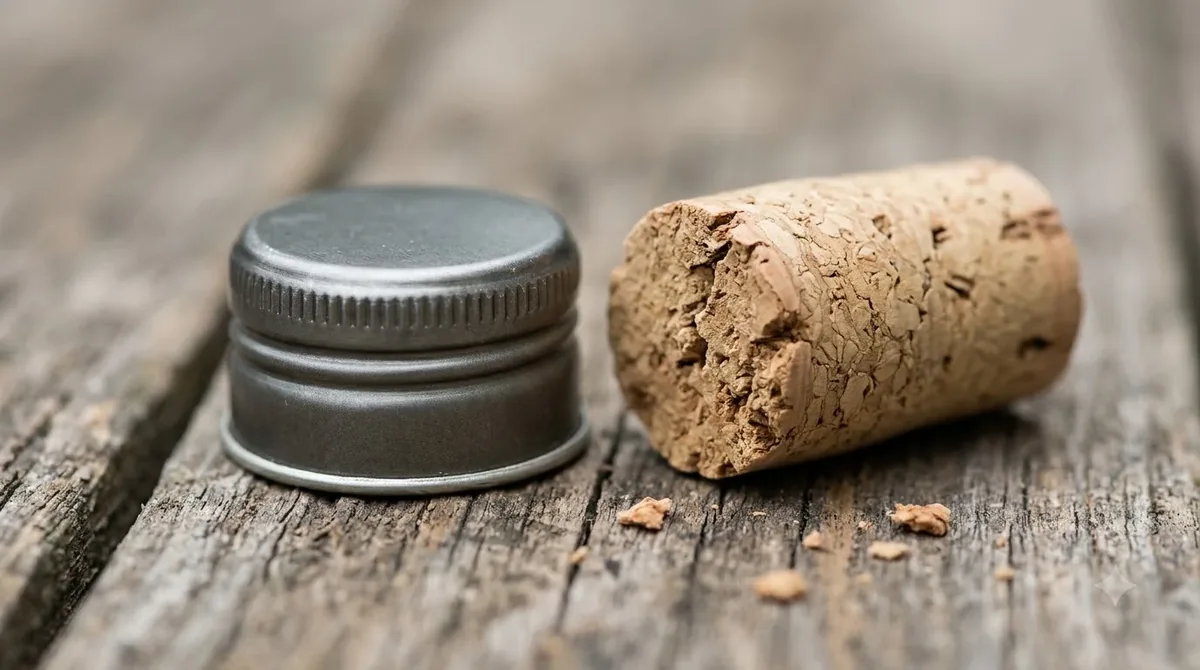
For longer-term storage, bottles with cork closures are commonly stored on their sides to help maintain cork contact with the wine. The most important consideration for a casual white like Barefoot, however, is avoiding heat exposure and drinking it while its fresh fruit character remains appealing.
Refrigerate the wine after opening. Replace the closure securely and return the bottle to the refrigerator. Most opened still wines remain enjoyable for approximately three to five days when properly refrigerated, although the freshness of the fruit aromas gradually declines. A smaller remaining volume in the bottle may oxidize more quickly because more air is present relative to the amount of wine.
Choose the right format for the occasion. Barefoot lists 187 ml, 500 ml, 750 ml, 1.5 L, and 3 L formats. Individual bottles are useful for single servings, standard bottles work for small dinners, and larger bottles are practical for gatherings. The format should reflect how many people will be drinking and whether the wine is likely to be finished shortly after opening.
Do not decant unnecessarily. Barefoot Riesling is a straightforward, fruit-focused white that generally does not need decanting. Opening the bottle and allowing it a short time in the glass is sufficient. The priority is preserving freshness rather than introducing extra preparation.
These basic habits are enough to keep the wine enjoyable. A carefully controlled cellar is unnecessary for someone buying Barefoot as a casual drinking wine, and the emphasis should remain on freshness, suitable chilling, and sensible storage after opening.
Frequently Asked Questions
Is Barefoot Riesling considered a beginner-friendly wine?
Yes. Its recognizable fruit flavors and approachable sweetness make it accessible to people who are still learning about white wine. The familiar apple, peach, citrus, and honey impressions are easier to identify than the subtle mineral or earthy characteristics found in some traditional Rieslings. Its unoaked style also avoids the pronounced toast and vanilla flavors associated with certain barrel-aged whites.
Can Barefoot Riesling be used to make a wine spritzer?
Yes. Its fruit-forward character makes it suitable for a simple spritzer. Combine equal parts chilled Riesling and sparkling water over ice, then add a lemon or orange slice. Adjust the sparkling water proportion according to how light you want the finished drink to taste.
Does Barefoot Riesling need to be decanted before serving?
No. This is a fresh, approachable white wine that can be poured directly from the bottle. Unlike some young, concentrated red wines that benefit from 30–60 minutes of aeration, Barefoot Riesling does not require extended exposure to air. Chilling it properly is more important than decanting.
Can Barefoot Riesling be served with cheese?
Yes. Mild cheeses are a particularly suitable starting point because they do not overwhelm the wine’s fruit and acidity. Fresh goat cheese, mild cheddar, and creamy cheeses can work well depending on their saltiness and texture. A cheese board with apples, pears, and lightly salted crackers also creates a useful combination of complementary flavors.
Is Barefoot Riesling suitable for making white wine sangria?
Yes. Its apple, peach, citrus, and floral characteristics make it a practical base for a fruit-focused white wine sangria. Fresh oranges, green apples, peaches, and a little sparkling water can complement its existing flavor profile. Because the wine already has sweetness, avoid adding large amounts of sugar or sweetened mixers without tasting the mixture first.
Barefoot Riesling is a worthwhile everyday option if you enjoy approachable white wines with fruity flavors, gentle sweetness, and refreshing acidity. It is especially suitable for casual meals, spicy food, and gatherings where an uncomplicated wine is more important than complex tasting characteristics. If you prefer bone-dry, mineral-driven whites, another Riesling style may suit you better, but for a relaxed fruit-forward bottle, Barefoot makes a sensible choice.
More in Wine Brands
 Louis Latour Wine Price: Compare Bottles by Style and TierUpdated Nov 20, 2026
 Yellow Tail Moscato Price: What to Expect Before You BuyUpdated Nov 20, 2026
 Sutter Home Sweet Red Review: Find the Right Food PairingsUpdated Nov 20, 2026
 Franzia Chillable Red Review: Find the Right Serving StyleUpdated Nov 20, 2026
 Veuve Clicquot Rose Review: Flavor, Food Pairings and Buying AdviceUpdated Nov 20, 2026
 Rombauer Wine Price: Compare Bottles Before You BuyUpdated Nov 20, 2026