


We may earn a commission when you buy through links on this page, at no extra cost to you. Learn more.
IKEA stemless wine glasses are practical, affordable-feeling everyday options, with IVRIG offering a larger 15 oz bowl and DYRGRIP providing a lighter 12 oz crystalline alternative. Both have compact, stem-free designs that suit casual meals, entertaining and smaller storage spaces. Their main trade-offs are the lack of a stem for temperature control, differences in capacity and some customer-reported durability concerns. For everyday red wine and relaxed gatherings, either can make sense, but the right choice depends on how much room you want in the bowl and how you prefer to handle your glassware.
IKEA’s stemless selection is worth examining because the retailer offers more than one approach to the simple wine tumbler. IVRIG emphasizes a generously rounded bowl and a familiar everyday shape, while DYRGRIP uses crystalline glass for a more refined appearance. Neither replaces dedicated stemware for every wine occasion, but both have a useful place in a home glassware collection. This review examines their specifications, customer feedback, practical strengths, limitations and the alternatives worth considering before choosing a set.
Specs and Key Features of IKEA Stemless Wine Glasses
IKEA’s IVRIG and DYRGRIP are two distinct stemless options, not interchangeable versions of the same glass. IVRIG provides more capacity and a slightly heavier feel, while DYRGRIP offers a smaller crystalline drinking glass with a more delicate presentation.
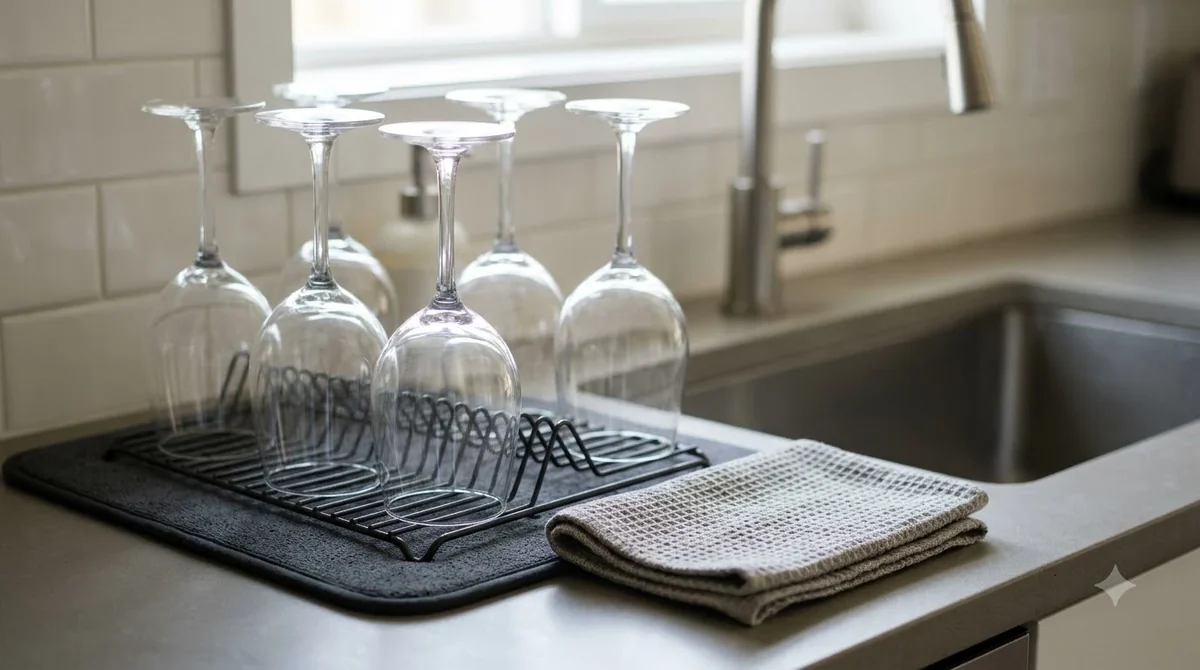
The most important distinction is capacity. IVRIG holds 15 oz, compared with 12 oz for DYRGRIP. That difference affects how much space remains above the wine after a standard pour, how comfortably the wine can be swirled and whether the glass feels appropriately sized for different drinking occasions.
| Specification | IVRIG | DYRGRIP |
|---|---|---|
| Product type | Stemless drinking glass | Stemless drinking glass |
| Capacity | 15 oz | 12 oz |
| Height | 4 inches | 4 inches |
| Diameter | 3 1/2 inches | 3 1/2 inches |
| Weight | 6 oz | 5 oz |
| Material | Glass | Crystalline |
| Dishwasher-safe | Yes, up to 158°F | Yes |
| Stackable | No, not designed for stacking | No, not designed for stacking |
| Designer | Ola Wihlborg | Ingegerd Råman |
These specifications come from IKEA’s individual product listings. The distinction between ordinary glass and crystalline is particularly relevant for shoppers who care about appearance. DYRGRIP’s crystalline construction is intended to offer clear brilliance and a fine tone when glasses touch. That does not mean it is indestructible or automatically superior for every household. The material and shape should be considered alongside handling habits and intended use.
IVRIG’s larger bowl is its most obvious functional advantage. IKEA describes the rounded shape as suitable for red wine because the bowl provides room for aromas and flavors to develop. Its 15 oz capacity also leaves useful room above a standard 5 oz serving. DYRGRIP, meanwhile, has a more modest capacity, making it a reasonable option for households that prefer a compact drinking glass rather than a generously sized wine tumbler.
Both glasses have the same listed height and diameter, so the capacity difference is not immediately obvious from their overall measurements. The internal shape and available volume matter more than the external dimensions alone. Neither model should be purchased on the assumption that it will fit inside another glass or stack securely in a cabinet. IKEA specifically advises that these glasses are not designed for stacking.
What Owners Like About IVRIG and DYRGRIP
Customer feedback highlights comfortable handling, useful everyday capacity and uncomplicated styling as recurring reasons to consider IKEA’s stemless glasses. The two models appeal to slightly different preferences, but both have positive comments about their appearance and practicality.

IVRIG receives favorable comments from customers who want a substantial everyday glass without a traditional stem. Some owners describe its shape as comfortable to hold, while others appreciate the generous 15 oz capacity for serving wine and other drinks. Its relatively straightforward appearance also makes it easy to use alongside different dinnerware styles rather than reserving it for formal occasions.
The larger bowl is useful for red wine varieties that benefit from some room for swirling. A standard 5 oz pour occupies only part of the glass, leaving room for the aromas to collect above the wine. That is especially helpful with Cabernet Sauvignon, Merlot and Pinot Noir, although the glass is not a substitute for a specialized tasting glass. For casual dinners, the ability to use one glass for wine, water or other cold drinks is another practical advantage.
DYRGRIP attracts customers who appreciate a more refined glass appearance. IKEA describes its crystalline material as an alternative to traditional crystal, and its product presentation emphasizes clarity and the sound produced when glasses are tapped together. Customer comments also mention its clear appearance, comfortable shape and thin drinking edge. These characteristics make it appealing for people who want a relatively polished-looking tumbler rather than a conventional thick-sided water glass.
Its 12 oz capacity can be an advantage for people who prefer a smaller serving vessel. A 5 oz wine pour still leaves space above the liquid, while the narrower practical serving volume can discourage filling the glass excessively. The lighter listed weight of 5 oz may also appeal to people who dislike holding heavier glassware for an extended period.
There is a difference between customer satisfaction with a glass’s appearance and evidence of long-term durability. Positive reviews demonstrate that many buyers are happy with the design and everyday usefulness, but individual experiences vary. A glass that feels comfortable in one person’s hand may seem too small or delicate to another person.
For households choosing between the two, IVRIG is the more straightforward choice if capacity and a substantial feel matter most. DYRGRIP makes more sense if crystalline clarity and a lighter drinking glass are higher priorities. Both are versatile enough for informal entertaining, although neither offers the temperature-control advantage of a traditional stemmed glass.
Common Complaints and Practical Limitations
The main concerns surrounding IKEA stemless wine glasses involve breakage, handling and capacity expectations. Customer feedback is generally useful for identifying these potential problems, but individual complaints should not be interpreted as proof that every glass has the same weakness.
Some IVRIG owners report cracking during use, washing or storage. Other customers describe receiving damaged pieces or noticing differences between glasses purchased at different times. These comments are important because everyday glassware is handled frequently, often by several people in the household. Even an attractive glass becomes inconvenient if its owner feels the need to handle it with unusual caution.
There are also positive IVRIG reviews describing a comfortable weight and a sturdy-feeling construction. This contrast suggests that the experience is not uniform. Glassware can be affected by manufacturing variation, accidental impacts, temperature changes and the way it is positioned in a dishwasher. Buyers planning to use the glasses regularly should inspect each piece before its first use and avoid assuming that a heavier feel guarantees resistance to breakage.
DYRGRIP has a different set of criticisms. Some owners consider its 12 oz capacity smaller than expected, particularly if they anticipated a large red wine tumbler. Others mention concerns about fragility or the difficulty of maintaining a secure grip. Its crystalline construction and clear appearance are attractive features, but they do not remove the need for careful handling.
Another limitation shared by both models is the lack of a stem. Holding the bowl directly introduces hand warmth to the wine and can leave fingerprints around the part of the glass used for observing and smelling the wine. These issues matter more for chilled whites, rosé and sparkling wines than for a casual glass of room-temperature red.
Wine professionals have different opinions about the usefulness of stemless designs. Wine Enthusiast explains that stemless glasses work well for casual gatherings and compact storage, while stemmed glasses remain more appropriate for formal tasting and controlled swirling. Its discussion is useful context for deciding whether the convenience of a tumbler outweighs the limitations of direct bowl contact. Read its expert discussion of stemless wine glasses for additional perspective.
Storage is another point that deserves attention. A stemless design removes the fragile connection between bowl and stem, but it does not automatically make a glass stackable. IKEA explicitly says that IVRIG and DYRGRIP are not designed to be stacked. Storing them upright with adequate clearance is therefore a better approach than forcing several pieces together to save cabinet space.
Finally, consider the opening and internal shape before buying multiple pieces. A glass can look generous from the outside but still feel restrictive when filled. People who prefer large, open wine bowls may be happier with IVRIG, while those who enjoy smaller drinking glasses may find DYRGRIP more appropriate.
Who Should Buy and Who Should Skip IKEA Stemless Wine Glasses
IKEA’s stemless glasses make the most sense for casual wine drinkers who value convenient handling, everyday versatility and uncomplicated table settings. They are less suitable for people whose main priority is formal wine tasting, temperature management or specialized glass shapes.
Who should consider IVRIG
IVRIG is a sensible choice for people who want a larger all-purpose wine glass. Its 15 oz capacity provides more room than DYRGRIP, and its rounded bowl is particularly suitable for everyday red wine service. Someone who regularly drinks Merlot, Cabernet Sauvignon or Pinot Noir with dinner may appreciate having a glass that offers sufficient room for a 5 oz pour and some gentle swirling.
It also suits households that want one general-purpose glass for entertaining. The same glass can serve wine during dinner and water or another cold beverage during the rest of the meal. This versatility can simplify table settings, especially when guests have different preferences.
Who should consider DYRGRIP
DYRGRIP is better suited to buyers who prefer a lighter crystalline drinking glass and do not need the additional capacity of IVRIG. Its clear appearance and smaller volume make it attractive for everyday wine service, smaller servings and mixed-purpose entertaining.
People who value the visual presentation of their glassware may also appreciate its crystalline material. However, anyone who regularly handles glasses roughly or has a history of accidental breakage should consider whether a delicate-looking glass is the right purchase.
Who should skip both models
Serious wine tasters may prefer dedicated stemmed glasses. A stem makes it easier to swirl wine without placing a hand around the bowl, and it helps keep fingerprints away from the viewing surface. This is useful when evaluating the color, clarity and aromatic development of a wine rather than simply enjoying a drink with dinner.
People who frequently serve chilled Sauvignon Blanc, Riesling, rosé or Champagne may also prefer stemware. These wines are commonly served at cooler temperatures, and a hand wrapped around the bowl can warm them during a longer meal. A stemless glass can still work, but it requires more attention to serving temperature and drinking pace.
Buyers who need stackable storage should look elsewhere as well. Neither IVRIG nor DYRGRIP is designed to stack, so their stem-free shape does not solve every cabinet-space problem. If storage is the deciding factor, compare their actual dimensions with the available shelf height and width before purchasing several pieces.
For more options, the stemless wine glasses roundup provides a broader comparison of shapes and everyday uses. Shoppers who are open to traditional stemware can also explore the wider wine glasses selection to compare different bowl profiles and serving styles.
How IKEA Compares to Alternative Wine Glass Styles
IKEA’s IVRIG and DYRGRIP compete primarily on everyday practicality rather than specialist tasting performance. Comparing them with other glassware styles makes it easier to decide whether a stemless design is genuinely the right format for a household.
Traditional stemmed wine glasses have an important advantage: the stem separates the hand from the bowl. That helps maintain the serving temperature and reduces fingerprints on the glass surface. It also provides a convenient place to hold the glass while swirling wine. These advantages become more noticeable during formal dinners, guided tastings and longer meals featuring chilled wines.
Stemless glasses offer a different balance. They sit closer to the table, have no narrow stem to snap and are often easier to fit into everyday kitchen routines. Wine Enthusiast identifies their usefulness for casual gatherings and compact storage, although IKEA’s specific IVRIG and DYRGRIP models are not designed for stacking. The broad category advantages should therefore not be mistaken for a product-specific stacking feature.
There is also a meaningful distinction between an ordinary drinking glass and a purpose-designed wine glass. A drinking glass can hold wine perfectly well, but its shape may not offer the same aromatic concentration or space for swirling. IVRIG has a more wine-friendly rounded bowl, while DYRGRIP is presented primarily as a crystalline drinking glass suitable for water, cocktails and other beverages. Both can serve wine, but IVRIG is the more obvious choice for someone specifically shopping for a red wine tumbler.
For shoppers who enjoy Cabernet Sauvignon or Syrah, a larger bowl can be useful because these wines often benefit from additional aeration and room to swirl. Pinot Noir and lighter reds can also work in IVRIG, although a dedicated stemmed Burgundy-style glass offers a different aromatic experience. The glass does not need to be highly specialized for ordinary dinner service, but it should suit the wine’s serving conditions.
White wine presents a more complicated comparison. Sauvignon Blanc and Riesling are typically served cooler than full-bodied red wines, so a stemmed glass offers better temperature control. Chardonnay can work in a wider range of glass shapes, particularly when served at approximately 50–55°F for fuller styles. DYRGRIP and IVRIG remain usable, but neither has a stem to keep the hand away from the wine.
Decanter’s discussion of stemless glassware makes the same practical distinction: fewer fragile components and simpler storage can be attractive, but direct contact with the bowl affects fingerprints and wine temperature. Its stemless glassware advice offers useful professional context for buyers who are weighing convenience against traditional wine-serving preferences.
Another option is to keep both formats. A household could use IVRIG or DYRGRIP for casual meals and everyday beverages while reserving stemmed glasses for special bottles and formal occasions. This approach avoids expecting one glass to perform every task equally well.
Those interested in more specialized options can explore red wine glasses for larger bowls and more traditional serving profiles. The wider Glassware Brands resource can also help shoppers compare different manufacturers and styles instead of restricting the decision to one retailer.
Care, Handling and Everyday Wine Service
Both IKEA models are dishwasher-safe, but correct handling remains important for extending their useful life. The most sensible routine combines careful loading, suitable water temperatures and secure cabinet storage.
For IVRIG, IKEA specifies dishwasher-safe use up to 158°F (70°C). It also limits the maximum food and beverage temperature to 120°F. That distinction matters: dishwasher suitability does not mean the glass should be used for very hot drinks. Avoid pouring boiling water or freshly prepared hot beverages into either model.
DYRGRIP is also dishwasher-safe, according to IKEA. However, buyers should still avoid placing glasses where they can knock against heavy cookware, plates or other glassware during a wash cycle. A secure dishwasher position helps reduce the risk of impact damage. When hand-washing, support the body of the glass rather than twisting it aggressively with a cloth or sponge.
Tip: Keep IVRIG and DYRGRIP upright in separate cabinet positions rather than stacking them. During washing, leave enough space between each glass to prevent contact with heavier dishes, and dry them without applying twisting pressure.
Before using either model for the first time, follow IKEA’s instruction to wash the glass. After that, use a gentle cleaning method and inspect the rim and base periodically. Small chips or cracks can develop from impacts that are easy to overlook, particularly when glasses are stored close together.
Serving temperature is just as important as glass care. A stemless glass transfers some hand warmth to the wine, so start with the appropriate serving temperature rather than relying on the glass to keep the drink cool. The following ranges provide useful reference points for everyday service.
| Wine style | Suggested serving temperature | Stemless suitability |
|---|---|---|
| Sparkling wine | 40–50°F | Better for casual, short servings |
| Light white wine | 45–50°F | Suitable, but warms in the hand |
| Full-bodied white wine | 50–55°F | Suitable for informal service |
| Rosé | 45–50°F | Suitable for casual occasions |
| Light red wine | 55–60°F | Good everyday option |
| Full-bodied red wine | 60–65°F | Good, particularly in IVRIG |
| Sweet white wine | 43–50°F | Better for shorter servings |
A standard wine serving is approximately 5 oz. That means a 15 oz IVRIG glass and a 12 oz DYRGRIP glass both provide enough capacity for a normal pour, although neither should be filled to the rim. Leaving empty space makes it easier to smell the wine and reduces the risk of spilling when moving the glass.
For a young, full-bodied red wine, a separate decanter can be useful. Allowing the wine to breathe for approximately 30–60 minutes may help soften its initial presentation, depending on the wine. The glass itself does not need to be oversized to make decanting worthwhile, but a larger bowl such as IVRIG offers more room for a gentle swirl.
When serving chilled wine, consider placing the glass down between sips rather than keeping a hand wrapped around it continuously. This will not provide the same temperature control as stemware, but it can help slow warming. Avoid filling several glasses long before guests arrive, especially if the wines are sparkling or particularly temperature-sensitive.
Finally, remember that good glassware should make serving easier rather than create unnecessary work. IVRIG and DYRGRIP are everyday products, and careful handling is more useful than treating them as untouchable display pieces. If one model feels uncomfortable or too delicate for the household, choosing a different shape is a reasonable decision.
Frequently Asked Questions
Can IKEA stemless glasses be used for cocktails?
Yes. Both models can serve cold mixed drinks, and their stem-free designs work well for simple cocktails served without elaborate presentation. A 12 oz DYRGRIP is convenient for smaller mixed drinks, while the 15 oz IVRIG offers more room for ice and garnishes.
Can IKEA stemless wine glasses be used for sparkling wine?
They can be used for casual sparkling wine service, although neither model is a dedicated Champagne flute. A flute or tulip-shaped sparkling glass generally provides a more specialized presentation for observing bubbles and concentrating aromas. Serve sparkling wine at approximately 40–50°F.
How many IKEA stemless glasses should a household own?
A household that regularly entertains six people may find six matching glasses a convenient starting point. Having two additional pieces can provide flexibility if one glass breaks or if guests want water alongside wine. The ideal quantity depends on cabinet space and how frequently the glasses are used.
Can IKEA stemless glasses be used for hot tea or coffee?
IVRIG has a stated maximum food and beverage temperature of 120°F, so it is not suitable for freshly brewed hot tea or coffee. DYRGRIP should likewise be treated as cold-drink glassware unless IKEA provides a specific hot-use rating. Always distinguish dishwasher temperature ratings from permitted serving temperatures.
Are IKEA stemless glasses suitable for outdoor entertaining?
They can work for patio dinners and controlled outdoor gatherings, but they remain breakable glass products rather than shatterproof drinkware. For poolside events, camping or crowded outdoor settings, reusable plastic drinkware may be more practical. Keep glass pieces away from hard flooring and unstable surfaces.
IKEA stemless wine glasses offer useful everyday choices, with IVRIG standing out for its larger 15 oz capacity and DYRGRIP appealing to shoppers who prefer lighter crystalline glassware. Choose based on capacity, appearance and handling preferences, and remember that neither model replaces stemmed glasses for every wine occasion. For casual meals and relaxed entertaining, both can be practical additions to a well-rounded glassware collection.
More in Wine Glasses
 Zwiesel Glas Champagne Flutes for Durable Everyday Sparkling WineUpdated Nov 20, 2026
 Vera Wang Crystal Wine Glasses: Design, Quality and Buying AdviceUpdated Nov 20, 2026
 West Elm White Wine Glasses: Compare Designs for Better Everyday Wine ServiceUpdated Nov 20, 2026
 Zalto Stemless Wine Glasses: Discover Their Distinctive DesignsUpdated Nov 20, 2026
 Viski Champagne Glasses That Match Your Style and Sparkling WineUpdated Nov 20, 2026
 Vista Alegre Decanter Review: Crystal Style and Wine ServiceUpdated Nov 20, 2026