

We may earn a commission when you buy through links on this page, at no extra cost to you. Learn more.
Hudson Valley wine tasting takes place in the Hudson River Region, a cool-climate American Viticultural Area in eastern New York where wineries pour French hybrids, cool-climate vinifera and whites like Riesling. The region was established in 1982 and is the state’s first AVA, and it holds dozens of wineries spread across several counties north of New York City. This guide explains what to expect on a tasting visit, which wines are most often poured, and how to plan a route without rushing.
Many visitors who come to the Hudson Valley expect a single compact wine country, but the tasting scene is spread across river towns, hillside farms and small wineries that work with different grapes. A good tasting day depends on the route you choose and how much time you give each stop. The sections below cover the region’s geography, its climate, the wines you will likely taste, and practical tips for planning your visit.
Where the Hudson Valley Wine Region Sits
The Hudson River Region AVA covers all of Columbia, Dutchess and Putnam counties, the eastern parts of Ulster and Sullivan, nearly all of Orange, and the northern parts of Rockland and Westchester. Wineries are scattered across this area rather than clustered in one town, so a tasting day usually means driving between a few stops along river valleys and rolling hills.
The region’s history goes back further than most American wine districts. Winemaking there is traced to French Huguenot settlers at New Paltz in 1677. The first commercial winery opened in 1827 at Croton Point, and the Washingtonville winery, founded in 1839, is listed as the oldest active winery in the United States.
Climate and Soils That Shape the Wines
The Hudson Valley is cooler than many New York growing areas, and the river itself plays a part in that. Ocean breezes moving up the river keep summers cooler and winters milder than nearby inland areas. Mean annual precipitation is about 44 inches, and the growing season runs for roughly 153 days, which is long enough for the region’s preferred varieties to ripen in most years.
The soils come from glacial deposits of shale, slate, schist and limestone. Glaciation left a varied mix of soils across short distances, and the area is often described as one of the most geologically complex wine regions in the world. That variety is one reason neighboring vineyards can produce wines with noticeably different character.
Grapes and Wine Styles You Will Taste
French hybrids are hardy vines bred to handle cold winters, and they are a large part of what makes the region distinctive. Cool-climate vinifera varieties, such as Riesling and Chardonnay, share the same cool growing conditions and offer a different style of fruit and acidity. Together they give the region a broad range of wines.
French hybrids and cool-climate vinifera varieties carry most of the region’s wine. Visitors should expect a lot of pours of white wine, a number of fruity reds and a few dry rosés. Baco noir, Cabernet Franc, Chardonnay, Riesling and Merlot are among the varieties grown here, and each winery chooses its own mix.
| Style | Common grapes | What to expect in the glass |
|---|---|---|
| Dry white | Chardonnay, Riesling and other cool-climate whites | Crisp acidity and fruit that suits a cool-climate growing season |
| Fruity red | Baco noir and other French hybrids | Bright, fruit-forward reds that are usually easy drinking |
| Cabernet and Merlot | Cabernet Franc and Merlot | Medium-bodied reds with herbal and dark-berry notes |
| Off-dry white | Riesling and blends | Lighter body with a touch of sweetness and high acidity |
Riesling is a good example of how the cool climate shows in the glass. Wine Folly’s Riesling guide notes that the grape is mostly grown in cool climates and describes its typical profile as light-bodied, high in acidity and off-dry. It recommends serving the wine at 38 to 45 degrees Fahrenheit, or 3 to 7 degrees Celsius, which is cooler than most reds.
How to Plan a Hudson Valley Tasting Day
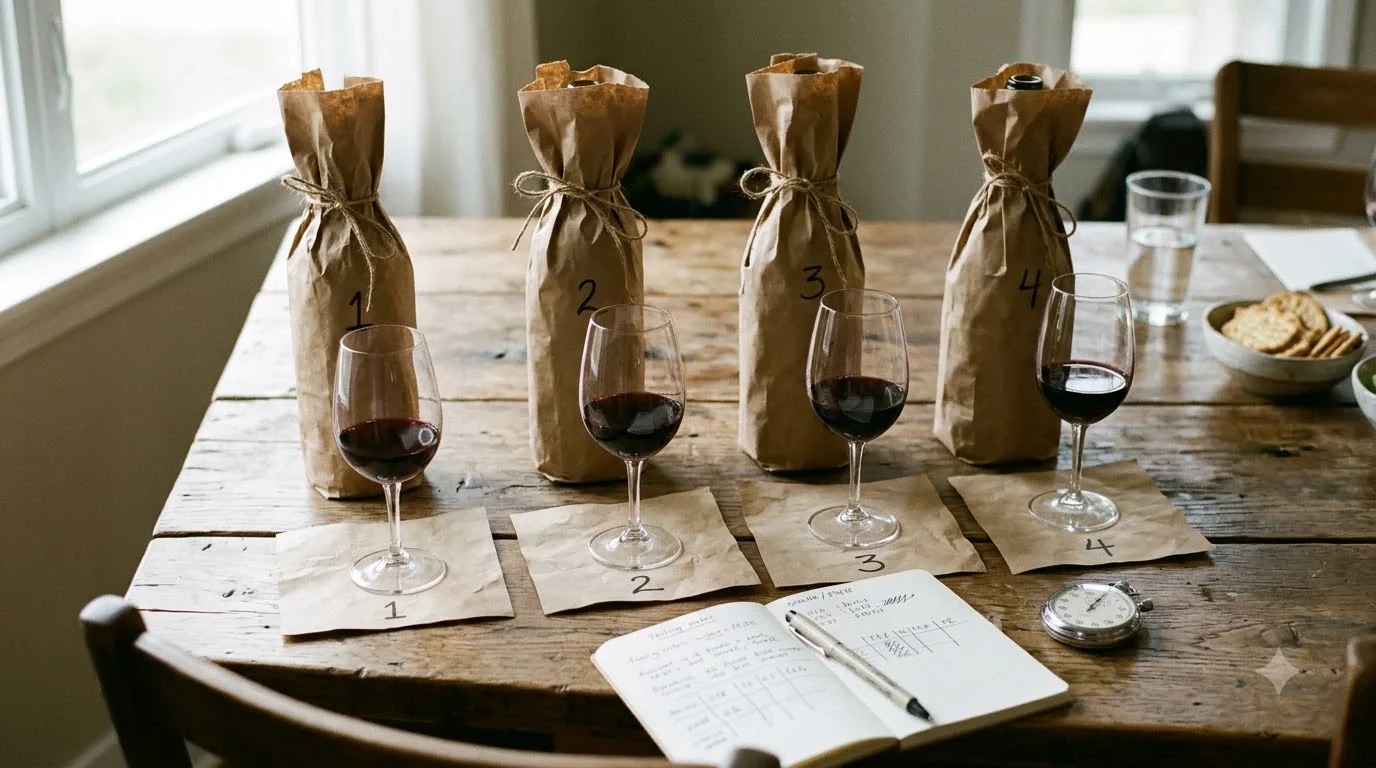
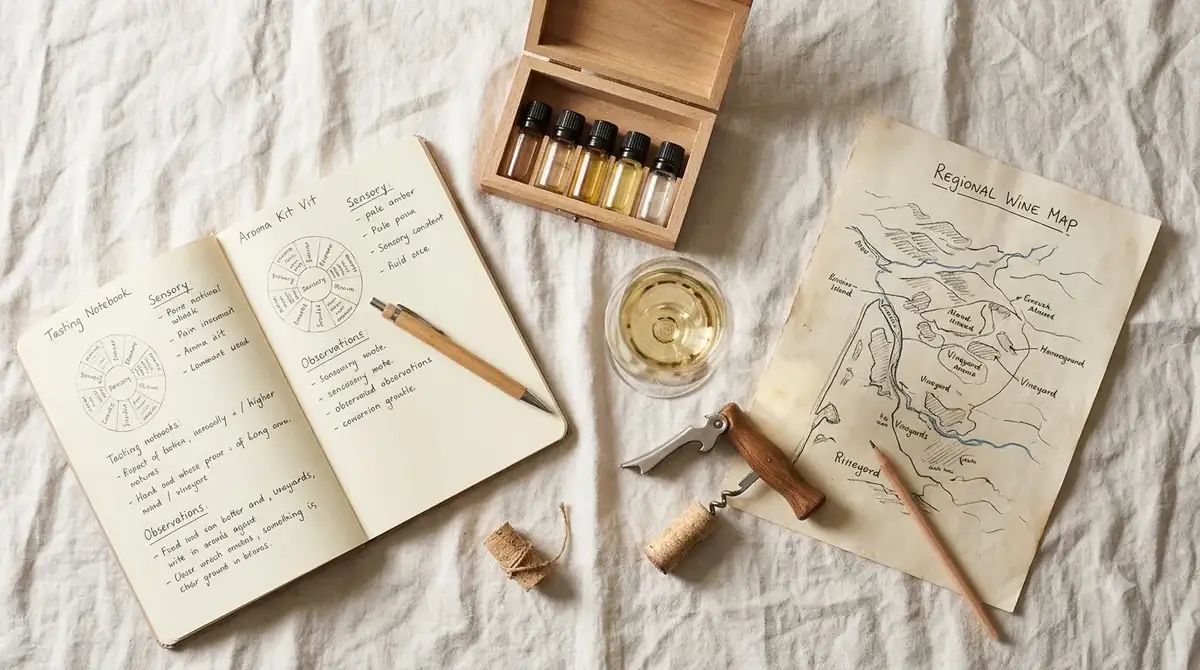
A tasting route works best when you limit it to a few wineries. Tasting rooms in the Hudson Valley are often small, and staff have time to explain the wines when the day is not crowded. Plan about an hour per winery, add time for travel between stops and leave room for a meal.
Tasting etiquette is simple. Ask for a smaller pour if you want to try more wines, use the spit cup when one is offered, and tell staff what you usually like so they can point you toward similar bottles. Many visitors buy a bottle or two at the end of a flight, which also helps the winery and gives you a reminder of what you tasted.
Because the wineries are spread across several counties, a car is the practical choice. Some visitors book a driver or join a guided tour, which lets everyone taste without worrying about the drive back. Check each winery’s hours before you go, since many keep limited schedules outside the summer months.
Tip: Start with the whites and move to the reds. Cool-climate whites are usually lighter, so tasting them first helps you judge the fuller reds that come later in the flight.
Seasons and Timing for a Visit
The Hudson Valley tasting season is shaped by the growing calendar. Spring brings new wines from the previous vintage, while late summer and early fall are when vineyards are busiest and visitors see the most activity. Many wineries host events during harvest and in the autumn months, which can be a good time to watch the work in the vineyard as well as taste the wine.
Winter visits are quieter and often less crowded, although some tasting rooms reduce their hours or close for parts of the season. Weekends tend to be busier than weekdays in every season, so a midweek trip gives you more time with staff. Booking a time slot ahead is a sensible step when you plan around a holiday weekend or a local festival.
Comparing Hudson Valley With Other Tasting Routes
Readers who plan wine trips often compare regions before choosing one. The Hudson Valley is more compact than some West Coast districts, and its wineries sit within a day’s drive of the New York metro area. For a different style of trip, an Edna Valley wine tasting route offers a warmer climate and a different set of grapes, while an Anderson Valley wine itinerary focuses on cool-climate pinot noir and sparkling wine.
Comparing regions helps you set expectations. A Hudson Valley flight will usually feature more French hybrids and cool-climate whites than a valley in California, so the tasting feels different even when the process is the same.
Frequently Asked Questions
How many wineries are in the Hudson Valley region?
The infobox for the Hudson River Region AVA lists 59 wineries as of 2022. The count changes over time as new producers open and older ones close, so check the current list before you plan a route.
What grapes are most common in Hudson Valley tasting rooms?
French hybrids and cool-climate vinifera varieties make up most of the region’s wine. Baco noir, Cabernet Franc, Chardonnay, Riesling and Merlot are common, and each winery chooses its own lineup.
Is the Hudson Valley a good place for a first wine tasting trip?
It can be. The region’s wineries are often small and approachable, and staff tend to explain the wines in detail. Visitors who want to learn about cool-climate whites and French hybrids will find plenty to taste.
How should I get around between wineries?
A car is the most practical option because the wineries are spread across several counties. Some visitors use a driver or a guided tour so that everyone in the group can taste.
A Hudson Valley tasting day rewards a clear plan and a willingness to try cool-climate wines. Pick two or three stops, taste from light to heavy, and check hours before you leave. For more background on the state’s districts, the wine regions guide puts the Hudson Valley alongside other American areas.
More in Wine Regions
 Willcox Wine Trail: Discover Arizona’s High-Elevation Wine CountryUpdated Nov 20, 2026
 Yakima Valley Wine Region: Find the Best Styles to TryUpdated Nov 20, 2026
 Vosne Romanee Wine Tasting: Identify Aromas and Choose Better PairingsUpdated Nov 20, 2026
 Yakima Valley Wine Festival: Find the Best Seasonal Wine EventsUpdated Nov 20, 2026
 Wales Vineyards: Discover Cool-Climate Wines and Where to VisitUpdated Nov 20, 2026
 Yountville Wine Festival: Discover Napa Wines and Local FoodUpdated Nov 20, 2026