

We may earn a commission when you buy through links on this page, at no extra cost to you. Learn more.
To learn how to pronounce shiraz, say “shee-RAHZ,” with the stress on the second syllable. Many American speakers use that pattern, though “SHEER-ahz” is also heard in wine shops. The name is the Australian label for a grape that many other countries call syrah, so the two words often appear side by side on menus and shelves.
Shiraz is one of the most recognizable red wine names in the world, yet it is often mispronounced at the counter or across the table. This guide explains the common pronunciation, why the grape has two names, and simple habits that help you order and talk about it with confidence.
How to say shiraz out loud
Shiraz has three syllables: “shee,” “rahz,” and the quiet ending that blends into the second. The most common American pronunciation puts the emphasis on “rahz,” which gives the name a smooth, rolling sound. Some people start with a sharper “SHEER” and then soften the final syllable, and you will hear both versions in tasting rooms and retail stores.
The table below breaks the word into parts so you can practice each piece before putting them together.
| Part | Say it like | Tip |
|---|---|---|
| Shi | “shee” | A soft “sh” followed by a long “ee,” like the first sound in “sheep.” |
| Ra | “rah” | An open “ah” sound, with the tongue low in the mouth. |
| Z | “z” | The final letter is a buzzing “z,” not an “s,” so the word ends softly. |
| Full word | “shee-RAHZ” | Stress the middle syllable and let the ending fade lightly. |
A helpful trick is to say “sheer” and then “ahz” as two quick parts. Once that rhythm feels natural, the full name comes out smoothly without a pause in the middle.
Why shiraz and syrah are the same grape
Shiraz and syrah refer to the same red grape. According to Wine Folly’s syrah guide, the grape is typically known as Shiraz in Australia and is called Syrah in most of the rest of the world. The difference is naming, not variety. The same guide says DNA profiling traced the grape’s origin to southeastern France, tied to the Rhône Valley.
That means a bottle labeled shiraz from Australia and a bottle labeled syrah from France are made from the same grape. The name on the label often signals the country and winemaking tradition rather than a different wine. Learning the two names helps you compare bottles across regions without feeling lost.
How syrah is pronounced
Wine Folly gives the pronunciation of syrah as “sear-ah,” which is a useful reference when comparing the two names. Because syrah and shiraz are different spellings of one grape, the pronunciation patterns are close enough that learning one helps with the other. Many people find that the “ah” sound at the end stays the same across both names.
Both words share a rhythm in which the emphasis lands on the middle or the first part, depending on the speaker. Saying each name slowly a few times builds the habit more quickly than trying to remember a written phonetic guide.
What shiraz tastes like
The flavor of shiraz depends on where the grape is grown. Wine Folly describes Australian versions as more fruit-driven, with lots of spice. Italian and French versions, by contrast, tend to show more acidity and earthy, herbaceous aromas. Knowing this difference helps you choose a bottle that matches your taste.
The same guide lists blueberry, black plum, milk chocolate, tobacco, and green peppercorn among the primary flavors for syrah. Those notes give the wine a rich, dark-fruited profile, and they help explain why shiraz often pairs well with grilled meat and bold, savory dishes.
How to serve shiraz
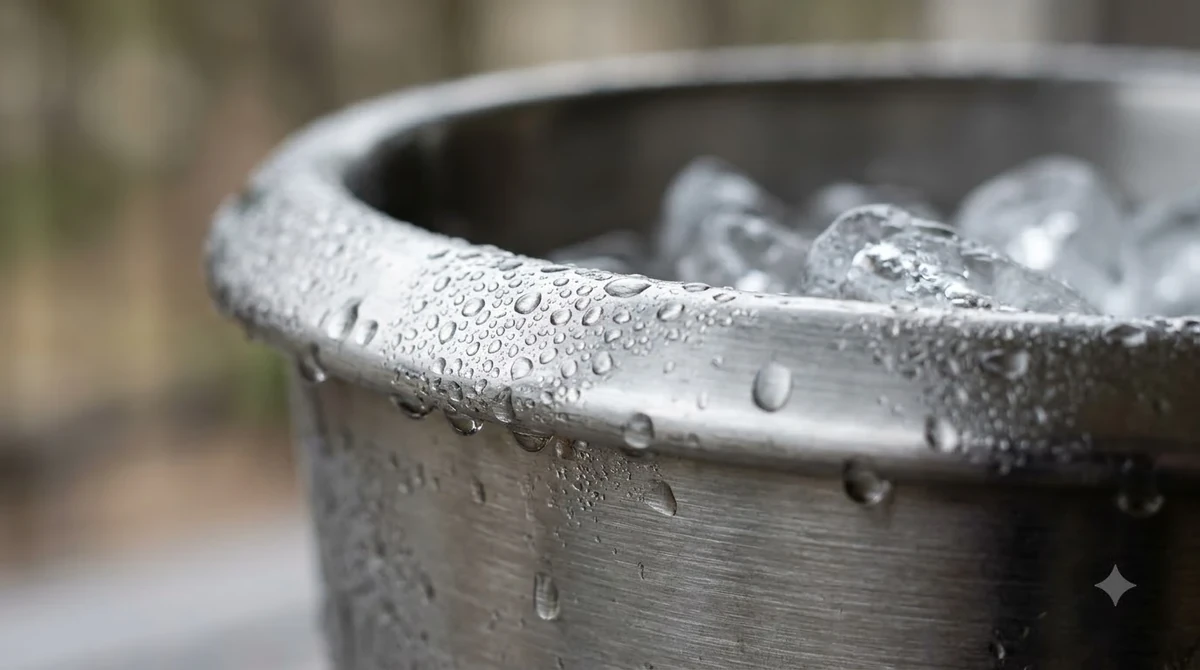
Wine Folly gives a serving temperature of 60–68°F (15–20°C) for syrah. Serving the wine within that range keeps the fruit expressive without letting the alcohol feel too sharp. A slightly cool room is often the easiest way to hold the wine in that band for a meal.
Because shiraz can be full-bodied, many people pour it into a wide glass that gives the aromas room to open. A brief rest in the glass before the first sip lets the spice and fruit come forward, and it makes a simple habit that improves the drink at the table.
Tip: Pronounce the name once when you order, then point to the bottle if you are unsure. Staff usually repeat the name back, which confirms the order without any awkwardness.
How to order shiraz in a restaurant or shop
When you order, say the name at a steady pace and add the country if you want a specific style. “A shiraz from Australia” or “a syrah from the Rhône” makes the request clear and gives the server or clerk a good starting point. Those few extra words also help you learn the difference between styles over time.
In a wine shop, staff are used to customers asking about names. A short question about style, such as whether the bottle is fruit-forward or more savory, usually leads to a helpful suggestion. Asking directly is a normal part of shopping, and it often opens up a better bottle than you would have found on your own.
If you are comparing two bottles side by side, try saying each name out loud before you decide. Hearing “shiraz” and “syrah” in the same breath makes it easier to remember which name goes with which style of label. Over a few visits, the names stop feeling like separate wines and start to look like two ways of describing the same grape from different parts of the world.
Restaurants that list both names often group them by region, with Australian bottles under shiraz and French or other European bottles under syrah. Reading the region first and the name second is a quick way to narrow the choices, and it also gives you a clear question to ask the server if the list is long.
Practice tips that make the name stick
Practice the name in two parts, “shee” and “rahz,” and then join them. Say it slowly three times, then at normal speed. Repeating the word in a sentence, such as “A glass of shiraz, please,” helps the rhythm feel natural.
Many people also find it useful to say the grape name alongside its syrah counterpart. Practicing both names together builds recognition, so the word does not catch you off guard when it appears on a list from another country.
Frequently Asked Questions
Is shiraz pronounced the same as syrah?
No. The two names are spelled and said differently, although they describe the same red grape. Shiraz is commonly pronounced “shee-RAHZ,” while Wine Folly gives “sear-ah” for syrah.
Which syllable gets the most stress in shiraz?
Most American speakers put the stress on the second syllable, “rahz.” Some speakers start with a sharper “SHEER,” but the middle emphasis is the most widely recognized pattern.
Is shiraz a red or white wine?
Shiraz is a red wine made from a dark-skinned grape. Wine Folly describes the grape as originating in southeastern France, and it is widely grown in Australia under the shiraz name.
Does shiraz taste the same as syrah?
Not always. The grape is the same, but the place and winemaking shape the flavor. Australian shiraz is often more fruit-driven with spice, while French and Italian versions may show more acidity and earthy aromas.
For more help with tricky wine names, the guides on how to pronounce Gewurztraminer and how to pronounce Madeira cover other names that often cause hesitation. The how to pronounce St. Croix guide covers another name that many drinkers find tricky. For a broader view of styles and grapes, the Wine by Type section groups bottles by the characteristics that matter most when you choose.
More in Wine Types & Grapes
 Zinfandel Sugar Content: Dry Red vs. White Zinfandel GramsUpdated Nov 21, 2026
 Best Zinfandel Substitute Options for Sipping and CookingUpdated Nov 21, 2026
 Zweigelt Food Pairing: Best Dishes, Cheeses, and Serving TipsUpdated Nov 21, 2026
 Zinfandel Tannins Explained: How Structure Shapes Every BottleUpdated Nov 21, 2026
 Zinfandel Sweetness Level: Dry Red vs. Sweet White Zin ExplainedUpdated Nov 21, 2026
 Xinomavro Food Pairing: Best Dishes, Styles, and Serving TipsUpdated Nov 21, 2026